

Healthy fats are no longer the dietary villain they were once thought to be. Over the past few decades, a large body of scientific research has reshaped our understanding of dietary fat and its role in human health. Rather than avoiding fats altogether, current evidence shows that the type of fat consumed matters far more than the total amount.
Unsaturated fats, especially monounsaturated and polyunsaturated fats, are associated with improved heart health, better metabolic function, and even enhanced brain performance.
This article breaks down ten foods that are rich in healthy fats, explains why they are beneficial, and provides clear, science-backed insights into how they support your body.
What Are Healthy Fats?
Before diving into specific foods, it is important to understand what qualifies as a healthy fat.
Types of Dietary Fat
Dietary fats are broadly categorized into four groups:
- Saturated fats
- Trans fats
- Monounsaturated fats
- Polyunsaturated fats
Monounsaturated and polyunsaturated fats are considered beneficial. These fats can improve cholesterol levels, reduce inflammation, and support cellular function. Polyunsaturated fats include omega 3 and omega 6 fatty acids, which are essential because the body cannot produce them on its own.
In contrast, industrial trans fats are strongly linked to increased risk of cardiovascular disease, while excessive intake of certain saturated fats may negatively impact heart health depending on the overall dietary pattern.
Why Healthy Fats Matter
Healthy fats play several critical roles in the body:
- Support hormone production
- Aid absorption of fat soluble vitamins such as A, D, E, and K
- Provide long lasting energy
- Protect organs and support cell structure
- Promote brain health
Research consistently shows that replacing saturated fats with unsaturated fats reduces the risk of cardiovascular disease and mortality. Diets rich in healthy fats, such as the Mediterranean diet, are associated with longer lifespan and lower rates of chronic disease.
1. Avocados

Nutritional Profile
Avocados are one of the richest sources of monounsaturated fats, particularly oleic acid. They also contain fiber, potassium, and various antioxidants.
Health Benefits
Oleic acid has been shown to reduce inflammation and improve heart health markers. Regular avocado consumption is linked to improved lipid profiles, including lower LDL cholesterol and higher HDL cholesterol.
Avocados also enhance nutrient absorption. When eaten with vegetables, they increase the uptake of carotenoids, which are important antioxidants.
Practical Tips
- Add sliced avocado to salads
- Use mashed avocado as a spread instead of butter
- Blend into smoothies for creaminess
2. Extra Virgin Olive Oil
Nutritional Profile
Extra virgin olive oil is a cornerstone of the Mediterranean diet. It is rich in monounsaturated fats and contains powerful polyphenols.
Health Benefits
Studies show that olive oil consumption is associated with reduced risk of cardiovascular disease. Its polyphenols have antioxidant and anti inflammatory effects, which help protect blood vessels and reduce oxidative stress.
Regular intake is also linked to improved endothelial function, which is crucial for maintaining healthy circulation.
Practical Tips
- Use as a base for salad dressings
- Drizzle over cooked vegetables
- Replace butter with olive oil in cooking
3. Fatty Fish
Examples
- Salmon
- Mackerel
- Sardines
- Herring
Nutritional Profile
Fatty fish are rich in omega 3 fatty acids, specifically EPA and DHA.
Health Benefits
Omega 3 fatty acids are among the most studied nutrients in nutrition science. They are associated with reduced inflammation, improved cardiovascular health, and enhanced brain function.

Regular consumption of fatty fish is linked to a lower risk of heart attacks and strokes. Omega 3s also play a role in reducing triglyceride levels and supporting mental health.
Practical Tips
- Aim for two servings per week
- Grill or bake instead of frying
- Use canned sardines or mackerel for convenience
4. Nuts
Examples
- Almonds
- Walnuts
- Cashews
- Pistachios
Nutritional Profile
Nuts contain a mix of monounsaturated and polyunsaturated fats, along with protein, fiber, and micronutrients.
Health Benefits
Frequent nut consumption is associated with reduced risk of cardiovascular disease and all cause mortality. Walnuts, in particular, are high in omega 3 fatty acids.
Nuts also help regulate blood sugar levels and support weight management by increasing satiety.
Practical Tips
- Eat a small handful as a snack
- Add to oatmeal or yogurt
- Use crushed nuts as a topping for salads
5. Seeds
Examples
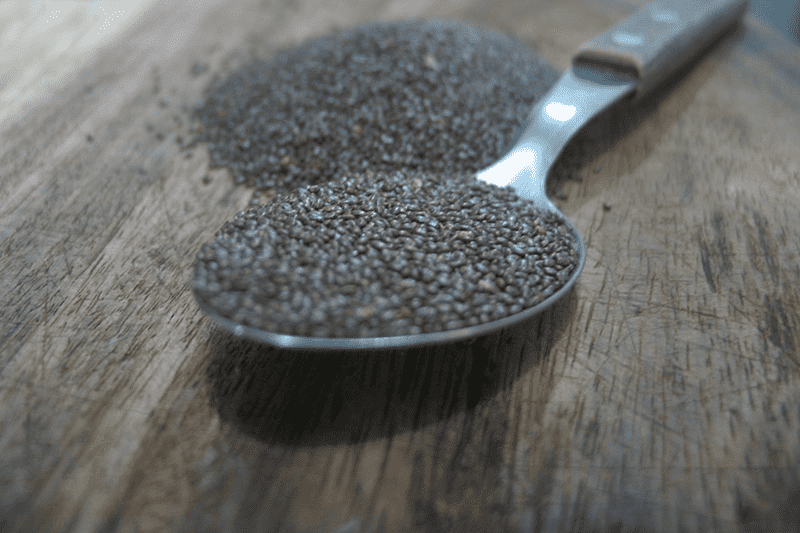
- Chia seeds
- Flaxseeds
- Sunflower seeds
- Pumpkin seeds
Nutritional Profile
Seeds are rich in polyunsaturated fats, including omega 3 fatty acids, as well as fiber and plant based protein.
Health Benefits
Chia and flaxseeds are especially high in alpha linolenic acid, a plant based omega 3 fatty acid. These seeds are linked to improved cholesterol levels and reduced inflammation.
Flaxseeds also contain lignans, which have antioxidant properties and may support hormonal balance.
Practical Tips
- Add to smoothies or yogurt
- Sprinkle over salads
- Use ground flaxseeds in baking
6. Dark Chocolate
Nutritional Profile
High quality dark chocolate contains cocoa butter, which is rich in stearic acid and other fats. It also provides flavonoids.
Health Benefits
Moderate consumption of dark chocolate is associated with improved heart health. Flavonoids in cocoa can enhance blood flow, lower blood pressure, and improve insulin sensitivity.
Stearic acid, despite being a saturated fat, appears to have a neutral effect on cholesterol levels.
Practical Tips
- Choose chocolate with at least 70 percent cocoa
- Limit portion size to avoid excess calories
- Pair with nuts for a balanced snack
7. Eggs
Nutritional Profile
Eggs contain a mix of fats, including monounsaturated and saturated fats, along with high quality protein and essential nutrients.
Health Benefits
Eggs were once controversial due to their cholesterol content. However, research now shows that dietary cholesterol has a limited impact on blood cholesterol for most people.

Eggs also contain choline, which is essential for brain health and cell membrane integrity.
Practical Tips
- Include whole eggs in meals
- Combine with vegetables for a balanced dish
- Avoid overcooking to preserve nutrients
8. Full Fat Dairy
Examples
- Greek yogurt
- Cheese
- Whole milk
Nutritional Profile
Full fat dairy contains saturated fats, but also includes beneficial fatty acids such as conjugated linoleic acid.
Health Benefits
Recent studies suggest that full fat dairy may not be as harmful as previously thought. In fact, moderate consumption is associated with lower risk of obesity and metabolic syndrome.
Fermented dairy products like yogurt also support gut health due to their probiotic content.
Practical Tips
- Choose minimally processed options
- Opt for plain yogurt instead of flavored varieties
- Use cheese in moderation
9. Coconut
Nutritional Profile
Coconut is high in saturated fats, particularly medium chain triglycerides.
Health Benefits
Medium chain triglycerides are metabolized differently from long chain fats. They are rapidly absorbed and used for energy rather than stored.
Some evidence suggests that these fats may support weight management and provide a quick energy source. However, coconut should still be consumed in moderation due to its high saturated fat content.
Practical Tips
- Use coconut milk in cooking
- Add shredded coconut to meals
- Avoid excessive intake
10. Tofu and Soy Products
Nutritional Profile
Soy based foods contain polyunsaturated fats, including omega 6 fatty acids, along with protein and isoflavones.

Health Benefits
Soy consumption is linked to improved heart health and reduced LDL cholesterol levels. Isoflavones may also support hormonal balance and bone health.
Tofu and other soy products provide a plant based source of healthy fats and protein, making them a valuable addition to vegetarian and vegan diets.
Practical Tips
- Use tofu in stir fries
- Add edamame to salads
- Replace meat with soy products occasionally
How to Incorporate Healthy Fats Into Your Diet
Adding healthy fats to your diet does not require drastic changes. Small, consistent adjustments can have a significant impact.
Simple Strategies
- Replace butter with olive oil
- Snack on nuts instead of processed foods
- Include fatty fish in weekly meals
- Add seeds to everyday dishes
- Choose whole food sources over processed fats
Balance Is Key
While healthy fats are beneficial, they are also calorie dense. Moderation is essential. The goal is not to increase fat intake indiscriminately, but to replace less healthy fats with better options.
Final Thoughts
Healthy fats are a vital part of a balanced diet. Scientific evidence clearly supports their role in improving heart health, supporting brain function, and reducing inflammation. By focusing on whole food sources such as avocados, olive oil, fatty fish, nuts, and seeds, you can significantly improve your overall health without unnecessary complexity.
Rather than fearing fat, the modern approach to nutrition emphasizes quality over quantity. Choosing the right types of fat can make a meaningful difference in both short term performance and long term health.
References
- Estruch, R. et al. (2013). Primary prevention of cardiovascular disease with a Mediterranean diet. New England Journal of Medicine, 368(14), pp.1279 to 1290.
- Schwingshackl, L. and Hoffmann, G. (2014). Monounsaturated fatty acids and risk of cardiovascular disease. Annals of Nutrition and Metabolism, 65(4), pp.324 to 334.
- Calder, P.C. (2015). Marine omega 3 fatty acids and inflammatory processes. Biochimica et Biophysica Acta, 1851(4), pp.469 to 484.
- Mozaffarian, D. et al. (2010). Effects of dietary fats on blood lipids. PLoS Medicine, 7(3), e1000252.
- Ros, E. (2010). Health benefits of nut consumption. Nutrients, 2(7), pp.652 to 682.
- Aune, D. et al. (2018). Nut consumption and risk of cardiovascular disease. BMC Medicine, 16, 68.
- Hooper, L. et al. (2020). Reduction in saturated fat intake for cardiovascular disease. Cochrane Database of Systematic Reviews, 5, CD011737.
- Djousse, L. and Gaziano, J.M. (2008). Egg consumption and risk of cardiovascular disease. American Journal of Clinical Nutrition, 87(4), pp.964 to 969.
- Soedamah Muthu, S.S. et al. (2011). Dairy consumption and risk of cardiovascular disease. American Journal of Clinical Nutrition, 93(1), pp.158 to 171.
- Eyres, L. et al. (2016). Coconut oil consumption and cardiovascular risk factors. Nutrition Reviews, 74(4), pp.267 to 280.
- Messina, M. (2016). Soy and health update. Nutrients, 8(12), 754.