

The barbell muscle snatch is one of the most underrated Olympic lifting variations. While the full snatch gets most of the attention, the muscle snatch offers unique advantages for strength, coordination, and athletic development. It removes the catch in a squat and forces the lifter to rely on pure pulling strength, timing, and precision.
This makes it especially useful for beginners learning the snatch, as well as advanced athletes looking to refine their mechanics and build upper body strength.
In this article, we will break down three science backed benefits of the barbell muscle snatch, explain how it works, and show why it deserves a place in your training.
What Is the Barbell Muscle Snatch?
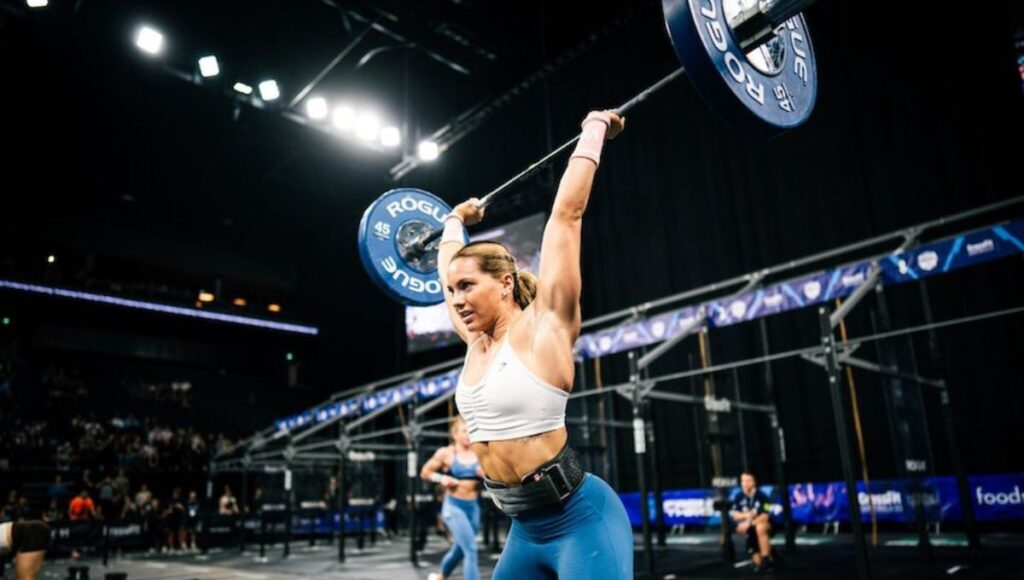
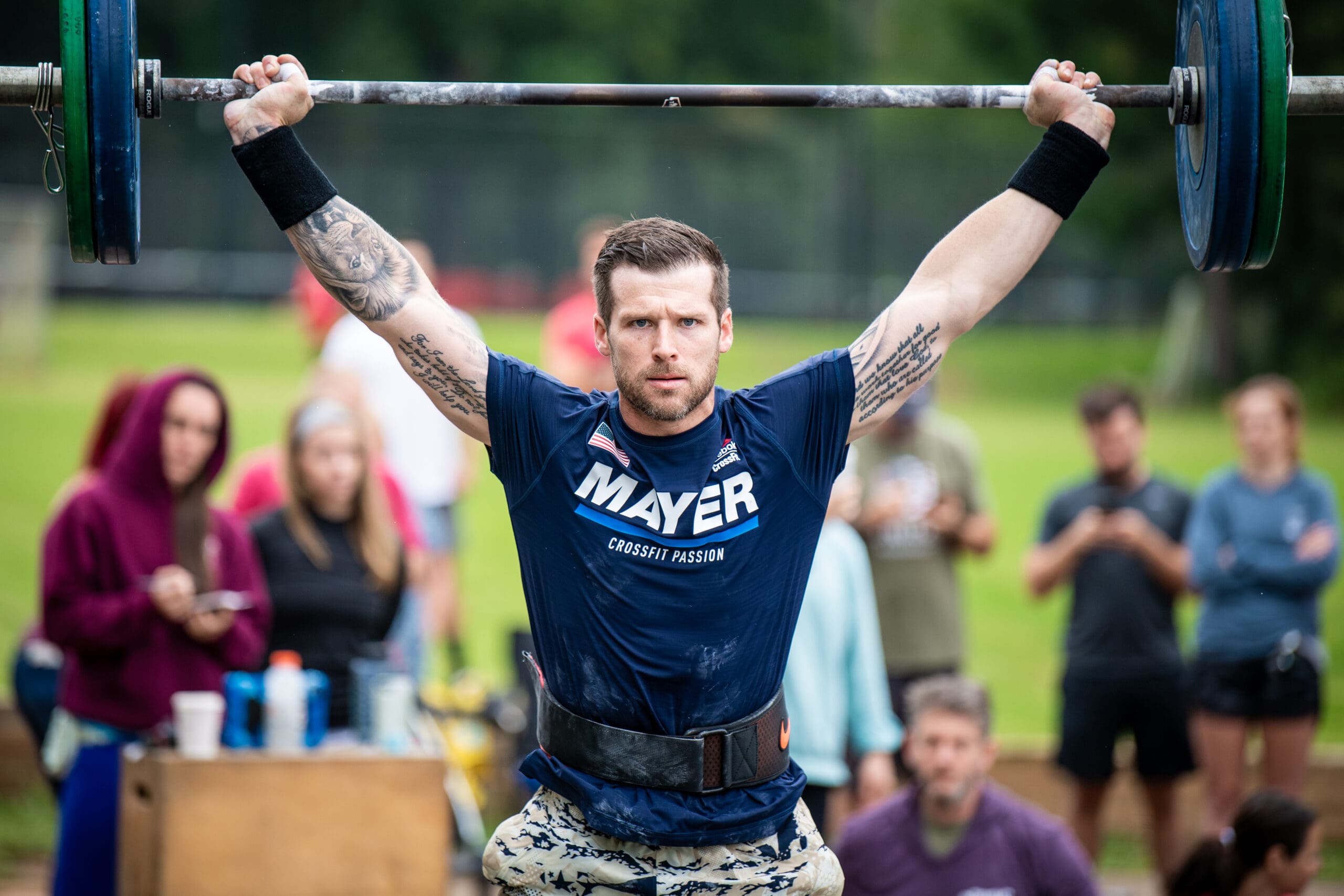
The muscle snatch is a variation of the Olympic snatch where the barbell is lifted from the floor to overhead in one continuous motion without rebending the knees to catch the bar in a squat.
Instead of dropping under the bar, the athlete pulls it all the way overhead using the upper body and shoulders.
Key Characteristics
- No squat under the bar
- Continuous pull from floor to overhead
- Greater reliance on upper body strength
- Emphasis on bar path and timing
This changes the demands of the lift significantly compared to a full snatch. It reduces the load that can be lifted, but increases the technical and muscular demands on specific areas.
Benefit 1: Improves Pulling Strength and Power Development
One of the most important benefits of the muscle snatch is its ability to develop pulling strength and explosive power.
Why Pulling Strength Matters
In Olympic lifting, the pull phase determines the success of the lift. The athlete must generate enough force to accelerate the barbell vertically before transitioning under it.
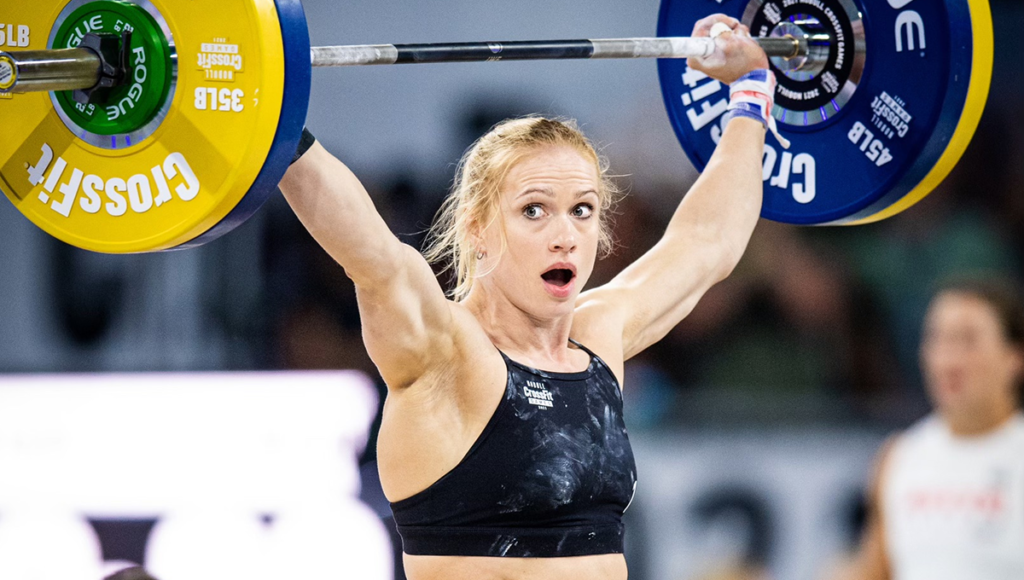
Research shows that peak power output during Olympic lifts occurs during the second pull phase, which involves rapid extension of the hips, knees, and ankles. This movement pattern is often referred to as triple extension and is critical for athletic performance.
The muscle snatch reinforces this phase because the athlete cannot rely on dropping under the bar. Instead, they must elevate the bar higher using force and speed.
Scientific Evidence on Power Development
Olympic lifts and their variations have been shown to improve power output and rate of force development. Studies comparing weightlifting movements to traditional resistance exercises consistently show superior improvements in explosive performance.
The muscle snatch specifically increases the demand for vertical bar velocity. Since the lifter must pull the bar higher than in a full snatch, this encourages greater force production.
Research has demonstrated that exercises requiring high velocity and force output improve neuromuscular efficiency. This leads to better coordination between motor units and faster muscle activation.
Transfer to Athletic Performance
The ability to produce force quickly is essential in sports such as sprinting, jumping, and change of direction tasks.
The muscle snatch mimics many of these demands:
- Rapid hip extension
- High force production
- Coordinated full body movement
Athletes who train explosive lifts often show improvements in vertical jump height and sprint performance. By emphasizing a stronger and higher pull, the muscle snatch enhances these qualities even further.
Practical Takeaway
If your goal is to become more explosive, the muscle snatch is a valuable addition to your program. It teaches you to generate force quickly and efficiently without relying on a deep catch position.
Benefit 2: Enhances Shoulder Strength and Stability
The muscle snatch places a unique demand on the shoulders that is not present in the full snatch.
Increased Upper Body Contribution
In a traditional snatch, the athlete drops under the bar and locks out the arms as the bar reaches its peak height. This reduces the need for active pressing strength. In contrast, the muscle snatch requires the athlete to continue pulling and actively press the bar overhead.
This increases the involvement of:
- Deltoids
- Trapezius
- Rotator cuff muscles
- Upper back stabilizers
Shoulder Stability and Injury Prevention
Strong and stable shoulders are essential for both performance and injury prevention. Research shows that resistance training improves joint stability by strengthening the surrounding musculature and improving neuromuscular control.
The overhead position in the muscle snatch challenges the shoulder in a dynamic way. The athlete must stabilize the bar while transitioning from a pull to a locked out position.
This improves proprioception, which is the body’s ability to sense joint position and movement. Better proprioception has been linked to reduced injury risk, especially in the shoulder joint.
Scientific Insights on Overhead Training
Overhead lifting has been shown to activate a wide range of shoulder stabilizers. Studies using electromyography have demonstrated high levels of muscle activation in the rotator cuff and scapular stabilizers during overhead movements.
This type of activation is critical for maintaining shoulder health, especially in athletes who perform repetitive upper body movements. Additionally, strengthening the upper back and shoulders helps improve posture and reduces the risk of imbalances.
Functional Strength Benefits
The muscle snatch develops strength in a way that is directly transferable to real world movements. Unlike isolated exercises, it requires coordination between multiple muscle groups while stabilizing a load overhead. This type of integrated strength is more applicable to sports and daily activities.
Practical Takeaway
If you want stronger and more resilient shoulders, the muscle snatch is an excellent tool. It builds both strength and stability while reinforcing proper overhead mechanics.
Benefit 3: Refines Technique and Bar Path Efficiency
Technique is one of the most important factors in Olympic lifting. The muscle snatch is highly effective for improving movement quality and bar path control.
Importance of Bar Path
An efficient bar path is essential for successful lifting. The bar should travel as close to the body as possible in a vertical line.
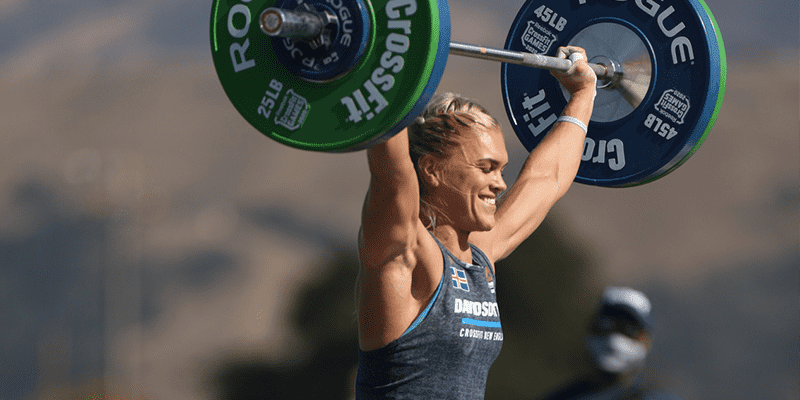
Deviations from this path increase the difficulty of the lift and reduce efficiency. The muscle snatch exaggerates any technical errors. Since the athlete cannot compensate by dropping under the bar, mistakes become immediately noticeable.
Motor Learning and Skill Development
Learning complex movements requires repetition and feedback. The muscle snatch provides both.
By slowing down the movement and removing the catch phase, the athlete can focus on:
- Proper positioning
- Timing of the pull
- Smooth transition to overhead
Research on motor learning shows that breaking down complex movements into simpler components improves skill acquisition. The muscle snatch acts as a teaching tool that reinforces correct mechanics.
Improved Coordination
Olympic lifts require precise coordination between different parts of the body. The muscle snatch enhances this by demanding a continuous and fluid motion.
The athlete must synchronize:
- Lower body extension
- Upper body pull
- Overhead lockout
This improves overall movement efficiency and reduces wasted energy.
Feedback and Error Correction
Because the muscle snatch is less forgiving than the full snatch, it provides immediate feedback.
For example:
- If the bar drifts forward, it becomes difficult to control
- If the pull is weak, the bar will not reach overhead
- If timing is off, the lift will fail
This makes it an excellent diagnostic tool for identifying weaknesses.
Scientific Perspective on Technique Training
Skill based training has been shown to improve movement efficiency and reduce injury risk. Efficient movement patterns place less stress on joints and tissues. By reinforcing proper mechanics, the muscle snatch helps athletes move more effectively and safely.
Practical Takeaway
If you want to improve your snatch technique, the muscle snatch is one of the best drills you can use. It teaches precision, timing, and control.
How to Perform the Barbell Muscle Snatch
Understanding the benefits is only part of the equation. Proper execution is essential to get the most out of the movement.
Step by Step Guide
- Start with the barbell on the floor
- Take a wide snatch grip
- Set your back and engage your core
- Push through the floor and extend your hips
- Keep the bar close to your body
- Continue pulling the bar upward
- Transition into an overhead position without dropping under
- Lock out your arms and stabilize
Common Mistakes
- Pulling the bar away from the body
- Bending the arms too early
- Failing to fully extend the hips
- Pressing the bar instead of pulling it
Programming Tips
- Use lighter weights than your full snatch
- Focus on speed and technique
- Perform multiple sets of low repetitions
- Include it in warm ups or technique sessions
Who Should Use the Muscle Snatch?
The muscle snatch is versatile and can benefit a wide range of individuals.
Beginners
It helps new lifters learn the basics of the snatch without the complexity of the catch phase.
Intermediate Lifters
It reinforces proper technique and builds strength in weak areas.
Advanced Athletes
It serves as a refinement tool and helps maintain technical consistency.
General Fitness Enthusiasts
It provides a full body workout that improves strength, coordination, and mobility.
Final Thoughts
The barbell muscle snatch is more than just a variation of the snatch. It is a powerful tool for building strength, improving technique, and enhancing athletic performance.
By focusing on pulling strength, shoulder stability, and movement efficiency, it addresses key aspects of performance that are often overlooked.
Whether you are a beginner or an experienced lifter, incorporating the muscle snatch into your training can help you move better, lift stronger, and perform at a higher level.
References
- Comfort, P., Fletcher, C. and McMahon, J.J. (2012). Determination of optimal loading during the power clean, in collegiate athletes. Journal of Strength and Conditioning Research, 26(11), pp.2970 to 2974.
- Cormie, P., McGuigan, M.R. and Newton, R.U. (2011). Developing maximal neuromuscular power. Sports Medicine, 41(1), pp.17 to 38.
- Garhammer, J. (1993). A review of power output studies of Olympic and powerlifting. Journal of Strength and Conditioning Research, 7(2), pp.76 to 89.
- Haff, G.G. and Nimphius, S. (2012). Training principles for power. Strength and Conditioning Journal, 34(6), pp.2 to 12.
- Lake, J.P., Mundy, P.D. and Comfort, P. (2014). Power and impulse applied during push press exercise. Journal of Strength and Conditioning Research, 28(9), pp.2552 to 2559.
- Myer, G.D., Ford, K.R., Brent, J.L. and Hewett, T.E. (2006). The effects of plyometric versus dynamic stabilization and balance training on lower extremity biomechanics. American Journal of Sports Medicine, 34(3), pp.445 to 455.
- Saeterbakken, A.H. and Fimland, M.S. (2013). Muscle activity of the core during bilateral, unilateral, seated and standing resistance exercise. European Journal of Applied Physiology, 113(7), pp.1671 to 1678.
- Schoenfeld, B.J. (2010). The mechanisms of muscle hypertrophy and their application to resistance training. Journal of Strength and Conditioning Research, 24(10), pp.2857 to 2872.
- Suchomel, T.J., Comfort, P. and Lake, J.P. (2017). Enhancing the force velocity profile of athletes using weightlifting derivatives. Strength and Conditioning Journal, 39(1), pp.10 to 20.
- Behm, D.G. and Colado, J.C. (2012). The effectiveness of resistance training using unstable surfaces and devices for rehabilitation. International Journal of Sports Physical Therapy, 7(2), pp.226 to 241.