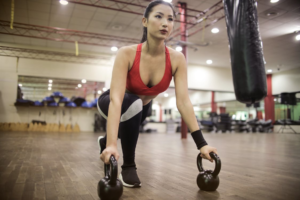


Strong legs are not just about aesthetics. They are the engine of human movement. Whether you are sprinting, jumping, climbing stairs, carrying groceries, or chasing your kids around the park, your lower body does most of the work. In functional fitness, leg strength is not isolated from real life. It is trained in ways that improve performance, resilience, and long-term health.
Research consistently shows that lower-body strength is associated with improved athletic performance, reduced injury risk, better metabolic health, and even lower all-cause mortality. Stronger legs help you run faster, jump higher, lift heavier, and move more efficiently. They also support joint health and bone density as you age.
In this article, you will find three fun and challenging functional fitness workouts designed to build stronger legs. Each workout is grounded in exercise science. You will also learn why the exercises work, how to scale them, and what makes them effective based on current research.
Why Strong Legs Matter
Lower-Body Strength and Athletic Performance
Lower-body strength is strongly correlated with sprint speed, jump performance, and change-of-direction ability. Studies have shown that maximal squat strength is associated with sprint and vertical jump performance in athletes. Resistance training targeting the lower body significantly improves strength, power, and sprint performance across trained and untrained populations.
Explosive training, such as plyometrics, has also been shown to improve jump height and sprint speed by enhancing neuromuscular coordination and rate of force development.
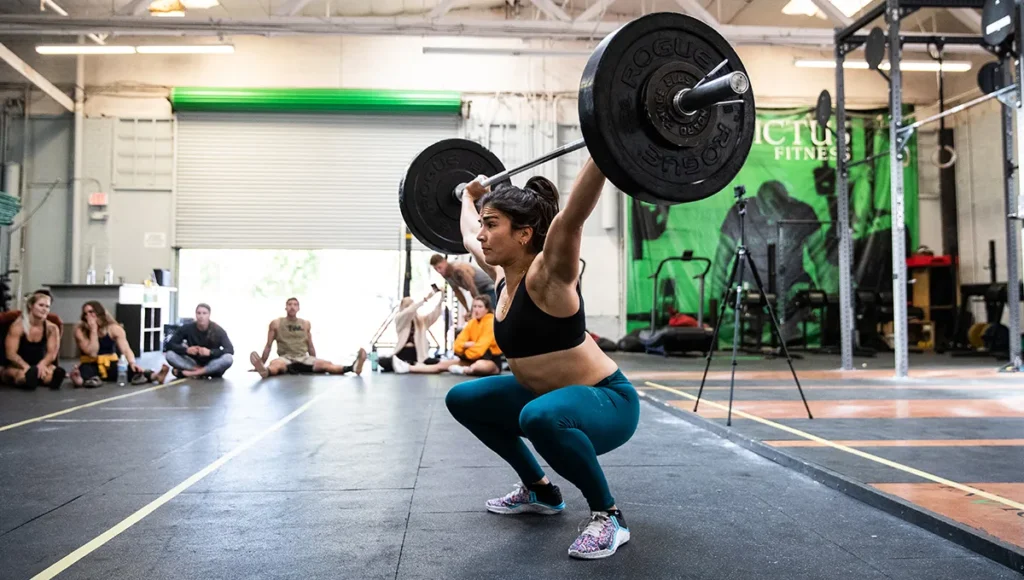
In short: if you want to move better, you need stronger legs.
Muscle Mass, Metabolism, and Longevity
Your legs contain some of the largest muscle groups in your body: quadriceps, hamstrings, glutes, and calves. Increasing muscle mass in these areas improves insulin sensitivity and glucose uptake, helping regulate blood sugar levels. Resistance training has been shown to significantly improve glycemic control and insulin sensitivity in adults.
Greater muscular strength is also associated with lower risk of cardiovascular disease and all-cause mortality. Research indicates that higher levels of muscular strength are linked to reduced risk of premature death, independent of aerobic fitness.
Strong legs are not just about performance. They are about long-term health.
Bone Density and Joint Health
Weight-bearing and resistance exercise stimulate bone formation and help maintain bone mineral density. This is particularly important for preventing osteoporosis and fractures later in life. Multi-joint lower-body movements like squats and lunges create mechanical loading that signals bones to adapt and strengthen.
Additionally, strengthening the muscles around the knee and hip improves joint stability and can reduce the risk of injury, especially in physically active populations.
Now that we understand the “why,” let’s move into the fun part: the workouts.
Workout 1: The Power Builder Circuit
This workout combines heavy strength work with explosive movements. The goal is to build maximal force and convert it into power. This pairing is often referred to as contrast or complex training, and research suggests it can enhance power output by taking advantage of post-activation performance enhancement.
Structure
Perform 4 to 5 rounds:
- Back Squats – 5 reps (heavy, around 80–85% of 1RM)
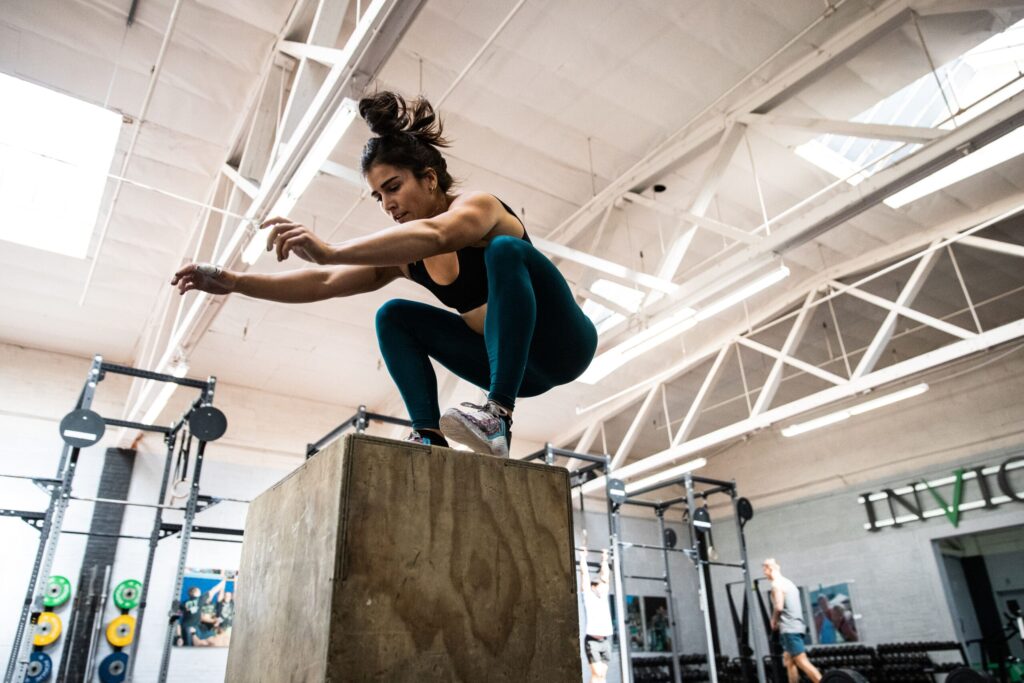
- Box Jumps – 5 reps
- Rest 2 to 3 minutes
Then finish with:
- Walking Lunges – 3 sets of 20 steps
- Sled Push or Heavy Carry – 3 x 20–30 meters
Why It Works
Heavy Squats for Maximal Strength
The back squat is one of the most effective exercises for building lower-body strength. Multi-joint movements recruit more muscle mass and allow for greater loading compared to single-joint exercises. Research shows that heavy resistance training increases muscle cross-sectional area and maximal strength through neural adaptations and hypertrophy.

Training at intensities above 80% of 1RM is particularly effective for improving maximal strength.
Box Jumps for Explosive Power
Plyometric exercises like box jumps improve rate of force development and neuromuscular coordination. Systematic reviews have shown that plyometric training significantly enhances vertical jump height and sprint performance in athletes.
When paired with heavy squats, box jumps can benefit from temporary increases in motor unit recruitment and force output due to post-activation effects.
Walking Lunges for Functional Hypertrophy
Lunges challenge balance, unilateral strength, and hip stability. Unilateral exercises are especially useful for addressing strength imbalances between legs. Research suggests that unilateral training can improve bilateral strength and athletic performance, while also enhancing joint stability.
Sled Pushes and Carries for Work Capacity
Sled pushing is a concentric-dominant movement that places high demand on the quadriceps and glutes while minimizing eccentric muscle damage. This allows athletes to train hard without excessive soreness. Loaded carries improve total-body stability and force transmission through the hips and core.
How to Scale
- Beginner: Replace back squats with goblet squats and reduce load.
- Intermediate: Use moderate loads and lower box heights.
- Advanced: Increase squat intensity or add accommodating resistance like bands.
This workout is ideal once or twice per week, with at least 48 hours before repeating heavy lower-body work.
Workout 2: The Athletic Engine Builder
This workout is designed to improve muscular endurance, anaerobic capacity, and movement quality under fatigue. It blends strength, jumping, and cyclical work in a high-intensity format.
High-intensity interval training (HIIT) has been shown to significantly improve cardiovascular fitness and metabolic health in less time compared to traditional steady-state training.
Structure
Complete 5 rounds for time:
- 15 Wall Balls
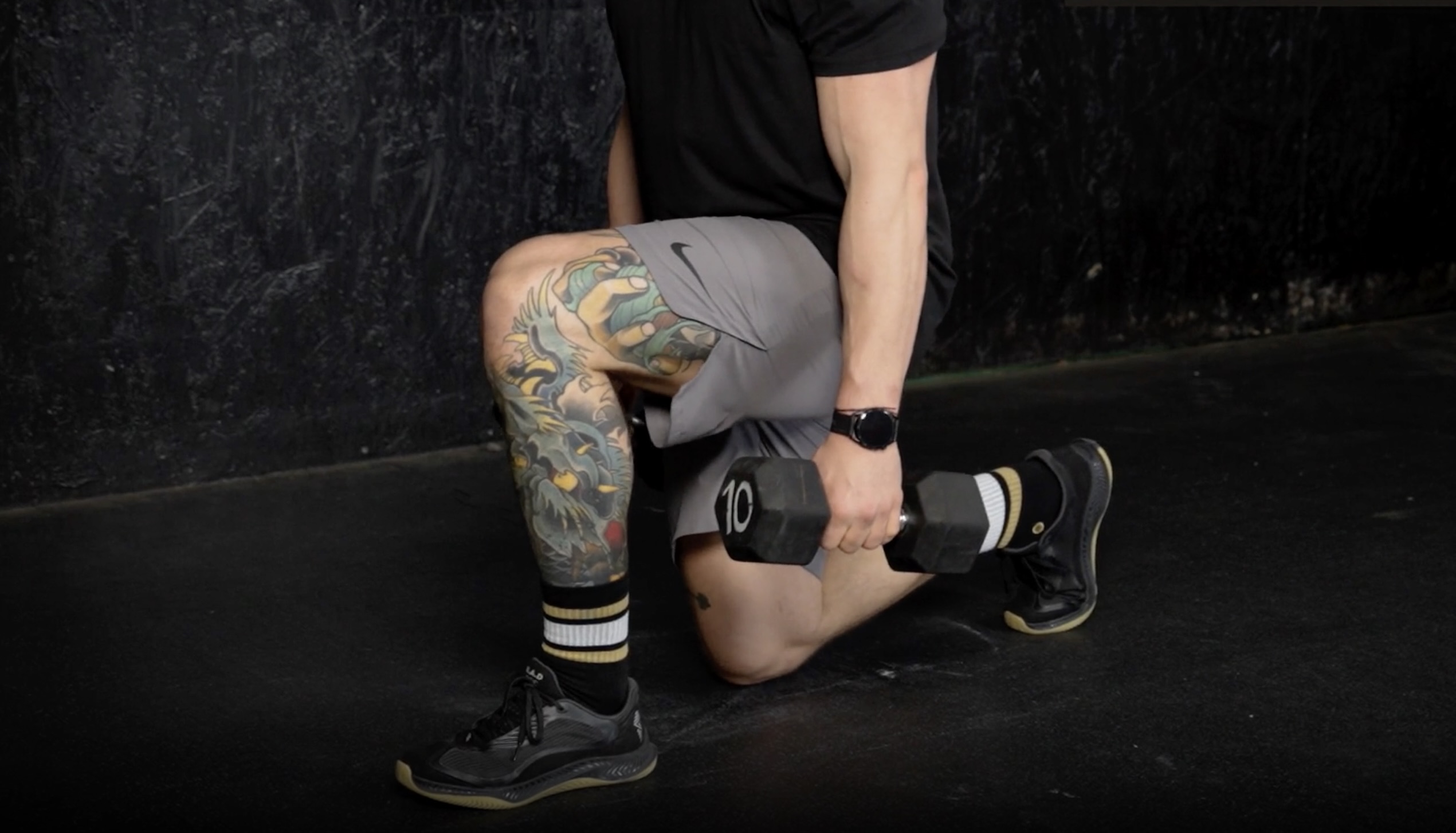
- 12 Alternating Reverse Lunges (with dumbbells or barbell)
- 10 Broad Jumps
- 200-meter Run
Rest 1 to 2 minutes between rounds if needed.
Why It Works
Wall Balls for Power Endurance
Wall balls combine a squat and an overhead throw, integrating lower-body force production with upper-body coordination. Ballistic movements like this improve power output and metabolic conditioning. Medicine ball training has been shown to improve muscular power and athletic performance.
Reverse Lunges for Knee-Friendly Strength
Reverse lunges place less anterior shear force on the knee compared to forward lunges, making them a joint-friendly option. Strengthening the quadriceps and glutes improves knee stability and reduces injury risk, particularly in active individuals.
Broad Jumps for Horizontal Power
Most gym-goers focus on vertical power. Broad jumps train horizontal force production, which is critical for sprint acceleration. Research shows that horizontal plyometrics improve sprint performance and lower-body power.
Running for Conditioning
Short, repeated sprints improve anaerobic capacity and cardiovascular fitness. High-intensity interval formats have been shown to improve VO2 max, insulin sensitivity, and mitochondrial density.
Programming Notes
- Aim for consistent pacing across rounds.
- Focus on crisp, explosive jumps rather than speed alone.
- Maintain neutral spine and strong knee tracking during lunges.
This workout is fun, competitive, and metabolically demanding. It is perfect for athletes who want stronger legs without sacrificing conditioning.
Workout 3: The Stability and Strength Grinder
Strong legs are not just powerful. They are stable. This workout focuses on unilateral control, tempo training, and isometric strength.
Eccentric and isometric training methods have been shown to increase tendon stiffness, improve strength, and enhance joint stability.
Structure
Perform 3 to 4 rounds:
- Tempo Bulgarian Split Squats – 8 reps per leg (3-second lower, 1-second pause)
- Romanian Deadlifts – 10 reps
- Lateral Lunges – 10 reps per side
- Single-Leg Calf Raises – 15 reps per side
- 30-second Wall Sit
Rest 90 to 120 seconds between rounds.
Why It Works
Bulgarian Split Squats for Unilateral Strength
The Bulgarian split squat increases activation of the gluteus maximus and quadriceps while challenging balance and hip stability. Unilateral training improves intermuscular coordination and can correct side-to-side asymmetries.
Tempo training increases time under tension, which contributes to hypertrophy and strength gains.
Romanian Deadlifts for Posterior Chain Strength
Strong hamstrings and glutes are critical for sprinting, jumping, and injury prevention. Eccentric hamstring strength has been shown to reduce the risk of hamstring strains. Romanian deadlifts emphasize hip hinge mechanics and posterior chain activation.
Lateral Lunges for Frontal Plane Strength
Most gym training occurs in the sagittal plane. However, athletic movements often require lateral force production. Lateral lunges strengthen the adductors and glute medius, both important for knee stability and change-of-direction ability.
Isometrics for Tendon and Joint Health
Isometric holds like wall sits increase muscular endurance and tendon stiffness. Research indicates that isometric training can improve strength at specific joint angles and may reduce tendon pain in some populations.
Calf Training for Performance
The calves play a key role in running and jumping. Strong plantar flexors improve sprint mechanics and reactive strength. Studies show that ankle plantar flexor strength correlates with sprint and jump performance.
How to Progress
- Increase load gradually while maintaining control.
- Extend eccentric phases to 4 or 5 seconds.
- Add instability only after mastering basic mechanics.
This workout builds durable, resilient legs that can handle high training volumes.
How to Program These Workouts
For most athletes, 2 to 3 lower-body sessions per week is sufficient for strength and hypertrophy gains. Research suggests that training each muscle group at least twice per week may be superior for maximizing hypertrophy compared to once weekly sessions.
A sample week might look like this:
- Monday: Power Builder Circuit
- Wednesday: Athletic Engine Builder
- Friday: Stability and Strength Grinder
Ensure at least 48 hours between intense lower-body sessions. Sleep, nutrition, and adequate protein intake are essential for recovery and adaptation. Protein intakes of around 1.6 grams per kilogram of body weight per day have been shown to maximize muscle growth in resistance-trained individuals.
Final Thoughts
Stronger legs make you faster, more powerful, and more resilient. They improve metabolic health, protect your joints, and support long-term independence.
The three workouts in this article are not random collections of exercises. They are grounded in evidence:
- Heavy compound lifts build maximal strength.
- Plyometrics enhance explosive power.
- Unilateral and tempo work improve stability and muscle development.
- High-intensity intervals boost conditioning and metabolic health.
The key is consistency and progressive overload. Add weight when you can. Move with intent. Prioritize good mechanics. Track your performance.
Strong legs are built one quality rep at a time.
References
- Borde, R., Hortobágyi, T. and Granacher, U. (2015) ‘Dose–response relationships of resistance training in healthy old adults: A systematic review and meta-analysis’, Sports Medicine, 45(12), pp. 1693–1720.
- Cormie, P., McGuigan, M.R. and Newton, R.U. (2011) ‘Developing maximal neuromuscular power: Part 2 – Training considerations for improving maximal power production’, Sports Medicine, 41(2), pp. 125–146.
- García-Hermoso, A., Ramírez-Vélez, R. and Izquierdo, M. (2019) ‘Is muscular fitness associated with future health benefits in children and adolescents?’, Journal of Strength and Conditioning Research, 33(11), pp. 3173–3181.
- Grgic, J., Schoenfeld, B.J., Davies, T.B., Lazinica, B., Krieger, J.W. and Pedisic, Z. (2018) ‘Effect of resistance training frequency on gains in muscular strength: A systematic review and meta-analysis’, Sports Medicine, 48(5), pp. 1207–1220.