Hunger between meals is one of the biggest challenges when trying to eat well. It can derail energy levels, concentration, training quality, and long-term health goals. Snacking itself is not the problem.
The problem is choosing snacks that spike blood sugar, digest too quickly, and leave you feeling hungrier than before.
Research in nutrition science is very clear on one thing: not all calories affect hunger and fullness in the same way. Protein, fiber, fat, food volume, and even texture all influence how full you feel after eating. Hormones such as ghrelin, peptide YY (PYY), glucagon-like peptide-1 (GLP-1), and insulin play a central role in appetite regulation, and different foods trigger these hormones in different ways.
This article breaks down the science of satiety in simple terms and then applies it to three practical, nutrient-dense snack ideas. These snacks are easy to prepare, widely available, and backed by strong evidence showing they can help you stay full for longer. No gimmicks, no trends, and no unnecessary complexity.
Understanding What Actually Keeps You Full
Before looking at specific snack ideas, it helps to understand why some foods satisfy hunger better than others.
Protein and Satiety Hormones
Protein is consistently shown to be the most satiating macronutrient. Compared with carbohydrates and fats, protein has a stronger effect on suppressing hunger and reducing subsequent calorie intake.
When you eat protein, your body increases the release of satiety hormones such as PYY and GLP-1 while reducing levels of ghrelin, the hormone that stimulates hunger. These hormonal changes slow gastric emptying and signal the brain that you have eaten enough.
Multiple randomized controlled trials show that higher-protein snacks reduce hunger and delay the desire to eat again compared with lower-protein snacks of equal calorie content.
Fiber, Digestion, and Gut Signaling
Dietary fiber adds bulk to food without adding digestible calories. Soluble fiber, in particular, forms a gel-like substance in the gut that slows digestion and nutrient absorption. This prolongs feelings of fullness and stabilizes blood sugar levels.
Fiber is also fermented by gut bacteria in the colon, producing short-chain fatty acids. These compounds stimulate the release of appetite-regulating hormones and may improve insulin sensitivity.
Studies consistently show that higher fiber intake is associated with reduced hunger, lower body weight, and improved metabolic health.
Healthy Fats and Gastric Emptying
Fat is energy-dense, but it plays an important role in satiety when consumed in appropriate amounts. Fat slows gastric emptying, meaning food stays in the stomach longer. This mechanical distension contributes to fullness and enhances satiety hormone release.

However, fat alone is not particularly satiating. Its appetite-regulating effects are strongest when combined with protein and fiber.
Food Volume and Texture
Foods with high water content and whole-food structure tend to be more filling than processed foods. Chewing, thickness, and texture all influence satiety signals.
For example, solid foods are more filling than liquids, and minimally processed foods require more chewing, which enhances fullness signals sent to the brain.
With this foundation in mind, let’s look at three snack ideas that combine these principles in a practical way.
Snack Idea 1: Greek Yogurt with Berries and Chia Seeds
This snack is a powerful combination of high-quality protein, fiber, healthy fats, and volume. It is easy to prepare, highly customizable, and supported by a strong body of research.
Why Greek Yogurt Is So Filling
Greek yogurt is strained to remove much of the whey, resulting in a thicker texture and higher protein concentration than regular yogurt. A single serving typically provides 15–20 grams of protein, depending on the brand.
Research shows that dairy-based proteins, particularly those rich in casein and whey, are highly effective at promoting satiety. Casein digests slowly, providing a sustained release of amino acids, while whey triggers rapid satiety hormone release.
In controlled trials, yogurt-based snacks have been shown to reduce hunger and delay the next meal more effectively than carbohydrate-rich snacks such as crackers or cereal bars.
The Role of Berries in Appetite Control
Berries add natural sweetness, volume, and fiber without a large calorie load. They are rich in soluble fiber and polyphenols, compounds that may improve gut health and insulin sensitivity.
Fiber from berries slows digestion and helps prevent rapid spikes and crashes in blood sugar, which are strongly linked to rebound hunger.
Studies have shown that diets rich in fruits high in fiber and water content are associated with increased satiety and reduced overall calorie intake.
Why Chia Seeds Make a Difference
Chia seeds are exceptionally rich in soluble fiber. When mixed with liquid, they absorb water and expand, forming a gel-like consistency. This increases stomach distension and slows gastric emptying.
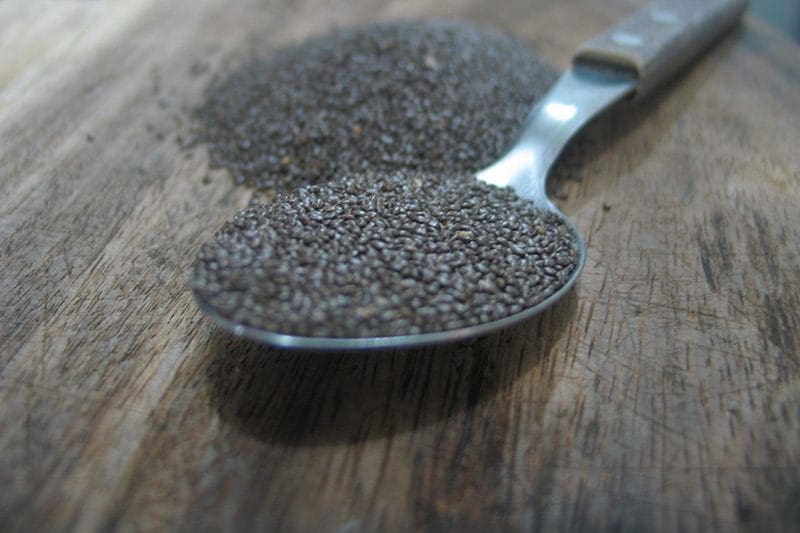
Chia seeds also provide omega-3 fatty acids and a small amount of protein, both of which contribute to satiety.
Clinical studies have shown that chia consumption can increase fullness and reduce appetite when consumed as part of a meal or snack, especially when combined with protein.
How This Snack Affects Hunger Hormones
The combination of protein from Greek yogurt, soluble fiber from berries and chia seeds, and fat from chia seeds creates a powerful hormonal response. Research suggests this mix enhances PYY and GLP-1 release while suppressing ghrelin more effectively than single-macronutrient snacks.
This means you feel satisfied sooner and stay full longer.
Practical Portion Guidance
A balanced serving might include:
– One cup of plain Greek yogurt
– Half to one cup of mixed berries
– One tablespoon of chia seeds
This provides a strong protein dose, significant fiber, and moderate fat without excessive calories.
Snack Idea 2: Apple Slices with Natural Peanut Butter
This snack pairs a high-fiber fruit with a fat- and protein-rich spread, creating a slow-digesting and highly satisfying combination.
Apples and the Power of Fiber and Water
Apples are rich in both soluble fiber and water, making them one of the most filling fruits per calorie. Pectin, the main fiber in apples, slows digestion and promotes satiety.
Whole apples require significant chewing, which enhances fullness signals through both mechanical and neurological pathways.

Research consistently shows that whole fruits are more filling than fruit juices or purees, even when calorie content is similar.
Peanut Butter and Satiety Signaling
Natural peanut butter contains a combination of unsaturated fats, plant-based protein, and small amounts of fiber. Fat slows gastric emptying, while protein stimulates satiety hormones.
Studies show that nuts and nut butters increase fullness and reduce hunger without promoting weight gain when consumed in appropriate portions. This is partly because nuts are inefficiently digested, meaning not all calories are absorbed.
Peanuts also stimulate cholecystokinin (CCK), a hormone involved in appetite suppression and digestive regulation.
Blood Sugar Stability and Hunger Control
When apples are eaten alone, their carbohydrates digest relatively quickly. Pairing them with peanut butter slows carbohydrate absorption and reduces the blood sugar response.
Stable blood sugar levels are strongly associated with reduced hunger and fewer cravings later in the day.
Clinical trials have shown that adding fat or protein to carbohydrate-rich foods improves satiety and reduces subsequent food intake.
Texture, Chewing, and Satisfaction
This snack requires chewing and has contrasting textures, both of which enhance sensory satisfaction. Research in eating behavior shows that foods requiring more oral processing increase satiety compared with softer or liquid foods.
This sensory component is often overlooked but plays an important role in appetite regulation.
Practical Portion Guidance
A balanced serving might include:
– One medium apple, sliced
– One to two tablespoons of natural peanut butter
Choosing peanut butter without added sugar or hydrogenated oils is important for maximizing satiety and metabolic benefits.
Snack Idea 3: Cottage Cheese with Vegetables and Olive Oil
This savory snack is often underestimated, but it is one of the most effective options for long-lasting fullness.
Cottage Cheese and Slow-Digesting Protein
Cottage cheese is rich in casein protein, which digests slowly and provides prolonged satiety. Casein has been shown to suppress hunger more effectively over several hours compared with faster-digesting proteins.
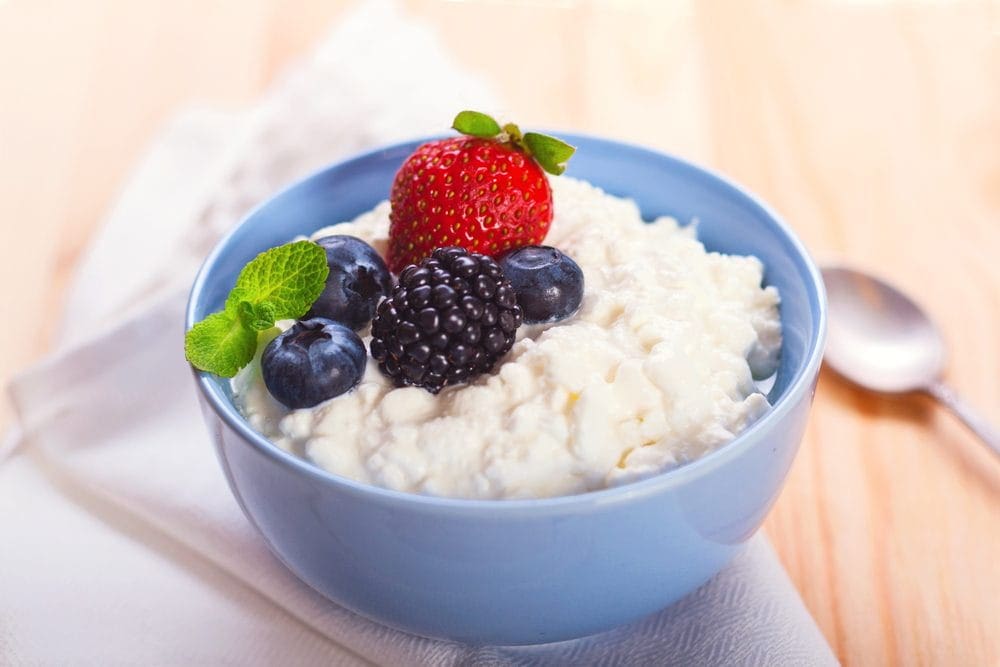
Studies comparing protein sources consistently find that dairy proteins rank highly for appetite control.
Cottage cheese is also relatively low in calories while being nutrient-dense, making it ideal for snacking.
Vegetables and Volume-Based Satiety
Non-starchy vegetables such as cucumber, cherry tomatoes, bell peppers, or carrots add volume, fiber, and crunch with minimal calories.
High-volume, low-energy-density foods increase stomach distension and trigger stretch receptors that signal fullness to the brain.
Research shows that meals and snacks high in vegetables increase satiety and reduce total calorie intake over the day.
Olive Oil and Appetite Regulation
Adding a small amount of extra virgin olive oil introduces monounsaturated fats and bioactive compounds that enhance satiety.
Fat delays gastric emptying and enhances the release of satiety hormones. Olive oil, in particular, has been linked to improved appetite control and metabolic health in multiple studies.
The combination of fat with protein and fiber amplifies fullness signals more than any of these components alone.
The Savory Advantage
Savory snacks are often more satisfying than sweet snacks for some individuals, especially later in the day. Research suggests that savory flavors may reduce the desire to continue eating compared with sweet flavors, which can stimulate reward-driven intake.
This makes cottage cheese with vegetables an excellent option for afternoon or evening snacking.
Practical Portion Guidance
A balanced serving might include:
– One cup of cottage cheese
– One to two cups of mixed vegetables
– One teaspoon to one tablespoon of olive oil
Seasoning with herbs, pepper, or spices can improve palatability without affecting satiety.
Why These Snacks Work Better Than Typical “Healthy” Snacks
Many snacks marketed as healthy fail to control hunger because they lack sufficient protein, fiber, or fat. Rice cakes, granola bars, smoothies, and fruit juices often digest quickly and provide little lasting satiety.
In contrast, the snacks in this article share several key characteristics supported by research:
– High protein content
– Significant fiber
– Moderate healthy fat
– Whole-food structure
– Minimal processing
These factors work together to regulate appetite hormones, slow digestion, stabilize blood sugar, and increase satisfaction.
How to Use These Snacks Strategically
Timing and context matter. Snacks are most useful when they prevent excessive hunger that leads to overeating later.
Research suggests that high-protein, high-fiber snacks are particularly effective when consumed in the mid-afternoon or post-training, times when hunger and energy dips are common.
Portion control still matters. Even satiating snacks can contribute excess calories if eaten mindlessly. Eating slowly and without distraction improves satiety and reduces the likelihood of overeating.
Common Questions About Snacking and Fullness

Do calories matter if a snack is filling?
Calories still matter, but filling foods make calorie control easier by reducing hunger and spontaneous overeating later. Studies show that people naturally eat fewer calories when meals and snacks are high in protein and fiber.
Are these snacks suitable for active individuals?
Yes. These snacks provide nutrients that support muscle recovery, energy levels, and metabolic health. Protein supports muscle protein synthesis, while fiber and healthy fats support gut and hormonal health.
Can these snacks help with weight management?
Research strongly suggests that diets emphasizing protein, fiber, and whole foods improve weight control outcomes. These snacks align well with those principles.