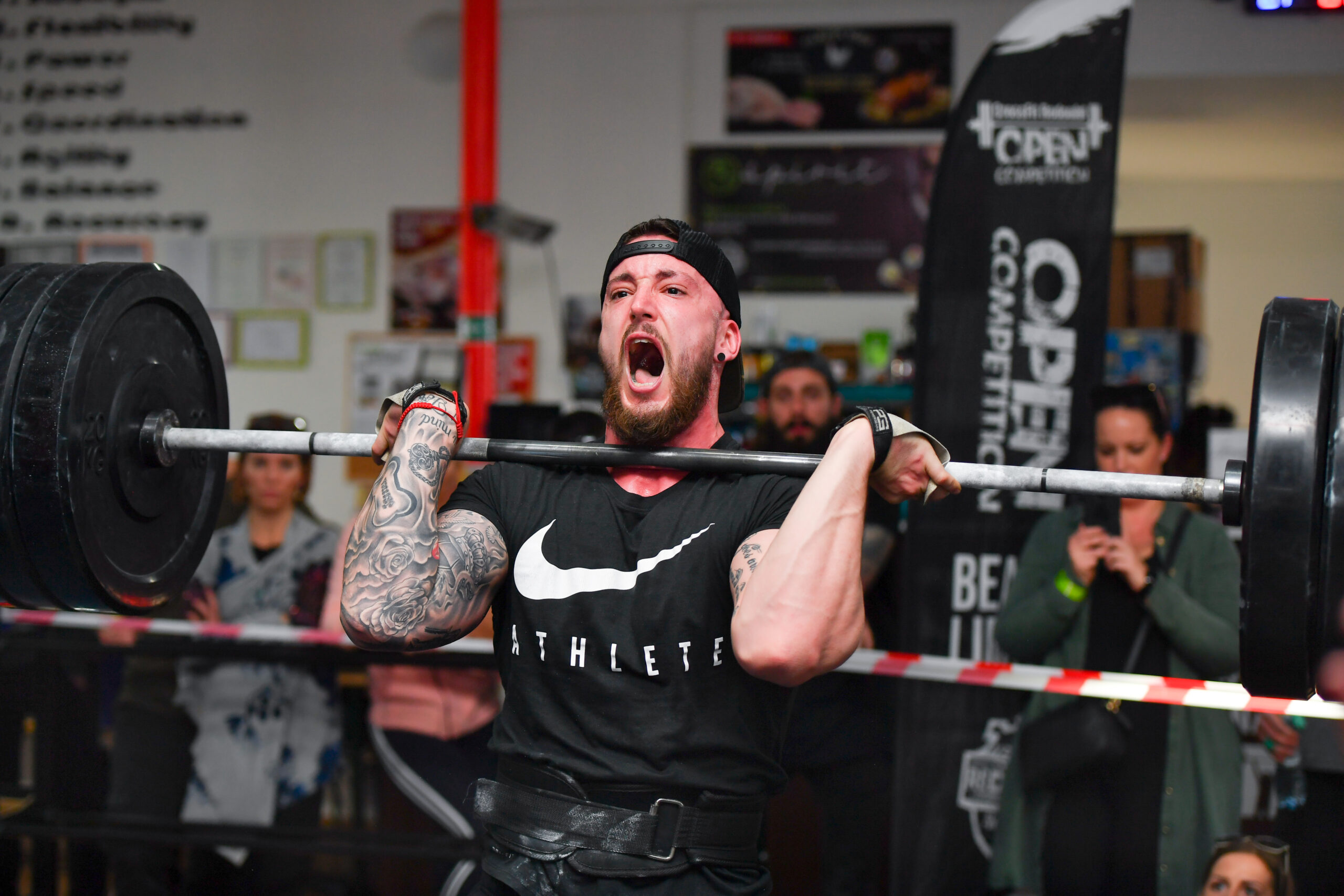


Hybrid training has become one of the most popular fitness trends in recent years. Athletes, functional fitness enthusiasts, and everyday gym-goers are combining strength training with cardiovascular conditioning in the same program. This approach is often called concurrent training because it blends resistance exercise with aerobic activity within a single training routine.
While hybrid training is often discussed in the context of performance and body composition, its impact on cardiovascular health is equally important. Heart disease remains the leading cause of death worldwide, and lifestyle factors such as physical activity play a major role in prevention. Exercise that challenges both the muscular and cardiovascular systems appears to provide powerful protection for the heart.
Scientific evidence increasingly shows that combining strength and endurance training can improve cardiovascular fitness, reduce risk factors for heart disease, and strengthen the physiological systems that support long-term heart health. Hybrid training works through several mechanisms. It improves the heart’s pumping capacity, enhances vascular function, and reduces metabolic risk factors such as obesity, high blood pressure, and poor blood sugar control.

This article explores three science backed reasons why hybrid training can strengthen your heart. By understanding how this training style works inside the body, you can better appreciate why combining lifting and conditioning is one of the most effective ways to build both fitness and long term cardiovascular health.
What Is Hybrid Training?
Hybrid training refers to a structured training approach that combines resistance training and cardiovascular exercise within the same program. The goal is to develop multiple physical capacities simultaneously, including strength, muscular endurance, aerobic capacity, and work capacity.
Examples of hybrid training include:
- Strength sessions followed by running or cycling intervals
- Circuit style workouts combining resistance movements and conditioning
- Functional fitness training that blends lifting with metabolic conditioning
- Weekly programs that include both endurance training and weightlifting
In exercise science, this style of programming is often described as concurrent training. Concurrent training has been studied for decades in sports science because athletes frequently need both strength and endurance.
Recent research shows that combining aerobic and resistance exercise can produce benefits for both systems without compromising cardiovascular adaptations. In fact, evidence suggests that the two forms of training may complement each other and produce broader improvements in health and performance.
Hybrid training is therefore not simply about doing more exercise. It is about creating a balanced stimulus that strengthens the heart, muscles, and metabolic systems simultaneously.
Why Heart Health Depends on Multiple Systems
The heart does not operate in isolation. Cardiovascular health depends on interactions between several physiological systems.
These include:
- The heart muscle itself
- Blood vessels and vascular function
- The lungs and oxygen delivery systems
- Skeletal muscle metabolism
- Hormonal and metabolic regulation
Traditional aerobic training improves many of these systems by increasing oxygen delivery and improving endurance capacity. Resistance training, on the other hand, improves muscular strength, insulin sensitivity, and body composition.
When these training styles are combined, the benefits accumulate. This is one of the main reasons hybrid training can have such a powerful impact on cardiovascular health.

Research comparing different exercise types has shown that individuals who meet both aerobic and strength training recommendations experience significantly lower cardiovascular disease mortality than those who perform only one type of exercise. Meeting both guidelines can reduce cardiovascular mortality risk by roughly half compared with inactivity.
In other words, combining training styles appears to provide additive protection for the heart.
Reason 1: Hybrid Training Improves Cardiorespiratory Fitness
One of the strongest predictors of heart health is cardiorespiratory fitness. This refers to the body’s ability to deliver oxygen to working muscles during exercise.
Cardiorespiratory fitness is commonly measured by maximal oxygen uptake, often called VO2 max. Higher VO2 max levels are associated with lower risk of cardiovascular disease, lower mortality, and improved long term health outcomes.
Strength and Cardio Together Improve Oxygen Delivery
Aerobic exercise such as running, cycling, or rowing improves the body’s ability to use oxygen efficiently. It increases stroke volume, which is the amount of blood the heart pumps with each beat. It also improves mitochondrial density in muscles, allowing them to produce energy more efficiently.
Strength training contributes in different ways. It increases muscle mass, improves capillary density, and enhances the muscles’ ability to extract oxygen from circulating blood.
When these forms of training are combined, improvements can occur across multiple physiological pathways.
Research involving combined aerobic and resistance training programs has shown significant improvements in cardiorespiratory fitness, muscular strength, and endurance simultaneously. In many cases, these improvements are similar to those seen with aerobic training alone, while also providing the added benefits of strength development.
Evidence From Clinical Research
A systematic review examining combined aerobic and resistance exercise in patients with coronary artery disease found that concurrent training increased cardiorespiratory fitness more than aerobic training alone in many cases. Improvements in peak oxygen consumption were particularly significant when strength training was added without reducing the volume of aerobic exercise.
These improvements matter because higher cardiorespiratory fitness levels are strongly associated with reduced cardiovascular mortality.
Other meta analyses have also found that concurrent training improves VO2 max and muscular strength at the same time. Importantly, cardiorespiratory capacity is not impaired by adding resistance training to endurance exercise.
What This Means for Your Heart
When cardiorespiratory fitness improves, the heart becomes stronger and more efficient.
The following adaptations occur:
- The heart pumps more blood per beat
- Resting heart rate decreases
- Blood vessels become more flexible
- Oxygen delivery to tissues improves
These changes reduce strain on the cardiovascular system during both exercise and everyday activities.
Hybrid training therefore strengthens the heart not only by increasing endurance capacity but also by improving the entire oxygen delivery system.
Reason 2: Hybrid Training Reduces Cardiovascular Disease Risk Factors
Heart disease develops over many years through the accumulation of risk factors such as high blood pressure, elevated cholesterol, excess body fat, and impaired glucose regulation.

Exercise is one of the most effective lifestyle tools for reducing these risk factors. Hybrid training appears to be particularly effective because it targets multiple metabolic pathways at once.
Combined Training Improves Multiple Health Markers
Aerobic exercise is well known for improving cardiovascular risk markers such as blood pressure, lipid levels, and insulin sensitivity. Resistance training also contributes to improvements in these markers by increasing muscle mass and improving glucose metabolism.
When these training methods are combined, they can produce broader metabolic benefits. In a large randomized clinical trial involving adults with overweight or obesity, participants were assigned to aerobic training, resistance training, combined training, or a non exercise control group. After one year, the groups performing aerobic exercise and combined training both showed improvements in key cardiovascular risk markers including blood pressure, body fat percentage, blood glucose, and cholesterol levels.
Interestingly, resistance training alone did not produce the same improvements in cardiovascular risk profile.
This suggests that aerobic exercise remains essential for cardiovascular health, but adding resistance training enhances overall metabolic outcomes.
Hybrid Training Helps Control Body Fat
Excess body fat is strongly linked to cardiovascular disease. Hybrid training can help reduce body fat through multiple mechanisms.
Aerobic exercise increases calorie expenditure during workouts and improves fat oxidation. Strength training increases lean muscle mass, which raises resting metabolic rate and improves long term energy balance.
Studies comparing aerobic, resistance, and combined training have shown that combined training programs can produce significant improvements in body composition. Participants often experience reductions in body fat alongside increases in muscle mass.
Improving body composition reduces the strain on the cardiovascular system and lowers the risk of metabolic diseases such as type 2 diabetes.
Improved Blood Sugar Regulation
Insulin resistance is another major contributor to cardiovascular disease. Poor blood sugar control increases inflammation and damages blood vessels over time.
Strength training improves insulin sensitivity by increasing muscle mass, which acts as a major storage site for glucose. Aerobic training improves glucose uptake by increasing mitochondrial activity and enhancing metabolic flexibility.
Hybrid training therefore addresses both sides of the glucose regulation equation. This combined effect can significantly reduce long term cardiovascular risk.
Reason 3: Hybrid Training Strengthens Blood Vessels and Circulation
The cardiovascular system is not only about the heart. Healthy blood vessels are essential for delivering oxygen and nutrients throughout the body. Hybrid training improves vascular health by stimulating adaptations in both large arteries and small capillaries.
Improved Endothelial Function
The endothelium is the inner lining of blood vessels. It plays a critical role in regulating blood flow, blood pressure, and inflammation.
Aerobic exercise improves endothelial function by increasing nitric oxide production. Nitric oxide helps blood vessels relax and expand, improving circulation and reducing blood pressure.

Strength training also contributes to vascular health. Resistance exercise increases shear stress on vessel walls and promotes structural adaptations in the vascular system. When both forms of training are combined, these effects reinforce each other. Improved endothelial function reduces the risk of atherosclerosis, which is the buildup of plaque inside arteries.
Increased Capillary Density
Hybrid training also increases capillary density in skeletal muscle.
Capillaries are the tiny blood vessels responsible for delivering oxygen and nutrients directly to muscle fibers. Increased capillary density improves oxygen delivery and reduces cardiovascular strain during exercise.
Aerobic exercise stimulates capillary growth through repeated increases in blood flow. Strength training enhances muscular adaptations that increase demand for oxygen and nutrients.
Together, these adaptations create a more efficient circulatory system.
Lower Blood Pressure
High blood pressure is one of the most common cardiovascular risk factors worldwide. Exercise is widely recommended as a first line treatment for hypertension.
Hybrid training may help reduce blood pressure through several mechanisms.
- Improved vascular flexibility
- Better metabolic health
- Reduced body fat
- Lower systemic inflammation
Clinical research has shown that combined exercise programs can reduce systolic and diastolic blood pressure while also improving other cardiovascular risk markers.
These improvements directly reduce the long term risk of heart disease and stroke.
Why Hybrid Training Is Efficient for Modern Lifestyles
One of the biggest barriers to regular exercise is lack of time. Many people believe they must choose between strength training and cardio because they cannot fit both into their schedules.
Hybrid training solves this problem by combining multiple forms of exercise into a single routine.
Research comparing different workout strategies has shown that hybrid exercise can be one of the most time efficient ways to reduce cardiovascular risk factors. By incorporating both resistance and aerobic elements in a single session, individuals can target multiple health outcomes simultaneously.
This efficiency makes hybrid training particularly appealing for busy professionals, parents, and athletes balancing multiple commitments.
Practical Ways to Incorporate Hybrid Training
Hybrid training does not require complicated programming. The goal is simply to include both resistance and aerobic exercise within your weekly routine.
Examples include:
- Strength training followed by short conditioning intervals
- Circuit workouts that combine lifting and cardiovascular exercises
- Alternating strength and cardio days within the same week
- Functional fitness training that integrates both elements
A balanced weekly program might include three strength sessions and two to three cardiovascular workouts.
Intensity and volume should be adjusted based on experience level and recovery capacity.
Who Benefits Most From Hybrid Training?
Hybrid training can benefit nearly everyone, from beginners to advanced athletes.
- Beginners gain broad improvements in overall fitness.
- Older adults improve muscle strength and cardiovascular health simultaneously.
- Athletes develop balanced physical capacities that support performance.
- Individuals with metabolic risk factors improve multiple health markers at once.
Hybrid training is also widely used in cardiac rehabilitation programs. Patients recovering from cardiovascular events often perform both aerobic exercise and resistance training as part of their rehabilitation.
This reflects growing recognition that both forms of exercise play important roles in cardiovascular recovery and prevention.
The Big Picture: A Stronger Heart Through Balanced Training
The human body evolved to move in many different ways. Activities such as lifting, carrying, walking, running, and climbing all place different demands on the cardiovascular system.
Hybrid training mirrors these natural movement patterns by combining strength and endurance. The result is a training style that strengthens the heart through multiple pathways. It improves oxygen delivery, reduces metabolic risk factors, and enhances vascular health.
Rather than choosing between lifting weights and doing cardio, hybrid training allows individuals to capture the benefits of both. For long term heart health, that combination may be one of the most powerful tools available.
References
• Gao, J. and Yu, L., 2023. Effects of concurrent training sequence on VO2max and lower limb strength performance: A systematic review and meta analysis. Frontiers in Physiology.
• Lee, D.C. et al., 2019. Comparative effectiveness of aerobic, resistance, and combined training on cardiovascular disease risk factors. PLoS One.
• Reed, J.L. et al., 2024. Effects of muscle strength training combined with aerobic training on cardiovascular disease risk indicators: A systematic review and meta analysis of randomized clinical trials. British Journal of Sports Medicine.
• Swift, D.L. et al., 2024. Aerobic, resistance, or combined exercise training and cardiovascular disease risk factors: A randomized clinical trial. European Heart Journal.
• Wilson, J.M. et al., 2012. Concurrent training: A meta analysis examining interference of aerobic and resistance exercises. Journal of Strength and Conditioning Research.
• World Health Organization, 2020. Physical activity guidelines and cardiovascular disease prevention. British Journal of Sports Medicine.