

Functional fitness athletes constantly look for ways to increase performance while managing training time, recovery, and overall health. High-intensity interval training (HIIT) has become a cornerstone of modern conditioning, but one specific method stands out for its efficiency and effectiveness: the Tabata protocol.
Originally developed for speed skaters in Japan, Tabata training involves short bursts of maximal effort followed by brief recovery periods. The classic format consists of 20 seconds of all-out work followed by 10 seconds of rest repeated for eight rounds, totaling just four minutes.
Despite its simplicity, research shows that this protocol can produce powerful improvements in aerobic capacity, anaerobic power, metabolic health, and overall fitness. For functional fitness athletes—who require strength, stamina, speed, and work capacity—Tabata training offers unique advantages.
This article explores the science behind Tabata workouts and explains five key benefits they offer for functional fitness athletes.
What Is Tabata Training?
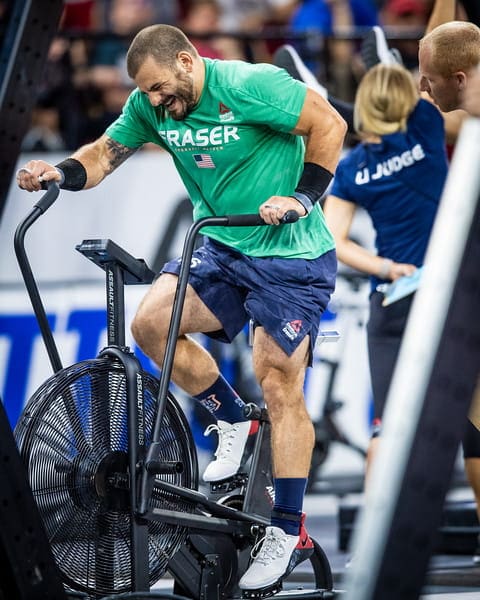
Tabata training is a specific type of high-intensity interval training characterized by:
- 20 seconds of maximal effort exercise
- 10 seconds of rest
- 8 rounds per set
- Total duration: 4 minutes
Exercises can include bodyweight movements, Olympic lifting variations, sprinting, cycling, rowing, kettlebell work, or other high-intensity movements.
The goal is simple but demanding: perform each work interval at near-maximal intensity.
The Origin of the Tabata Protocol
The method was developed by Dr. Izumi Tabata and colleagues at the National Institute of Fitness and Sports in Tokyo during the 1990s.
Their landmark study compared moderate-intensity endurance training with short, extremely intense intervals. The results showed that athletes performing the Tabata protocol significantly improved both aerobic capacity and anaerobic performance—something traditional steady-state training rarely accomplishes simultaneously.
For functional fitness athletes, this dual improvement is particularly valuable because competitions and workouts often demand both sustained endurance and explosive bursts of power.
Why Tabata Fits Functional Fitness
Functional fitness training typically includes:
- Olympic lifting
- Gymnastics movements
- Sprint efforts
- Repeated high-power intervals
- Minimal rest periods
Tabata protocols mimic these demands closely. They train the body to produce high power repeatedly under fatigue while maintaining cardiovascular output.
In other words, Tabata training conditions the exact systems functional athletes rely on during challenging workouts.
Benefit 1: Dramatically Improves Aerobic Capacity
Aerobic capacity—often measured as VO2 max—is one of the strongest indicators of endurance performance and overall cardiovascular health.

Tabata training has been shown to significantly improve this capacity despite the extremely short training duration.
VO2 Max Improvements
The original Tabata study demonstrated that athletes performing high-intensity intervals improved their VO2 max by approximately 14 percent over six weeks.
This improvement was comparable to traditional endurance training but required far less time.
For functional fitness athletes who already perform strength sessions, skill work, and conditioning pieces, time efficiency is extremely valuable.
Increased Oxygen Utilization
High-intensity intervals stimulate adaptations in several key systems:
- Increased stroke volume of the heart
- Improved mitochondrial density in muscle cells
- Enhanced oxygen transport through the bloodstream
These adaptations allow the body to deliver and use oxygen more efficiently during high-intensity workouts.
Real-World Impact for Functional Fitness
Higher aerobic capacity leads to:
- Faster recovery between sets
- Improved pacing during longer workouts
- Greater ability to sustain high output
Athletes with strong aerobic engines can maintain intensity longer during workouts such as AMRAPs, chipper workouts, and interval-based competitions.
In practical terms, this means better performance across a wide range of workout styles.
Benefit 2: Boosts Anaerobic Power and Explosiveness
Functional fitness is not purely endurance-based. Athletes also require explosive power for movements like Olympic lifts, sprinting, jumping, and fast cycling or rowing efforts.
Tabata training significantly enhances anaerobic energy production.
Training the Anaerobic Energy System
During 20-second maximal efforts, the body relies heavily on:
- The phosphagen system (ATP-PC system)
- Anaerobic glycolysis
These energy pathways produce rapid bursts of power but fatigue quickly.
Repeated Tabata intervals train the body to replenish energy stores faster and tolerate higher levels of metabolic stress.
Increased Lactate Tolerance
High-intensity intervals lead to increased lactate accumulation in working muscles.
Over time, the body adapts by improving:
- Lactate clearance
- Buffering capacity in muscle tissue
- Enzyme activity involved in energy production
This means athletes can sustain high power outputs longer without experiencing debilitating fatigue.
Carryover to Functional Fitness Movements
Improved anaerobic power translates directly into better performance in movements such as:
- Thrusters
- Wall balls
- Box jumps
- Double-unders
- Olympic lifts under fatigue
Athletes become more capable of producing repeated explosive efforts during demanding workouts.
Benefit 3: Exceptional Time Efficiency
One of the most appealing aspects of Tabata training is its remarkable efficiency.
A traditional Tabata set lasts only four minutes, yet research shows it can produce significant physiological improvements.
Comparable Benefits to Longer Workouts
Studies comparing high-intensity intervals with longer moderate-intensity sessions show similar improvements in cardiovascular fitness despite drastically shorter training durations.

This is largely because maximal effort intervals recruit a greater percentage of muscle fibers and stress both aerobic and anaerobic systems simultaneously.
Ideal for Busy Training Schedules
Functional fitness athletes often balance:
- Strength training
- Skill development
- Mobility work
- Recovery sessions
- Accessory exercises
Adding long cardio sessions on top of this workload can be impractical.
Tabata sessions provide an effective conditioning stimulus without dramatically extending training time.
Effective Conditioning Finishers
Many athletes use Tabata intervals as a short conditioning finisher after strength work.
For example:
Tabata air squats
Tabata rowing sprints
Tabata kettlebell swings
These short sessions deliver high cardiovascular stress without requiring lengthy programming.
Benefit 4: Improves Fat Loss and Metabolic Health
Tabata workouts can also support improvements in body composition and metabolic health, which are important for both performance and long-term wellness.
High Energy Expenditure
High-intensity intervals burn significant calories in a short time.
Even more importantly, they increase excess post-exercise oxygen consumption (EPOC), commonly referred to as the “afterburn effect.”
After intense exercise, the body continues consuming oxygen at elevated levels as it restores energy stores, repairs muscle tissue, and clears metabolic byproducts.
This prolonged metabolic activity increases total calorie expenditure.
Improved Insulin Sensitivity
Research shows that high-intensity interval training can improve insulin sensitivity and glucose metabolism.
Better insulin sensitivity allows muscles to more effectively absorb glucose from the bloodstream, which improves energy availability during exercise and reduces risk factors associated with metabolic disease.
Fat Oxidation Improvements
HIIT protocols can increase enzymes involved in fat oxidation.
Over time, this allows the body to utilize fat more efficiently as a fuel source during lower-intensity activity and recovery periods.
For functional fitness athletes, improved metabolic flexibility helps maintain performance during longer workouts while supporting healthier body composition.
Benefit 5: Enhances Work Capacity and Mental Toughness
Functional fitness competitions often push athletes into uncomfortable territory. Workouts demand sustained output despite fatigue, rising heart rate, and muscular burn.
Tabata training is particularly effective at developing the ability to continue working under these conditions.
Increased Work Capacity
Work capacity refers to the ability to perform high volumes of work in a given time.
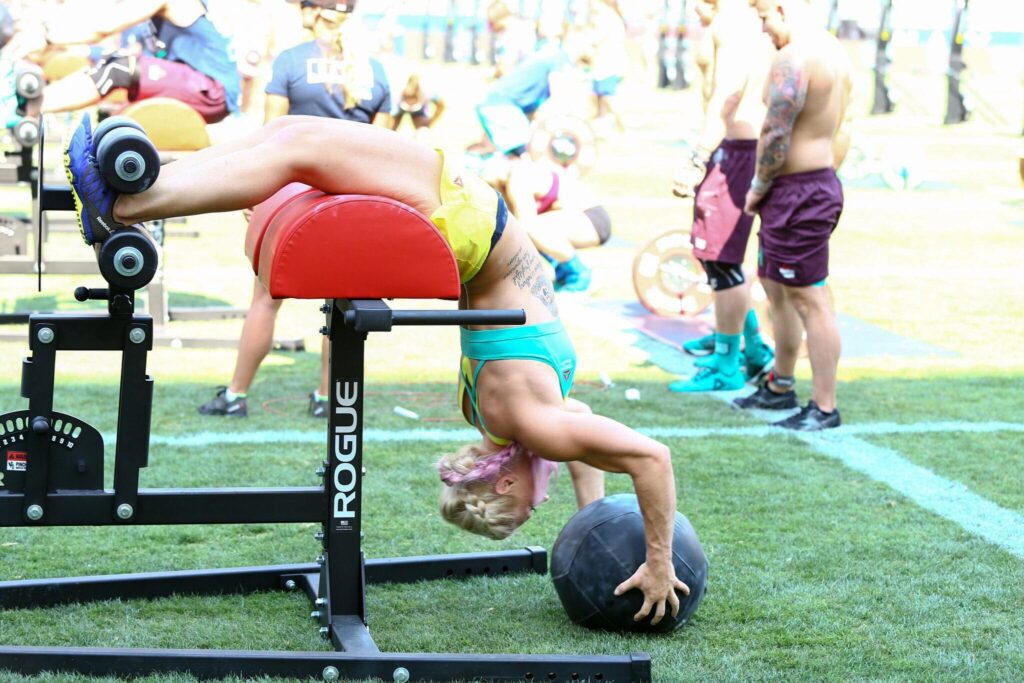
Because Tabata intervals combine maximal intensity with minimal recovery, they train athletes to:
- Recover rapidly between efforts
- Maintain output under fatigue
- Sustain repeated bursts of activity
These qualities are essential during high-rep functional workouts.
Psychological Adaptation
High-intensity intervals are mentally demanding.
Repeated exposure to short bursts of maximal effort conditions athletes to tolerate discomfort and maintain focus.
This psychological adaptation can improve competitive performance, where mental resilience often determines outcomes in the final stages of a workout.
Better Fatigue Resistance
Tabata training also improves neuromuscular coordination under fatigue.
Athletes learn to maintain movement quality even as metabolic stress rises.
This can reduce technical breakdown during high-rep Olympic lifting or gymnastics movements in later workout rounds.
How Functional Fitness Athletes Can Use Tabata Training
While the traditional four-minute Tabata format is effective, athletes can incorporate it into training in several ways.
Classic Single-Exercise Tabata
Choose one movement and perform it for all eight rounds.
Examples include:
- Assault bike sprints
- Rowing sprints
- Air squats
- Push-ups
- Kettlebell swings
The goal is maximum output during each work interval.
Alternating Movement Tabata
Alternate between two exercises every round.
Example:
- Round 1: Thrusters
- Round 2: Pull-ups
- Repeat for eight rounds
This approach distributes fatigue while maintaining intensity.
Strength-Focused Tabata
Some athletes apply the protocol to moderate-load barbell lifts such as:
- Front squats
- Power cleans
- Deadlifts
However, this approach requires careful load selection and strong technique to avoid injury.
Tabata Conditioning Finishers
Tabata intervals work well as short conditioning finishers after strength sessions.
Examples:
Tabata wall balls
Tabata burpees
Tabata rowing
These sessions elevate heart rate dramatically while keeping total training time manageable.
Common Mistakes With Tabata Training
Despite its simplicity, Tabata training is often performed incorrectly.
Intensity Too Low
Many athletes treat Tabata intervals as moderate-intensity circuits.
True Tabata training requires near-maximal effort during each work interval.
If intensity is too low, the physiological adaptations will be limited.
Too Much Volume
Because Tabata intervals are extremely demanding, performing too many sets can lead to excessive fatigue.
One to three Tabata sets are typically sufficient for most sessions.
Poor Exercise Selection
Complex movements that break down easily under fatigue may not be ideal for Tabata intervals.
Movements should be:
- Simple
- Safe under fatigue
- Easy to perform quickly
Examples include cycling, rowing, air squats, and kettlebell swings.
Who Should Be Careful With Tabata Workouts?
Although highly effective, Tabata training may not be appropriate for everyone.
Beginners or individuals returning from injury should approach high-intensity intervals gradually.
Those with cardiovascular conditions or limited training experience may benefit from lower-intensity interval protocols before progressing to full Tabata efforts.
Proper warm-ups and recovery strategies are also essential to reduce injury risk.
Final Thoughts
Tabata training represents one of the most efficient conditioning methods available to functional fitness athletes.
In just four minutes, the protocol can stimulate significant improvements in aerobic capacity, anaerobic power, metabolic health, and work capacity.
For athletes balancing strength development, technical training, and recovery, this time efficiency is extremely valuable.
When used strategically within a well-structured training program, Tabata workouts can help athletes push performance boundaries while developing both physical and mental resilience.
Whether used as a conditioning finisher, a stand-alone workout, or a metabolic challenge within a training session, Tabata intervals remain a powerful tool for building the fitness required to excel in functional training environments.
References
• Burgomaster, K., Howarth, K., Phillips, S., Rakobowchuk, M., Macdonald, M., McGee, S. and Gibala, M. (2008). Similar metabolic adaptations during exercise after low volume sprint interval and traditional endurance training in humans. Journal of Physiology.
• Gibala, M., Little, J., Macdonald, M. and Hawley, J. (2012). Physiological adaptations to low-volume, high-intensity interval training in health and disease. Journal of Physiology.
• Little, J., Gillen, J., Percival, M., Safdar, A., Tarnopolsky, M., Punthakee, Z., Jung, M. and Gibala, M. (2011). Low-volume high-intensity interval training reduces hyperglycemia and increases muscle mitochondrial capacity in patients with type 2 diabetes. Journal of Applied Physiology.
• Tabata, I., Nishimura, K., Kouzaki, M., Hirai, Y., Ogita, F., Miyachi, M. and Yamamoto, K. (1996). Effects of moderate-intensity endurance and high-intensity intermittent training on anaerobic capacity and VO2 max. Medicine and Science in Sports and Exercise.