


Balancing macronutrients is one of the most powerful, evidence-based ways to improve health, body composition, metabolic function, and long-term disease risk. Macronutrients – protein, carbohydrates, and fat – are not enemies or magic bullets. They are tools. When used intelligently and in the right proportions for your body, goals, and activity level, they support nearly every physiological process in the human body.
Despite this, macronutrients are often misunderstood. Carbohydrates are blamed for weight gain. Fat is feared or overconsumed depending on trends. Protein is either neglected or treated as a cure-all. The science tells a far more nuanced story.
This article breaks down five practical, science-backed hacks to balance macronutrients for optimal health. Each strategy is grounded in peer-reviewed research and explained in plain language so you can apply it immediately—without extreme dieting, food rules, or guesswork.
Hack 1: Anchor Every Meal With Adequate Protein
Protein is the most important macronutrient for health, body composition, and metabolic regulation. It is not just for athletes or bodybuilders. Adequate protein intake is essential for preserving muscle, supporting immune function, regulating appetite, and maintaining healthy aging.
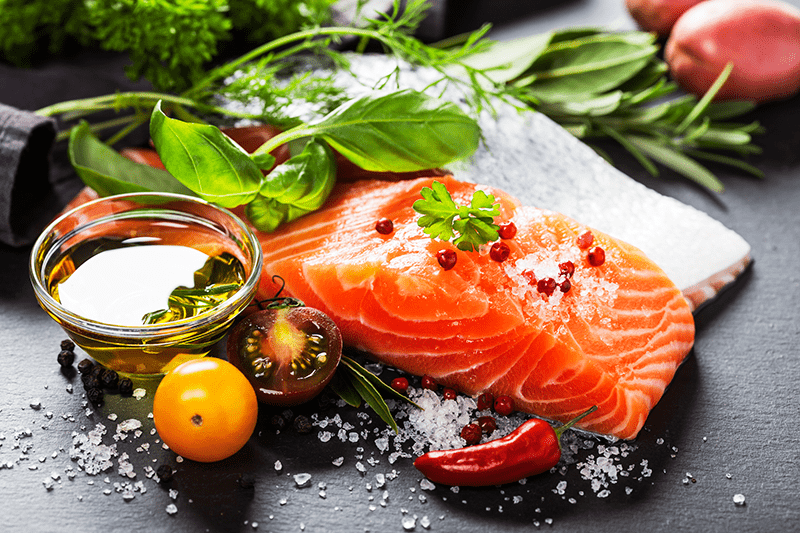
Why Protein Is the Cornerstone of Macronutrient Balance
Protein plays a unique role compared to carbohydrates and fat. Unlike carbs and fat, the body does not have a large storage depot for protein. This means daily intake matters.
Research consistently shows that higher protein diets improve satiety and reduce overall calorie intake without conscious restriction. Protein increases the release of appetite-regulating hormones such as peptide YY and glucagon-like peptide-1 while suppressing ghrelin, the primary hunger hormone (Leidy et al., 2015).
Protein also has the highest thermic effect of food. Roughly 20–30% of protein calories are burned during digestion and metabolism, compared to 5–10% for carbohydrates and 0–3% for fat (Westerterp, 2004). This makes protein uniquely beneficial for metabolic health.
Protein and Muscle Preservation Across the Lifespan
Muscle mass is not just about aesthetics or performance. It is a critical determinant of insulin sensitivity, bone health, physical function, and mortality risk. Loss of muscle mass, known as sarcopenia, begins as early as the fourth decade of life and accelerates with age.
Higher protein intake has been shown to preserve lean mass during weight loss and aging. A meta-analysis of randomized controlled trials found that protein intakes above the current recommended dietary allowance significantly improved lean mass retention, particularly when combined with resistance training (Morton et al., 2018).
Even in sedentary adults, higher protein intake is associated with better muscle maintenance and functional outcomes (Houston et al., 2008).
How Much Protein Do You Actually Need?
The minimum recommended intake of 0.8 grams per kilogram of body weight was established to prevent deficiency, not to optimize health. Most research suggests that optimal protein intake for adults ranges from 1.6 to 2.2 grams per kilogram of body weight per day, depending on activity level, age, and goals (Phillips and Van Loon, 2011).

For practical application:
• Sedentary adults: approximately 1.2–1.6 g/kg
• Active individuals: approximately 1.6–2.2 g/kg
• Older adults: at least 1.6 g/kg to counteract anabolic resistance
Practical Protein Hack
Instead of tracking every gram, anchor each meal with a high-quality protein source. Aim for 25–40 grams of protein per meal, spread evenly across the day. This distribution has been shown to maximize muscle protein synthesis compared to skewing protein intake toward one meal (Mamerow et al., 2014).
Hack 2: Match Carbohydrate Intake to Activity and Metabolic Health
Carbohydrates are often the most controversial macronutrient, yet they are essential for brain function, high-intensity exercise, and hormonal balance. The key is not eliminating carbohydrates, but matching intake to your activity level and metabolic needs.
The Role of Carbohydrates in Human Physiology
Carbohydrates are the body’s preferred fuel for high-intensity movement and cognitive tasks. Glucose is the primary energy source for the brain, and muscle glycogen is critical for performance in resistance training and endurance exercise (Burke et al., 2011).
Carbohydrates also play a role in thyroid hormone conversion and leptin signaling, both of which influence metabolic rate and energy balance (Müller et al., 2015).
When Carbohydrates Become a Problem
Carbohydrates are not inherently fattening. Problems arise when carbohydrate intake exceeds energy expenditure, particularly in the context of insulin resistance.

Highly refined carbohydrates with low fiber content cause rapid spikes in blood glucose and insulin. Chronic exposure to these spikes is associated with increased risk of type 2 diabetes and cardiovascular disease (Ludwig, 2002).
In contrast, fiber-rich carbohydrates slow digestion, improve glycemic control, and support gut health.
Individualizing Carbohydrate Intake
There is no universal “ideal” carbohydrate intake. Research shows that low-carbohydrate, moderate-carbohydrate, and higher-carbohydrate diets can all be effective depending on individual context (Gardner et al., 2018).
Key factors that influence optimal carbohydrate intake include:
• Physical activity level
• Insulin sensitivity
• Training intensity and volume
• Sleep quality and stress
Highly active individuals generally tolerate and benefit from higher carbohydrate intake. Sedentary individuals or those with insulin resistance often feel and perform better with moderate carbohydrate intake focused on whole-food sources.
Practical Carbohydrate Hack
Time the majority of your carbohydrates around periods of activity. Consuming carbohydrates before and after exercise improves glycogen replenishment and insulin sensitivity (Ivy, 2004). On rest days, reduce refined carbohydrate intake and prioritize vegetables, legumes, and whole grains.
Hack 3: Include Enough Dietary Fat to Support Hormones and Nutrient Absorption
Dietary fat is essential for survival. It supports hormone production, cell membrane integrity, and the absorption of fat-soluble vitamins A, D, E, and K.
Extremely low-fat diets may reduce calorie intake short term, but they often compromise hormonal health and sustainability.
Fat and Hormonal Health
Dietary fat is required for the synthesis of steroid hormones, including testosterone and estrogen. Studies have shown that low-fat diets are associated with reduced testosterone levels in men compared to diets with moderate fat intake (Volek et al., 1997).
Fat intake also influences cholesterol levels, which are necessary for hormone production and cell signaling.
Not All Fats Are Equal
The type of fat consumed matters more than total fat intake. Unsaturated fats—particularly monounsaturated and omega-3 polyunsaturated fats—are consistently associated with improved cardiovascular health (Mozaffarian et al., 2010).

Trans fats, in contrast, increase inflammation, insulin resistance, and cardiovascular disease risk. Their consumption should be minimized as much as possible.
Fat and Satiety
Fat slows gastric emptying and contributes to feelings of fullness. Diets that include adequate fat tend to be more satisfying and easier to adhere to long term compared to very low-fat diets (Astrup et al., 2000).
Practical Fat Hack
Aim for fat to provide approximately 25–35% of total daily energy intake. Prioritize sources such as olive oil, nuts, seeds, avocados, fatty fish, and eggs. Avoid extreme fat restriction unless medically indicated.
Hack 4: Adjust Macronutrient Ratios Based on Your Goal, Not Trends
Macronutrient needs change depending on whether your goal is fat loss, muscle gain, performance, or long-term health maintenance. Chasing dietary trends often leads to frustration because those trends ignore individual context.
Macronutrients for Fat Loss
Fat loss occurs when energy intake is consistently lower than energy expenditure. However, macronutrient composition influences how sustainable and healthy that process is.
Higher protein intake preserves lean mass during caloric restriction and improves satiety (Pasiakos et al., 2013). Moderate carbohydrate intake supports training performance, while adequate fat supports hormones and adherence.
Macronutrients for Muscle Gain
Muscle hypertrophy requires sufficient protein and energy. Carbohydrates support training volume and recovery by replenishing glycogen and reducing muscle protein breakdown (Tipton and Wolfe, 2004).
Fat intake should not be excessively low, as this can impair hormonal responses to training.
Macronutrients for Longevity and Metabolic Health
Long-term health is supported by balanced macronutrient intake rather than extremes. Observational studies show that both very low-carbohydrate and very high-carbohydrate diets are associated with increased mortality risk, while moderate carbohydrate intake is associated with lower risk (Seidelmann et al., 2018).
Practical Goal-Based Hack
Instead of rigid ratios, set protein first, adjust carbohydrates based on activity and goals, and fill the remaining calories with healthy fats. This flexible approach is supported by long-term adherence data and metabolic research.
Hack 5: Focus on Food Quality First, Then Macronutrients
Macronutrient balance cannot compensate for poor food quality. Highly processed foods disrupt appetite regulation, gut health, and metabolic signaling regardless of macronutrient ratios.
Food Quality and Metabolic Health
Ultra-processed foods are associated with higher calorie intake, weight gain, and increased cardiometabolic risk. A controlled feeding study demonstrated that participants consuming ultra-processed foods ate significantly more calories and gained weight compared to those consuming minimally processed foods with identical macronutrient composition (Hall et al., 2019).
This suggests that food structure, fiber content, and palatability strongly influence energy intake beyond macronutrients alone.
Micronutrients Matter
Whole foods provide vitamins, minerals, and phytonutrients that support metabolic pathways involved in energy production, inflammation control, and insulin sensitivity.
Deficiencies in micronutrients such as magnesium, zinc, and vitamin D are associated with impaired glucose metabolism and hormonal disruption (Barbagallo and Dominguez, 2015).
Practical Food Quality Hack
Build meals around minimally processed foods that naturally contain balanced macronutrients. Use macronutrient tracking as a guide, not a replacement, for food quality.
Bringing It All Together
Balancing macronutrients is not about perfection or rigid rules. It is about understanding how protein, carbohydrates, and fat interact with your physiology and using that knowledge to support health.

By anchoring meals with protein, matching carbohydrates to activity, consuming adequate healthy fats, adjusting ratios to goals, and prioritizing food quality, you create a nutritional framework that is sustainable, flexible, and scientifically grounded.
This approach works not because it follows trends, but because it respects human biology.
References
• Astrup, A., Ryan, L., Grunwald, G.K., Storgaard, M., Saris, W., Melanson, E. and Hill, J.O. (2000). The role of dietary fat in body fatness: evidence from a preliminary meta-analysis of ad libitum low-fat dietary intervention studies. British Journal of Nutrition, 83(S1), S25–S32.
• Barbagallo, M. and Dominguez, L.J. (2015). Magnesium and type 2 diabetes. World Journal of Diabetes, 6(10), 1152–1157.
• Burke, L.M., Hawley, J.A., Wong, S.H. and Jeukendrup, A.E. (2011). Carbohydrates for training and competition. Journal of Sports Sciences, 29(S1), S17–S27.
• Gardner, C.D., Trepanowski, J.F., Del Gobbo, L.C., Hauser, M.E., Rigdon, J., Ioannidis, J.P.A., Desai, M. and King, A.C. (2018). Effect of low-fat vs low-carbohydrate diet on 12-month weight loss in overweight adults. JAMA, 319(7), 667–679.
• Hall, K.D., Ayuketah, A., Brychta, R., Cai, H., Cassimatis, T., Chen, K.Y., Chung, S.T., Costa, E., Courville, A., Darcey, V., Fletcher, L.A., Forde, C.G., Gharib, A.M., Guo, J., Howard, R., Joseph, P.V., McGehee, S., Ouwerkerk, R., Raisinger, K., Rozga, I., Stagliano, M., Walter, M., Walter, P.J. and Zhou, M. (2019). Ultra-processed diets cause excess calorie intake and weight gain. Cell Metabolism, 30(1), 67–77.
• Houston, D.K., Nicklas, B.J., Ding, J., Harris, T.B., Tylavsky, F.A., Newman, A.B., Lee, J.S., Sahyoun, N.R., Visser, M. and Kritchevsky, S.B. (2008). Dietary protein intake is associated with lean mass change in older, community-dwelling adults. American Journal of Clinical Nutrition, 87(1), 150–155.