

Losing body fat is often presented as a complicated puzzle filled with extreme diets, punishing workouts, and conflicting advice. In reality, the process is governed by a handful of well understood biological principles. When you align your daily habits with these principles, fat loss becomes more efficient, sustainable, and predictable.
This article breaks down five healthy habits that are strongly supported by scientific research and that can meaningfully accelerate fat loss. These are not shortcuts or gimmicks. Instead, they are practical behaviors that influence energy balance, hormones, appetite regulation, and metabolic health.
If you apply these consistently, you will not only lose fat faster but also improve your long term health and performance.
Habit 1: Prioritize High Protein Intake
Why Protein Matters for Fat Loss
Protein is the most important macronutrient when it comes to fat loss. It influences several key mechanisms that determine how efficiently your body burns fat and preserves muscle.

First, protein increases satiety. This means you feel fuller for longer after eating, which naturally reduces calorie intake without requiring strict dieting. Second, protein has a high thermic effect. Your body uses more energy to digest and process protein compared to carbohydrates and fats. Third, adequate protein intake helps preserve lean muscle mass during a calorie deficit, which is critical for maintaining metabolic rate.
The Science Behind Protein and Fat Loss
Research consistently shows that higher protein diets lead to greater fat loss compared to lower protein diets, even when total calories are controlled. Protein intake increases levels of satiety hormones such as peptide YY and reduces levels of ghrelin, the hormone responsible for hunger.
Studies also demonstrate that individuals consuming higher protein retain more lean mass during weight loss. This is important because muscle tissue is metabolically active and helps sustain energy expenditure.
How Much Protein Do You Need
A practical range for fat loss is between 1.6 and 2.2 grams of protein per kilogram of body weight per day. This range is supported by multiple studies examining optimal protein intake for body composition.
Distribute protein intake evenly across meals. This supports muscle protein synthesis and helps regulate appetite throughout the day.
Practical Tips
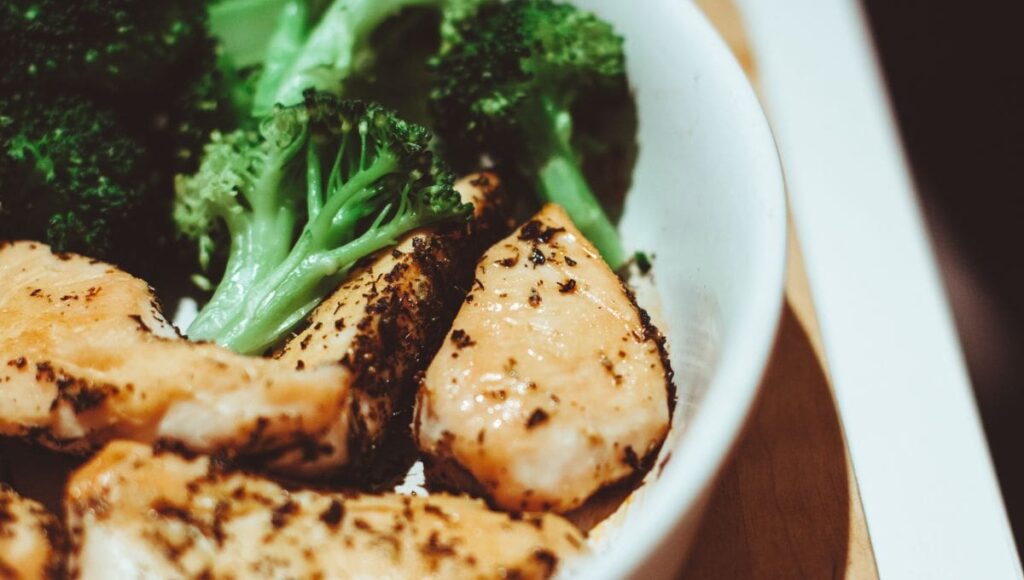
Focus on whole food protein sources such as lean meats, fish, eggs, dairy, and legumes. If needed, supplement with protein powders for convenience. Aim to include a protein source in every meal.
Habit 2: Lift Weights and Maintain Resistance Training
Why Strength Training Is Essential
Many people assume that cardio is the most effective tool for fat loss. While cardiovascular exercise can help burn calories, resistance training plays a more critical role in shaping your body composition.
Strength training helps preserve and build muscle mass. When you lose weight without resistance training, a significant portion of that weight can come from muscle. This leads to a slower metabolism and a less favorable body composition.
The Science Behind Resistance Training
Research shows that combining resistance training with a calorie deficit leads to greater fat loss and better preservation of lean mass compared to dieting alone.
Resistance training also increases resting metabolic rate by maintaining muscle tissue. Additionally, it improves insulin sensitivity, which helps your body manage nutrients more effectively and reduces fat storage.

Frequency and Structure
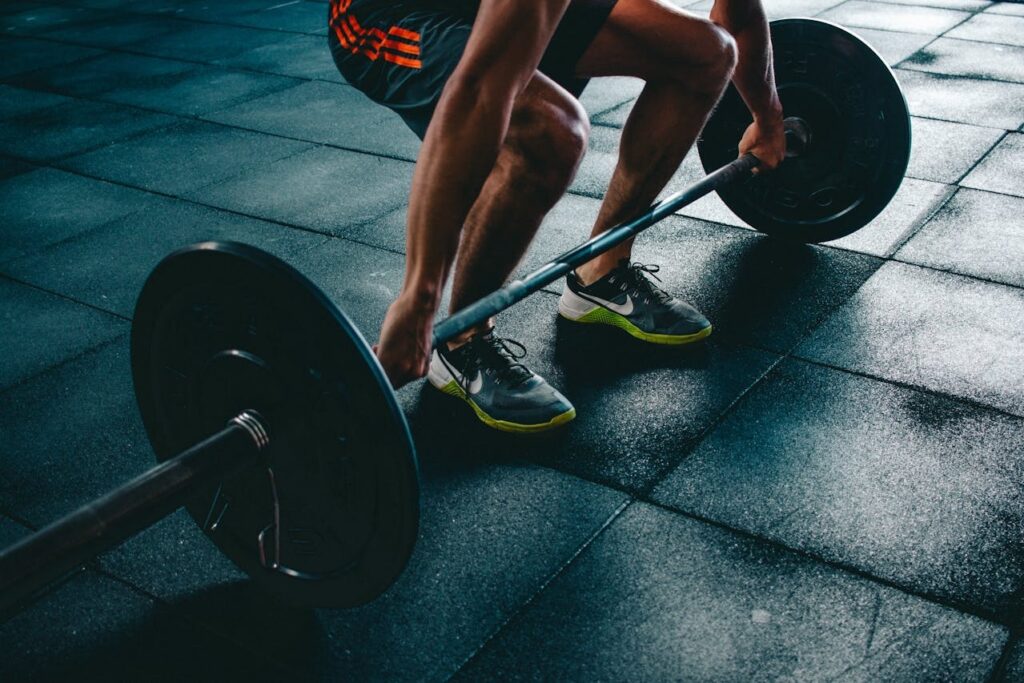
Aim to train with weights at least three to five times per week. Focus on compound movements such as squats, deadlifts, presses, and rows. These exercises recruit large muscle groups and maximize energy expenditure.
Progressive overload is key. Gradually increase the weight, repetitions, or intensity over time to continue challenging your body.
Practical Tips
Keep workouts focused and efficient. You do not need to spend hours in the gym. Prioritize quality over quantity. Combine strength training with moderate cardio if desired, but do not replace lifting entirely.
Habit 3: Improve Sleep Quality and Duration
The Overlooked Fat Loss Factor
Sleep is one of the most underestimated factors in fat loss. Poor sleep disrupts hormonal balance, increases appetite, and reduces energy levels, making it harder to stay consistent with diet and training.
The Science Behind Sleep and Fat Loss
Sleep deprivation affects hormones that regulate hunger and satiety. It increases ghrelin levels and decreases leptin levels, leading to increased hunger and cravings.
Research also shows that individuals who are sleep deprived tend to consume more calories, particularly from high calorie and highly palatable foods.
In controlled studies, participants who slept less lost a higher proportion of lean mass and less fat compared to those who slept adequately, even when calorie intake was the same.
Sleep also influences insulin sensitivity and glucose metabolism. Poor sleep can impair these processes, increasing the likelihood of fat storage.
How Much Sleep Do You Need
Most adults require between seven and nine hours of sleep per night for optimal health and performance. Consistency is just as important as duration.
Practical Tips
Establish a regular sleep schedule by going to bed and waking up at the same time each day. Limit exposure to screens before bedtime. Create a dark and cool sleep environment. Avoid caffeine in the hours leading up to sleep.
Habit 4: Manage Your Calorie Intake Without Extreme Restriction
Understanding Energy Balance
Fat loss ultimately depends on maintaining a calorie deficit. This means you consume fewer calories than your body burns. However, extreme calorie restriction is not the most effective approach.
Very low calorie diets can lead to muscle loss, metabolic adaptation, and increased hunger, making them difficult to sustain.
The Science Behind Sustainable Deficits
Research shows that moderate calorie deficits lead to more sustainable fat loss and better preservation of lean mass. Severe restriction often results in compensatory mechanisms such as increased hunger and decreased energy expenditure.
Adaptive thermogenesis is another factor. When calorie intake drops too low, the body reduces energy expenditure to conserve energy. This slows fat loss over time.
Finding the Right Deficit
A practical approach is to aim for a calorie deficit of about 300 to 500 calories per day. This typically results in steady fat loss while minimizing negative side effects.
Tracking food intake can help increase awareness and accuracy. However, it is not always necessary to track every calorie. Portion control and mindful eating can also be effective.
Practical Tips
Focus on nutrient dense foods that provide volume and satiety with fewer calories. Examples include vegetables, fruits, lean proteins, and whole grains. Avoid relying heavily on highly processed foods that are easy to overconsume.
Habit 5: Increase Daily Movement and Non Exercise Activity
Beyond the Gym

Structured exercise is important, but it is only one part of total daily energy expenditure. Non exercise activity thermogenesis refers to the energy you burn through daily movement such as walking, standing, and general activity.
This component can vary significantly between individuals and has a major impact on fat loss.
The Science Behind Daily Movement
Research shows that individuals with higher levels of daily movement burn significantly more calories than those who are sedentary, even if they perform the same structured workouts.
Increasing daily steps and reducing sedentary behavior can meaningfully increase total energy expenditure without adding stress or fatigue.
How to Increase Daily Activity
Aim for at least 8000 to 12000 steps per day. This range is associated with improved health outcomes and increased calorie expenditure.
Simple strategies include walking more, taking the stairs, standing instead of sitting, and incorporating short activity breaks throughout the day.
Practical Tips
Track your steps using a smartwatch or smartphone. Set daily movement goals. Use walking as a tool for fat loss that does not interfere with recovery from training.
Putting It All Together
Each of these habits works through different but complementary mechanisms. High protein intake controls appetite and preserves muscle. Resistance training maintains metabolic rate and improves body composition. Quality sleep regulates hormones and recovery. A moderate calorie deficit ensures sustainable fat loss. Increased daily movement boosts overall energy expenditure.
When combined, these habits create a powerful system for fat loss that is both effective and maintainable. The key is consistency. You do not need to be perfect, but you do need to be consistent over time.
Common Mistakes to Avoid
Chasing Quick Fixes
Extreme diets and rapid weight loss strategies often lead to short term results but long term failure. Sustainable habits always outperform quick fixes.
Ignoring Recovery
Training hard without adequate sleep and recovery can lead to burnout and reduced performance. Recovery is an essential part of fat loss.
Overcomplicating Nutrition
You do not need a complicated diet plan. Focus on the basics. Eat enough protein, control calories, and choose mostly whole foods.
Relying Only on Exercise
Exercise alone is rarely enough to drive significant fat loss. Nutrition and lifestyle habits play a larger role.
Conclusion
Fat loss does not require extreme measures or complicated strategies. It requires alignment with well established scientific principles and consistent application of healthy habits.
By prioritizing protein intake, maintaining resistance training, improving sleep, managing calorie intake, and increasing daily movement, you can create an environment where fat loss happens more efficiently and sustainably.
These habits not only help you lose fat faster but also improve your overall health, performance, and quality of life.
References
• Areta, J.L. et al. (2013). Timing and distribution of protein ingestion during prolonged recovery from resistance exercise alters myofibrillar protein synthesis. Journal of Physiology.
• Hall, K.D. et al. (2016). Energy balance and its components implications for body weight regulation. American Journal of Clinical Nutrition.
• Leidy, H.J. et al. (2015). The role of protein in weight loss and maintenance. American Journal of Clinical Nutrition.
• Morton, R.W. et al. (2018). A systematic review of protein supplementation on resistance training induced gains. British Journal of Sports Medicine.
• Nedeltcheva, A.V. et al. (2010). Insufficient sleep undermines dietary efforts to reduce adiposity. Annals of Internal Medicine.
• Phillips, S.M. and Van Loon, L.J. (2011). Dietary protein for athletes from requirements to metabolic advantage. Applied Physiology Nutrition and Metabolism.
• Rosenbaum, M. and Leibel, R.L. (2010). Adaptive thermogenesis in humans. International Journal of Obesity.
• Schoenfeld, B.J. et al. (2016). Effects of resistance training frequency on measures of muscle hypertrophy. Sports Medicine.
• Spiegel, K. et al. (2004). Brief communication sleep curtailment in healthy young men is associated with decreased leptin levels. Annals of Internal Medicine.
• Westerterp, K.R. (2004). Diet induced thermogenesis. Nutrition and Metabolism.