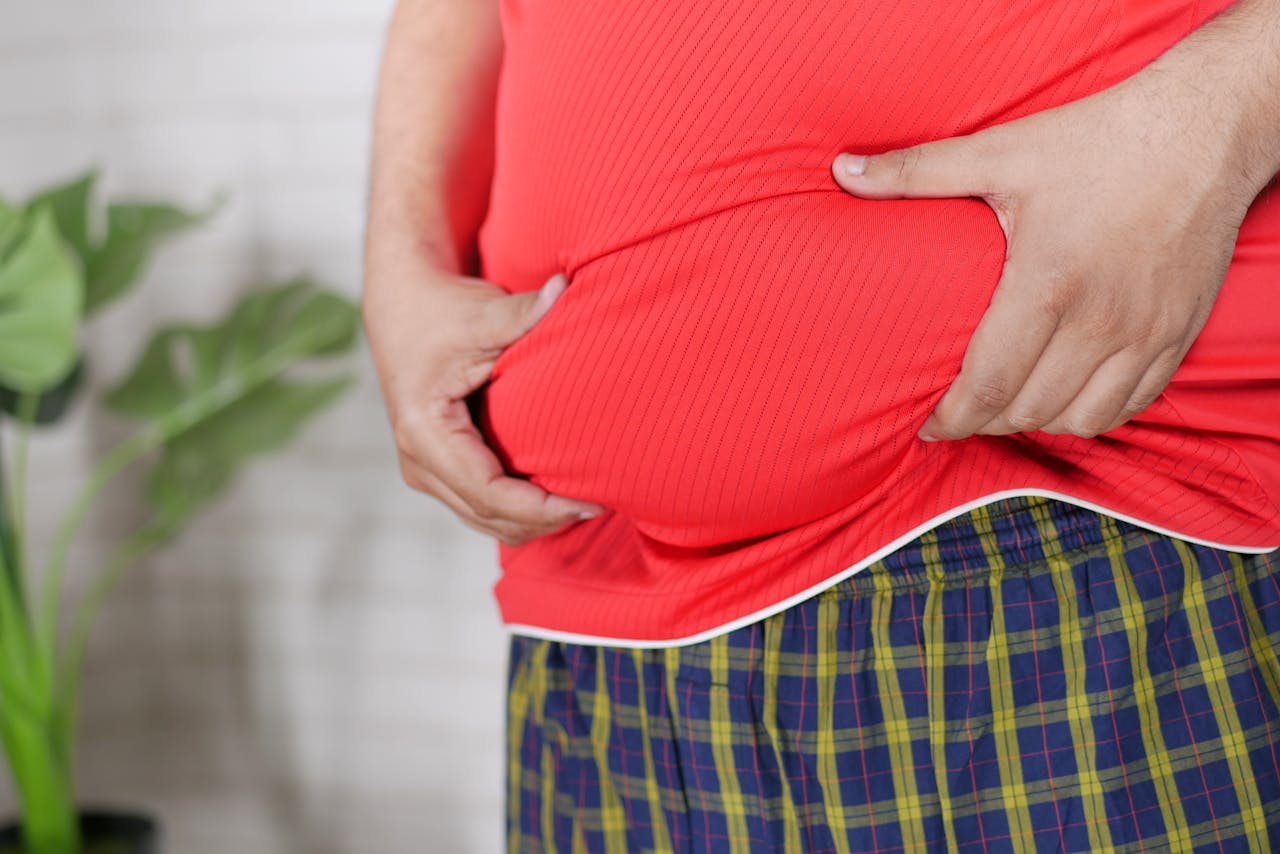


Losing belly fat is one of the most common goals in fitness and nutrition. It is also one of the most misunderstood. Many people assume that abdominal fat is simply a cosmetic issue, but science tells a different story. Excess fat around the waist is strongly associated with increased risk of metabolic disease, cardiovascular problems, and type 2 diabetes.
The key driver behind stubborn belly fat is not just calories, but also how specific foods affect hormones, appetite regulation, inflammation, and insulin sensitivity. Some everyday foods, especially those widely consumed in modern diets, actively promote fat storage in the abdominal region.
This article breaks down five common foods that can hinder fat loss, particularly around the belly, and explains the science behind why they are problematic. The goal is not fear or restriction, but clarity. Once you understand how these foods impact your body, making better choices becomes much easier.
Why Belly Fat Is Different

Visceral Fat and Health Risk
Belly fat is not all the same. There are two main types: subcutaneous fat, which sits just under the skin, and visceral fat, which surrounds internal organs. Visceral fat is the more dangerous type.
Research shows that visceral fat is metabolically active. It releases inflammatory compounds and hormones that disrupt normal metabolism. This can lead to insulin resistance, increased appetite, and fat storage.
Hormonal Drivers of Fat Storage
Certain foods influence hormones such as insulin, cortisol, and leptin. These hormones regulate whether your body stores or burns fat. When they are consistently disrupted, fat storage increases, especially in the abdominal area.
With that foundation in mind, let’s look at the five foods that can quietly sabotage your efforts.
1. Sugar Sweetened Beverages
Why Liquid Sugar Is a Major Problem
Sugar sweetened drinks include soda, energy drinks, sweetened coffee beverages, and even some fruit juices. These drinks are one of the most potent contributors to belly fat accumulation.
Unlike solid food, liquid calories do not trigger the same satiety signals. This means you can consume a large amount of calories without feeling full, leading to overeating later in the day.
The Role of Fructose
Many sugary drinks contain high amounts of fructose, often in the form of high fructose corn syrup. Fructose is processed primarily in the liver, where excess amounts are converted into fat.

Studies show that high fructose intake is linked to increased visceral fat and liver fat. This contributes directly to abdominal fat gain and metabolic dysfunction.
Scientific Evidence
Controlled trials have demonstrated that individuals consuming sugar sweetened beverages accumulate more visceral fat compared to those consuming similar calories from other sources. Observational studies consistently link sugary drink intake with weight gain and increased waist circumference.
Practical Takeaway
Replacing sugary drinks with water, black coffee, or unsweetened tea is one of the fastest ways to reduce calorie intake and improve fat loss outcomes.
2. Refined Carbohydrates
What Counts as Refined Carbs
Refined carbohydrates include white bread, pastries, many breakfast cereals, white pasta, and processed snack foods. These foods have been stripped of fiber and nutrients during processing.
Blood Sugar Spikes and Insulin
Refined carbs are rapidly digested, leading to sharp increases in blood sugar. This triggers a strong insulin response. Insulin is a storage hormone that promotes fat accumulation, especially when levels are chronically elevated.
Frequent spikes in insulin can lead to insulin resistance, a condition strongly linked to increased belly fat.
Impact on Hunger and Cravings
Refined carbohydrates also disrupt appetite regulation. They are quickly absorbed, which leads to a rapid drop in blood sugar shortly after eating. This often results in hunger and cravings, encouraging overeating.
Scientific Evidence
Research shows that diets high in refined carbohydrates are associated with greater abdominal fat accumulation compared to diets rich in whole grains and fiber. Interventional studies demonstrate that replacing refined carbs with whole foods improves insulin sensitivity and reduces waist circumference.
Practical Takeaway
Switching to whole grain sources such as oats, quinoa, brown rice, and vegetables can significantly improve metabolic health and reduce fat storage.
3. Trans Fats and Highly Processed Fats

What Are Trans Fats
Trans fats are industrially produced fats found in many processed foods such as baked goods, margarine, and fried fast foods. Although regulations have reduced their presence in some countries, they are still found in certain products.
Inflammation and Fat Storage
Trans fats are strongly linked to increased inflammation. Chronic inflammation is a key driver of visceral fat accumulation.
These fats also interfere with how the body processes and stores energy, promoting fat storage in the abdominal region rather than other areas.
Effects on Metabolism
Trans fats negatively impact insulin sensitivity and lipid metabolism. This creates a metabolic environment that favors fat gain and makes fat loss more difficult.
Scientific Evidence
Long term studies have shown that higher intake of trans fats is associated with increased abdominal fat, even when total calorie intake is controlled. Animal studies further confirm that trans fats specifically promote visceral fat deposition.
Practical Takeaway
Avoiding processed foods with partially hydrogenated oils and prioritizing natural fat sources such as olive oil, nuts, and fatty fish can support healthier fat distribution.
4. Alcohol in Excess
Alcohol and Belly Fat
Alcohol is often referred to as empty calories. It provides energy without essential nutrients, and its metabolic effects make fat loss more difficult.
How Alcohol Affects Fat Metabolism
When you consume alcohol, your body prioritizes metabolizing it over other nutrients. This temporarily halts fat burning, increasing the likelihood that consumed calories are stored as fat.
Alcohol also increases appetite and lowers inhibitions, leading to poor food choices and overeating.
Hormonal Disruption
Excessive alcohol intake can disrupt hormones involved in fat regulation, including testosterone and cortisol. Elevated cortisol levels are associated with increased abdominal fat.
Scientific Evidence
Epidemiological studies show a strong association between high alcohol intake and increased waist circumference. Experimental research also indicates that alcohol consumption reduces fat oxidation and promotes fat storage.
Practical Takeaway
Moderation is key. Reducing alcohol intake, especially high calorie drinks like cocktails and beer, can significantly improve fat loss outcomes.
5. Ultra Processed Snack Foods
What Makes a Food Ultra Processed
Ultra processed foods include chips, cookies, candy, packaged snacks, and many ready to eat meals. These foods are designed to be highly palatable and easy to overconsume.
Calorie Density and Overeating
These foods are typically high in calories, sugar, and unhealthy fats while being low in fiber and protein. This combination makes them easy to eat in large quantities without feeling full.
Impact on the Brain
Ultra processed foods can alter reward pathways in the brain, increasing cravings and reducing control over food intake. This can lead to habitual overeating.
Scientific Evidence
Clinical studies have shown that diets high in ultra processed foods lead to increased calorie intake and weight gain compared to diets based on whole foods, even when participants are not instructed to eat more.
Observational research links high consumption of ultra processed foods with increased abdominal fat and metabolic risk.
Practical Takeaway
Focusing on minimally processed foods such as whole fruits, vegetables, lean proteins, and whole grains can naturally reduce calorie intake and support fat loss.
How These Foods Work Together
The Compound Effect
These five food categories often appear together in typical diets. For example, a fast food meal may include refined carbs, trans fats, sugary drinks, and ultra processed ingredients all at once.
This combination creates a perfect storm for fat gain by increasing calorie intake, disrupting hormones, and promoting inflammation.
Insulin Resistance and Belly Fat
A common thread among these foods is their impact on insulin. Chronic consumption can lead to insulin resistance, which is closely linked to visceral fat accumulation.
Inflammation as a Hidden Driver
Inflammation plays a major role in fat storage and metabolic health. Diets high in processed foods and unhealthy fats increase inflammation, making fat loss more difficult.
What to Eat Instead
Whole, Nutrient Dense Foods
Replacing problematic foods with whole, nutrient dense options is the most effective strategy. These include:
Lean proteins such as chicken, fish, eggs, and legumes
High fiber carbohydrates such as vegetables, fruits, and whole grains
Healthy fats such as olive oil, nuts, seeds, and avocados
Protein and Satiety
Protein plays a key role in reducing appetite and preserving muscle mass during fat loss. Higher protein intake is consistently associated with reduced belly fat.
Fiber and Gut Health
Fiber improves digestion, supports gut health, and helps regulate blood sugar. This contributes to better appetite control and reduced fat storage.
Lifestyle Factors That Amplify Results
Sleep

Poor sleep is linked to increased hunger hormones and higher calorie intake. It also affects insulin sensitivity, making fat loss more difficult.
Stress Management
Chronic stress elevates cortisol levels, which promotes abdominal fat storage. Managing stress through exercise, mindfulness, and recovery is essential.
Physical Activity
Exercise helps reduce visceral fat and improves metabolic health. Resistance training and high intensity exercise are particularly effective.
Final Thoughts
Belly fat is not just about appearance. It reflects deeper metabolic processes that are heavily influenced by diet. By reducing intake of sugar sweetened beverages, refined carbohydrates, trans fats, excessive alcohol, and ultra processed snacks, you can significantly improve your ability to lose fat and maintain long term health.
The key is consistency. Small, sustainable changes in food choices can lead to meaningful improvements in body composition and overall well being.
References
• Bray, G.A., Nielsen, S.J. and Popkin, B.M., 2004. Consumption of high fructose corn syrup in beverages may play a role in the epidemic of obesity. American Journal of Clinical Nutrition, 79(4), pp.537–543.
• Stanhope, K.L. et al., 2009. Consuming fructose sweetened beverages increases visceral adiposity and lipids. Journal of Clinical Investigation, 119(5), pp.1322–1334.
• Ludwig, D.S., 2002. The glycemic index physiological mechanisms relating to obesity and diabetes. JAMA, 287(18), pp.2414–2423.
• Mozaffarian, D. et al., 2006. Trans fatty acids and cardiovascular disease. New England Journal of Medicine, 354(15), pp.1601–1613.
• Kavouras, S.A. et al., 2012. Dietary fat composition and abdominal fat accumulation. Obesity Reviews, 13(6), pp.503–511.
• Traversy, G. and Chaput, J.P., 2015. Alcohol consumption and obesity. Current Obesity Reports, 4(1), pp.122–130.
• Hall, K.D. et al., 2019. Ultra processed diets cause excess calorie intake and weight gain. Cell Metabolism, 30(1), pp.67–77.
• Monteiro, C.A. et al., 2018. Ultra processed foods and health outcomes. Public Health Nutrition, 21(1), pp.5–17.
• Paddon Jones, D. et al., 2008. Protein and healthy aging. American Journal of Clinical Nutrition, 87(5), pp.1562S–1566S.
• Slavin, J.L., 2013. Fiber and prebiotics mechanisms and health benefits. Nutrients, 5(4), pp.1417–1435.