Most diets fail. Not because people are weak or unmotivated, but because many diets are designed to be short-term interventions rather than lifelong systems. Extreme calorie restriction, cutting out entire food groups, or following rigid rules may produce quick results, but they rarely hold up under real life.
A sustainable, long-term diet is different. It prioritizes health, flexibility, psychological well-being, and consistency over rapid weight loss. It works with human biology, not against it. Importantly, it is supported by strong scientific evidence rather than trends or anecdotes.
This article breaks down five science-backed tips to help you build a diet you can maintain for years, not weeks. Each tip is grounded in nutritional science, behavioral research, and long-term health outcomes.
Tip 1: Prioritize Dietary Adherence Over Dietary Perfection

Why Consistency Beats the “Perfect” Diet
One of the most consistent findings in nutrition research is that the best diet is the one you can stick to. Multiple large-scale studies comparing popular diets — including low-carb, low-fat, Mediterranean, and plant-based approaches — show that long-term success is driven more by adherence than by the specific macronutrient ratio.
A landmark randomized trial comparing four popular diets found no significant difference in weight loss after 12 months when calorie intake was similar. What mattered most was how well participants adhered to their assigned diet over time (Dansinger et al., 2005).
This makes sense physiologically and psychologically. Humans are not robots. Social events, stress, cultural food preferences, and daily routines all influence eating behavior. Diets that demand constant restraint or eliminate commonly enjoyed foods increase the likelihood of dropout and rebound weight gain.
The Role of Dietary Flexibility
Dietary flexibility is strongly associated with better long-term outcomes. Research in behavioral nutrition shows that rigid dietary control — strict rules about “good” and “bad” foods — is linked to disordered eating patterns, binge episodes, and poorer weight maintenance (Westenhoefer, 1991).
In contrast, flexible restraint — allowing occasional indulgences while maintaining overall structure — is associated with lower body weight, better metabolic health, and improved psychological well-being.
A sustainable diet allows room for enjoyment. This does not mean eating anything without limits, but it does mean avoiding all-or-nothing thinking. One high-calorie meal does not “ruin” a diet. Consistency over weeks and months is what drives results.
Practical Application
Choose a dietary framework that fits your lifestyle, cultural background, and food preferences. Focus on patterns rather than rules. If you enjoy carbohydrates, eliminating them entirely is unlikely to work long term. If you prefer plant-based foods, build around that rather than forcing animal-heavy meals.
Sustainability begins with realism.
Tip 2: Build Your Diet Around Nutrient-Dense Whole Foods
What Nutrient Density Actually Means
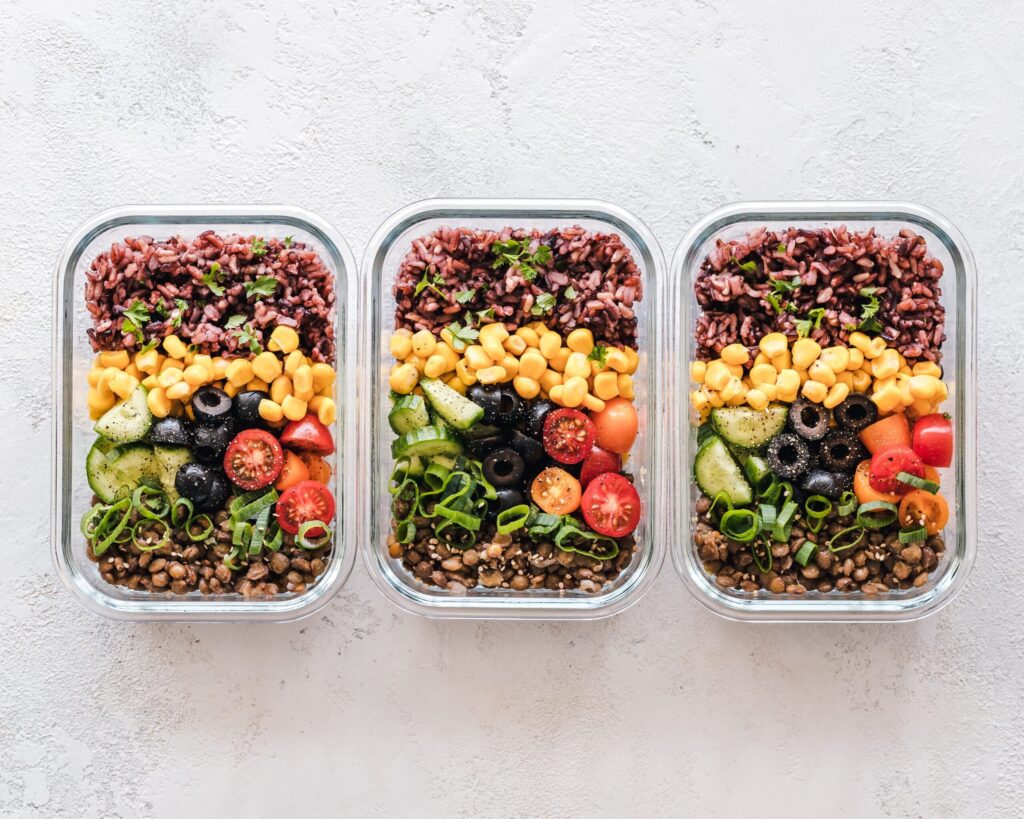
Nutrient-dense foods provide a high amount of vitamins, minerals, protein, fiber, and beneficial bioactive compounds relative to their calorie content. Examples include vegetables, fruits, legumes, whole grains, lean proteins, nuts, seeds, and dairy products.
Diets rich in nutrient-dense foods are consistently associated with lower risk of chronic diseases, including cardiovascular disease, type 2 diabetes, and certain cancers (Mozaffarian, 2016).
This is not about perfection or eating only “clean” foods. It is about making nutrient-rich foods the foundation of your diet so that less nutritious options naturally play a smaller role.
Satiety, Energy Intake, and Body Weight
Nutrient-dense foods tend to be more filling due to their fiber, protein, and water content. Fiber slows gastric emptying and increases feelings of fullness, which can reduce overall calorie intake without conscious restriction (Slavin, 2005).
Protein has a particularly strong effect on satiety. Higher-protein diets are associated with reduced hunger, lower spontaneous calorie intake, and improved body composition during weight loss (Leidy et al., 2015).
Ultra-processed foods, on the other hand, are often energy-dense and low in fiber and protein. A controlled inpatient study found that participants consumed approximately 500 more calories per day when eating an ultra-processed diet compared to a whole-food diet, despite both being matched for macronutrients and palatability (Hall et al., 2019).
Micronutrients and Long-Term Health
Micronutrient deficiencies are surprisingly common, even in people consuming enough calories. Diets low in fruits, vegetables, and whole foods can lack essential nutrients such as magnesium, potassium, vitamin D, and iron.
These deficiencies are associated with fatigue, impaired immune function, poor bone health, and metabolic dysfunction. Long-term dietary quality matters not just for weight, but for overall health and longevity.
Practical Application
Aim to fill most meals with minimally processed foods. Include a protein source, a fiber-rich carbohydrate, and some healthy fat. This structure supports satiety, nutrient intake, and blood sugar control while remaining flexible and enjoyable.
Tip 3: Eat Enough Protein to Support Muscle, Metabolism, and Satiety

Protein and Muscle Preservation
Protein intake is critical for preserving lean muscle mass, particularly during calorie restriction and as we age. Loss of muscle mass is associated with reduced metabolic rate, poorer physical function, and increased risk of injury.
Research shows that higher protein intakes help preserve lean mass during weight loss and improve body composition compared to lower-protein diets (Pasiakos et al., 2013).
For physically active individuals, including those doing resistance training or CrossFit-style workouts, adequate protein is even more important. Protein provides the amino acids needed for muscle repair and adaptation.
Protein and Metabolic Health
Protein has a higher thermic effect than carbohydrates or fat, meaning more calories are burned during digestion and metabolism. While this effect is modest, it contributes to overall energy expenditure and may support weight maintenance over time (Halton and Hu, 2004).
Higher protein diets are also associated with improved glycemic control and reduced risk of type 2 diabetes, particularly when protein replaces refined carbohydrates (Tremblay et al., 2007).
How Much Protein Is Enough?
Scientific consensus suggests that protein needs vary based on body size, activity level, and age. For general health, intakes around 0.8 g per kg of body weight may prevent deficiency, but higher intakes are beneficial for muscle maintenance and satiety.
Research supports protein intakes in the range of 1.2–2.0 g per kg of body weight per day for active individuals and those aiming to lose fat while preserving muscle (Phillips and Van Loon, 2011).
Importantly, higher protein intakes within this range are considered safe for healthy individuals, with no evidence of harm to kidney function in people without pre-existing kidney disease (Poortmans and Dellalieux, 2000).
Practical Application
Include a high-quality protein source at each meal. This can come from animal or plant sources, such as meat, fish, eggs, dairy, legumes, tofu, or protein-rich grains. Spreading protein intake evenly across meals may further enhance muscle protein synthesis.
Tip 4: Avoid Extreme Energy Restriction and Dieting Cycles
The Physiological Cost of Crash Dieting
Severe calorie restriction can lead to rapid weight loss, but it comes with significant physiological and psychological costs. Very low-calorie diets reduce resting metabolic rate, increase hunger hormones, and decrease satiety hormones (Müller et al., 2015).
This adaptive response, often referred to as metabolic adaptation, makes long-term weight maintenance more difficult. The body responds to perceived starvation by conserving energy and increasing appetite.

The result is a high likelihood of weight regain once normal eating resumes.
Weight Cycling and Health Risks
Repeated cycles of weight loss and regain, often called yo-yo dieting, are associated with negative health outcomes. Observational studies link weight cycling to increased cardiovascular risk, insulin resistance, and all-cause mortality (Montani et al., 2015).
While not all weight regain is harmful, the pattern of extreme restriction followed by overeating creates metabolic instability and psychological distress.
Mental Health and Relationship With Food
Extreme diets often foster guilt, anxiety, and an unhealthy relationship with food. Restrictive eating increases the risk of binge eating and loss of control, particularly in individuals prone to dietary restraint (Polivy and Herman, 1985).
A sustainable diet supports mental well-being by allowing sufficient energy intake, food variety, and enjoyment. This reduces the cognitive burden of dieting and improves long-term adherence.
Practical Application
Aim for a moderate calorie deficit if fat loss is a goal, or focus on maintenance if health and performance are priorities. Slow, steady changes are more likely to stick. Think in terms of habits rather than short-term fixes.
Tip 5: Design Your Diet Around Habits, Not Willpower
Why Willpower Is an Unreliable Strategy
Willpower is a finite resource. Research in behavioral psychology shows that relying on constant self-control is ineffective over the long term, especially in environments saturated with highly palatable foods (Baumeister et al., 2007).
Sustainable diets reduce reliance on willpower by shaping the environment and routines around healthy choices.
The Power of Habit Formation
Habits are behaviors that become automatic through repetition. Studies show that dietary habits, once established, require little conscious effort and are more resistant to stress and disruption (Lally et al., 2010).
For example, regularly eating a protein-rich breakfast or preparing meals in advance can significantly improve dietary quality without daily decision-making.
Environmental Design and Food Choices
Environmental factors strongly influence eating behavior. Availability, convenience, portion size, and social context all play major roles in how much and what we eat (Wansink, 2004).
Simple changes — such as keeping nutritious foods visible and accessible, preparing meals ahead of time, and eating without distractions — can have a meaningful impact on intake.
Practical Application
Focus on small, repeatable actions. Build routines around grocery shopping, meal preparation, and regular eating times. Make the healthy choice the easy choice. Over time, these habits form the backbone of a sustainable diet.
Conclusion: Sustainability Is the Real Goal
A sustainable, long-term diet is not about rigid rules, perfection, or suffering. It is about alignment — with human physiology, psychology, and real life.
The science is clear. Diets that prioritize adherence, nutrient density, adequate protein, moderate energy intake, and habit formation are more likely to succeed over the long term. These principles support not only body composition goals, but also metabolic health, mental well-being, and quality of life.
Instead of asking, “How fast can I lose weight?” a better question is, “How do I want to eat for the next 10 years?” The answer to that question is where sustainable success begins.
References
- Baumeister, R.F., Vohs, K.D. and Tice, D.M., 2007. The strength model of self-control. Current Directions in Psychological Science, 16(6), pp.351–355.
- Dansinger, M.L., Gleason, J.A., Griffith, J.L., Selker, H.P. and Schaefer, E.J., 2005. Comparison of the Atkins, Ornish, Weight Watchers, and Zone diets for weight loss and heart disease risk reduction. Journal of the American Medical Association, 293(1), pp.43–53.
- Hall, K.D., Ayuketah, A., Brychta, R., Cai, H., Cassimatis, T., Chen, K.Y., Chung, S.T., Costa, E., Courville, A., Darcey, V. and Fletcher, L.A., 2019. Ultra-processed diets cause excess calorie intake and weight gain. Cell Metabolism, 30(1), pp.67–77.
- Halton, T.L. and Hu, F.B., 2004. The effects of high protein diets on thermogenesis, satiety and weight loss. Journal of the American College of Nutrition, 23(5), pp.373–385.
- Lally, P., Van Jaarsveld, C.H.M., Potts, H.W.W. and Wardle, J., 2010. How are habits formed: Modelling habit formation in the real world. European Journal of Social Psychology, 40(6), pp.998–1009.