

For effective muscle growth, proper post-workout nutrition is essential. One of the most important aspects of post-exercise recovery is consuming high-quality protein. Protein aids muscle repair, promotes muscle protein synthesis, and supports recovery, especially after intense resistance training.
Selecting the right post-workout snacks can significantly impact your ability to build lean muscle mass and recover quickly. Here are five high-protein snacks that can help you maximise muscle growth, supported by scientific evidence.


Why Protein Is Important After a Workout
Protein is made up of amino acids, which are the building blocks of muscle tissue. When you exercise, especially during strength or resistance training, you cause small tears in your muscle fibres. Protein intake post-exercise helps repair these tears by enhancing muscle protein synthesis, which leads to muscle growth (Phillips, 2014).
Research has shown that consuming around 20-40 grams of high-quality protein after a workout can significantly stimulate muscle repair and hypertrophy (Schoenfeld et al., 2013). For this reason, consuming protein-rich snacks post-exercise is crucial.
1. Greek Yoghurt with Nuts and Berries
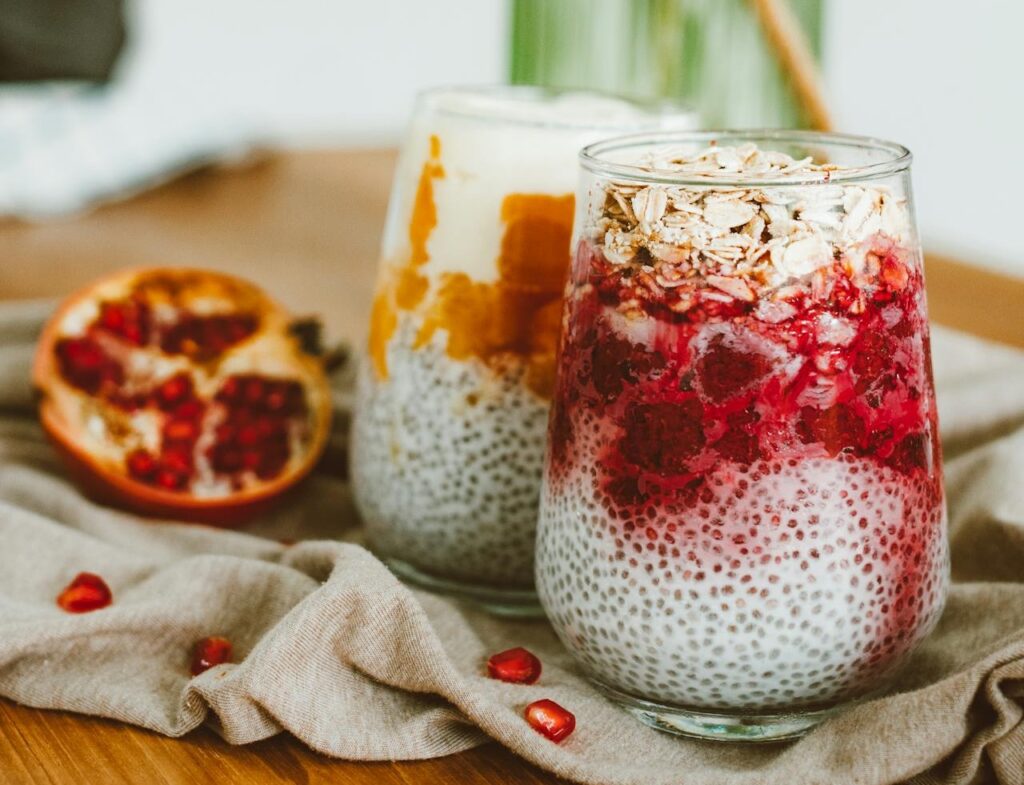
Greek yoghurt is an excellent source of high-quality protein, providing around 10-15 grams per 150g serving, depending on the brand. Unlike regular yoghurt, Greek yoghurt is strained to remove excess whey, making it thicker and higher in protein. According to research, dairy proteins like those in yoghurt contain both casein and whey, which are known for their muscle-building properties (Tang et al., 2009). Casein provides a slow, steady release of amino acids, while whey is quickly digested, making this combination ideal for post-workout recovery.
Adding nuts, such as almonds or walnuts, to your yoghurt increases the overall protein content and provides healthy fats that aid in nutrient absorption. Additionally, berries like blueberries or raspberries provide antioxidants, which help reduce oxidative stress and inflammation caused by intense workouts (Connolly et al., 2006).
This balanced snack ensures you’re not only getting a protein boost but also supporting your body’s recovery process.
Total Protein Content: 20-25 grams (depending on portion size and toppings)
2. Cottage Cheese with Pineapple
Cottage cheese is another protein powerhouse, especially when it comes to casein protein. A 150g serving of cottage cheese can contain up to 25 grams of protein, making it an ideal snack for muscle repair. Casein, which makes up the majority of the protein in cottage cheese, is digested slowly, providing a steady stream of amino acids to the muscles for several hours post-consumption (Boirie et al., 1997). This makes it particularly effective for overnight recovery or if you have long gaps between meals.
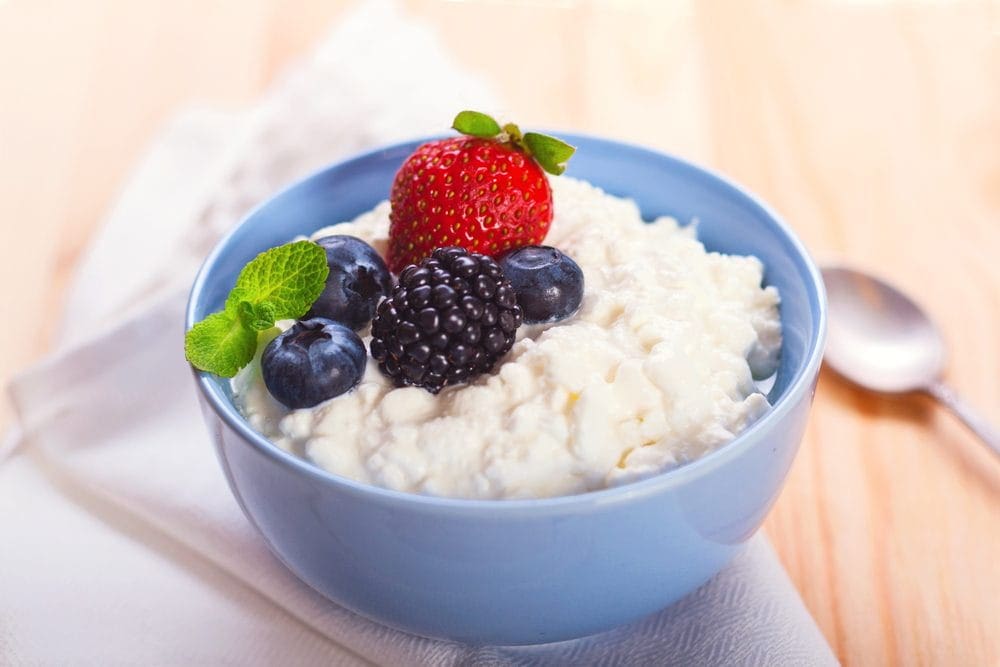
Pairing cottage cheese with pineapple not only adds flavour but also vitamin C and bromelain, an enzyme found in pineapples known for its anti-inflammatory properties (Brien et al., 2004). This can help reduce muscle soreness and improve recovery times after an intense workout.
Total Protein Content: 25 grams (for 150g of cottage cheese)
3. Hard-Boiled Eggs and Avocado
Eggs are one of the best sources of complete protein, meaning they contain all nine essential amino acids necessary for muscle repair and growth. A single large egg provides about 6 grams of protein, and consuming two or three hard-boiled eggs post-workout can give your muscles the boost they need. The high biological value (BV) of egg protein, which measures how efficiently the body uses protein, makes eggs particularly effective for promoting muscle protein synthesis (Moore et al., 2009).

Adding half an avocado to this snack offers a source of healthy fats, which are crucial for overall health and can help reduce muscle inflammation. Avocados are also rich in potassium, an essential electrolyte that can help replenish what’s lost during exercise.
Total Protein Content: 12-18 grams (depending on the number of eggs consumed)
4. Protein Smoothie with Whey Protein, Banana, and Peanut Butter
A post-workout smoothie can be a convenient and quick option, especially when made with whey protein powder. Whey is a fast-digesting protein, making it ideal for muscle recovery immediately after exercise. Studies have shown that whey protein can increase muscle protein synthesis more effectively than other forms of protein, such as casein or soy (Tang et al., 2009). A typical serving of whey protein powder contains 20-25 grams of protein, making it easy to meet your post-exercise protein requirements.
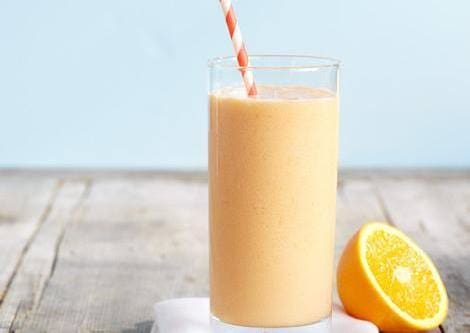
To make the smoothie, combine a scoop of whey protein with a banana and a tablespoon of peanut butter. Bananas provide carbohydrates to replenish glycogen stores, while peanut butter adds healthy fats and an additional 4 grams of protein per tablespoon. This combination ensures you’re not only stimulating muscle growth but also supporting energy replenishment.
Total Protein Content: 30-35 grams (depending on protein powder used)
5. Tuna and Whole Grain Crackers
Tuna is a lean, low-calorie source of high-quality protein, containing around 25 grams of protein per 100g serving. It is also rich in omega-3 fatty acids, which can help reduce inflammation and muscle soreness after exercise (Jouris et al., 2011). Omega-3s are known for their ability to enhance muscle protein synthesis, particularly in combination with resistance training.
Pairing tuna with whole grain crackers adds a source of complex carbohydrates, which helps restore glycogen levels and supports muscle recovery. Whole grains also provide fibre and additional micronutrients, contributing to overall health. This snack is portable, easy to prepare, and perfect for those looking to fuel up quickly after a workout.
Total Protein Content: 25-30 grams (depending on portion size)
How Much Protein Do You Need Post-Workout?
The amount of protein you need after a workout can vary depending on your body size, type of training, and overall goals. However, research suggests that consuming 20-40 grams of protein after a workout is generally sufficient to maximise muscle protein synthesis (Schoenfeld et al., 2013). It’s important to note that the quality of the protein matters just as much as the quantity. Protein sources that are rich in leucine, an essential amino acid, are particularly effective at stimulating muscle growth (Churchward-Venne et al., 2012).
Timing Your Protein Intake
The timing of protein intake can also play a role in maximising muscle growth. Many studies suggest that there is a so-called “anabolic window” — a period of time post-exercise during which the body is primed to absorb and utilise protein for muscle repair (Ivy, 2004). This window typically lasts for about 30-60 minutes after your workout. While some research indicates that the timing of protein intake may not be as critical as once thought, consuming protein soon after exercise can still offer benefits for those focused on optimising recovery and muscle gains.
Conclusion
Incorporating high-protein snacks into your post-workout routine is one of the most effective ways to promote muscle growth and recovery. Snacks like Greek yoghurt with nuts and berries, cottage cheese with pineapple, hard-boiled eggs with avocado, protein smoothies, and tuna with whole grain crackers are not only delicious but scientifically backed options for maximising your muscle-building efforts. By ensuring you consume a sufficient amount of protein after your workout, you’ll be setting your muscles up for optimal growth and repair.
Key Takeaways
| Snack | Protein Content | Benefits |
|---|---|---|
| Greek Yoghurt with Nuts and Berries | 20-25g | High in both whey and casein protein; provides antioxidants |
| Cottage Cheese with Pineapple | 25g | Rich in casein protein for sustained amino acid release |
| Hard-Boiled Eggs and Avocado | 12-18g | Complete protein with healthy fats and potassium |
| Protein Smoothie with Whey, Banana, and Peanut Butter | 30-35g | Fast-digesting protein for immediate recovery; carbs for glycogen replenishment |
| Tuna and Whole Grain Crackers | 25-30g | Lean protein with omega-3 fatty acids and complex carbs |
Bibliography
Boirie, Y., et al., 1997. Slow and fast dietary proteins differently modulate postprandial protein accretion. Proceedings of the National Academy of Sciences, 94(26), pp.14930-14935.
Brien, S., et al., 2004. Bromelain as a treatment for osteoarthritis: a review of clinical studies. Evidence-Based Complementary and Alternative Medicine, 1(3), pp.251-257.
Churchward-Venne, T.A., et al., 2012. Leucine supplementation of a low-protein mixed macronutrient beverage enhances myofibrillar protein synthesis in young men: a double-blind, randomized trial. American Journal of Clinical Nutrition, 96(3), pp.552-560.
Connolly, D.A., et al., 2006. Efficacy of a tart cherry juice blend in preventing the symptoms of muscle damage. British Journal of Sports Medicine, 40(8), pp.679-683.
Ivy, J.L., 2004. Regulation of muscle glycogen repletion, muscle protein synthesis and repair following exercise. Journal of Sports Science and Medicine, 3(3), pp.131-138.
Jouris, K.B., et al., 2011. The effect of omega-3 fatty acid supplementation on the inflammatory response to eccentric strength exercise. Journal of Sports Science and Medicine, 10(3), pp.432-438.