

Popular belief is that carbs make you fat, but they are actually a vital macronutrient that plays important roles in the body. The type and quantity of carbs you consume can deteriorate your health, exclusively refined and processed carbs. But are carbs really the enemy? Let’s see the truth about low-carb diets: all of their perks and downsides.

The Main Idea of Low-Carb Diets
Low-carb diets focus on limiting carbohydrate intake, usually below 20-50 grams per day, depending solely on your dieting plan. The main goal of a diet like this is ketosis. Let’s explain in depth what that actually means!
While carbohydrates are the body’s primary source of energy, it’s reassuring to know that our bodies are adaptable. When a metabolic state of ketosis occurs, it means that the body starts using fats as energy. This shift typically happens when carbs intake is significantly lower, prompting the organism to find alternative fuel sources. When carb ingestion drops to a very low level, the body’s glycogen stores in the liver become drained.
Glycogen, an accumulated form of glucose, is the primary energy source for most bodily functions. In the absence of carbs, more specifically, glucose, the body begins to fractionate stored fat into fatty acids and glycerol. This is where the liver, a key player in our body’s metabolic processes, comes in. It converts these fatty acids into ketone bodies – acetoacetate, beta-hydroxybutyrate, and acetone, which are then used as an alternative energy source.
Acetoacetate is the first ketone body synthetized in the liver. It converts into beta-hydroxybutyrate (BHB) or spontaneously breaks down into acetone. In the blood, BHB is the most plentiful and stable ketone body, making it a primary energy source during ketosis.
On the other hand, acetone is the rarest ketone body, and organisms discharge it through the breath and urine. When your body is in ketosis, it actually causes a characteristic fruity breath odor. Ketone bodies travel through the bloodstream to various tissues—the brain, muscles, and heart—and act as an alternative energy source to glucose.

As you can see, ketosis promotes fat burning and leads to serious weight loss, but chiefly in the early stages of a low-carb diet. When your body reaches the state of ketosis, ketones stabilize blood sugar levels and appetite-regulating hormones. This leads to reducing hunger and cravings, making it simpler to lose weight.
Considering this, ketosis is beneficial for people with type 2 diabetes or insulin resistance, as lower insulin levels help mobilize fat stores. Ketone bodies provide a stable energy supply, which results in improved cognitive functions and mental clarity. The body will adapt to burning fat quickly, so you will have a consistent and sustained energy source throughout the day.
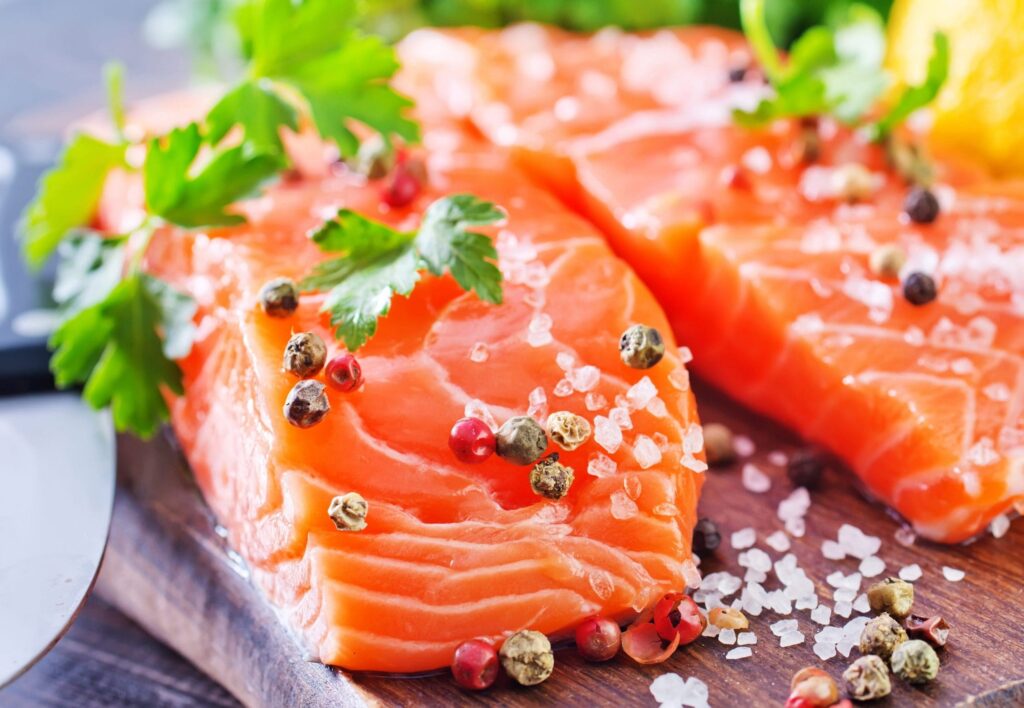
Let’s see the composition of a low-carb diet! Of course, you must go all in with proteins, so any kind of meat, fish, seafood, dairy, and eggs are on the table. When it comes to fats, go for healthy options, like avocados, nuts, seeds, olive oil, and fatty fish, as they provide a concentrated energy fount and keep you full for longer.
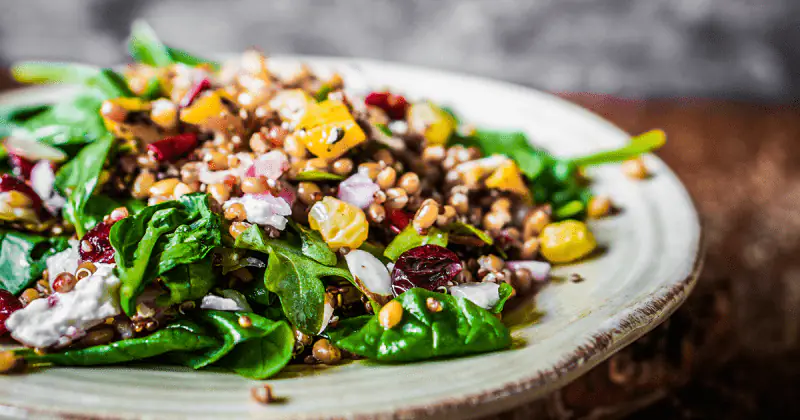
Be careful when choosing vegetables, though, as you have to favor non-starchy varieties. Go for leafy greens, broccoli, cauliflower, cabbage, zucchini, bell peppers, asparagus, mushrooms, cucumbers… They will give you all vital nutrients while keeping carbs in check.

Fruit, naturally, has more carbohydrates than vegetables, but berries are a really fine option to incorporate into your diet. They are moderate in sugar and don’t spike insulin as they have a low glycemic index, which makes them perfect!
Base your salads on leafy greens and low-carb veggies, snack on raw vegetables (celery. cucumber, bell pepper) with guacamole or hummus, make smoothies with berries, avocado, and unsweetened milk, and make vegetable-based sides. For instance, make zucchini noodles, cauliflower rice, roasted asparagus, or grilled vegetables.
There are a few specific low-carb diets that are super popular. The first one is the keto diet, which is very low in carbs, under 20-50 grams per day. On the other side, it is high in fats and moderate in proteins. The paleo diet accentuates whole foods and excludes processed foods, grains, and legumes, which results in a moderate carb intake.

The Atkins diet starts with a smaller amount of carbs and gradually increases as you approach your goal weight. A diet constructed like this encourages weight loss, helps control blood sugar and appetite, and improves heart health.
Long-Term Effects of Low-Carb Diets
The long-term effects of low-carb diets have two extremes: health benefits and potential risks. The first and most obvious perk is weight loss and maintenance. Initial weight loss is significant and slows down after some time, but it is amazing for visceral fat reduction.
All of this comes naturally, as low-carb diets reduce hunger and cravings. Long-term dieting will improve insulin sensitivity, resulting in better glycemic control. Some studies prove a reduction in HbA1c levels, a marker of blood sugar control.
Even though this diet is high in fat, it actually boosts HDL (good) cholesterol and decreases triglycerides. It ends up in lowering blood pressure, which contributes to overall heart health.
On the other hand, long-term restriction of certain food groups – fruits, whole grains, and legumes- can cause deficiencies in vitamins and minerals. The most common are shortages in vitamin C, magnesium, and potassium, so it is important to consult with your medical practitioner about supplementation.
Diets abundant in animal proteins and low in fruits and vegetables can jack up the acid load in the body. When the body neutralizes it, it can release calcium from bones, increasing its excretion in urine. Ketogenic diets can contribute to calcium loss if not properly managed with alkaline foods like leafy greens.
Conversely, simple carbs cause insulin spikes, which can influence calcium uptake. When insulin levels stabilize, it positively influences calcium balance. Regarding digestive health, a lower intake of fiber-rich foods can provoke constipation, so you need to incorporate loads of high-fiber and low-carb veggies. This kind of diet is rich in animal proteins and fat, so you need to be careful what types of food you consume.
Emphasize unsaturated fats from fish, nuts, and olive oil over butter and fatty red meat, as these could negatively impact heart health. Higher protein intake can put extra tension on the kidneys, particularly in people with pre-existing kidney conditions.
Kidneys filter out the byproducts of protein metabolism, which probably won’t be an issue for healthy individuals. However, ketogenic diets skyrocket the risk of kidney stones, as there are higher levels of uric acid and oxalate in the urine. Consuming low-carb, high-oxalate foods like spinach and nuts, but without adequate hydration, can provoke stone formation.
It is also essential to monitor electrolytes, especially sodium, potassium, and magnesium levels. To avoid imbalances, include a variety of low-carb vegetables and fruits in your diet.
What Carbs Do to Your Body and Why Are They Important?
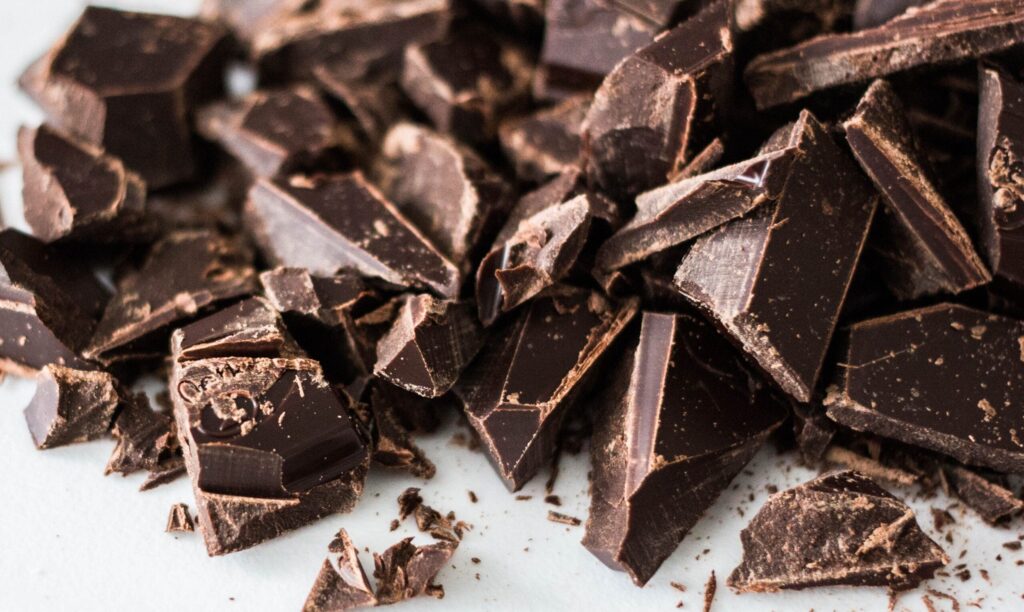
Carbohydrates are irreplaceable macronutrients in the body, essential for overall health and proper function. They are the main source of energy, as they break down into glucose. This is super important for high-energy-demanding organs like the brain, which heavily relies on glucose; that’s why a quick chocolate bar boosts concentration immediately.
Obviously, simple carbs, like sugar, provide instant energy as they rapidly absorb and metabolize, making them useful during intense physical activity. When there is excess glucose from carbohydrates, the body deposits it in the liver and muscles as glycogen. Glycogen is momentarily available energy that comes to the rescue during periods of fasting, between meals, or prolonged activity.
This way, carbs spare proteins from being used for energy and allow them to mold and mend tissues and make enzymes, hormones, and other important molecules. The brain takes up about 20% of the body’s energy, primarily relying on glucose. As mentioned above, it can use ketones during prolonged carb restriction, but glucose is still its preferred energy source.
Following a low-carb diet when you engage in high-intensity exercise or physical labor is nearly impossible, as glycogen stores enhance endurance and performance. Carbs are also a huge part of digestive health, as dietary fiber adds bulk to stool, supports regular bowel movements, and prevents constipation. Certain fibers even act as prebiotics, feeding beneficial gut bacteria and propping up a healthy microbiome.
Not All Carbs Are the Same
Some carbohydrate types are polar opposites when it comes to their role in the body, structure, and digestion. You can divide them into two huge groups: simple and complex carbohydrates.
Simple carbohydrates lead to rapid blood sugar spikes:
- Monosaccharides:
- Glucose – sugary snacks, sweets, sodas, processed foods
- Fructose – in fruits, honey, corn syrup
- Galactose – in milk and dairy
- Disaccharides
- Sucrose – table sugar
- Lactose – in milk
- Maltose – in malted foods and beer
Complex carbohydrates digest slowly and provide a gradual release of glucose into the bloodstream:
- Oligosaccharides – in beans, legumes, and some vegetables
- Polysaccharides:
- Starch – in potatoes, rice, corn, and wheat
- Glycogen – stored form of glucose
- Fiber – in oats, legumes, fruits, whole grains, vegetables