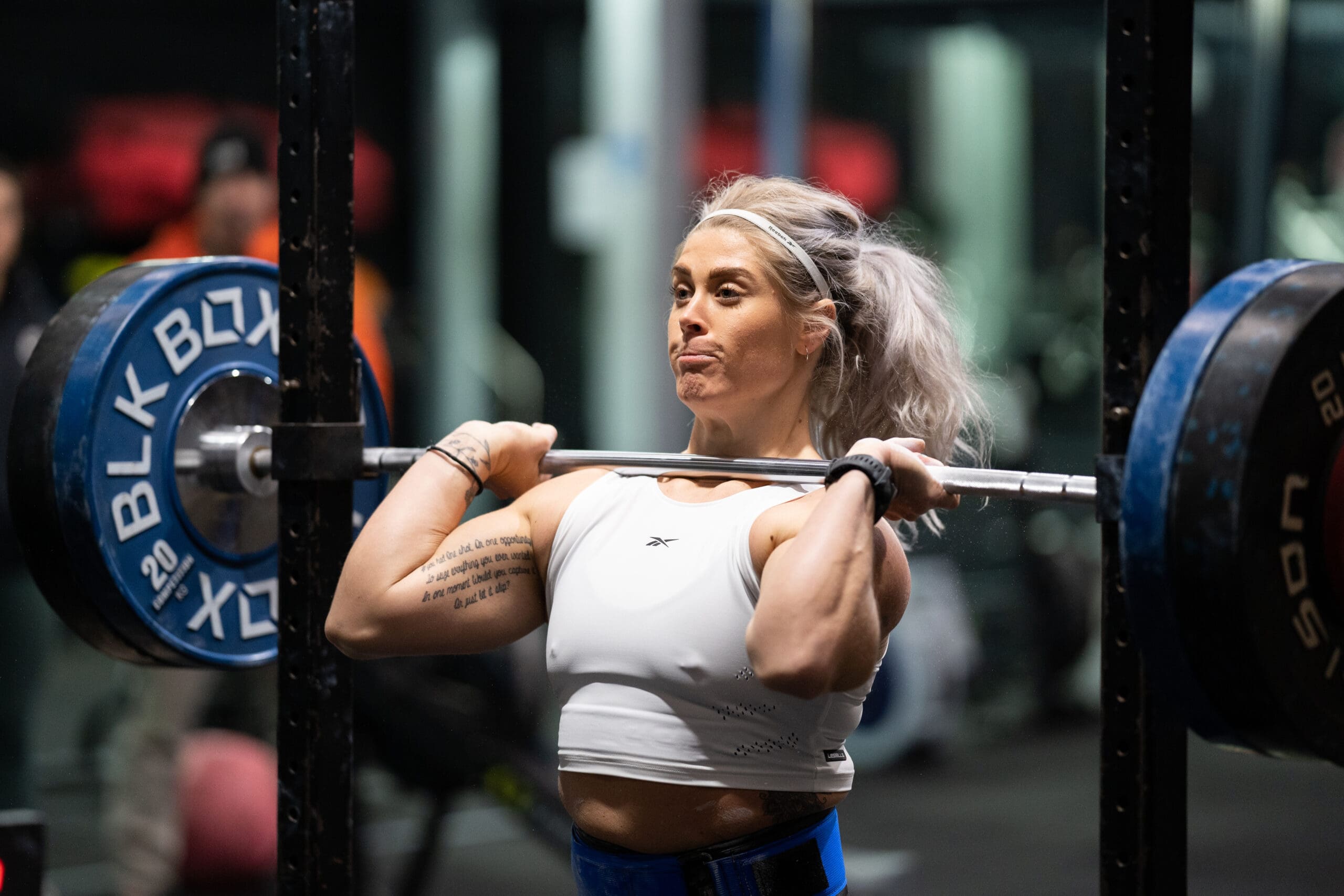


The clean and jerk is one of the most technically demanding lifts in strength training. While most athletes focus on pulling power or leg drive, the front rack position often becomes the hidden limiter. If your elbows drop, your wrists hurt, or the bar feels unstable on your shoulders, your clean and jerk will suffer regardless of how strong you are.
The front rack is not just a passive position. It is an active, structured position that requires mobility, stability, coordination, and strength. Poor front rack mechanics can reduce force transfer, increase injury risk, and limit performance in both the clean and the jerk phase.
This article breaks down the science behind front rack problems and gives you clear, practical ways to fix them.
Why the Front Rack Matters
The front rack position determines how efficiently you can receive and stabilize the bar after the clean, and how effectively you can transition into the jerk. If the bar is not properly supported on the shoulders, the arms and wrists take on unnecessary load, which leads to energy leaks and discomfort.
Force Transfer and Efficiency
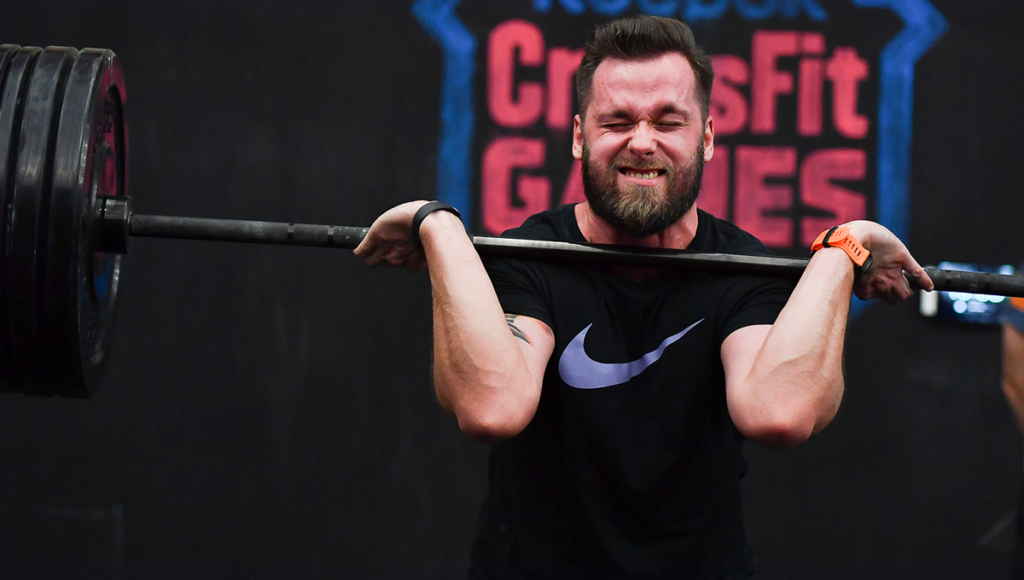
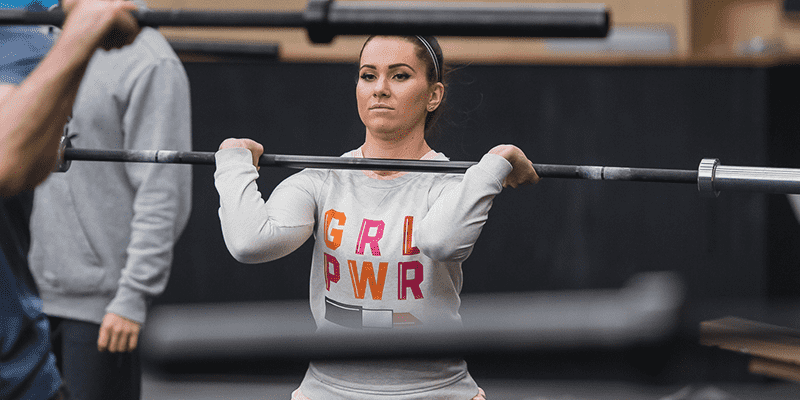
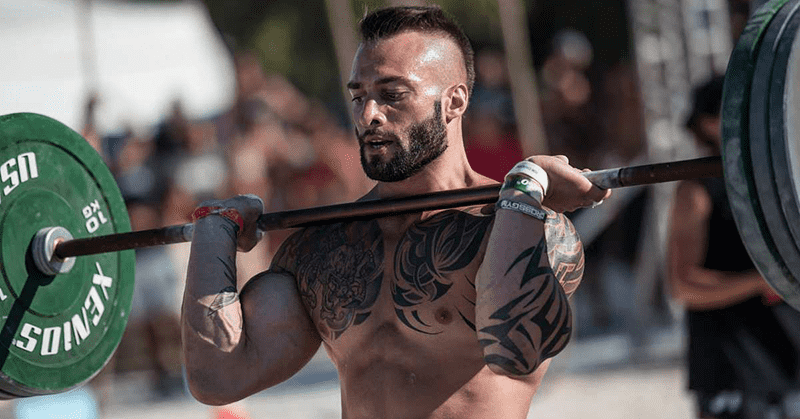
In an optimal front rack, the bar rests across the anterior deltoids with the elbows high. This allows the skeleton to support the load instead of relying heavily on muscle tension. When the elbows drop, the bar shifts forward, increasing the moment arm and requiring more muscular effort to maintain position.
Biomechanical research shows that efficient load transfer through aligned joints reduces energy expenditure and improves performance. When joints are stacked, forces move vertically through the body, minimizing shear stress and unnecessary muscular compensation.
Injury Risk
A poor front rack position increases stress on the wrists, elbows, and lower back. Wrist hyperextension under load can lead to ligament strain, while a collapsed thoracic spine can increase compressive forces on the lumbar region. Studies on lifting mechanics have demonstrated that improper joint alignment under load increases injury risk due to uneven force distribution and tissue overload.
Impact on the Jerk
If your front rack is unstable, your dip and drive will also be inconsistent. The jerk relies on vertical force production. If the bar is not directly over the midfoot during the dip, force is lost and balance is compromised.
Common Front Rack Problems
Before fixing the issue, you need to identify what is going wrong. Most front rack problems fall into a few key categories.
Low Elbows
Low elbows are one of the most common issues. This shifts the bar forward and makes it harder to keep the chest upright.
Causes include:
- Poor thoracic extension
- Tight lats
- Weak upper back
- Lack of positional awareness
Wrist Pain
Many athletes complain of wrist pain in the front rack. This usually comes from excessive wrist extension due to poor positioning elsewhere.
Causes include:
- Limited wrist mobility
- Improper grip width
- Bar not resting on shoulders
- Over reliance on the hands instead of the shoulders
Bar Rolling Forward
If the bar rolls forward during the clean or dip, it indicates a lack of structural support.
Causes include:
- Weak anterior deltoids
- Poor scapular positioning
- Inadequate core stability
- Low elbows
Collapsed Chest
A rounded upper back prevents proper bar placement and reduces stability.
Causes include:
- Weak thoracic extensors
- Poor posture habits
- Lack of upper back strength
- Tight pecs and lats
The Science of the Front Rack Position
To fix the front rack, you need to understand what the position requires from a physiological and biomechanical perspective.
Thoracic Spine Extension
The thoracic spine must extend to allow the chest to stay upright and the elbows to stay high. Limited thoracic extension is strongly associated with poor lifting mechanics. Research has shown that thoracic mobility directly influences shoulder and upper limb function. When the thoracic spine is stiff, compensations occur at the shoulders and wrists.
Shoulder Flexion and External Rotation
The shoulders must be able to flex and externally rotate to support the bar. This allows the elbows to come forward and up. Limited shoulder mobility restricts elbow position and increases strain on the wrists.
Wrist Extension Capacity
The wrist must tolerate extension under load. However, the goal is not extreme mobility, but rather enough range to maintain a relaxed grip with the bar resting on the shoulders.
Scapular Stability
The scapulae must provide a stable base for the shoulders. Proper upward rotation and protraction help support the bar. Scapular dysfunction has been linked to decreased force production and increased injury risk in overhead and front loaded movements.
Core Stability
The front rack requires strong trunk stiffness to maintain an upright torso. Without it, the chest collapses and the bar drifts forward. Core stability research highlights the importance of spinal stiffness in transferring force and maintaining posture under load.
How to Assess Your Front Rack
Before jumping into fixes, assess your current position.
Quick Self Assessment
Stand with a barbell in the front rack and check:
- Are your elbows above parallel?
- Is the bar resting on your shoulders or in your hands?
- Can you maintain a neutral wrist without pain?
- Is your chest upright or collapsing?
Mobility Screens
Try these simple tests:
- Thoracic extension over a foam roller
- Shoulder flexion test against a wall
- Wrist extension test on the floor
Limitations in these areas often correlate with front rack issues.
Fixing Mobility Limitations
Mobility is often the first barrier to a good front rack.
Thoracic Spine Mobility
Improving thoracic extension can dramatically improve elbow position.
Effective drills include:
- Foam roller extensions
- Quadruped thoracic rotations
- Wall slides
These movements increase spinal mobility and improve posture.
Lat Flexibility
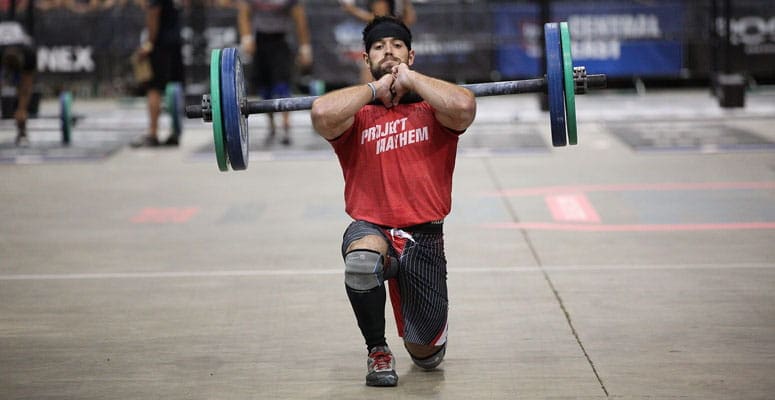
Tight lats restrict shoulder flexion and pull the elbows down.
Try:
- Overhead band stretches
- Child’s pose with side reach
- Hanging from a bar
Research shows that stretching can improve range of motion and reduce stiffness when performed consistently.
Wrist Mobility
Gradual exposure to wrist extension is key.
Exercises:
- Wrist rocks on the floor
- Barbell front rack holds with light weight
- Passive stretching with load
Progress slowly to avoid irritation.
Pec and Shoulder Mobility
Tight chest muscles can pull the shoulders forward.
Use:
- Doorway pec stretch
- Banded shoulder openers
- Sleeper stretch
Building Strength for the Front Rack
Mobility alone is not enough. You need strength to hold the position under load.
Front Squats
Front squats are the most direct way to improve the front rack.
Focus on:
- High elbows
- Upright torso
- Full depth
Studies show that front squats place greater demand on the quadriceps and require more upright posture compared to back squats, reinforcing front rack mechanics.
Paused Front Squats
Pausing in the bottom position increases time under tension and improves positional awareness.
Zombie Squats
Holding the bar without hands forces proper bar placement and posture.
Front Rack Holds
Static holds with heavy weight build tolerance and stability.
Upper Back Strength
A strong upper back supports the bar.
Key exercises:
- Bent over rows
- Face pulls
- Reverse flyes
Strengthening the upper back improves posture and reduces collapse under load.
Technique Adjustments
Sometimes the issue is not mobility or strength, but technique.
Grip Width
A slightly wider grip can reduce wrist strain and improve elbow position.
Relax the Hands
The bar should rest on the shoulders, not be gripped tightly. Many elite lifters use only a few fingers on the bar.
Elbow Cueing
Think about driving the elbows forward rather than up. This often produces a better position.
Breath and Bracing
Take a deep breath and brace the core before receiving the bar. This stabilizes the torso and prevents collapse.
Programming Fixes Into Your Training
Consistency is key. You need to integrate these fixes into your training program.
Daily Mobility Work
Spend 10 to 15 minutes on mobility drills before training.
Frequency
Train the front rack position multiple times per week.
Progressive Loading
Gradually increase load in front rack holds and squats.
Technique Practice
Use light weights to refine position without fatigue. Motor learning research shows that frequent, low fatigue practice improves skill acquisition more effectively than infrequent heavy sessions.
Common Mistakes to Avoid
Over Stretching Without Strength
Mobility without strength leads to unstable positions.
Ignoring Pain Signals
Pain in the wrists or elbows should not be ignored. Adjust load and technique.
Rushing the Process
Improving the front rack takes time. Consistency matters more than intensity.
Putting It All Together
Fixing your front rack is about combining mobility, strength, and technique. No single drill will solve the problem. You need a structured approach that addresses all contributing factors.
Start by identifying your specific limitation. Then apply targeted mobility work, build strength in the correct positions, and refine your technique.
Over time, your front rack will become more comfortable, stable, and efficient, leading to better cleans, stronger jerks, and reduced injury risk.
References
- Behm, D.G. and Chaouachi, A., 2011. A review of the acute effects of static and dynamic stretching on performance. European Journal of Applied Physiology, 111(11), pp.2633–2651.
- Comfort, P., McMahon, J.J. and Suchomel, T.J., 2019. Optimizing squat technique for performance and injury prevention. Strength and Conditioning Journal, 41(6), pp.86–94.
- Hibbs, A.E., Thompson, K.G., French, D., Wrigley, A. and Spears, I., 2008. Optimizing performance by improving core stability and core strength. Sports Medicine, 38(12), pp.995–1008.
- Kibler, W.B., Press, J. and Sciascia, A., 2006. The role of core stability in athletic function. Sports Medicine, 36(3), pp.189–198.
- McGill, S.M., 2010. Core training: Evidence translating to better performance and injury prevention. Strength and Conditioning Journal, 32(3), pp.33–46.
- Neumann, D.A., 2010. Kinesiology of the musculoskeletal system. Mosby, pp.400–450.
- Schoenfeld, B.J., 2010. Squatting kinematics and kinetics and their application to exercise performance. Journal of Strength and Conditioning Research, 24(12), pp.3497–3506.
- Struyf, F., Nijs, J., Mollekens, S., Jeurissen, I., Truijen, S., Mottram, S. and Meeusen, R., 2013. Scapular focused treatment in patients with shoulder impingement syndrome. British Journal of Sports Medicine, 47(5), pp.320–325.