


Building strength is one of the best things you can do for your long term health. It improves muscle mass, boosts metabolism, strengthens bones, and supports mental wellbeing. However, many people associate strength training with joint pain, stiffness, and injury. That concern is not unfounded. Poor technique, excessive loading, and bad programming can stress joints in ways that lead to problems over time.
The good news is that strength training, when done correctly, actually protects and improves joint health. Science consistently shows that well designed resistance training strengthens connective tissue, improves joint stability, and reduces injury risk.
This article breaks down exactly how to build strength without damaging your joints. You will learn the principles that matter, the mistakes to avoid, and the evidence behind each recommendation.
Why Strength Training Is Good for Your Joints
Before addressing how to avoid joint damage, it is important to understand that resistance training is not inherently harmful. In fact, it is one of the most effective ways to improve joint function.
Muscle Strength Reduces Joint Stress
Stronger muscles absorb more force. This means less load is transferred directly to passive structures like ligaments and cartilage. When muscles are weak, joints take more of the stress.

Research shows that increased muscular strength improves joint stability and reduces the risk of injury, especially in the knees and shoulders.
Tendons and Ligaments Adapt to Load
Connective tissues are not static. Tendons and ligaments adapt to mechanical loading by becoming stronger and more resilient. Resistance training increases collagen synthesis and improves tendon stiffness, which enhances force transfer and reduces injury risk.
Cartilage Benefits from Movement
Cartilage does not have a direct blood supply. It relies on movement and compression to receive nutrients. Regular loading through strength training improves cartilage health by promoting nutrient exchange.
Studies on individuals with osteoarthritis show that properly structured resistance training reduces pain and improves joint function rather than worsening the condition.
The Real Reasons Joints Get Wrecked
Joint pain from training usually comes down to a few common issues. Understanding these will help you avoid them.
Poor Technique
Incorrect movement patterns place uneven stress on joints. For example, letting the knees collapse inward during squats increases stress on the knee joint. Poor shoulder positioning during pressing movements can overload the rotator cuff.
Technique matters more than the amount of weight you lift.
Excessive Load Too Soon
Progressing weight too quickly is a major cause of joint irritation. Muscles adapt faster than tendons and ligaments. This creates a mismatch where the muscle can handle the load but the connective tissue cannot.
Lack of Movement Variety
Repeating the same movement patterns over and over can lead to overuse injuries. Joints benefit from varied angles and ranges of motion.

Insufficient Recovery
Training stress without enough recovery leads to chronic inflammation and tissue breakdown. Sleep, nutrition, and rest days are essential for joint health.
Ignoring Pain Signals
Pain is feedback. Pushing through sharp or persistent joint pain often leads to more serious problems.
Principles for Joint Friendly Strength Training
Now that we know what causes joint problems, we can focus on how to train safely and effectively.
Prioritize Proper Technique
Good technique distributes force evenly across joints and muscles. Focus on controlled movement. Avoid bouncing or jerking weights. Maintain proper alignment of joints throughout each exercise.
Working with a coach or filming your lifts can help identify technical errors.
Use Full Range of Motion
Training through a full range of motion improves joint health and flexibility. It strengthens muscles and connective tissue at all angles. Partial reps can have a place, but relying on them exclusively limits joint adaptation.
Progress Gradually
Increase weight, volume, or intensity slowly over time. A common guideline is to increase load by no more than five to ten percent per week. This allows connective tissue to adapt alongside muscle.
Balance Strength Across Muscle Groups
Muscle imbalances can lead to joint stress. For example, strong quadriceps with weak hamstrings can increase knee injury risk. Train opposing muscle groups evenly. Include both pushing and pulling movements.
Incorporate Eccentric Training
Eccentric contractions occur when muscles lengthen under tension. This type of training has been shown to improve tendon strength and reduce injury risk. Slow lowering phases in exercises are an effective way to include eccentric work.
Train Stability and Control
Joint stability depends on small stabilizing muscles as well as larger prime movers. Exercises that challenge balance and control improve joint resilience. Single leg exercises, controlled tempo work, and isometric holds are all useful.
Exercise Selection for Healthy Joints
Choosing the right exercises can make a big difference in joint health.
Compound Movements Done Right
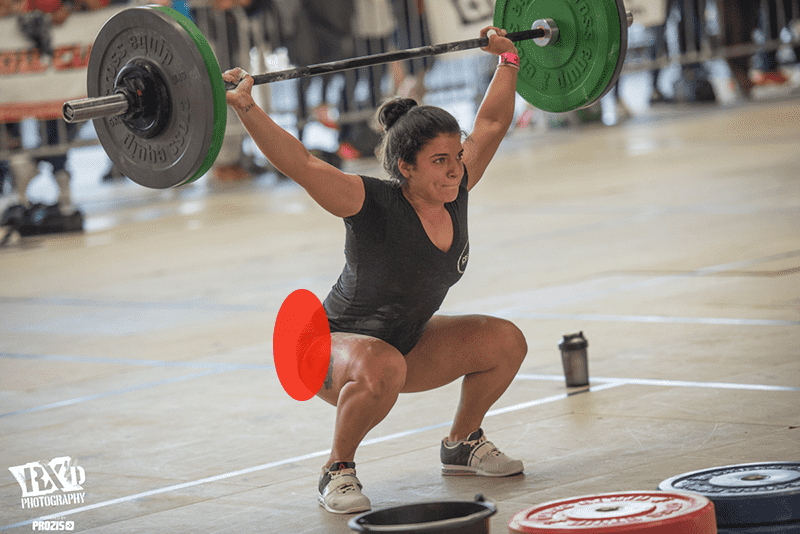
Compound exercises like squats, deadlifts, and presses are highly effective for building strength. When performed correctly, they distribute load across multiple joints and muscle groups. Modify these movements if needed. For example, use goblet squats instead of back squats if mobility is limited.
Use Joint Friendly Variations
Certain variations reduce joint stress while still providing a strong stimulus.
For example, using neutral grip dumbbells instead of a barbell can reduce shoulder strain. Trap bar deadlifts often place less stress on the lower back compared to conventional deadlifts.
Machines Are Not the Enemy
Machines can be useful, especially for beginners or those with joint issues. They provide stability and allow you to focus on specific muscles without worrying about balance. They can also be helpful during rehabilitation.
Avoid Movements That Cause Pain
No exercise is mandatory. If a movement consistently causes joint pain, replace it with a similar movement that does not. Pain free training is more sustainable and effective.
Programming Strategies That Protect Your Joints
How you structure your training program matters just as much as the exercises you choose.
Manage Volume and Intensity
Too much volume or intensity increases the risk of joint irritation. Balance hard sessions with lighter ones. Periodization, which involves cycling different training intensities over time, has been shown to improve performance while reducing injury risk.
Include Deload Weeks
Deload weeks involve reducing training intensity or volume to allow recovery. These are especially important during long training cycles. They help prevent overuse injuries and chronic joint stress.
Train Each Muscle Multiple Times per Week
Spreading training volume across multiple sessions reduces the stress on joints in any single workout. For example, training legs two or three times per week instead of once allows for better recovery and adaptation.
Warm Up Properly
A good warm up prepares joints and muscles for loading. It increases blood flow, improves mobility, and activates key muscles. Dynamic movements and light sets of the main exercise are effective.
Cool Down and Mobility Work
Post training mobility work can help maintain joint range of motion. Stretching and controlled mobility exercises are beneficial, especially for areas that feel tight.
The Role of Recovery in Joint Health
Training is only part of the equation. Recovery plays a critical role in protecting your joints.
Sleep Is Essential
Sleep is when the body repairs and rebuilds tissue. Poor sleep is associated with increased injury risk and slower recovery. Aim for seven to nine hours of quality sleep per night.
Nutrition Supports Tissue Health
Protein provides the building blocks for muscle and connective tissue. Collagen rich foods and adequate vitamin C intake support tendon and ligament health. Omega three fatty acids can help reduce inflammation.
Manage Stress
Chronic stress can impair recovery and increase inflammation. This can negatively affect joint health. Practices such as mindfulness, breathing exercises, and regular physical activity can help manage stress.
Special Considerations for Common Joint Issues
Some joints are more prone to problems than others. Here is how to protect them.
Knee Health
Focus on strengthening the quadriceps, hamstrings, and glutes. Ensure proper knee tracking during movements. Avoid excessive forward knee collapse and control the descent in squats and lunges.

Shoulder Health
The shoulder is highly mobile and therefore less stable. Strengthen the rotator cuff and upper back muscles. Include pulling movements such as rows and face pulls. Avoid excessive internal rotation during pressing.
Lower Back Health
Maintain a neutral spine during lifting. Strengthen the core and posterior chain. Exercises like deadlifts, hip thrusts, and planks are effective when done correctly.
The Importance of Individualization
There is no one size fits all approach to strength training. Factors such as age, injury history, mobility, and training experience all influence how you should train.
Listening to your body and adjusting your program accordingly is key. Working with a qualified coach or physical therapist can provide personalized guidance.
What the Research Says About Long Term Joint Health
Long term studies provide valuable insight into the effects of strength training on joints. Research comparing weightlifters to sedentary individuals shows that properly trained athletes do not have higher rates of joint degeneration. In many cases, they have better joint health.
Resistance training has also been shown to reduce pain and improve function in individuals with arthritis. These findings support the idea that strength training, when done correctly, is protective rather than harmful.
Common Myths About Strength Training and Joints
Heavy Weights Are Bad for Your Joints
Heavy lifting is not inherently harmful. The key is proper technique and gradual progression. In fact, higher loads can stimulate stronger adaptations in muscles and connective tissue when applied appropriately.
High Reps Are Safer
High repetition training can still stress joints, especially if done to fatigue with poor form. Both low and high rep training can be safe or risky depending on how they are performed.
Pain Is Normal
Discomfort during training is common, but sharp or persistent joint pain is not normal and should not be ignored.
Putting It All Together
Building strength without damaging your joints comes down to a few key principles.
Train with good technique. Progress gradually. Choose exercises that suit your body. Balance your program. Prioritize recovery. When these elements are in place, strength training becomes one of the most effective tools for improving joint health.
Conclusion
Strength training does not have to come at the cost of your joints. In fact, it is one of the best ways to protect them.
By following evidence based principles and paying attention to how your body responds, you can build impressive strength while keeping your joints healthy and resilient. The goal is not just to get stronger, but to stay strong for years to come.
References
- American College of Sports Medicine (2009). Progression models in resistance training for healthy adults. Medicine and Science in Sports and Exercise, 41(3), pp. 687 to 708.
- Franchi, M. V., Reeves, N. D. and Narici, M. V. (2017). Skeletal muscle remodeling in response to eccentric vs concentric loading. Frontiers in Physiology, 8, p. 447.
- Kell, R. T. (2011). The influence of periodized resistance training on strength changes in men and women. Journal of Strength and Conditioning Research, 25(3), pp. 735 to 744.
- Kraemer, W. J. and Ratamess, N. A. (2004). Fundamentals of resistance training. Medicine and Science in Sports and Exercise, 36(4), pp. 674 to 688.
- Mangine, G. T. et al. (2015). Resistance training intensity and volume affect changes in muscle strength. Journal of Strength and Conditioning Research, 29(11), pp. 2958 to 2968.
- McAlindon, T. E. et al. (2014). OARSI guidelines for the non surgical management of knee osteoarthritis. Osteoarthritis and Cartilage, 22(3), pp. 363 to 388.
- Peterson, M. D., Rhea, M. R. and Alvar, B. A. (2004). Applications of the dose response for muscular strength development. Medicine and Science in Sports and Exercise, 36(2), pp. 377 to 382.
- Reeves, N. D., Maganaris, C. N. and Narici, M. V. (2003). Effect of strength training on human patella tendon mechanical properties. Journal of Physiology, 548(3), pp. 971 to 981.
- Roig, M. et al. (2009). The effects of eccentric versus concentric resistance training on muscle strength and mass. British Journal of Sports Medicine, 43(8), pp. 556 to 568.
- Smith, S. S. et al. (2003). The effects of resistance training on joint pain and function in osteoarthritis. Arthritis and Rheumatism, 48(5), pp. 1353 to 1361.
- Westcott, W. L. (2012). Resistance training is medicine. Current Sports Medicine Reports, 11(4), pp. 209 to 216.