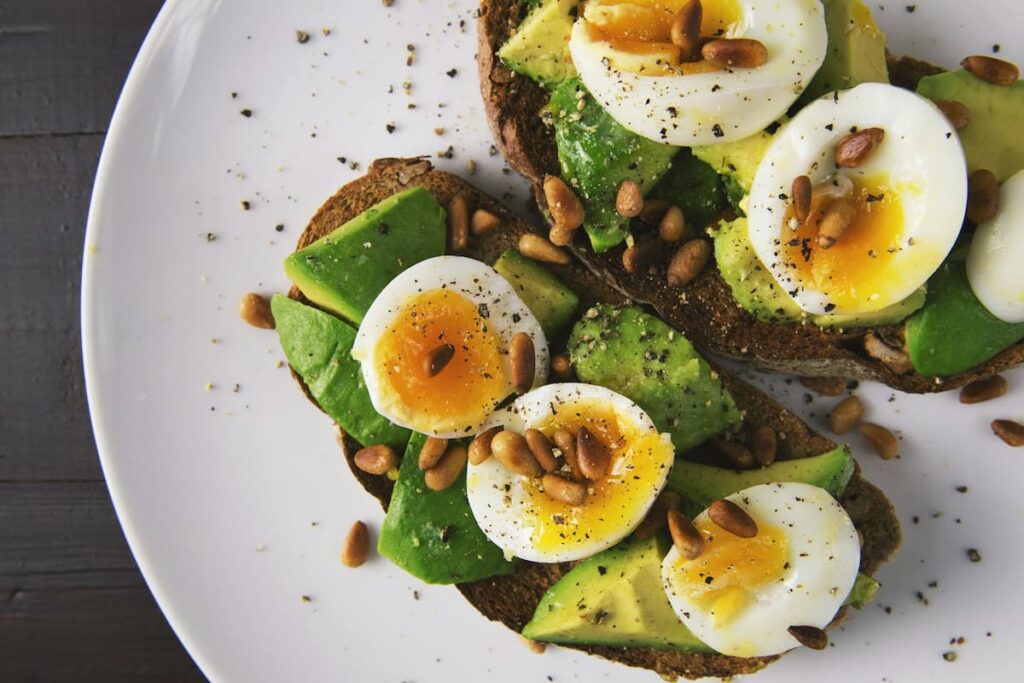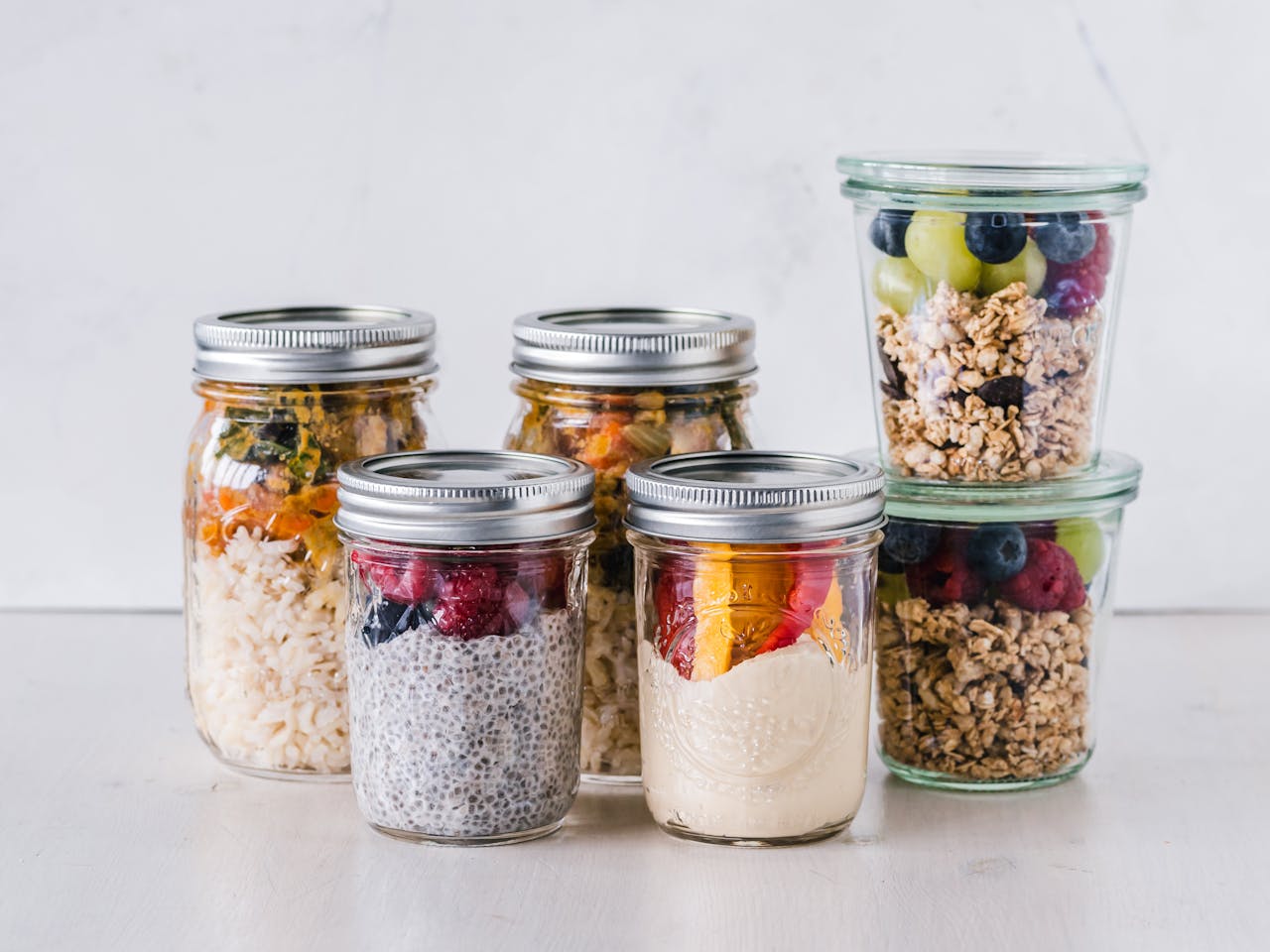


Cooking and prepping a full week of balanced meals can feel overwhelming. Many people assume it requires extreme discipline, expensive ingredients, or hours in the kitchen every day.
In reality, evidence-based meal prep is one of the most reliable ways to improve diet quality, support physical performance, manage body weight, and reduce stress around food.
This article breaks down exactly how to plan, cook, store, and eat a week of balanced meals using well-established nutritional science. The focus is practicality: what to do, why it works, and how to apply it without unnecessary complexity.
What “Balanced Meals” Actually Means
Macronutrients: The Foundation
A balanced meal includes all three macronutrients: protein, carbohydrates, and fat. Each plays a distinct physiological role.
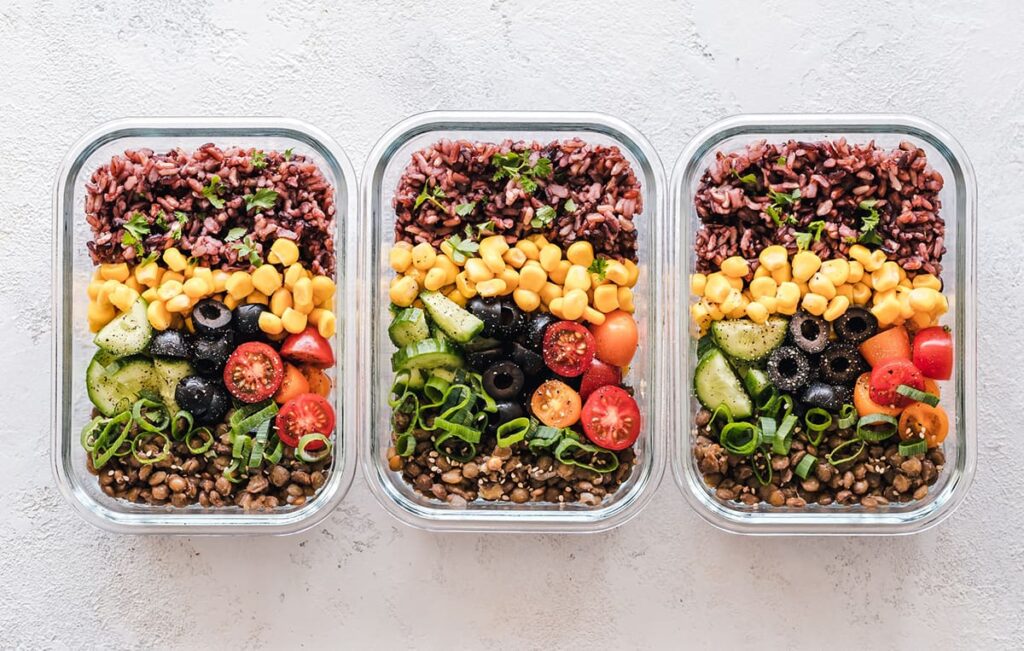
Protein provides essential amino acids required for muscle protein synthesis, immune function, and enzyme production. Adequate protein intake is consistently associated with improved body composition and satiety, particularly in active individuals (Phillips and Van Loon, 2011).
Carbohydrates are the body’s primary energy source, especially for high-intensity exercise and brain function. Diets that include sufficient carbohydrate support training performance, glycogen replenishment, and hormonal balance (Burke et al., 2011).
Dietary fat is essential for hormone production, absorption of fat-soluble vitamins (A, D, E, K), and cell membrane integrity. Unsaturated fats, in particular, are linked to improved cardiovascular health (Mensink et al., 2003).
A balanced meal typically includes:
- A high-quality protein source
- A complex carbohydrate source
- A source of healthy fats
This combination improves satiety, stabilizes blood glucose, and supports overall metabolic health (Ludwig et al., 2018).
Micronutrients and Dietary Variety
Beyond macronutrients, balanced meals must provide vitamins, minerals, and phytonutrients. Diets rich in vegetables, fruits, whole grains, and legumes are consistently associated with reduced risk of chronic disease (Aune et al., 2017).
Meal prepping encourages dietary variety by forcing intentional food choices rather than reactive eating. Studies show that people who plan meals in advance have higher overall diet quality and lower rates of obesity (Pope et al., 2015).
Why Meal Prep Works: The Science
Improved Diet Quality
Meal prepping is strongly associated with improved nutrient intake. People who prepare meals at home consume more fiber, fewer ultra-processed foods, and less added sugar than those who rely on convenience foods (Mills et al., 2017).
Planning meals ahead reduces reliance on decision-making under stress, which is when people are most likely to choose calorie-dense, nutrient-poor foods (Wansink and Sobal, 2007).
Better Energy Balance and Weight Management
Regular meal preparation is linked to better energy regulation. High-protein, high-fiber meals increase satiety and reduce spontaneous calorie intake later in the day (Hall et al., 2015).
Meal prep also reduces portion distortion. When meals are pre-portioned, people are less likely to overeat compared to eating directly from large containers or restaurant servings (Rolls et al., 2004).
Reduced Cognitive Load and Stress
Decision fatigue plays a significant role in dietary inconsistency. Repeated food decisions increase mental fatigue, which negatively affects self-control (Baumeister et al., 2007).
By preparing meals in advance, you remove dozens of daily decisions. This has been shown to improve adherence to dietary goals and reduce perceived stress around eating (Pope et al., 2015).
Step 1: Planning a Balanced Week

Determine Calorie and Protein Needs
While exact calorie needs vary, protein intake is the most important variable for most people. Research consistently supports a daily protein intake of 1.6–2.2 grams per kilogram of bodyweight for active individuals to support muscle maintenance and satiety (Morton et al., 2018).
Once protein targets are set, carbohydrates and fats can be adjusted based on activity level, training volume, and personal preference.
Choose a Simple Weekly Structure
Consistency simplifies meal prep. Eating similar breakfasts and lunches while varying dinners improves adherence without sacrificing nutrient intake (Stubbs et al., 2018).
A common structure:
- 1–2 breakfast options
- 2 lunch options
- 3–4 dinner options
- Flexible snacks
This approach balances variety and efficiency.
Build Meals Using a Template
A science-based meal template looks like this:
- Protein: 25–40 g per meal
- Carbohydrate: 30–70 g per meal (depending on activity)
- Fat: 10–20 g per meal
- Vegetables: at least one cup per meal
Meals built this way improve post-meal glucose control and prolong satiety (Ludwig et al., 2018).
Step 2: Smart Grocery Shopping
Focus on Whole, Minimally Processed Foods
Whole foods are consistently associated with improved metabolic health compared to ultra-processed foods, even when calorie intake is matched (Hall et al., 2019).
Core grocery categories:
- Lean proteins: chicken, turkey, eggs, fish, tofu, legumes
- Complex carbohydrates: rice, potatoes, oats, quinoa, whole-grain pasta
- Healthy fats: olive oil, nuts, seeds, avocado
- Vegetables and fruit: fresh or frozen
Frozen vegetables are nutritionally comparable to fresh and often retain more vitamins due to rapid freezing after harvest (Rickman et al., 2007).
Batch-Friendly Ingredients
Choose foods that cook well in large quantities and reheat safely:
- Roasted vegetables
- Rice and grain dishes
- Slow-cooked proteins
- Soups and stews
These foods maintain texture and nutrient content when stored properly (McGee, 2004).
Step 3: Efficient Cooking Strategies

Batch Cooking Proteins
Cooking protein in bulk saves time and improves consistency.
Effective methods:
- Oven roasting (chicken, fish)
- Slow cooking (beef, pork, legumes)
- Pan searing (ground meats)
Cooking meat to safe internal temperatures reduces foodborne illness risk without excessive nutrient loss (USDA guidelines supported by thermal inactivation research; Doyle and Erickson, 2012).
Carbohydrates: Cook Once, Use Many Ways
Cook large batches of rice, potatoes, or grains at the start of the week. Cooked starches can be repurposed into multiple meals.
Interestingly, cooling and reheating starches increases resistant starch formation, which improves insulin sensitivity and gut health (Birt et al., 2013).
Vegetables: Roast, Steam, or Sauté
Cooking methods influence nutrient retention. Steaming and roasting preserve antioxidants better than boiling, which causes water-soluble vitamin loss (Favell, 1998).
A mix of raw and cooked vegetables maximizes micronutrient absorption, as some compounds become more bioavailable with heat (such as lycopene in tomatoes) (van Het Hof et al., 2000).
Step 4: Food Safety and Storage
Refrigeration and Shelf Life
Proper storage is essential for both safety and nutrient preservation.
General guidelines:
- Cooked meals: 3–4 days refrigerated
- Frozen meals: up to 3 months
- Cooked rice: 3–4 days refrigerated
These guidelines align with microbial growth research and food safety standards (Ray and Bhunia, 2013).
Containers and Portioning
Airtight containers reduce oxidation and moisture loss. Glass containers are inert and reduce chemical migration compared to some plastics (Muncke, 2011).
Pre-portioning meals improves portion control and dietary adherence (Rolls et al., 2004).
Step 5: Building Balanced Meals for the Week
Breakfasts
Protein-rich breakfasts improve appetite control throughout the day compared to carbohydrate-heavy breakfasts (Leidy et al., 2013).
Balanced breakfast examples:
- Eggs, roasted vegetables, and potatoes
- Greek yogurt, berries, oats, and nuts
- Protein-rich smoothies with fruit and oats
Aim for at least 25–30 g of protein at breakfast for optimal satiety (Leidy et al., 2013).
Lunches
Lunch should sustain energy without causing post-meal fatigue. Balanced lunches with moderate carbohydrates and adequate protein support afternoon cognitive performance (Benton and Parker, 1998).
Examples:
- Chicken, rice, vegetables, olive oil
- Lentil and quinoa bowls
- Tuna, potatoes, and mixed greens
Dinners
Dinner composition depends on training schedule and personal preference. Including carbohydrates at dinner does not impair fat loss when calories are controlled and may improve sleep quality via serotonin pathways (Afaghi et al., 2007).
Examples:
- Salmon, sweet potatoes, roasted vegetables
- Beef stir-fry with rice
- Tofu and vegetable curry with grains
Snacks
Snacks should support protein and fiber intake rather than replace meals.
Evidence-based snacks:
- Greek yogurt
- Fruit with nuts
- Cottage cheese
- Hummus and vegetables
High-protein snacks improve daily protein distribution and muscle protein synthesis (Areta et al., 2013).
Step 6: Adapting Meal Prep to Training and Lifestyle

For Strength and CrossFit Athletes
Higher carbohydrate intake supports high-intensity training and glycogen replenishment. Low-carbohydrate approaches may impair repeated sprint and resistance performance (Burke et al., 2011).
Athletes benefit from:
- Carbohydrates around training
- Higher protein intake
- Consistent meal timing
For Fat Loss Goals
Calorie control matters most, but protein intake preserves lean mass during energy restriction (Pasiakos et al., 2013).
Meal prep improves adherence to calorie targets by reducing impulsive eating and portion creep.
For Busy Schedules
Even partial meal prep improves outcomes. Prepping just lunches or proteins still increases diet quality and reduces reliance on fast food (Mills et al., 2017).
Common Meal Prep Mistakes (and the Evidence)
Overcomplicating Meals
Complex recipes increase prep time and reduce adherence. Simpler meals improve long-term consistency, which is the strongest predictor of dietary success (Stubbs et al., 2018).
Ignoring Protein Distribution
Spreading protein evenly across meals maximizes muscle protein synthesis compared to skewing intake toward one meal (Areta et al., 2013).
Poor Food Storage
Improper storage increases food waste and risk of illness. Following evidence-based storage guidelines improves safety and sustainability (Ray and Bhunia, 2013).
Long-Term Sustainability
Meal prep works best when it is flexible. Rigid approaches increase burnout, while adaptable systems improve long-term success (Teixeira et al., 2015).
Using evidence-based principles rather than strict rules allows meal prep to evolve with training cycles, seasons, and lifestyle changes.
References
- Afaghi, A., O’Connor, H. and Chow, C.M. (2007). High-glycemic-index carbohydrate meals shorten sleep onset. The American Journal of Clinical Nutrition, 85(2), pp.426–430.
- Areta, J.L., Burke, L.M., Ross, M.L., Camera, D.M., West, D.W., Broad, E.M., Jeacocke, N.A., Moore, D.R., Stellingwerff, T., Phillips, S.M. and Hawley, J.A. (2013). Timing and distribution of protein ingestion during prolonged recovery from resistance exercise alters muscle protein synthesis. Journal of Physiology, 591(9), pp.2319–2331.
- Aune, D., Giovannucci, E., Boffetta, P., Fadnes, L.T., Keum, N., Norat, T., Greenwood, D.C., Riboli, E., Vatten, L.J. and Tonstad, S. (2017). Fruit and vegetable intake and the risk of cardiovascular disease, total cancer and all-cause mortality. International Journal of Epidemiology, 46(3), pp.1029–1056.
- Baumeister, R.F., Vohs, K.D., Tice, D.M. and Baumeister, R.F. (2007). The strength model of self-control. Current Directions in Psychological Science, 16(6), pp.351–355.
- Benton, D. and Parker, P.Y. (1998). Breakfast, blood glucose, and cognition. The American Journal of Clinical Nutrition, 67(4), pp.772S–778S.
- Birt, D.F., Boylston, T., Hendrich, S., Jane, J.L., Hollis, J., Li, L., McClelland, J., Moore, S., Phillips, G.J., Rowling, M. and Schalinske, K. (2013). Resistant starch: promise for improving human health. Advances in Nutrition, 4(6), pp.587–601.
- Burke, L.M., Hawley, J.A., Wong, S.H. and Jeukendrup, A.E. (2011). Carbohydrates for training and competition. Journal of Sports Sciences, 29(sup1), pp.S17–S27.
- Doyle, M.P. and Erickson, M.C. (2012). Opportunities for mitigating pathogen contamination during on-farm food production. International Journal of Food Microbiology, 152(3), pp.54–74.