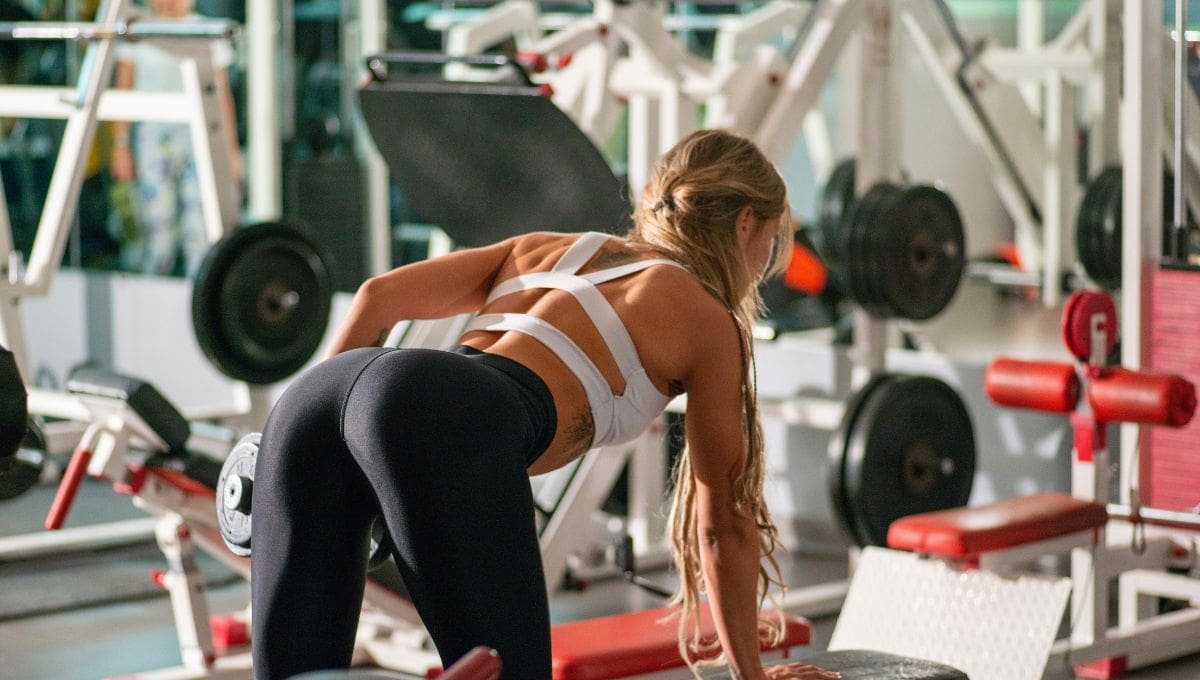


Strong glutes are about far more than appearance. The gluteal muscles play a central role in posture, athletic performance, injury prevention, and long term joint health. When trained properly, they improve how you move, how you lift, and how your body feels during daily life.
This guide gives you a clear, science backed plan to strengthen your glutes in 30 days. You will learn how the muscles work, which exercises are most effective, how to structure your training, and how to support your progress with recovery and nutrition.
Everything here is practical and designed for real results.
Understanding the Glutes
The Three Glute Muscles
The glutes are made up of three muscles:
- Gluteus maximus: The largest and most powerful muscle. It drives hip extension and is responsible for movements like standing up, sprinting, and lifting.
- Gluteus medius: Located on the outer hip. It stabilizes the pelvis and plays a key role in balance and walking.
- Gluteus minimus: A smaller stabilizer that assists the medius.
Each of these muscles needs to be trained for full development. Ignoring any one of them can lead to weakness, imbalance, and injury risk.
Why Strong Glutes Matter
Strong glutes contribute to:
- Better posture and reduced lower back pain
- Improved sprinting, jumping, and lifting performance
- Reduced risk of knee and hip injuries
- Enhanced force production in compound movements
Research consistently shows that weak or inactive glutes are linked to movement dysfunction and injury, especially in the lower back and knees.

Glute Activation and Modern Lifestyle
Sitting for long periods reduces glute activation. This phenomenon is often referred to as gluteal inhibition. When the glutes are not firing properly, other muscles such as the lower back and hamstrings compensate.
Studies using electromyography show that prolonged sitting reduces neuromuscular efficiency in the glutes, which can negatively impact performance and increase injury risk.
Principles of Glute Growth
Progressive Overload
Muscle growth requires gradually increasing the challenge placed on the muscle. This can be achieved by:
- Adding weight
- Increasing repetitions
- Improving range of motion
- Slowing down tempo
Without progressive overload, the body has no reason to adapt.
Mechanical Tension
Mechanical tension is the primary driver of hypertrophy. Exercises that place the glutes under load through a full range of motion are most effective.
Heavy compound movements and controlled isolation exercises both contribute to this.
Metabolic Stress
High repetition sets and shorter rest periods create a burn in the muscle. This metabolic stress contributes to muscle growth by increasing cellular signaling pathways related to hypertrophy.
Muscle Damage
Eccentric contractions, where the muscle lengthens under tension, create micro damage that stimulates repair and growth. Controlled lowering phases in exercises enhance this effect.
Frequency and Volume
Training the glutes two to four times per week is optimal for most people. Research suggests that spreading volume across multiple sessions leads to better results than doing all work in one session.
The Best Exercises for Glute Strength
Hip Thrusts
Hip thrusts are one of the most effective glute exercises. Studies show they produce high levels of glute activation compared to traditional lifts.
Key points:
- Keep your chin tucked
- Drive through your heels
- Fully extend the hips at the top
Squats
Squats train the glutes along with the quads and hamstrings.
To emphasize the glutes:
- Use a wider stance
- Push the hips back
- Go deep while maintaining control
Deadlifts
Deadlifts are powerful for building posterior chain strength.
Romanian deadlifts are particularly effective for targeting the glutes due to the stretch under load.

Lunges
Lunges train each leg independently and improve stability. Forward, reverse, and walking lunges all activate the glutes effectively.
Step Ups
Step ups mimic real world movement and target the glutes when performed with control. Focus on pushing through the working leg rather than jumping off the ground.
Glute Bridges
Glute bridges are similar to hip thrusts but performed on the floor. They are ideal for beginners or as activation exercises.
Cable Kickbacks
These isolate the glutes and allow for constant tension throughout the movement.
Lateral Band Walks
These target the gluteus medius and improve hip stability.
Structuring Your 30 Day Plan
Weekly Training Split
Train your glutes three times per week for optimal results.
Example split:
- Day 1: Heavy strength focus
- Day 2: Rest or upper body
- Day 3: Moderate hypertrophy focus
- Day 4: Rest or light activity
- Day 5: High repetition and isolation focus
- Day 6: Optional active recovery
- Day 7: Rest
Workout Structure
Each session should include:
- Activation work
- Compound lifts
- Accessory exercises
- Finisher
Warm Up and Activation
Start with exercises that activate the glutes:
- Bodyweight glute bridges
- Banded lateral walks
- Clamshells
This improves muscle recruitment during the workout.
30 Day Glute Program
Week 1: Foundation
Focus on learning technique and building a mind muscle connection.
Workout A:
- Hip thrusts: 3 sets of 10
- Goblet squats: 3 sets of 10
- Reverse lunges: 3 sets of 8 per leg
- Glute bridges: 2 sets of 15
Workout B:
- Romanian deadlifts: 3 sets of 10
- Step ups: 3 sets of 8 per leg
- Cable kickbacks: 3 sets of 12
- Lateral band walks: 2 sets of 15 steps
Workout C:
- Bodyweight squats: 3 sets of 15
- Hip thrusts: 3 sets of 12
- Walking lunges: 2 sets of 12 per leg
- Glute bridges hold: 2 sets of 30 seconds
Week 2: Load Progression
Increase weight slightly and maintain form. Add one extra set to main lifts and increase resistance where possible.
Week 3: Intensity Increase
Introduce slower tempo and pauses.
Example:
- Pause at the top of hip thrusts for 2 seconds
- Lower weights slowly for 3 seconds
Week 4: Peak Effort
Push close to muscular fatigue while maintaining good technique.
Add drop sets or burnouts at the end of sessions.
Nutrition for Glute Growth
Protein Intake
Protein is essential for muscle repair and growth.
Aim for:
- 1.6 to 2.2 grams of protein per kilogram of body weight daily
Research shows this range maximizes muscle protein synthesis.
Caloric Intake
To build muscle, you need enough energy.
- Slight calorie surplus supports growth
- Maintenance calories can still produce results in beginners
Carbohydrates
Carbohydrates fuel your workouts and improve performance.
Include:
- Whole grains
- Fruits
- Vegetables
Healthy Fats
Fats support hormone production, including hormones involved in muscle growth.
Include:
- Nuts
- Seeds
- Olive oil
- Fatty fish
Recovery and Growth
Sleep
Sleep is critical for muscle recovery.
Aim for:
- 7 to 9 hours per night
Studies show that sleep deprivation reduces muscle recovery and performance.
Rest Days
Muscles grow during recovery, not during training.
Include at least one to two rest days per week.
Stretching and Mobility
Maintain hip mobility to allow proper movement patterns.
Include:
- Hip flexor stretches
- Hamstring stretches
- Dynamic mobility drills
Common Mistakes
Not Using Full Range of Motion
Partial reps limit muscle activation and growth.
Lifting Too Light
If the weight is too easy, the glutes will not be sufficiently challenged.
Poor Mind Muscle Connection
Focus on feeling the glutes working during each rep.
Skipping Activation
Activation exercises improve performance in the main lifts.
Inconsistent Training
Consistency is the most important factor for results.
Measuring Progress
Strength Gains
Track increases in weight or repetitions.
Visual Changes
Take progress photos weekly.
Muscle Activation
You should feel stronger contractions and better control over time.
Performance Improvements
Notice improvements in running, jumping, and lifting.
Advanced Tips
Use Resistance Bands
Bands increase tension and improve activation.
Try Single Leg Work
Single leg exercises correct imbalances and increase intensity.
Change Angles
Vary foot placement and stance to target different parts of the glutes.
Control Tempo
Slower reps increase time under tension and improve results.
Final Thoughts
Building stronger glutes in 30 days is realistic if you train consistently, use proper technique, and support your efforts with good nutrition and recovery.
Focus on quality over quantity. Use exercises that challenge you, maintain good form, and progressively increase the difficulty. Combine this with sufficient protein intake, proper sleep, and consistent effort, and you will see measurable improvements.
The key is not just working hard, but working smart.
Key Takeaways
| Principle | Summary |
|---|---|
| Frequency | Train glutes 2 to 4 times per week |
| Best Exercises | Hip thrusts, squats, deadlifts, lunges |
| Overload | Gradually increase weight or reps |
| Nutrition | Eat enough protein and calories |
| Recovery | Prioritize sleep and rest days |
| Technique | Use full range of motion and control |
| Timeline | Noticeable improvements within 30 days |
References
- Journal of Strength and Conditioning Research. Contreras, B., Vigotsky, A., Schoenfeld, B., Beardsley, C., Cronin, J. (2015). A comparison of gluteus maximus activation during common strength exercises.
- Sports Medicine. Schoenfeld, B. (2010). The mechanisms of muscle hypertrophy and their application to resistance training.
- Medicine and Science in Sports and Exercise. McCall, G., Byrnes, W., Fleck, S., Dickinson, A., Kraemer, W. (1999). Acute and chronic hormonal responses to resistance training.
- European Journal of Applied Physiology. Wakahara, T., Fukutani, A., Kawakami, Y., Yanai, T. (2013). Nonuniform muscle hypertrophy.