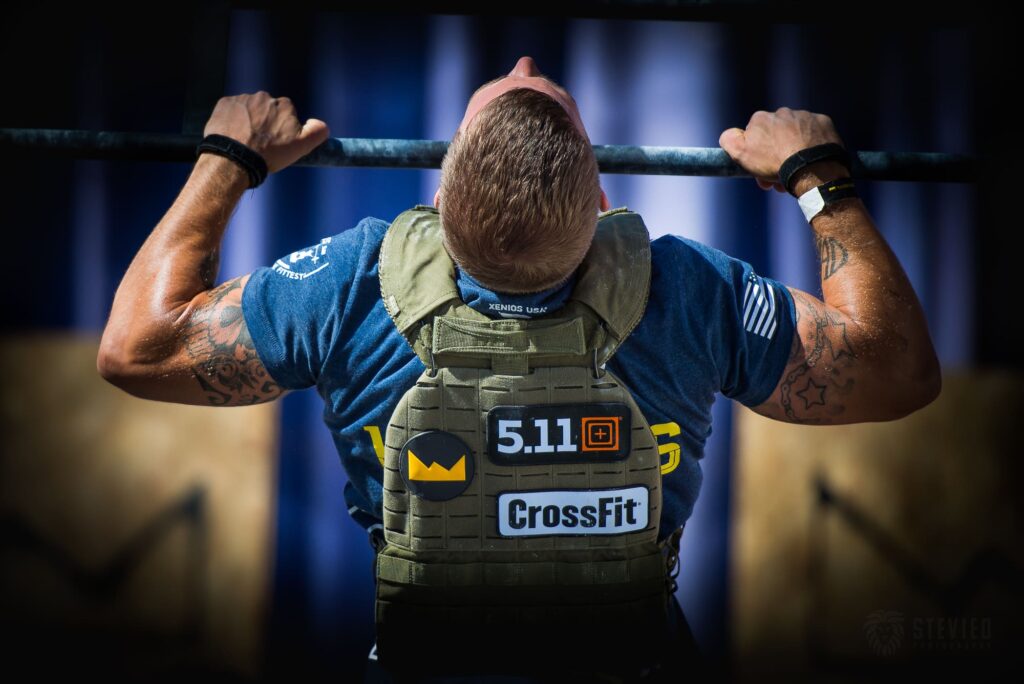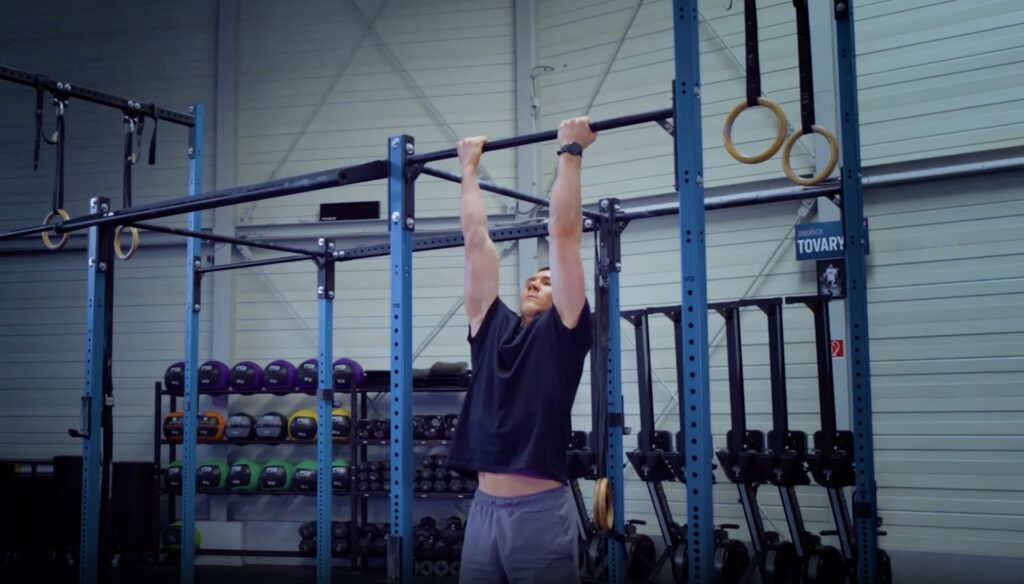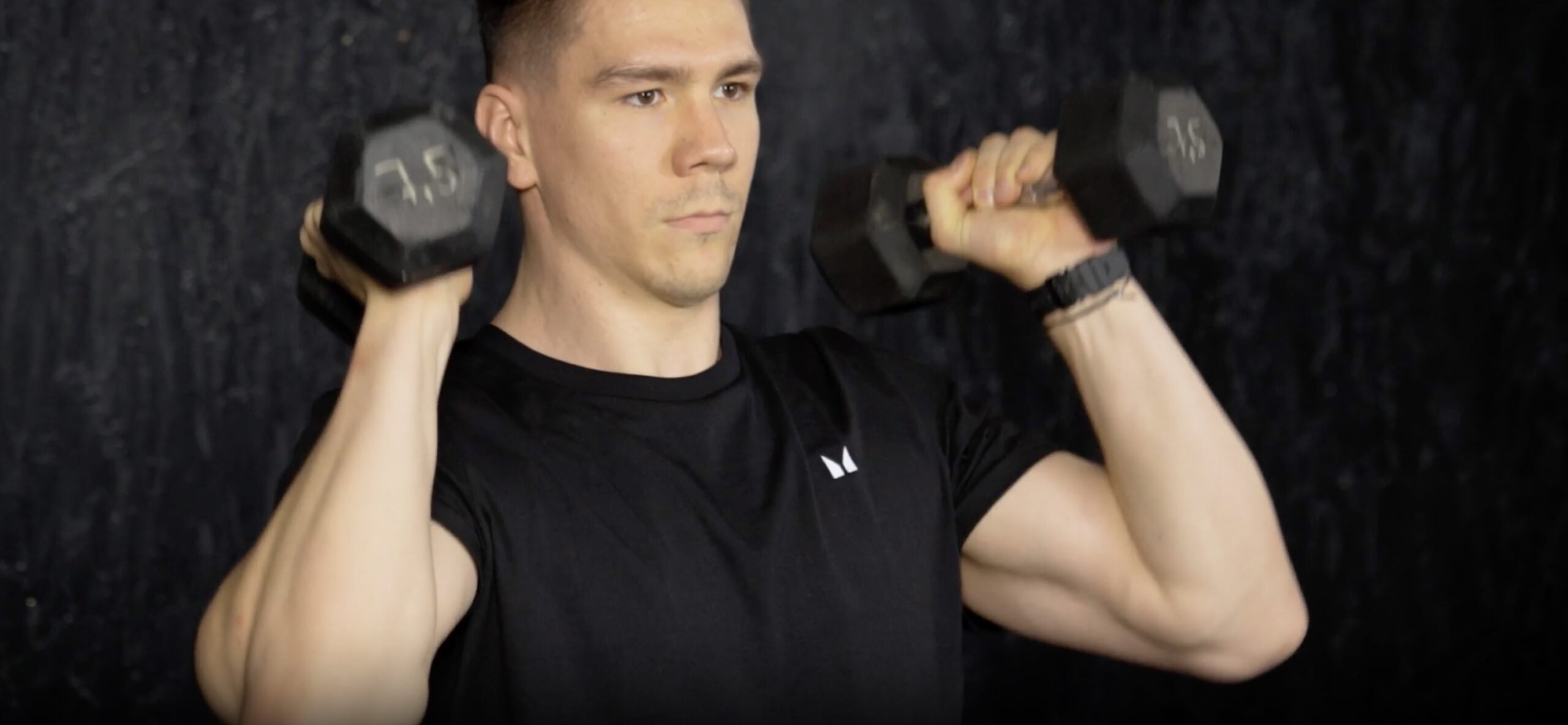


Strong shoulders are more than just a visual asset. They are central to upper body strength, posture, injury prevention, and athletic performance. Whether you lift weights, play sports, or just want to move better, your shoulders play a critical role in almost everything you do.
The good news is that you can make meaningful progress in just 30 days if you follow a structured, science-based plan. This article breaks down exactly how to do that in a way that is practical, efficient, and grounded in research.
Understanding the Shoulder
Anatomy Basics
The shoulder is the most mobile joint in the human body. It consists of several structures working together:
- The glenohumeral joint, which is the ball and socket joint
- The scapula, or shoulder blade
- The clavicle, or collarbone
- The rotator cuff muscles
- The deltoid muscle
The deltoid has three heads:
- Anterior deltoid, responsible for front raises and pressing
- Lateral deltoid, responsible for shoulder width and side raises
- Posterior deltoid, responsible for pulling movements and posture
The rotator cuff includes four small muscles that stabilize the joint. These muscles are crucial for injury prevention and proper movement.
Why Shoulder Strength Matters
Stronger shoulders improve:
- Upper body strength in pressing and pulling
- Joint stability and injury resistance
- Posture and spinal alignment
- Athletic performance in throwing, lifting, and overhead movements
Research shows that targeted resistance training improves both muscular strength and joint stability, reducing injury risk in active individuals.
Principles of Shoulder Strength Training
Before jumping into the 30 day plan, you need to understand the key principles that drive results.
Progressive Overload
To build strength, you must gradually increase the challenge placed on your muscles. This can be done by:
- Increasing weight
- Increasing repetitions
- Improving control and range of motion
Studies consistently show that progressive overload is essential for muscle hypertrophy and strength gains.
Volume and Frequency
Training volume refers to total sets and reps. Frequency refers to how often you train a muscle group.
Research suggests that training each muscle group two to three times per week leads to greater hypertrophy than once weekly training.
Movement Variety
Shoulders require a mix of:
- Vertical pressing
- Horizontal pulling
- Isolation work for each deltoid head
- Stability work for the rotator cuff
Balanced programming reduces injury risk and ensures complete development.
Mind Muscle Connection
Focusing on the target muscle improves activation. Studies using electromyography show increased muscle activity when lifters consciously engage specific muscles.
The 30 Day Shoulder Strength Plan
This plan is divided into four weeks. Each week builds on the previous one.
You will train shoulders three times per week.
Weekly Structure
- Day 1: Strength focus
- Day 2: Hypertrophy and isolation
- Day 3: Stability and endurance
Week 1: Foundation and Technique
The goal is to learn proper form and activate all parts of the shoulder.
Workout A: Strength
- Overhead Press: 4 sets of 6 reps
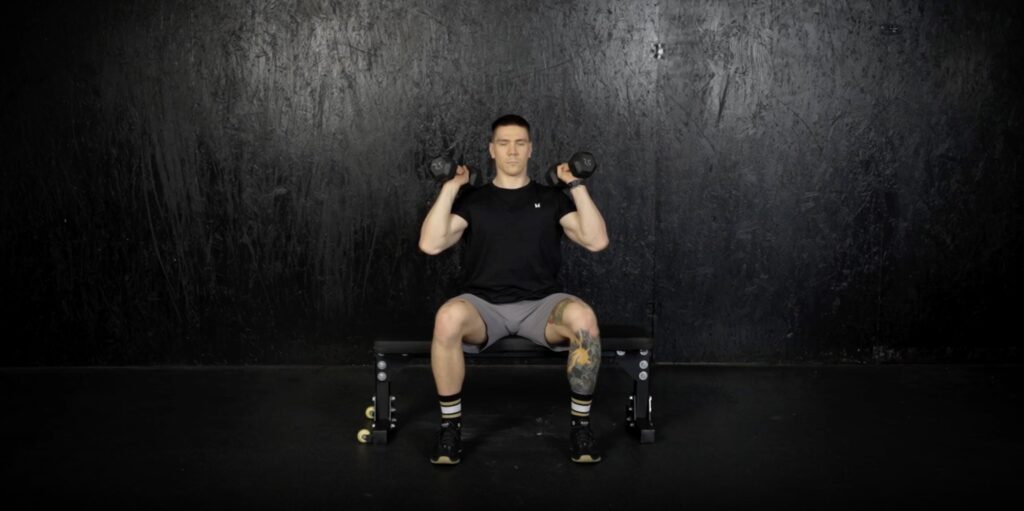
- Dumbbell Shoulder Press: 3 sets of 8 reps
- Upright Row: 3 sets of 10 reps
Workout B: Hypertrophy
- Lateral Raise: 4 sets of 12 reps
- Front Raise: 3 sets of 12 reps
- Rear Delt Fly: 4 sets of 12 reps
Workout C: Stability
- External Rotation with Band: 3 sets of 15 reps
- Face Pull: 3 sets of 15 reps
- Scapular Wall Slides: 3 sets of 12 reps
Focus on slow, controlled movements. Research shows that proper technique improves muscle activation and reduces injury risk.
Week 2: Increasing Volume

You will slightly increase training volume and intensity.
Workout A
- Overhead Press: 5 sets of 5 reps
- Arnold Press: 3 sets of 8 reps
- Upright Row: 4 sets of 10 reps
Workout B
- Lateral Raise: 4 sets of 15 reps
- Front Raise: 3 sets of 12 reps
- Rear Delt Fly: 4 sets of 15 reps
Workout C
- Face Pull: 4 sets of 15 reps
- External Rotation: 3 sets of 15 reps
- Plank Shoulder Taps: 3 sets of 20 reps
Higher volume increases hypertrophy stimulus. Research supports that moderate to high volume training enhances muscle growth.
Week 3: Progressive Overload
Now you will increase weights while maintaining form.
Workout A
- Overhead Press: 5 sets of 5 reps, heavier weight
- Push Press: 3 sets of 5 reps
- Upright Row: 4 sets of 8 reps
Workout B
- Lateral Raise: 5 sets of 12 reps
- Front Raise: 3 sets of 10 reps
- Rear Delt Fly: 5 sets of 12 reps
Workout C
- Face Pull: 4 sets of 15 reps
- External Rotation: 4 sets of 15 reps
- Farmer Carry: 3 rounds of 30 seconds
Progressive overload leads to measurable strength gains. Studies confirm that increasing load over time is one of the primary drivers of muscle adaptation.
Week 4: Peak and Performance
This week focuses on maximizing strength and endurance.
Workout A
- Overhead Press: 6 sets of 3 reps
- Push Press: 4 sets of 4 reps
- Upright Row: 4 sets of 8 reps
Workout B
- Lateral Raise: 5 sets of 15 reps
- Front Raise: 4 sets of 12 reps
- Rear Delt Fly: 5 sets of 15 reps
Workout C
- Face Pull: 4 sets of 20 reps
- External Rotation: 4 sets of 15 reps
- Plank Shoulder Taps: 3 sets of 30 reps
By the end of week four, you should notice increased strength, better control, and improved muscle definition.
Key Exercises Explained
Overhead Press
This is the foundation of shoulder strength. It activates all three deltoid heads and the triceps.
Research shows that compound movements like the overhead press produce greater overall muscle activation than isolation exercises.
Lateral Raise
This targets the lateral deltoid, which is responsible for shoulder width.
Studies using electromyography confirm that lateral raises effectively isolate the middle deltoid.
Rear Delt Fly
This strengthens the posterior deltoid and improves posture.
Weak posterior deltoids are linked to shoulder dysfunction and poor posture.
Face Pull
This is one of the best exercises for shoulder health.
It strengthens the rotator cuff and upper back muscles. Research indicates that exercises like face pulls improve shoulder stability and reduce injury risk.
Injury Prevention and Shoulder Health
Warm Up Properly
Always warm up before training:
- Arm circles
- Band pull aparts
- Light pressing movements
Warming up increases blood flow and improves joint mobility.
Balance Push and Pull
Many people overtrain pressing movements and neglect pulling exercises.
This imbalance can lead to shoulder pain and injury. Studies show that balanced training reduces injury risk.
Strengthen the Rotator Cuff
Do not skip stability work.
Rotator cuff exercises improve joint stability and reduce the likelihood of injury, especially in overhead athletes.
Nutrition for Shoulder Strength
Protein Intake
Protein is essential for muscle repair and growth.
Research suggests consuming around 1.6 to 2.2 grams of protein per kilogram of body weight for optimal muscle growth.
Calories Matter
You need enough energy to support training.
A slight calorie surplus helps maximize muscle gain, while a deficit may limit growth.
Hydration
Proper hydration supports performance and recovery.
Even mild dehydration can reduce strength and endurance.
Recovery and Adaptation
Sleep
Sleep is critical for muscle recovery.
Studies show that poor sleep reduces muscle protein synthesis and impairs recovery.
Aim for seven to nine hours per night.
Rest Days
Do not train shoulders every day.
Muscles grow during recovery, not during training.
Deload if Needed
If you feel excessive fatigue or pain, reduce volume temporarily.
Listening to your body is essential for long term progress.
Common Mistakes to Avoid
Using Too Much Weight
Heavy weights with poor form increase injury risk and reduce effectiveness.
Ignoring Rear Delts
Neglecting the posterior deltoid leads to imbalances and poor posture.
Skipping Warm Ups
This increases injury risk and reduces performance.
Training Without Structure
Random workouts produce inconsistent results.
A structured plan leads to measurable progress.
What Results Can You Expect in 30 Days
In one month, you can realistically achieve:
- Increased shoulder strength
- Improved muscle definition
- Better posture
- Enhanced stability
Muscle growth is a gradual process, but neural adaptations can lead to noticeable strength gains within weeks.
Final Thoughts
Strengthening your shoulders in 30 days is absolutely achievable with the right approach. Focus on consistency, proper technique, and progressive overload. Balance strength training with stability work and recovery.
If you follow this plan, you will not only build stronger shoulders but also improve overall upper body function and reduce injury risk.
The key is simple: train smart, stay consistent, and respect the fundamentals.
Key Takeaways
| Area | Key Point |
|---|---|
| Training Frequency | Train shoulders three times per week for optimal growth |
| Exercise Selection | Include pressing, isolation, and stability exercises |
| Progressive Overload | Gradually increase weight or volume each week |
| Injury Prevention | Balance push and pull movements and train the rotator cuff |
| Nutrition | Consume sufficient protein and calories to support growth |
| Recovery | Prioritize sleep and rest days for muscle repair |
| Common Mistakes | Avoid poor form, neglecting rear delts, and skipping warm ups |
References
- American College of Sports Medicine (2009). Progression models in resistance training for healthy adults. Medicine and Science in Sports and Exercise, 41(3), pp. 687-708.
- Schoenfeld, B.J. (2010). The mechanisms of muscle hypertrophy and their application to resistance training. Journal of Strength and Conditioning Research, 24(10), pp. 2857-2872.
- Schoenfeld, B.J., Ogborn, D. and Krieger, J.W. (2016). Effects of resistance training frequency on measures of muscle hypertrophy. Sports Medicine, 46(11), pp. 1689-1697.
- Wernbom, M., Augustsson, J. and Thomee, R. (2007). The influence of frequency, intensity, volume and mode of strength training on muscle cross sectional area. Sports Medicine, 37(3), pp. 225-264.
- Andersen, L.L., Andersen, C.H., Mortensen, O.S., Poulsen, O.M., Bjornlund, I.B.T. and Zebis, M.K. (2010). Muscle activation and perceived loading during rehabilitation exercises. Journal of Orthopaedic and Sports Physical Therapy, 40(7), pp. 447-456.
- Boettcher, C.E., Ginn, K.A. and Cathers, I. (2009). The role of shoulder muscles in overhead movements. Journal of Science and Medicine in Sport, 12(3), pp. 376-382.
- Hibberd, E.E., Myers, J.B. (2013). Practice habits and shoulder injury risk in athletes. Sports Health, 5(4), pp. 365-371.