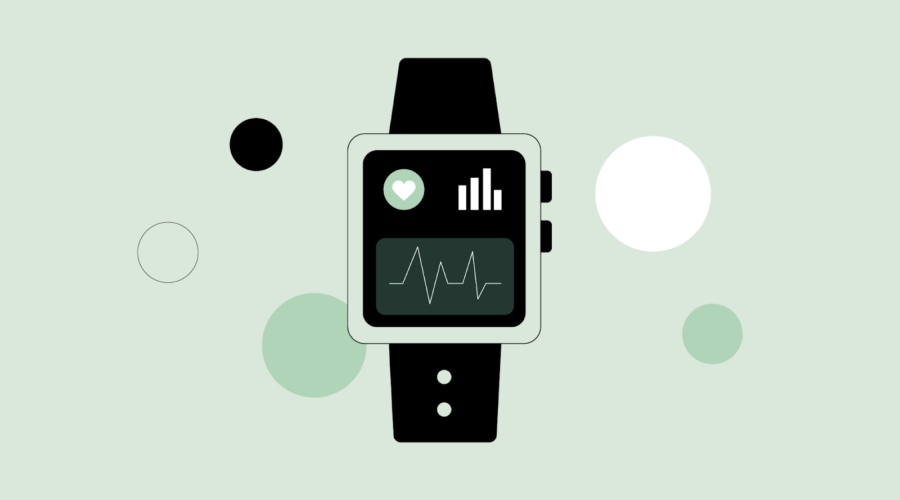


Wearable health technology has totally revolutionized the way people control and improve their habits day by day during the last couple of years. The producers of such devices as smartwatches, fitness bands, or smart rings offer the most up-to-date and convenient pieces of equipment that give the users not only the opportunity to monitor their health in real time but also become physically active, make healthier choices, and understand their bodies better.
As a result of the increasing worldwide awareness of health, these small but very powerful gadgets are gradually becoming an indispensable component of everyday life.
What is Wearable Health Technology?
Wearable health technology is simply referring to electronic gadgets that you wear on your body and at the same time gather health-related data. These gadgets are equipped with sensors that can record a variety of activities and body functions such as the number of steps, heartbeat, sleep cycles, calorie consumption, and even the extent of stress. By studying this data, one is in a position to have a clear picture of personal routines and health status.
The most significant benefit of wearable devices is that they are so handy. Manual tracking of activities becomes a thing of the past as these devices work by themselves to collect data all day long. This non-stop recording can make someone really see the link between what they do and their health, and it also spurs them on to being physically active.
The Most Common Use: Physical Activity Monitoring
Activity tracking is probably the most wanted feature of wearable gadgets. The majority of them can tell how many steps you took, the distance you covered walking or running, and the amount of calories you burned during the day. Some higher-end gadgets are capable of also recognizing different types of physical activities such as cycling, swimming, and weightlifting.
Having set targets like getting 10,000 steps daily can be quite a stimulant for users to keep moving. Wearable gadgets provide instant updates which lead to better habits and consequently, a more physically active lifestyle.
Continual Surveillance of Heart Rate and Other Health Indicators
Many wearables nowadays are equipped with a heart rate sensor to track a user’s heartbeat throughout the day. This feature can be very beneficial, especially for people who want to maximize their workout results or are worried about their cardiac health. Having consistent heart rate monitoring allows individuals to understand how their bodies respond to working out, stress, and sleeping.
Present-day wearable gadgets further offer such features as blood oxygen monitoring, stress level measurement, and even guide you on breathing techniques. These functionalities enable both physical and mental wellness management efficiently.
How Wearables Help You Get Better Sleep
Good quality sleep plays an important role in health, and gadgets that are wearable have given us a better tool to know sleeping habits. Devices are capable of tracking sleep duration, times of awakening, and sleep stages to include deep and REM sleep.
With such data, users can decide more intelligently on how to prepare the sleep surroundings,
For example, to restrict the use of the screen before bedtime, which at the end of the day results in increasing sleep quality.
Smart Rings and Discreet Health Tracking
While smartwatches and fitness bands are common, smart rings are becoming increasingly popular due to their compact and discreet design. These rings provide many of the same health-tracking features but in a smaller and more comfortable form factor.
For those interested in trying this innovative technology, exploring deals like a ringconn coupon can be helpful, especially when checking product reviews highlighted by Cybernews, which often provide insights into performance, accuracy, and overall value.
Tailored Health Feedback
Another substantial benefit of wearable health technology is getting detailed and personalized feedback. A great number of gadgets link up with mobile apps which interpret the amassed data to come up with advice. This guidance could be in the form of stand-up reminders, daily activity level enhancement hints, or suggestions for better sleep.
Gradually, the data collected by a wearable device helps users become aware of their patterns of behavior. This knowledge is what empowers individuals to decide on the changes that will work to their health and lifestyle.
Wearable Tech’s Role in Habit Formation
It is not just about tracking data that wearable technology is impactful, it is also about habit formation. Goal setting, reminders for activities, and earning badges have been features that offer users a feeling of motivation and responsibility.
On top of that, numerous apps have social components that let users brag about their progress to friends and even challenge them in work-outs. This community aspect makes working out more fun and fulfilling.
Looking Ahead: The Future of Wearable Health Devices
Technology is always changing and evolving, and health wearables are getting more and more accurate and advanced. Future innovations could lead to better disease detection, more detailed health analytics, and even healthcare system integration. It’s possible that doctors will use data from wearables one day to keep patients’ health under watch from a distance and predict the emergence of diseases before they even happen.
In Summary
The use of wearable health technology has drastically altered how we check on physical activity and health in general. They give us live information about moving around, heart condition, and sleeping which ultimately gives us greater control over our health. Smartwatches, fitness bands, or smart rings wearable technology is providing countless individuals with avenues to live healthier lives and, more importantly, stay in tune with their bodies on a daily basis.