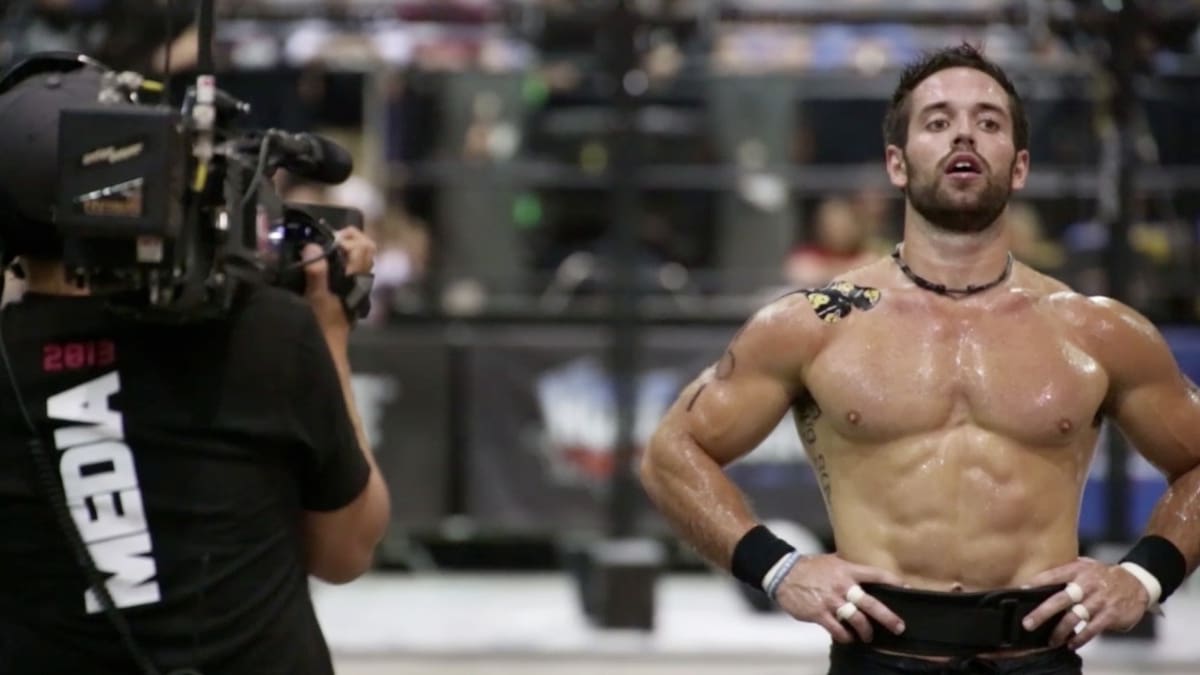


When it comes to building an impressive upper body, simplicity in your workout routine can lead to serious gains.
Barbell training is a cornerstone in the realm of strength training and bodybuilding for good reason—it efficiently targets multiple muscle groups, encourages muscle symmetry, and promotes strength like no other tool in the gym. The benefits of using barbells in your workouts include the ability to load and progress with heavy weights systematically, which is crucial for muscle growth and strength development.


Barbells allow for compound movements that can activate more muscle fibers through a range of motion that isn’t always achievable with machines or other equipment. This means more effective workouts in less time. Moreover, the stability required to manage a barbell also enhances core strength and improves balance and coordination across various muscle groups.
However, with an abundance of exercises available, it’s easy to get caught up in an overly complex workout regimen that could potentially dilute your efforts rather than focus them. Focusing on key, proven exercises ensures that you maximize your time and effort, leading to quicker and more visible results. It avoids the common pitfall of “paralysis by analysis” where too many choices lead to confusion and inefficacy in your training program.
In this article, we’ll zero in on just three fundamental barbell exercises that are all you need to develop a strong, well-proportioned, and aesthetically pleasing upper body.
These exercises—the Bench Press, the Barbell Row, and the Overhead Press—are time-tested staples that have built the physiques of amateur gym-goers and professional athletes alike. Each targets crucial upper body muscles with a balance of pushing and pulling movements to ensure comprehensive development and functional strength. Let’s dive into how these exercises can be performed correctly and integrated into your workout for the best results.
1. The Bench Press
The bench press is arguably the most iconic exercise in strength training and bodybuilding, celebrated for its effectiveness in building upper body strength and size.
This compound movement primarily targets the pectoralis major, or the chest muscles, while also engaging the anterior deltoids (shoulders) and triceps (back of the arms). Its popularity stems from its straightforward execution and its profound impact on upper body aesthetics and functional strength.
Technique
Performing the bench press correctly is critical for maximizing its benefits and minimizing injury risks. Here’s a step-by-step guide to ensure proper form:
- Setup: Lie flat on a bench with your feet firmly planted on the ground. Your back should have a natural arch, and your eyes should be directly under the bar.
- Grip: Grasp the barbell with both hands slightly wider than shoulder-width apart. This grip can vary slightly depending on your body’s proportions and comfort.
- Unrack: With the help of a spotter if necessary, lift the bar off the rack and position it straight over your chest with arms fully extended.
- Lower the Bar: Inhale as you slowly lower the bar to your mid-chest, keeping your elbows at about a 45-degree angle to your torso. Ensure a controlled descent.
- Press Up: Exhale and press the bar upwards, driving through your chest and triceps to return to the starting position with arms extended. The bar should move in a straight line.
- Repeat: Complete the set number of repetitions maintaining form and control.
Common Mistakes to Avoid
Arching Your Back Excessively: While a natural arch is necessary, lifting your hips off the bench can place undue stress on your lower back.
Bouncing the Bar off Your Chest: This can lead to injuries and reduces the effectiveness of the exercise by utilizing momentum instead of muscle strength.
Flaring Your Elbows: Elbows flared wide can strain the shoulder joints. Keep them tucked at a 45-degree angle.
Losing Grip: Ensure your grip is secure; a slipping grip can cause loss of control and potential injuries.
Variations
To further develop the chest muscles and add variety to your workout, you can incorporate variations of the bench press:
Incline Bench Press: Performed on an incline bench, this variation shifts some of the emphasis towards the upper pectorals and shoulders, offering a balanced chest development.
Decline Bench Press: Executing the bench press on a decline bench targets the lower pectorals, providing a comprehensive chest workout when combined with other variations.
Each of these variations can be integrated into your training routine to ensure balanced growth and improved strength across the entire chest area, making your upper body workout well-rounded and more effective.
2. The Barbell Row
The barbell row is a powerful compound exercise essential for building back strength and size.
It’s highly effective for creating a thick, muscular back, which is vital not only for aesthetic symmetry but also for overall upper body strength and posture. This exercise targets a range of back muscles, providing a robust workout that supports better lifting mechanics and functional movements in everyday life.
Muscles Targeted
- Latissimus Dorsi: The large muscles of the back that are responsible for shoulder adduction, extension, and horizontal abduction.
- Rhomboids: Muscles between the shoulder blades that retract the scapula.
- Biceps: Although primarily a back exercise, the barbell row also engages the biceps due to the pulling motion.
Technique
Proper technique is crucial in the barbell row to maximize muscle engagement and minimize the risk of injury.
Here’s how to perform it correctly:
- Starting Position: Stand with your feet shoulder-width apart. Bend your knees slightly and hinge forward from your hips, keeping your back straight until it is almost parallel to the floor.
- Grip: Grip the barbell with an overhand grip, hands slightly wider than shoulder width.
- Lift the Bar: With arms extended, lift the barbell off the ground using your legs and lower back to stabilize your position.
- Rowing the Bar: Pull the bar towards your lower rib cage, retracting your shoulder blades as you perform the motion. Keep your elbows close to your body.
- Lower the Bar: Lower the bar back to the starting position under control, extending your arms fully.
Safety Tips
Keep Your Back Straight: A rounded back increases the risk of injury. Maintain a strong, neutral spine throughout the movement.
Avoid Jerky Motions: Use a controlled, smooth movement to lift and lower the bar. Jerky or rapid movements can strain muscles and joints.
Do Not Overload: Lifting more weight than you can handle can compromise form and lead to injuries. Choose a weight that allows you to maintain proper form throughout the set.
Variations
To diversify your back training and target the muscles from different angles, consider incorporating these variations:
Pendlay Row: Performed from a dead-stop position on the floor each time, this variation emphasizes power and reduces momentum, making it more challenging and focusing on the explosive strength of the upper back.
Yates Row: Named after the famous bodybuilder Dorian Yates, this version involves a more upright stance and an underhand grip. It puts more emphasis on the lower lats and biceps, and is often used for bodybuilding purposes.
Each of these variations can help you tailor your back workouts to your specific fitness goals, whether you’re looking to increase muscle mass, enhance strength, or improve muscular endurance.
3. The Overhead Press
The overhead press, also known as the military press, is a fundamental strength and conditioning exercise that enhances shoulder development and improves overall posture.
It’s a powerhouse move for building upper body strength, targeting not just the shoulders but also involving the core and triceps for a comprehensive upper body workout. This exercise is crucial for anyone looking to improve their functional strength and aesthetic appearance.
Muscles Worked
- Deltoids: The primary movers in this exercise, responsible for lifting the weight overhead.
- Triceps: These muscles assist in extending the elbow during the press.
- Core: Engages to stabilize the body throughout the movement, enhancing posture and balance.
Technique
Executing the overhead press with correct form is vital to reap the full benefits while avoiding injury:
- Position: Stand with your feet shoulder-width apart. Grip the barbell at about shoulder-width.
- Starting Position: Begin with the barbell resting on your chest, just above the collarbone.
- The Press: Brace your core and press the bar overhead, extending your arms fully. The bar should move just in front of your face, clearing your head, and ending directly over your shoulders and hips.
- Return: Lower the bar back to the starting position in a controlled manner, readying yourself for the next rep.
Tips to Enhance Shoulder Stability and Avoid Strain
- Warm-Up Properly: Engage in dynamic stretches and light rotator cuff exercises to prepare your shoulders for the load.
- Maintain a Tight Core: Keeping your core engaged throughout the movement helps stabilize your entire body and reduces the risk of back injury.
- Use a Full Grip: Grip the bar with your thumbs around it to ensure stability and control.
- Avoid Locking Out Abruptly: Smoothly extend your arms to prevent jolting, which can strain the shoulder joints.
Variations
To target the shoulders from different angles and to accommodate various skill levels, consider these variations:
Push Press: Incorporate a slight knee bend to help drive the barbell up. This allows for heavier lifting and focuses on explosive power.
Seated Overhead Press: Performing the press while seated removes lower body momentum, increasing the isolation on your shoulders.
Dumbbell Shoulder Press: Using dumbbells instead of a barbell can help correct muscle imbalances and allows a greater range of motion.
Training Tips and Strategies
To effectively incorporate the overhead press into your routine:
- Frequency: Include overhead pressing 1-2 times per week to allow adequate recovery.
- Sets and Repetitions: Typically, 3-5 sets of 6-12 repetitions are effective for building strength and muscle.
- Rest Periods: Rest for 1-3 minutes between sets to allow for muscle recovery.
- Progression and Overload: Gradually increase the weight as you become stronger, aiming to either lift heavier or complete more reps each session to ensure continuous improvement.
Implementing these techniques and variations will help you build a solid foundation, improve your performance, and achieve significant gains in shoulder strength and size.
Conclusion
Mastering the bench press, barbell row, and overhead press offers a streamlined yet highly effective path to achieving a strong, well-defined upper body. Each of these exercises provides profound benefits by targeting crucial muscle groups with precision, promoting both muscle growth and functional strength.
The bench press excels in building chest mass and strength while also engaging the shoulders and triceps. The barbell row is indispensable for developing a broad, powerful back and improving posture. The overhead press completes this trio by sculpting the shoulders and enhancing overall upper body aesthetics and stability. Together, these exercises form a robust routine that maximizes your training efficiency.
Remember, the key to success in your fitness journey lies in consistency and proper form. Incorporating these exercises into your routine with the right technique and gradually increasing the intensity and volume will help you see continuous improvements. Adjust the variations of each exercise to suit your specific fitness goals and prevent plateaus. By focusing on these foundational movements, you’re not just simplifying your workout regimen; you’re also setting the stage for impressive strength and muscle gains.
Read Also: 10 Worst Testosterone Killers You Should Avoid
Embrace these exercises, commit to your training, and you’ll experience the transformative power of a well-structured barbell workout, leading to a stronger, more capable, and visually striking upper body.