

Pre Workout Meals can make or break your training session. Eat the right foods at the right time and you unlock better strength, endurance, focus, and recovery. Get it wrong and you may feel sluggish, bloated, or underpowered before you even touch a weight.
This is not about trendy snacks or fitness myths. This article breaks down what science actually says about Pre Workout Meals so you can make decisions that improve performance instead of holding you back.
Why Pre Workout Meals Matter
Your body relies on stored and circulating nutrients to fuel exercise. The quality and timing of your Pre Workout Meals directly influence:
- Muscle glycogen levels
- Blood glucose availability
- Hormonal responses
- Hydration status
- Gastrointestinal comfort
When these factors are optimized, your body performs more efficiently. When they are not, performance drops.

The Role of Glycogen
Muscle glycogen is the primary fuel for moderate to high intensity exercise. Resistance training and high intensity intervals rely heavily on glycogen stores.
Low glycogen levels are associated with:
- Reduced strength output
- Earlier fatigue
- Decreased training volume
Carbohydrate intake before training helps maintain glycogen and blood glucose levels, which supports sustained performance.
Blood Sugar Stability
Pre Workout Meals help stabilize blood sugar. This is critical because both low and high blood glucose can impair performance.
Low blood sugar may cause:
- Fatigue
- Dizziness
- Poor concentration
Excessively high blood sugar followed by a crash can also lead to a sudden drop in energy mid session.
Protein and Muscle Breakdown
Protein intake before exercise can reduce muscle protein breakdown and support recovery. While carbohydrates fuel performance, protein prepares your muscles for repair and adaptation.
What Happens When You Eat the Wrong Pre Workout Meal
Not all Pre Workout Meals are equal. Poor food choices or bad timing can slow you down.
Digestive Stress
Heavy meals high in fat or fiber take longer to digest. During exercise, blood flow shifts away from the digestive system to the muscles. This can lead to:
- Bloating
- Cramping
- Nausea
If your meal is still being digested during training, performance suffers.
Energy Slumps
Meals high in simple sugars without protein or fiber can spike blood sugar quickly. This is often followed by a rapid drop, leaving you feeling drained during your workout.
Reduced Power Output
Low carbohydrate intake before training limits glycogen availability. This reduces your ability to sustain intensity and volume.
Macronutrients in Pre Workout Meals
Understanding how carbohydrates, protein, and fat affect performance is key to building effective Pre Workout Meals.
Carbohydrates: The Primary Fuel
Carbohydrates are the most important component of Pre Workout Meals for most types of training.
Benefits include:
- Increased glycogen stores
- Improved endurance
- Better high intensity performance
The amount needed depends on your training intensity and duration. For most people, 1 to 3 grams of carbohydrates per kilogram of body weight in the hours before training is effective.
Examples of good carbohydrate sources:
- Rice
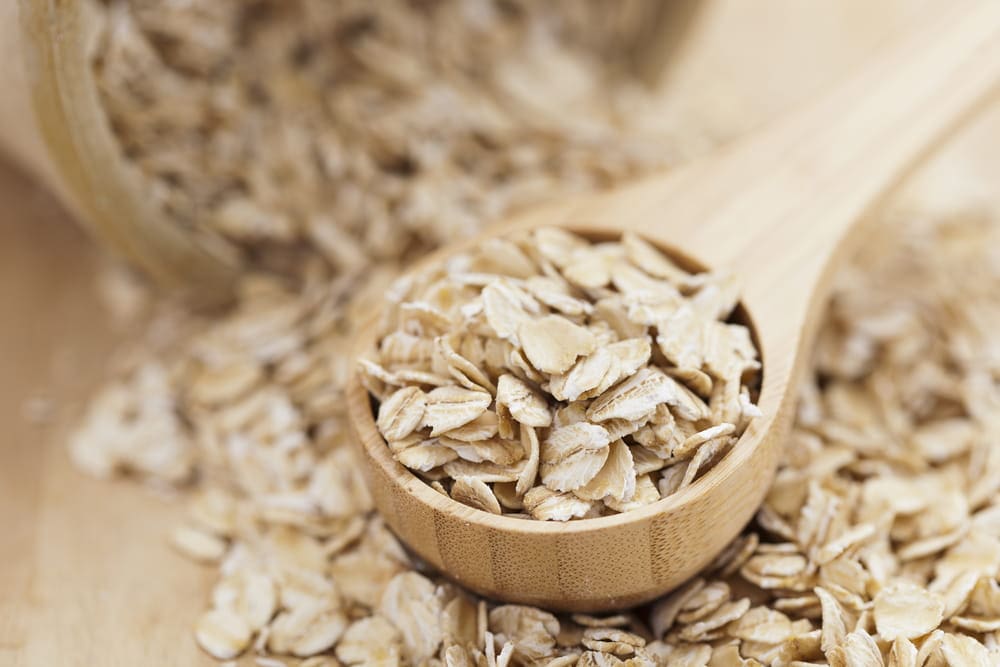
- Oats
- Potatoes
- Fruit
- Whole grain bread
Protein: Supporting Muscle Performance
Protein before training helps reduce muscle breakdown and may improve recovery.
A moderate intake of around 20 to 40 grams of protein before exercise is sufficient for most individuals.
Good protein sources include:
- Chicken
- Eggs
- Greek yogurt
- Protein shakes
- Tofu
Combining protein with carbohydrates enhances the overall effectiveness of Pre Workout Meals.
Fat: Useful but Slower
Fat is an important nutrient but it slows digestion. This makes it less suitable in large amounts before training.
Small amounts of fat are fine, especially if the meal is consumed several hours before exercise. However, high fat meals close to training can lead to discomfort and sluggishness.
Timing Your Pre Workout Meals
Timing is just as important as food choice.
2 to 4 Hours Before Training
This is the ideal window for a full meal. It allows time for digestion and absorption.
A balanced meal should include:
- Carbohydrates for energy
- Protein for muscle support
- Moderate fat
Example:
- Chicken, rice, and vegetables
60 to 90 Minutes Before Training
If you eat closer to your workout, the meal should be smaller and easier to digest.
Focus on:
- Quick digesting carbohydrates
- Lean protein
- Low fat
Example:
- Greek yogurt with fruit

30 to 60 Minutes Before Training
At this point, stick to light snacks that are easy on the stomach.
Examples:
- Banana
- Protein shake
- Small smoothie
Individual Differences in Pre Workout Meals
There is no one size fits all approach. Your ideal Pre Workout Meals depend on several factors.
Training Type
- Strength training requires glycogen and protein
- Endurance training relies heavily on carbohydrates
- High intensity training demands quick energy
Body Composition Goals
- Fat loss may involve slightly lower calorie meals
- Muscle gain requires sufficient carbohydrates and protein
Digestive Tolerance
Some people tolerate food well before training. Others need more time between eating and exercise.
Testing different meal timings and compositions is essential.
Fasted Training vs Fed Training
Fasted training is often promoted for fat loss. However, the evidence shows mixed results.
Performance Impact
Training in a fasted state can reduce performance, especially in high intensity or long duration workouts.
Lower glycogen levels can limit strength and endurance.
Fat Loss Reality
Fasted training may increase fat oxidation during exercise, but total daily fat loss is determined by overall calorie balance.
Eating before training does not prevent fat loss when calories are controlled.
Practical Takeaway
For most people, Pre Workout Meals improve performance and training quality. This leads to better long term results.
Hydration and Pre Workout Meals
Hydration is often overlooked but plays a major role in performance.
Even mild dehydration can impair strength, endurance, and focus.
Pre Workout Hydration Guidelines
- Drink 500 to 600 ml of water 2 to 3 hours before exercise
- Drink another 200 to 300 ml 20 to 30 minutes before training
Electrolytes may be useful for longer or intense sessions.
Supplements and Pre Workout Meals
Whole foods should form the foundation of Pre Workout Meals, but some supplements can enhance performance.
Caffeine
Caffeine is one of the most researched performance enhancers.
Benefits include:
- Increased alertness
- Improved strength and endurance
- Reduced perceived effort
A dose of 3 to 6 mg per kilogram of body weight is commonly effective.
Creatine
Creatine supports strength and power output. While timing is less critical, consistent daily intake improves performance.
Beta Alanine
Beta alanine helps buffer acid in muscles, which can improve high intensity performance over time.
Common Mistakes with Pre Workout Meals
Avoid these common errors that can slow you down.
Eating Too Much Too Close to Training
Large meals right before exercise can cause discomfort and sluggishness.

Skipping Carbohydrates
Low carbohydrate intake reduces energy availability and performance.
Ignoring Protein
Protein supports muscle preservation and recovery.
Overreliance on Supplements
Supplements should complement, not replace, whole foods.
Not Testing Your Approach
Everyone responds differently. What works for one person may not work for another.
Sample Pre Workout Meals
Here are practical examples based on timing.
3 Hours Before Training
- Grilled chicken
- Brown rice
- Vegetables
- Olive oil
1 to 2 Hours Before Training
- Oatmeal with protein powder
- Banana
30 to 60 Minutes Before Training
- Banana
- Whey protein shake
Early Morning Training
If you train early and cannot eat a full meal:
- Protein shake
- Fruit
This provides quick energy without heavy digestion.
Special Considerations
Women and Pre Workout Meals
Hormonal fluctuations can influence energy levels and metabolism. Women may benefit from slightly higher carbohydrate intake during certain phases of the menstrual cycle.
Older Adults
Older individuals may require higher protein intake to support muscle maintenance.
Athletes vs General Population
Athletes often need higher carbohydrate intake due to greater training demands.
The Science Behind Pre Workout Meals
Research consistently shows that proper nutrition before exercise improves performance outcomes. Carbohydrate ingestion before exercise enhances endurance and high intensity performance by maintaining blood glucose and glycogen levels.
Protein intake before exercise supports muscle protein balance and recovery. Caffeine improves performance across a wide range of activities. Hydration status directly affects physical and cognitive performance. These findings reinforce the importance of well planned Pre Workout Meals.
Putting It All Together
The best Pre Workout Meals are:
- Timed correctly
- Rich in carbohydrates
- Moderate in protein
- Low in fat close to training
- Easy to digest
They should support your specific training goals and personal tolerance.
Consistency is key. A single meal will not transform your performance, but a well structured routine will.
Conclusion
Pre Workout Meals are not optional if you want to train at your best. They are a fundamental part of performance nutrition. Fueling properly improves energy, strength, endurance, and recovery. Poor choices can slow you down and limit your progress.
The goal is not perfection. It is consistency and awareness. Experiment, adjust, and find what works for your body. When you get your Pre Workout Meals right, your training will reflect it.
References
- Aird, T.P., Davies, R.W. and Carson, B.P. (2018) ‘Effects of fasted vs fed-state exercise on performance and post-exercise metabolism: A systematic review and meta-analysis’, Scandinavian Journal of Medicine and Science in Sports, 28(5), pp. 1476–1493.
- Aragon, A.A. and Schoenfeld, B.J. (2013) ‘Nutrient timing revisited: is there a post-exercise anabolic window?’, Journal of the International Society of Sports Nutrition, 10(1), pp. 5.
- Burke, L.M., Hawley, J.A., Wong, S.H. and Jeukendrup, A.E. (2011) ‘Carbohydrates for training and competition’, Journal of Sports Sciences, 29(sup1), pp. S17–S27.
- Cermak, N.M. and van Loon, L.J.C. (2013) ‘The use of carbohydrates during exercise as an ergogenic aid’, Sports Medicine, 43(11), pp. 1139–1155.
- Ganio, M.S., Klau, J.F., Casa, D.J., Armstrong, L.E. and Maresh, C.M. (2009) ‘Effect of hydration status on maximal aerobic capacity and cognitive function’, British Journal of Sports Medicine, 45(4), pp. 326–331.