

Protein becomes more important, not less, as you age. Yet many adults over 40 continue to follow outdated recommendations that underestimate their needs. The result is a slow and often unnoticed loss of muscle mass, strength, and metabolic health.
This article breaks down exactly how much protein you need after 40, why your requirements increase, and how to apply the science in a simple and practical way. Every claim here is grounded in research, but explained in clear language you can actually use.
Why Protein Needs Change After 40
The Reality of Muscle Loss
From around age 30, adults begin to lose muscle mass at a rate of about 3 to 8 percent per decade. This process accelerates after 40 and even more after 60. This condition is known as sarcopenia. Muscle loss is not just about appearance. It directly impacts strength, mobility, metabolic rate, insulin sensitivity, and long term health outcomes.
Research shows that lower muscle mass is associated with increased risk of falls, fractures, and even mortality.
Anabolic Resistance
One of the key reasons protein needs increase with age is something called anabolic resistance.
In younger people, the body responds efficiently to protein intake by building muscle. In older adults, this response is blunted. The same amount of protein leads to a smaller increase in muscle protein synthesis. This means that to achieve the same effect, older adults need more protein per meal and per day.
Hormonal Changes
After 40, levels of anabolic hormones such as testosterone, growth hormone, and IGF 1 begin to decline. These hormones play a major role in muscle maintenance.
Lower hormone levels reduce the body’s ability to build and preserve muscle, increasing reliance on dietary protein and resistance training.

Reduced Physical Activity
Many people become less active with age due to work demands, injuries, or lifestyle changes. Reduced activity accelerates muscle loss. Protein intake becomes even more important when physical activity decreases, as it helps preserve lean mass.
Current Protein Recommendations and Their Limitations
The RDA Problem
The Recommended Dietary Allowance for protein is 0.8 grams per kilogram of body weight per day. This number is often misunderstood.
It represents the minimum amount needed to prevent deficiency, not the optimal amount for health, performance, or aging. For someone weighing 70 kilograms, this equals 56 grams per day. For most adults over 40, this is not enough.
What the Research Actually Suggests
Recent studies consistently show that higher protein intakes are beneficial for older adults.
Most evidence supports a daily intake of:
- 1.2 to 1.6 grams per kilogram of body weight for general health and muscle maintenance
- Up to 2.0 grams per kilogram for active individuals or those trying to build muscle
These levels improve muscle mass, strength, and physical function without adverse effects in healthy individuals.
How Much Protein Do You Really Need After 40?
A Practical Formula
To estimate your daily protein needs multiply your body weight in kilograms by 1.2 to 1.6.
For example, A person weighing 80 kilograms should aim for 96 to 128 grams of protein per day. If you are physically active or resistance training, aim toward the higher end.
Per Meal Protein Targets
Total daily intake is important, but distribution across meals matters too. Research shows that muscle protein synthesis is maximized when each meal contains about 25 to 40 grams of high quality protein. For older adults, the threshold may be closer to 30 to 40 grams per meal due to anabolic resistance.
The Importance of Leucine
Leucine is an essential amino acid that plays a key role in triggering muscle protein synthesis. Older adults need higher leucine intake to stimulate muscle growth.
Protein sources rich in leucine include:
- Lean meat
- Eggs
- Dairy
- Whey protein
Each meal should ideally provide around 2.5 to 3 grams of leucine to optimize muscle building.
Benefits of Higher Protein Intake After 40
Preserving Muscle Mass
Higher protein intake helps slow or prevent age related muscle loss. Studies show that older adults consuming higher protein maintain more lean mass compared to those consuming the RDA.
Improving Strength and Function
Protein intake combined with resistance training significantly improves strength and physical performance. This translates into better mobility, independence, and quality of life.

Supporting Fat Loss
Protein increases satiety and helps preserve lean mass during weight loss. Higher protein diets lead to greater fat loss and less muscle loss compared to lower protein diets.
Enhancing Bone Health
Protein plays a role in bone structure and calcium absorption. Higher protein intake is associated with increased bone density and reduced fracture risk when calcium intake is adequate.
Metabolic Health
Protein improves insulin sensitivity and helps regulate blood sugar levels. This is particularly important after 40, when the risk of metabolic disorders increases.
Best Protein Sources After 40
Animal Based Proteins
Animal proteins are considered high quality because they contain all essential amino acids.
Examples include:
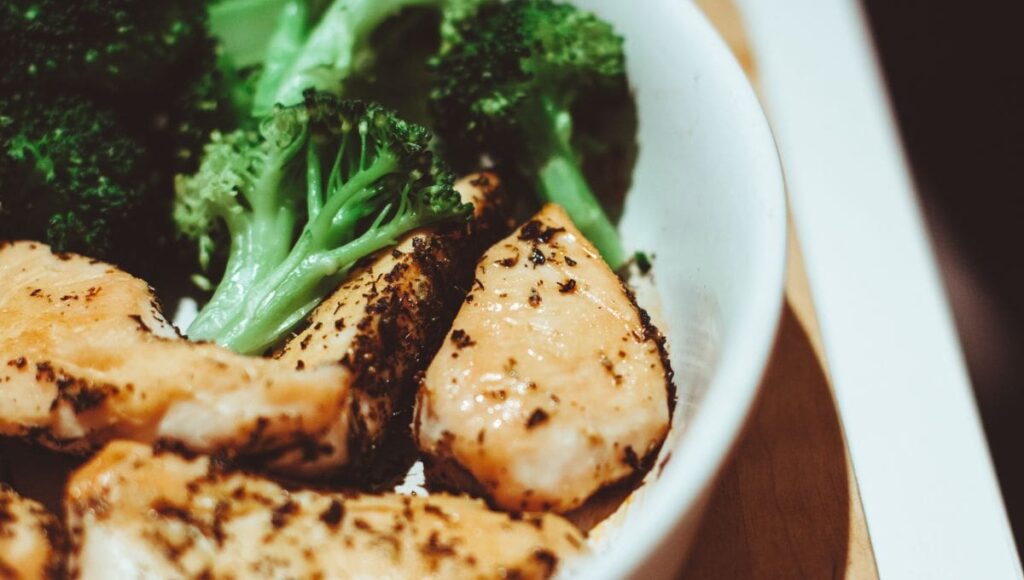
- Chicken
- Beef
- Fish
- Eggs
- Dairy products
These sources are highly effective at stimulating muscle protein synthesis.
Plant Based Proteins
Plant proteins can also support muscle health but may require careful planning.
Examples include:
- Lentils
- Beans
- Tofu
- Tempeh
- Quinoa
Plant proteins are often lower in leucine and some essential amino acids, so combining sources is important.
Protein Supplements
Protein powders can be a convenient way to meet daily targets. Whey protein is particularly effective due to its high leucine content and rapid digestion.
Casein protein digests more slowly and may be useful before sleep. Plant based powders are also available but may require larger servings to match the amino acid profile of whey.
Protein Timing and Distribution
Spread Protein Across the Day
Instead of consuming most protein at dinner, aim to distribute intake evenly across meals.
Example:
- Breakfast: 30 grams
- Lunch: 30 grams
- Dinner: 30 grams
- Snack: 20 grams
This pattern supports consistent muscle protein synthesis throughout the day.
Pre Sleep Protein
Consuming protein before sleep can enhance overnight muscle protein synthesis. Around 30 to 40 grams of casein protein before bed has been shown to improve muscle recovery and growth.
Post Exercise Protein
After resistance training, protein intake enhances muscle repair and growth. Aim for 25 to 40 grams of protein within a few hours after training.
Resistance Training and Protein
Protein alone is not enough. Resistance training is essential.
Combining protein intake with strength training produces significantly greater improvements in muscle mass and strength compared to either alone. Training stimulates muscle protein synthesis, while protein provides the building blocks. Even two to three sessions per week can make a meaningful difference.
Common Mistakes With Protein After 40
Eating Too Little Protein
Many adults over 40 still follow the outdated RDA. This leads to gradual muscle loss over time.
Skipping Protein at Breakfast
Breakfast is often low in protein, which limits muscle protein synthesis early in the day. A protein rich breakfast sets the tone for better daily intake.
Relying Only on Plant Protein Without Planning
Plant based diets can work, but require attention to amino acid balance and total intake.
Not Adjusting for Activity Level
Active individuals need more protein than sedentary individuals. Ignoring this leads to suboptimal results.
Ignoring Total Calories
Protein needs to be part of an overall balanced diet. Insufficient calories can limit the effectiveness of protein intake.
Special Considerations
Weight Loss
During weight loss, protein needs increase to preserve muscle mass. Aim for 1.6 to 2.0 grams per kilogram of body weight.
Illness or Injury
Protein needs increase during recovery from illness or injury. Higher intake supports healing and prevents muscle loss.
Kidney Health
In healthy individuals, higher protein intake does not harm kidney function. However, those with existing kidney disease should consult a healthcare professional.
Sample Day of Protein Intake After 40
Breakfast
Greek yogurt with berries and nuts
Approximately 30 grams of protein
Lunch
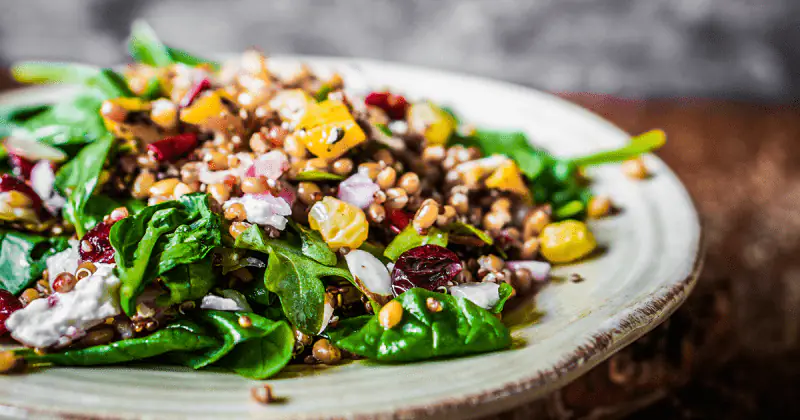
Grilled chicken salad with quinoa
Approximately 35 grams of protein
Snack
Protein shake
Approximately 25 grams of protein
Dinner
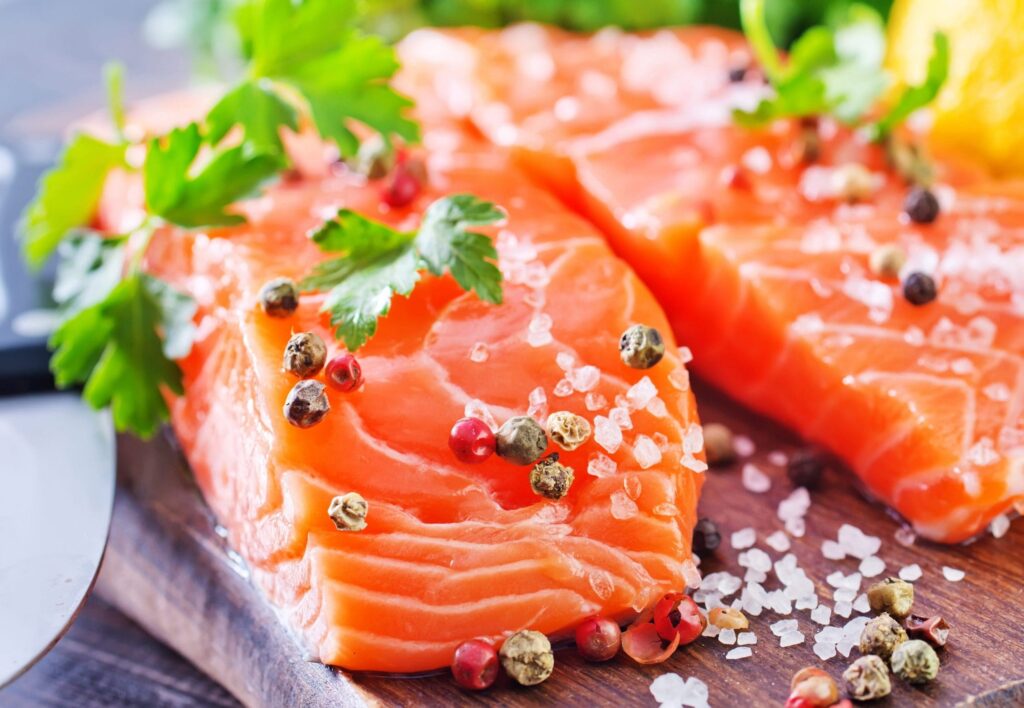
Salmon with vegetables and rice
Approximately 35 grams of protein
Total
Approximately 125 grams of protein
The Bottom Line
Protein needs increase with age, not decrease. After 40, higher protein intake is essential to maintain muscle, strength, and overall health.
The outdated recommendation of 0.8 grams per kilogram is not enough for optimal aging. Aim for at least 1.2 to 1.6 grams per kilogram per day, distribute it evenly across meals, and combine it with resistance training. This simple strategy can significantly improve how you look, feel, and function as you age.
References
• Bauer, J., Biolo, G., Cederholm, T., Cesari, M., Cruz Jentoft, A., Morley, J., Phillips, S., Sieber, C., Stehle, P., Teta, D., Visvanathan, R. and Volpi, E. (2013). Evidence based recommendations for optimal dietary protein intake in older people. Journal of the American Medical Directors Association, 14(8), pp.542 to 559.
• Breen, L. and Phillips, S. (2011). Skeletal muscle protein metabolism in the elderly. Nutrition and Metabolism, 8(1), pp.1 to 10.
• Deutz, N., Bauer, J., Barazzoni, R., Biolo, G., Boirie, Y., Bosy Westphal, A., Cederholm, T., Cruz Jentoft, A., Krznaric, Z., Nair, K. and Singer, P. (2014). Protein intake and exercise for optimal muscle function with aging. Clinical Nutrition, 33(6), pp.929 to 936.
• Houston, D., Nicklas, B., Ding, J., Harris, T., Tylavsky, F., Newman, A., Lee, J., Sahyoun, N. and Visser, M. (2008). Dietary protein intake is associated with lean mass change in older adults. American Journal of Clinical Nutrition, 87(1), pp.150 to 155.
• Moore, D., Churchward Venne, T., Witard, O., Breen, L., Burd, N., Tipton, K. and Phillips, S. (2015). Protein ingestion to stimulate myofibrillar protein synthesis. Journal of Physiology, 593(24), pp.5215 to 5224.
• Morton, R., Murphy, K., McKellar, S., Schoenfeld, B., Henselmans, M., Helms, E., Aragon, A., Devries, M., Banfield, L., Krieger, J. and Phillips, S. (2018). Protein supplementation and resistance training. British Journal of Sports Medicine, 52(6), pp.376 to 384.
• Phillips, S. and Fulgoni, V. (2016). Assessment of protein intake in older adults. Applied Physiology Nutrition and Metabolism, 41(5), pp.565 to 572.
• Wolfe, R., Miller, S. and Miller, K. (2008). Optimal protein intake in the elderly. Clinical Nutrition, 27(5), pp.675 to 684.