



Getting fitter and better looking legs is a common goal for many fitness enthusiasts. The key to achieving this is through a combination of targeted exercise, proper nutrition, and adequate recovery. Here, we break down the only three strategies you need to sculpt your legs effectively and efficiently.
Backed by scientific research, these strategies are designed to help you maximize your efforts and see results faster.
1. Incorporate Compound Exercises
The Power of Squats
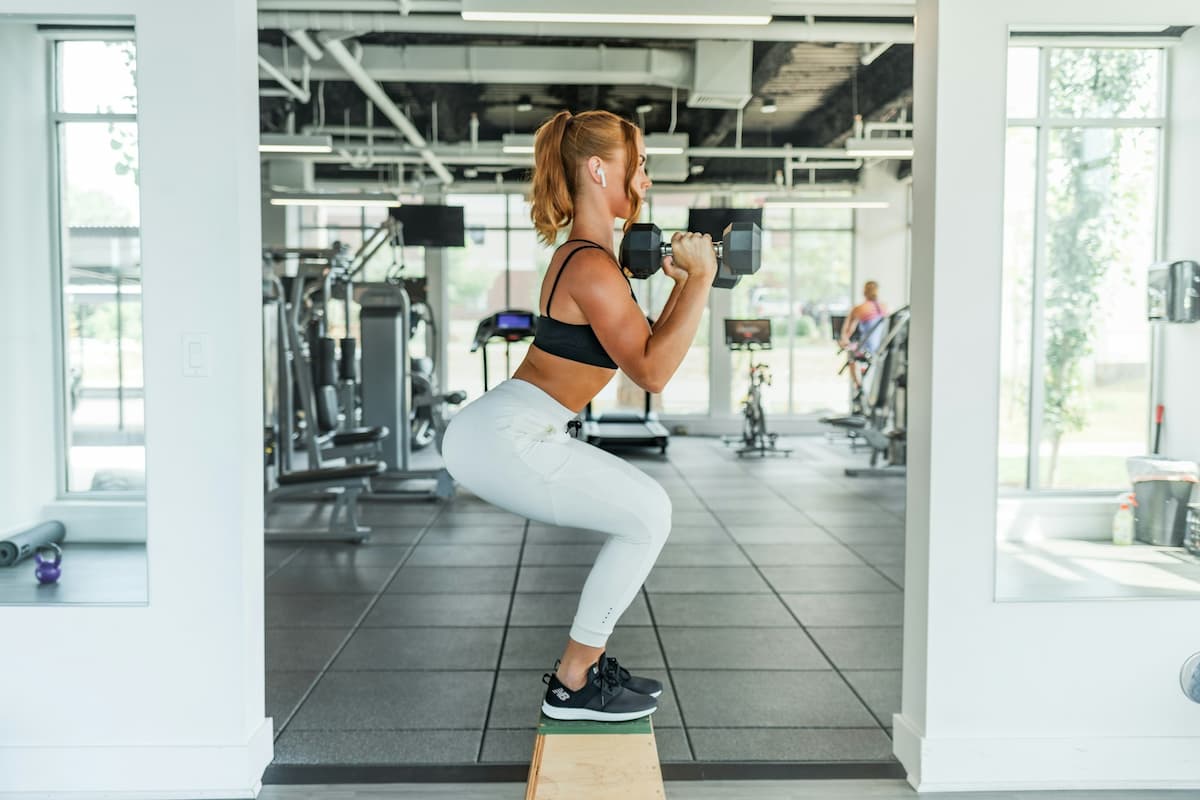
Squats are a fundamental exercise for building leg strength and muscle. They engage multiple muscle groups including the quadriceps, hamstrings, glutes, and calves. According to a study published in the Journal of Strength and Conditioning Research, squats are highly effective in increasing lower body strength and muscle hypertrophy [source].
To perform a squat correctly:
- Stand with your feet shoulder-width apart.
- Lower your body by bending your knees and hips as if you are sitting back into a chair.
- Keep your chest up and your back straight.
- Go down until your thighs are parallel to the ground, then push through your heels to return to the starting position.
Deadlifts for Total Leg Development
Deadlifts are another compound exercise that targets the entire lower body, including the hamstrings, glutes, and lower back. A study in the Journal of Sports Science & Medicine highlights that deadlifts significantly enhance muscular strength and endurance [source].
To execute a proper deadlift:
- Stand with your feet hip-width apart and the barbell over the middle of your feet.
- Bend at your hips and knees, grasp the bar with an overhand grip.
- Lift the bar by extending your hips and knees simultaneously, keeping your back straight.
- Lower the bar back to the ground with controlled movement.
Lunges for Balance and Symmetry
Lunges help improve muscle balance and symmetry between your legs. Research published in the Journal of Human Kinetics suggests that lunges activate the quadriceps and gluteus maximus more effectively than some other lower body exercises [source].
How to perform lunges:
- Stand upright with your feet together.
- Step forward with one leg, lowering your hips until both knees are bent at about 90 degrees.
- Push back to the starting position using the heel of your front foot.
- Alternate legs and repeat.
2. Optimize Nutrition for Muscle Growth and Fat Loss
Protein Intake for Muscle Repair and Growth
Adequate protein intake is crucial for muscle repair and growth. A review in the American Journal of Clinical Nutrition recommends a protein intake of 1.6 to 2.2 grams per kilogram of body weight per day for those engaging in resistance training [source].
High-protein foods to include in your diet:
- Lean meats (chicken, turkey, lean beef)
- Fish and seafood
- Eggs
- Dairy products (Greek yogurt, cottage cheese)
- Plant-based proteins (tofu, lentils, chickpeas)
Carbohydrates for Energy
Carbohydrates are essential for providing the energy needed to perform high-intensity workouts. The International Society of Sports Nutrition recommends consuming 3 to 5 grams of carbohydrates per kilogram of body weight per day for those engaging in moderate exercise [source].
Healthy carbohydrate sources:
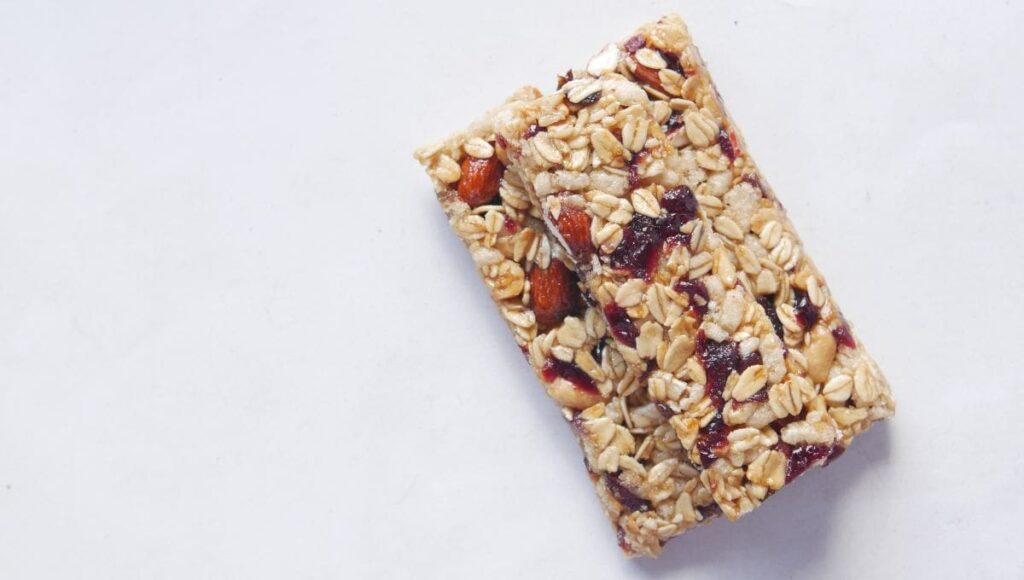
- Whole grains (brown rice, quinoa, oats)
- Fruits
- Vegetables
- Legumes
Fats for Hormone Regulation
Healthy fats are vital for hormone production, including hormones that regulate muscle growth. A study in the Journal of the International Society of Sports Nutrition suggests that fats should make up 20-35% of your total daily calorie intake [source].

Good sources of healthy fats:
- Avocados
- Nuts and seeds
- Olive oil
- Fatty fish (salmon, mackerel)
3. Prioritize Recovery and Rest
The Importance of Sleep
Sleep is critical for muscle recovery and growth. During sleep, the body releases growth hormone, which aids in muscle repair. According to a study published in the journal Sleep, insufficient sleep can impair muscle recovery and performance [source].
Tips for better sleep:
- Aim for 7-9 hours of sleep per night.
- Maintain a consistent sleep schedule.
- Create a relaxing bedtime routine.
Active Recovery Techniques
Active recovery, such as low-intensity exercises on rest days, can help improve circulation and reduce muscle soreness. A study in the Journal of Strength and Conditioning Research found that active recovery can be more effective than passive recovery for reducing muscle soreness and maintaining performance levels [source].
Active recovery activities:
- Walking or light jogging
- Cycling at a leisurely pace
- Yoga or stretching
Hydration and Its Role in Muscle Function
Staying hydrated is essential for optimal muscle function and recovery. Dehydration can lead to muscle cramps and fatigue, hindering performance. The American College of Sports Medicine recommends drinking at least 3.7 liters of water per day for men and 2.7 liters per day for women, adjusting for activity level and climate [source].

Strategies for staying hydrated:
- Drink water regularly throughout the day.
- Consume water-rich foods (fruits, vegetables).
- Replenish fluids lost during exercise.
Conclusion
Achieving fitter and better looking legs involves a strategic approach that incorporates compound exercises, optimized nutrition, and prioritizing recovery. By focusing on these three key strategies, you can enhance your lower body strength, muscle tone, and overall leg aesthetics. Remember, consistency and dedication are essential, and by following these science-backed methods, you will be well on your way to achieving your fitness goals. Share this article with friends and fellow fitness enthusiasts to spread the knowledge and help others achieve their best legs yet.
FAQs
How often should I perform leg workouts for the best results?
For optimal results, aim to perform leg workouts 2-3 times per week. This frequency allows for adequate muscle stimulation and recovery. Research suggests that training a muscle group multiple times a week can lead to greater hypertrophy compared to once-a-week training [source]. Ensure you allow at least 48 hours of recovery between intense leg workouts to prevent overtraining and injury.
Can I build leg muscles without lifting heavy weights?
Yes, you can build leg muscles without lifting heavy weights by using bodyweight exercises, resistance bands, or lighter weights with higher repetitions. Exercises like lunges, squats, and step-ups can be very effective. A study in the Journal of Applied Physiology found that muscle growth can occur with both high and low-load resistance training as long as the exercise is performed to fatigue [source]. Focus on proper form and increasing the volume and intensity gradually.
What should I do if I experience muscle soreness after leg workouts?
Muscle soreness, or delayed onset muscle soreness (DOMS), is common after intense leg workouts. To alleviate soreness, consider the following strategies:
Engage in active recovery: Light activities like walking, stretching, or yoga can help reduce soreness by increasing blood flow to the muscles.
Stay hydrated: Proper hydration can help flush out metabolic waste products from your muscles.
Use foam rolling: Self-myofascial release through foam rolling can help reduce muscle tightness and improve recovery [source].
If soreness persists for more than a few days or is severe, it may be beneficial to consult a healthcare professional to rule out any potential injuries.


