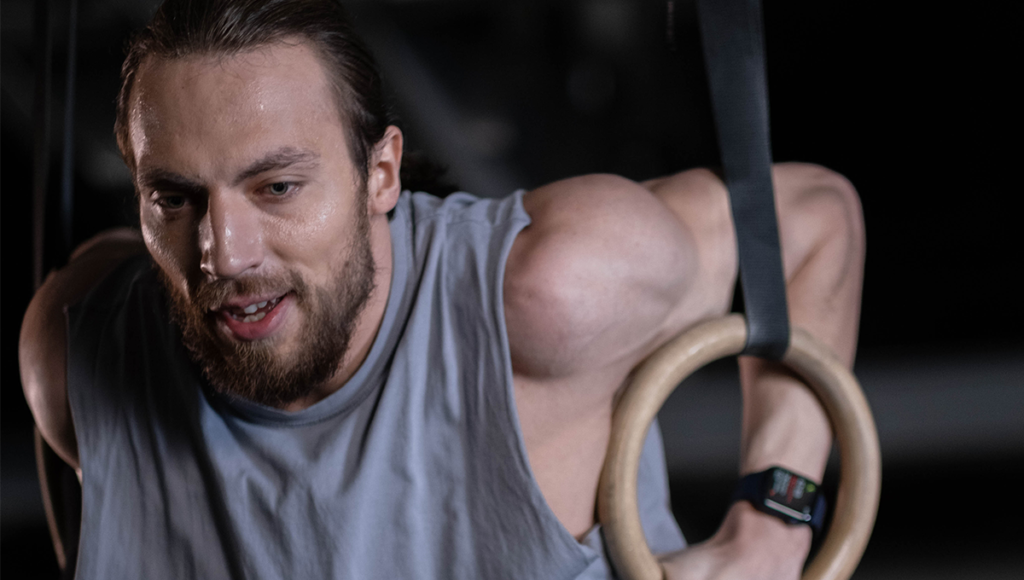
Strong arms are not just about aesthetics. Arm strength plays a crucial role in lifting performance, injury prevention, and overall upper-body function. The biceps, triceps, forearms, and supporting musculature of the shoulders and upper back all contribute to pulling, pushing, carrying, and stabilizing loads.
Research consistently shows that upper-limb strength is associated with improved athletic performance, greater training volume tolerance, and reduced risk of musculoskeletal injury when properly developed.
This article presents three demanding arm challenges designed to test real-world strength, muscular endurance, and neuromuscular coordination. Each challenge is grounded in exercise science and biomechanics, using movements that have been extensively studied in resistance training research. These are not gimmicks. They are simple, brutal, and revealing tests that expose weaknesses and reward intelligent training.
Before attempting these challenges, a proper warm-up is essential. Light aerobic work, dynamic shoulder movements, and progressive loading of the elbows and wrists help reduce injury risk. Scientific literature shows that gradual increases in muscle temperature and neural activation improve force production and joint stability.
Understanding Arm Strength From a Scientific Perspective
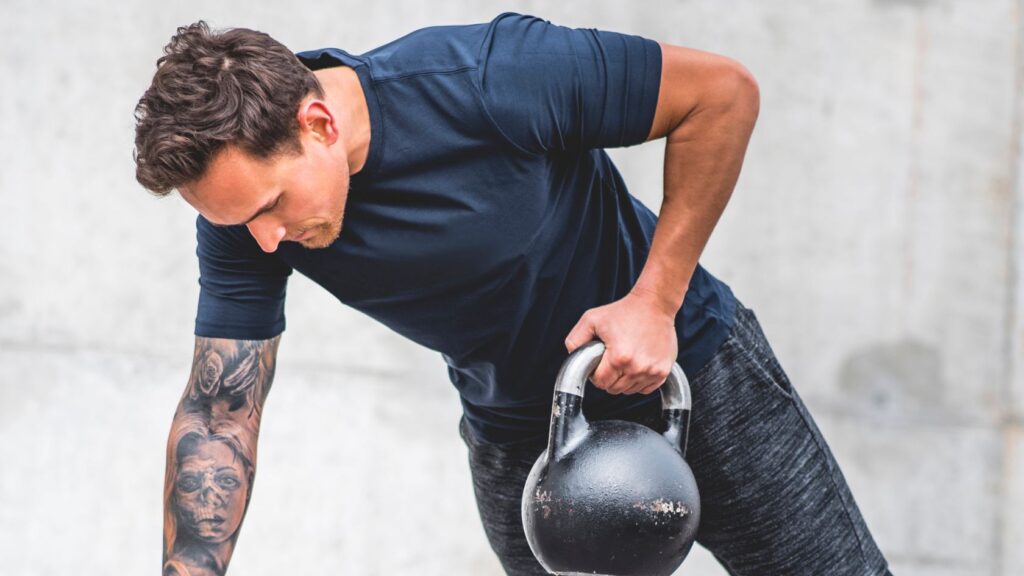
What “Arm Strength” Really Means
Arm strength is not a single quality. It includes maximal strength, muscular endurance, grip strength, and the ability to coordinate multiple joints under load. The biceps brachii, brachialis, and brachioradialis contribute primarily to elbow flexion, while the triceps brachii are responsible for elbow extension. The forearm flexors and extensors control grip and wrist stability, which directly influence force transfer.
Electromyography studies show that compound movements such as pull-ups, rows, dips, and presses activate the arms more effectively than isolation exercises alone, particularly at higher intensities. However, isolation work still plays an important role in maximizing hypertrophy and local endurance.
Why Challenges Matter
Testing strength through structured challenges provides feedback that traditional sets and reps sometimes fail to reveal. Research on autoregulation and performance testing shows that measurable benchmarks improve motivation and long-term adherence to training. Challenges also expose asymmetries, weak links, and technical flaws that may limit progress or increase injury risk.
The following three challenges each emphasize a different aspect of arm strength: maximal pulling and grip endurance, pushing strength and triceps dominance, and time-under-tension endurance across multiple muscle groups.
Challenge 1: The Weighted Pull-Up Ladder

The Challenge
Perform a weighted pull-up ladder starting at bodyweight and increasing load each set until failure. The ladder works as follows:
Set 1: 5 strict pull-ups at bodyweight
Set 2: 4 strict pull-ups with added weight
Set 3: 3 strict pull-ups with more weight
Set 4: 2 strict pull-ups with even more weight
Set 5: 1 maximal weighted pull-up
Rest two to three minutes between sets. All reps must be strict, starting from a dead hang with the chin clearly above the bar.
What This Tests
This challenge assesses maximal upper-body pulling strength, biceps force production, forearm grip endurance, and scapular stability. Pull-ups are a closed-chain movement requiring coordination between the arms, shoulders, and upper back.
Biomechanical research shows that pull-ups heavily recruit the latissimus dorsi, biceps brachii, brachialis, and lower trapezius. As external load increases, elbow flexor activation rises significantly, placing greater demand on arm strength rather than momentum or elastic recoil.
Grip strength also becomes a limiting factor. Studies consistently demonstrate a strong correlation between grip strength and overall upper-body strength, particularly in pulling tasks.
Why It Is Science-Backed
Weighted pull-ups are widely used in strength research as a marker of upper-body maximal strength. Electromyographic data confirm high levels of biceps activation during the concentric phase, especially when performed with a supinated or neutral grip.
Progressive overload, as applied in this ladder format, aligns with established resistance training principles. Research shows that decreasing repetitions while increasing load maintains high motor unit recruitment, which is essential for maximal strength development.
How to Score Yourself
A strong recreational lifter should aim to complete the full ladder with at least 20–30 percent of bodyweight added for the final single. Advanced athletes often exceed 50 percent of bodyweight. Failure to maintain strict form indicates insufficient arm or scapular strength, not just fatigue.

Common Weaknesses Revealed
Inability to maintain a dead hang start often points to poor scapular depression strength. Early grip failure suggests underdeveloped forearms. Excessive leg movement indicates compensatory strategies due to insufficient arm strength.
Challenge 2: The 100-Rep Barbell Curl and Close-Grip Bench Press Complex
The Challenge
Using a single moderate load, complete 100 total repetitions of barbell curls and 100 total repetitions of close-grip bench presses in as few sets as possible. The order is:
Barbell curl: 100 reps total
Close-grip bench press: 100 reps total
You may break the reps into as many sets as needed, but you must complete all curls before moving to the presses. Rest is allowed but counts against your overall performance.
Choose a load equal to approximately 30–40 percent of your bodyweight for each lift.
What This Tests
This challenge is a test of muscular endurance, local fatigue resistance, and metabolic stress tolerance in the arms. The barbell curl primarily targets the elbow flexors, while the close-grip bench press shifts emphasis toward the triceps brachii compared to a standard bench press.
Muscular endurance is defined as the ability to produce submaximal force repeatedly over time. Research shows that high-repetition resistance work increases capillary density, mitochondrial adaptations, and local buffering capacity in trained muscles.
Why It Is Science-Backed
High-repetition resistance training has been extensively studied. While maximal strength improvements plateau at lower rep ranges, muscular endurance and hypertrophy respond well to moderate loads performed for high total volume.
Electromyography research confirms that close-grip bench pressing significantly increases triceps activation relative to wider grips, while still allowing heavy enough loading to challenge the arms meaningfully.
The cumulative fatigue from 200 total repetitions also creates substantial metabolic stress, which has been shown to be a potent stimulus for muscle growth when combined with mechanical tension.
How to Score Yourself
Completing both movements in fewer than 10 total sets per exercise indicates excellent arm endurance. Needing more than 15 sets suggests a lack of local muscular stamina. Rest periods longer than 60 seconds typically indicate insufficient conditioning rather than pure strength limitations.

Common Weaknesses Revealed
Early failure in curls often reflects poor brachialis strength or elbow tendon tolerance. Struggling with the close-grip bench press may reveal underdeveloped triceps or shoulder stability issues. Excessive wrist discomfort suggests weak wrist extensors and flexors.
Challenge 3: The Extended Time-Under-Tension Ring Support Hold and Dip Test
The Challenge
This challenge combines isometric and dynamic strength using gymnastic rings.
Part 1: Ring support hold for maximum time. Arms must be locked, rings turned out, shoulders depressed.
Part 2: Immediately after, perform strict ring dips to failure.
No rest is allowed between the hold and the dips.
What This Tests
This challenge evaluates triceps strength, shoulder stability, elbow joint integrity, and neuromuscular control. Ring-based exercises introduce instability, increasing motor unit recruitment and joint stabilization demands.
Isometric contractions, such as the support hold, have been shown to improve joint-specific strength and tendon stiffness. The subsequent dips test dynamic strength under fatigue, revealing true functional arm capacity.
Why It Is Science-Backed
Research on unstable resistance training shows increased activation of stabilizing muscles compared to stable surfaces. Rings require continuous micro-adjustments at the wrists, elbows, and shoulders, significantly increasing neural demand.
Isometric training has been shown to produce strength gains at specific joint angles, while also improving tendon health when appropriately dosed. Combining isometric and dynamic work in a pre-fatigued state mirrors real-world athletic demands.
Ring dips generate high triceps activation, particularly in the lockout phase, and place substantial stress on the elbow extensors and anterior shoulder musculature.
How to Score Yourself
A strong performance includes a support hold of at least 30 seconds followed immediately by 10 or more strict ring dips. Advanced athletes often exceed 45 seconds and 15 dips. Loss of lockout or excessive shaking indicates insufficient triceps or scapular strength.
Common Weaknesses Revealed
Inability to maintain turned-out rings suggests weak external rotators or poor motor control. Early elbow pain signals inadequate tendon conditioning. Poor dip depth often reflects limited shoulder mobility or triceps weakness.
How to Use These Challenges Safely

Frequency and Recovery
These challenges are demanding and should not be performed more than once every two to three weeks. Research on recovery and connective tissue adaptation shows that tendons adapt more slowly than muscles and require adequate rest between high-stress sessions.
Warm-Up and Preparation
A thorough warm-up should include light rowing, banded elbow flexion and extension, wrist mobility, and progressive loading. Studies show that proper warm-ups improve force output and reduce injury risk, particularly in the elbows and shoulders.
Who Should Avoid Them
Beginners without a foundation of basic strength should build capacity through standard training first. Individuals with current elbow, shoulder, or wrist injuries should avoid maximal or high-volume challenges until cleared by a qualified professional.
Why Arm Challenges Matter for Long-Term Progress
Testing strength provides objective feedback. Research on goal-setting and performance monitoring shows that measurable benchmarks improve training adherence and long-term outcomes. These challenges are not meant to replace structured programming but to complement it.
They highlight the difference between looking strong and being strong. Arm size alone does not guarantee endurance, control, or joint resilience. By exposing weaknesses, these tests guide smarter programming and more balanced development.
Final Thoughts
Strong arms are built through consistent training, intelligent loading, and adequate recovery. These three challenges test different dimensions of arm strength using movements supported by decades of exercise science research. Approach them with respect, honesty, and patience.
Passing these tests is not about ego. It is about understanding your current capacity and using that knowledge to train more effectively.
Bibliography
- American College of Sports Medicine (2009) ‘Progression models in resistance training for healthy adults’, Medicine & Science in Sports & Exercise, 41(3), pp. 687–708.
- Behm, D.G. and Anderson, K.G. (2006) ‘The role of instability with resistance training’, Journal of Strength and Conditioning Research, 20(3), pp. 716–722.
- Campos, G.E.R. et al. (2002) ‘Muscular adaptations in response to three different resistance-training regimens’, Journal of Applied Physiology, 88(1), pp. 50–60.
- Escamilla, R.F. et al. (2001) ‘A three-dimensional biomechanical analysis of the close-grip bench press’, Medicine & Science in Sports & Exercise, 33(5), pp. 861–868.
- Folland, J.P. and Williams, A.G. (2007) ‘The adaptations to strength training’, Sports Medicine, 37(2), pp. 145–168.
- Gentil, P. et al. (2017) ‘Effects of grip width on muscle activity during the lat pulldown’, Journal of Strength and Conditioning Research, 31(12), pp. 3248–3257.
- Schoenfeld, B.J. (2010) ‘The mechanisms of muscle hypertrophy and their application to resistance training’, Journal of Strength and Conditioning Research, 24(10), pp. 2857–2872.