

Cardiovascular fitness is not just about running long distances or grinding away on a rower. In functional fitness, the goal is to improve your heart and lungs while also building strength, coordination, and real-world movement capacity. The best conditioning exercises are those that train the cardiovascular system and the neuromuscular system at the same time.
Research consistently shows that high-intensity, multi-joint movements produce powerful improvements in aerobic capacity (VO2 max), anaerobic power, metabolic health, and overall performance. Functional training, defined as exercises that integrate multiple muscle groups across multiple joints, has been shown to enhance both cardiovascular and muscular fitness simultaneously.
In this article, we break down three of the best functional fitness exercises for enhanced cardio. These movements are simple, scalable, and supported by strong scientific evidence. If your goal is to improve conditioning without wasting time, these are the ones to focus on.
Why Functional Exercises Work So Well for Cardio
Traditional steady-state cardio can improve aerobic fitness, but high-intensity functional movements often produce faster and more significant gains in less time. The reason comes down to physiology.

High-intensity exercise increases stroke volume, cardiac output, mitochondrial density, and capillary development. Research has shown that interval-based training can significantly improve VO2 max, even when total training time is lower than traditional endurance training. Improvements in VO2 max are strongly linked to reduced cardiovascular disease risk and improved overall mortality.
Multi-joint exercises also increase total muscle mass recruitment. The more muscle involved, the greater the oxygen demand. This drives higher heart rates and greater cardiovascular adaptation. Studies comparing high-intensity interval training (HIIT) to moderate-intensity continuous training show similar or superior improvements in aerobic capacity, despite shorter session durations.
Functional movements amplify this effect. Because they require coordination, stability, and strength under fatigue, they create a powerful stimulus for both aerobic and anaerobic systems.
With that foundation in place, let’s look at the three best exercises.
1. Burpees
Burpees are often disliked, but they are one of the most effective full-body conditioning tools available. They require no equipment, can be scaled for any fitness level, and produce rapid cardiovascular demand.
Why Burpees Are So Effective
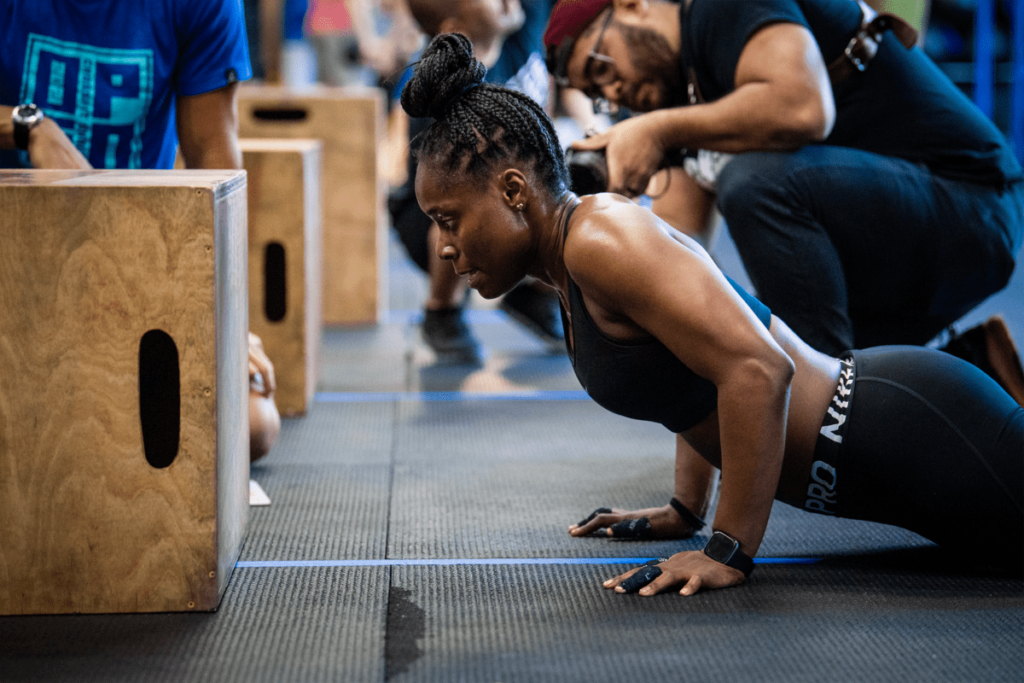
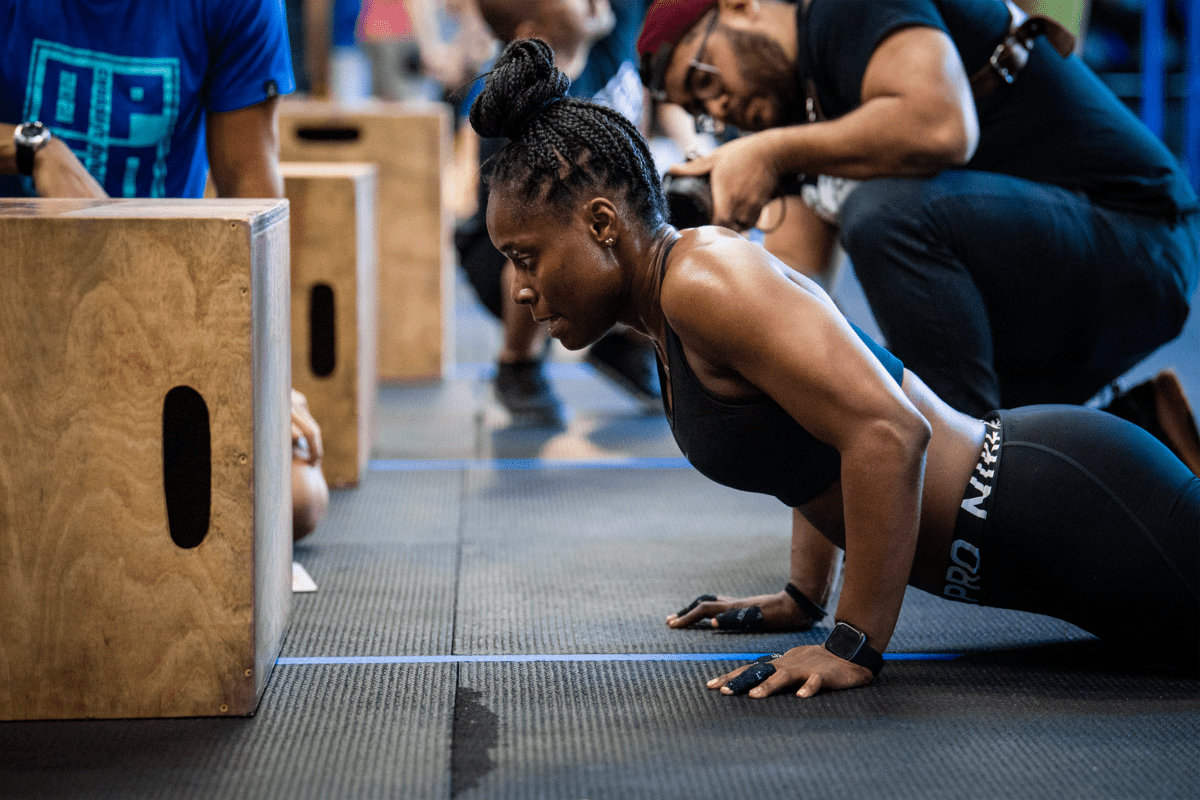
A burpee combines a squat, a plank, a push-up, and a vertical jump. That sequence recruits nearly every major muscle group. When performed continuously, heart rate rises quickly, often reaching 85–95% of maximum in a short period.
High-intensity interval training protocols that use bodyweight movements like burpees have been shown to significantly improve VO2 max, anaerobic capacity, and metabolic markers. Even short sessions of intense bodyweight training can produce meaningful cardiovascular adaptations.
Research examining sprint interval training and bodyweight HIIT protocols shows improvements in mitochondrial density and oxidative enzymes, which enhance the muscle’s ability to use oxygen efficiently. This directly improves aerobic performance.

Additionally, exercises that include jumping components increase mechanical demand and metabolic cost. Studies have demonstrated that explosive, plyometric-based training can elevate heart rate and oxygen consumption rapidly, making them effective for conditioning.
Cardiovascular Benefits of Burpees
Burpees improve:
- VO2 max
- Anaerobic capacity
- Lactate threshold
- Cardiac output
- Muscular endurance
Research comparing high-intensity intervals to steady-state cardio has found comparable or greater improvements in aerobic capacity, despite significantly shorter workout durations. This makes burpees ideal for athletes with limited time.
Because burpees transition between horizontal and vertical positions, they also challenge circulatory control. Moving from plank to jump repeatedly forces rapid cardiovascular adjustments, which may further enhance cardiac efficiency.
How to Program Burpees for Maximum Cardio Gains
To optimize cardiovascular adaptation:
- Use interval formats (e.g., 20–40 seconds work, 20–40 seconds rest).
- Aim for near-maximal effort.
- Keep total high-intensity work between 8–20 minutes.
- Maintain technical quality under fatigue.
Research suggests that intervals performed at 85–95% of maximal heart rate are highly effective for improving aerobic power. Burpees naturally drive heart rate into this range when performed aggressively.
Beginners can remove the push-up or step back instead of jumping. Advanced athletes can add a target jump or dumbbells.
The key variable is intensity.
2. Kettlebell Swings
The kettlebell swing is a hip-dominant ballistic movement that builds power, posterior chain strength, and cardiovascular capacity at the same time.
Unlike many cardio machines, swings train force production, coordination, and muscular endurance in a highly transferable pattern.
The Science Behind Kettlebell Conditioning
Research analyzing kettlebell training has found significant improvements in aerobic capacity and muscular endurance after relatively short training interventions. One study demonstrated that kettlebell swing protocols elevated heart rate to levels consistent with vigorous-intensity cardiovascular exercise.
The swing’s repeated hip extension recruits the glutes, hamstrings, spinal erectors, and core musculature. This large muscle mass involvement increases oxygen demand, elevating heart rate and stroke volume.

Studies comparing kettlebell swing sessions to treadmill running found comparable heart rate responses, despite shorter duration sessions. This suggests swings can provide a similar cardiovascular stimulus in less time.
High-intensity resistance training methods, including ballistic movements, have also been shown to improve VO2 max. Research indicates that combining strength and endurance demands produces improvements in both systems simultaneously.
Why Swings Improve Both Aerobic and Anaerobic Fitness
Kettlebell swings are unique because they sit between strength and conditioning.
Each repetition is explosive, relying on phosphagen system contribution. However, when performed continuously for 30–90 seconds, glycolytic and oxidative systems become heavily involved.
This metabolic crossover creates adaptations in:
- Fast-twitch muscle fiber oxidative capacity
- Lactate tolerance
- Cardiac efficiency
- Peripheral oxygen extraction
Research on interval-based resistance training has shown improvements in cardiovascular fitness comparable to endurance training. This is important for functional fitness athletes who want strength and conditioning gains without sacrificing one for the other.
How to Program Kettlebell Swings for Cardio
Effective formats include:
- 30 seconds on / 30 seconds off for 10–15 rounds
- EMOM (every minute on the minute) sets
- High-rep sets (20–40 reps) with short rest
Studies indicate that short-rest, moderate-load resistance circuits elevate heart rate into vigorous training zones. The key is minimal rest and continuous effort.
Choose a weight that allows powerful hip extension without breakdown. Conditioning benefits come from density and intensity, not sloppy mechanics.
Proper technique is essential. The swing is a hinge, not a squat. Power should come from the hips, not the lower back.
3. Thrusters
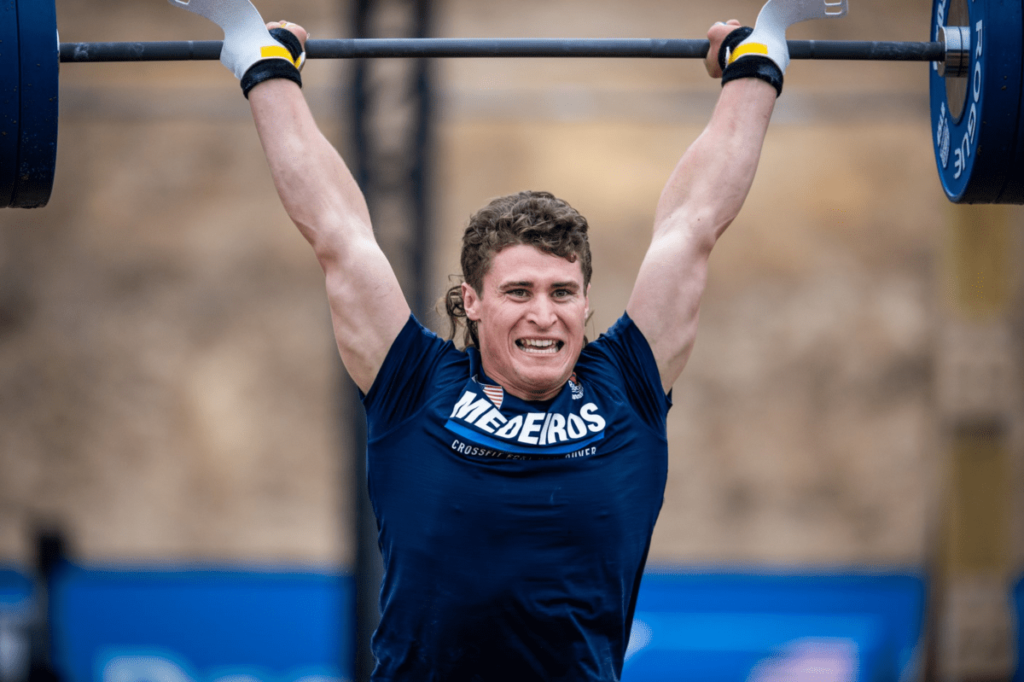
Thrusters combine a front squat and an overhead press in one continuous movement. They are a staple in functional fitness for a reason: few exercises elevate heart rate as quickly.
Why Thrusters Drive Heart Rate So High
Thrusters involve:
- Large lower-body muscle groups
- Upper-body pressing muscles
- Core stabilization
- Coordination under fatigue
Research has shown that multi-joint resistance exercises performed with minimal rest significantly increase oxygen consumption and heart rate.
When exercises involve both lower and upper body in a single movement, cardiovascular strain increases compared to isolated exercises. Thrusters demand blood flow to nearly the entire body simultaneously.
Studies examining high-intensity functional training report substantial improvements in aerobic capacity after programs incorporating movements like thrusters, squats, and presses performed in interval formats.
Because thrusters require the barbell or dumbbells to travel a long range of motion, metabolic cost increases. Longer time under tension combined with explosive output creates both strength and conditioning stimulus.
Cardiovascular and Performance Benefits
Thruster training has been associated with:
- Increased VO2 max
- Improved lactate threshold
- Greater muscular endurance
- Improved functional work capacity
High-intensity functional training programs have demonstrated improvements in aerobic fitness comparable to traditional endurance training. Importantly, these gains occur alongside improvements in strength and power.
This dual adaptation makes thrusters highly efficient for athletes.
The front squat portion challenges the largest muscles in the body. The overhead press increases upper-body involvement and heart rate further. Together, they produce a powerful systemic response.
Programming Thrusters for Conditioning
To maximize cardiovascular adaptation:
- Use moderate loads (40–60% of one-rep max).
- Perform sets of 8–15 repetitions.
- Keep rest intervals short (30–60 seconds).
- Use interval or circuit formats.
Research on high-intensity interval protocols suggests that work intervals lasting 30 seconds to 4 minutes are highly effective for improving aerobic capacity.
Thrusters fit perfectly within that window.
Beginners can use light dumbbells. Advanced athletes can use barbells or combine thrusters with other movements for metabolic circuits.
The goal is sustained intensity.
Why These Three Movements Stand Above the Rest
There are many functional exercises that elevate heart rate. However, burpees, kettlebell swings, and thrusters consistently stand out for several reasons:
- They recruit large muscle mass.
- They involve multi-joint coordination.
- They can be loaded or unloaded.
- They scale across fitness levels.
- They elevate heart rate into proven adaptation zones.
Research consistently shows that high-intensity interval training improves VO2 max, insulin sensitivity, mitochondrial density, and cardiovascular health markers. VO2 max itself is one of the strongest predictors of long-term mortality risk.
Studies comparing interval training to moderate continuous exercise show similar or greater improvements in aerobic capacity, despite lower time commitment. This makes high-intensity functional movements highly efficient.
Functional exercises also improve movement quality and strength. Unlike traditional cardio machines, they do not isolate the cardiovascular system from the musculoskeletal system.
This integration may contribute to improved overall work capacity.
The Physiology of Enhanced Cardio
To understand why these exercises work, it helps to understand what “better cardio” actually means.
Enhanced cardiovascular fitness involves:
- Increased stroke volume
- Greater cardiac output
- Improved oxygen extraction
- Increased capillary density
- Higher mitochondrial density
- Improved lactate clearance
High-intensity efforts stimulate central adaptations in the heart and peripheral adaptations in the muscles.
Research shows that training near maximal oxygen uptake produces the strongest stimulus for improving VO2 max. Intervals that push heart rate above 85% of maximum are particularly effective.
All three exercises in this article easily reach that threshold when programmed correctly.
How Often Should You Train for Cardio Gains?
Research on HIIT suggests that 2–4 sessions per week can significantly improve aerobic fitness.
A common structure could look like:
- Day 1: Burpee intervals
- Day 2: Kettlebell swing conditioning
- Day 3: Thruster circuits
Each session can last 15–25 minutes of high-intensity work.
Consistency matters more than complexity.
Safety and Recovery Considerations
High-intensity functional movements are effective, but they must be respected.
Research indicates that proper progression and adequate recovery are essential to avoid overtraining and excessive fatigue.
Guidelines for safe implementation:
- Build technical proficiency first.
- Start with lower volume.
- Monitor heart rate.
- Prioritize sleep and nutrition.
- Allow at least 48 hours between intense sessions targeting the same muscle groups.
Recovery supports adaptation. Without it, performance declines.
Putting It All Together
If your goal is enhanced cardio, you do not need endless miles of steady-state training. Research supports the effectiveness of high-intensity, multi-joint functional movements for improving aerobic capacity and overall cardiovascular health.
Burpees, kettlebell swings, and thrusters represent three of the most efficient tools available.
They:
- Elevate heart rate rapidly.
- Improve VO2 max.
- Increase muscular endurance.
- Enhance metabolic conditioning.
- Build functional strength.
When programmed with intensity and consistency, these exercises deliver powerful results.
Cardiovascular fitness is not about doing more. It is about doing the right things with intent.
Focus on quality movement. Train hard. Recover well.
Your heart will adapt.
Key Takeaways
| Exercise | Primary Benefit | Why It Works | Programming Tip |
|---|---|---|---|
| Burpees | Rapid VO2 max improvement | Full-body, high-intensity intervals recruit large muscle mass | 20–40 sec hard effort, short rest |
| Kettlebell Swings | Strength + cardio crossover | Explosive hip hinge elevates heart rate quickly | 30 sec on / 30 sec off intervals |
| Thrusters | Full-body metabolic conditioning | Combines squat and press for maximum oxygen demand | Moderate load, 8–15 reps, short rest |
| All Three | Improved aerobic capacity and work capacity | High-intensity, multi-joint functional training | 2–4 sessions per week |
References
- Buchheit, M. and Laursen, P.B. (2013) ‘High-intensity interval training, solutions to the programming puzzle’, Sports Medicine, 43(5), pp. 313–338.
- Garber, C.E., Blissmer, B., Deschenes, M.R., et al. (2011) ‘American College of Sports Medicine position stand: quantity and quality of exercise for developing and maintaining cardiorespiratory, musculoskeletal, and neuromotor fitness’, Medicine & Science in Sports & Exercise, 43(7), pp. 1334–1359.
- Gibala, M.J., Little, J.P., Macdonald, M.J. and Hawley, J.A. (2012) ‘Physiological adaptations to low-volume, high-intensity interval training in health and disease’, The Journal of Physiology, 590(5), pp. 1077–1084.
- Helgerud, J., Høydal, K., Wang, E., et al. (2007) ‘Aerobic high-intensity intervals improve VO2 max more than moderate training’, Medicine & Science in Sports & Exercise, 39(4), pp. 665–671.
- Milanović, Z., Sporiš, G. and Weston, M. (2015) ‘Effectiveness of high-intensity interval training versus moderate-intensity continuous training on cardiorespiratory fitness’, Sports Medicine, 45(10), pp. 1469–1481.