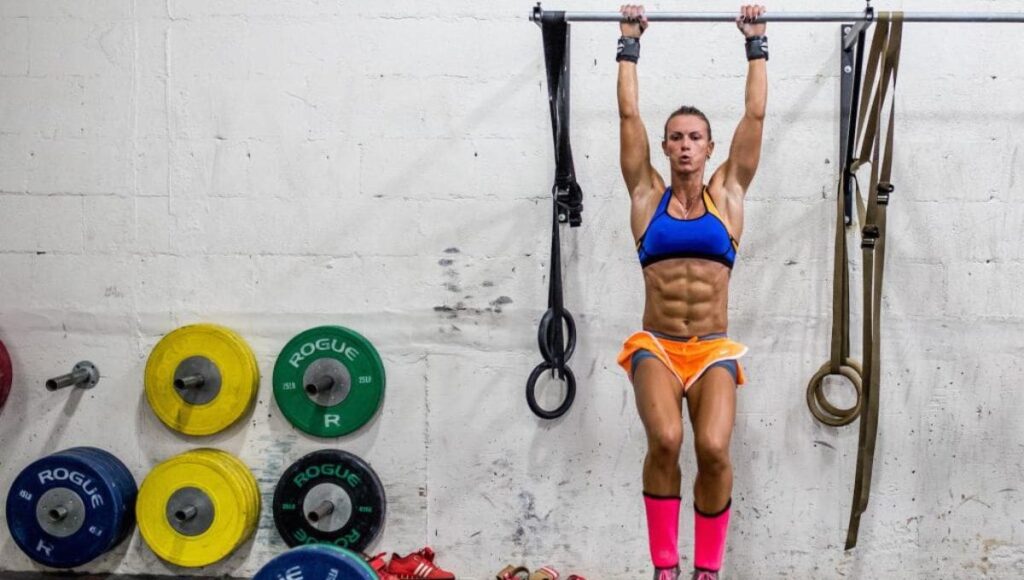


Strong obliques are about far more than looking athletic. The oblique muscles play a central role in spinal stability, efficient force transfer, injury prevention, and high-level athletic performance. Whether you lift weights, practice CrossFit, play field sports, or simply want a resilient core that protects your spine as you age, rotational strength is essential.
Despite this, many training programs still rely heavily on flexion-based core exercises like sit-ups and crunches. While these movements have their place, they do not adequately train the obliques in their primary real-world roles: resisting rotation, controlling rotation, and producing rotation under load.
This article breaks down the three best rotational exercises for building iron-strong obliques in 2026. Each exercise is selected based on biomechanics, electromyography (EMG) data, spinal loading research, and transfer to sport and daily movement. The goal is simple: maximum effectiveness with minimal risk.
By the end, you will understand not just what to do, but why these exercises work, how to perform them correctly, and how to program them for long-term results.
Understanding the Obliques and Rotation

What the Obliques Actually Do
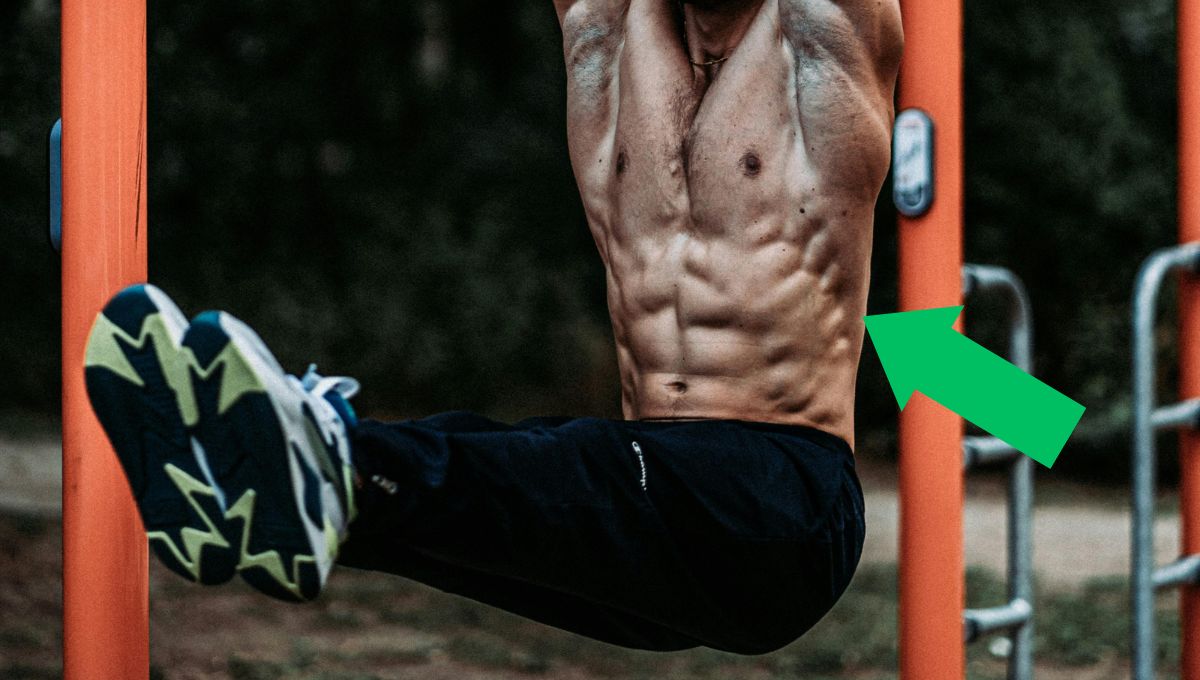
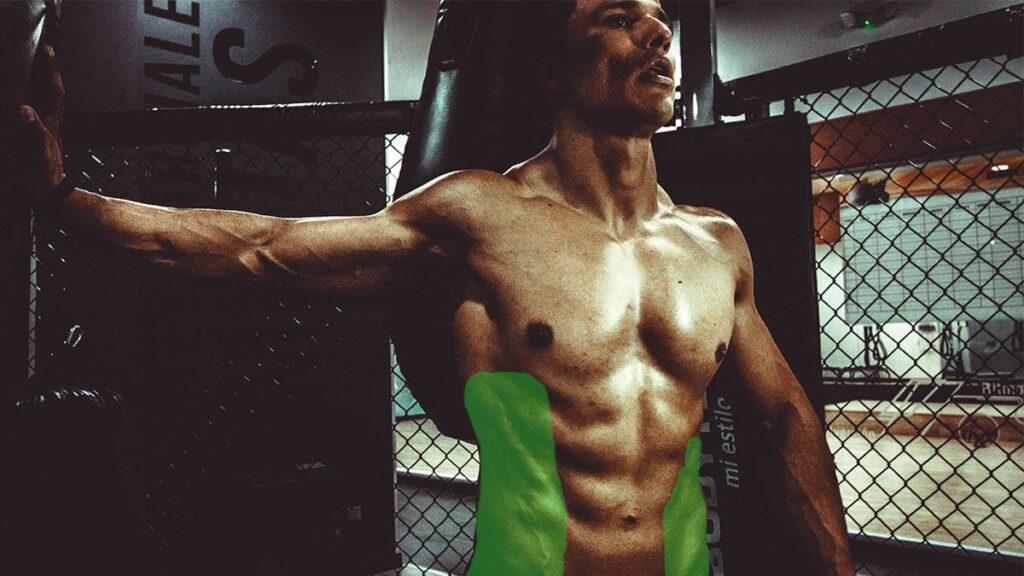
The obliques are made up of two muscle groups on each side of the torso: the external obliques and the internal obliques. The external obliques run diagonally downward and inward, while the internal obliques run perpendicular to them.
Functionally, the obliques are responsible for:
- Trunk rotation and anti-rotation
- Lateral flexion of the spine
- Stabilization of the lumbar spine and pelvis
- Transferring force between the upper and lower body
Research consistently shows that the obliques are most active during tasks that involve rotation, asymmetrical loading, or resisting unwanted spinal movement, rather than pure spinal flexion (McGill, 2007).
Why Rotation Matters More Than Crunches
Daily life and sport rarely involve repeated spinal flexion under load. Instead, the spine is usually required to stay relatively stable while the limbs move powerfully around it. Sprinting, throwing, lifting, changing direction, and even carrying groceries all rely on the obliques to control rotation.
Biomechanical studies show that excessive spinal flexion under load increases compressive and shear forces on the lumbar spine, potentially increasing injury risk over time (Callaghan and McGill, 2001). In contrast, rotational and anti-rotational training develops stiffness and control, which are associated with lower injury rates and better performance.
This is why modern core training has shifted away from endless crunches and toward loaded carries, anti-rotation presses, and controlled rotational movements.
The Science of Rotational Core Training
Rotation vs Anti-Rotation
Rotational exercises can be broadly categorized into two types:
- Rotation: actively producing rotation through the torso
- Anti-rotation: resisting rotation caused by external forces
Both are valuable. Rotation builds strength and power, while anti-rotation enhances spinal stability and control. Studies using EMG analysis show that anti-rotation exercises often produce higher and more sustained oblique activation than traditional ab exercises, especially at moderate to heavy loads (Escamilla et al., 2010).
The best programs include both, but true rotational strength requires the ability to control rotation through a full range of motion under load.
Load, Speed, and Control
Research on spinal mechanics highlights that uncontrolled or ballistic rotation under heavy load can increase injury risk, especially in the lumbar spine (Cholewicki and McGill, 1996). However, controlled rotational movements with appropriate load and bracing significantly improve trunk stiffness and neuromuscular coordination.
This means the best rotational exercises are not wild twisting movements. They are deliberate, controlled, and integrated with proper breathing and bracing strategies.
The three exercises below meet these criteria and are supported by current evidence.
Exercise 1: Cable Wood Chop (High-to-Low and Low-to-High)
Why the Cable Wood Chop Works
The cable wood chop is one of the most studied and effective rotational exercises for the obliques. EMG research shows that both the internal and external obliques are highly activated during wood chop variations, especially when the movement is performed with intent to rotate through the torso rather than just the arms (Escamilla et al., 2010).
Unlike free weights, cables provide constant tension throughout the movement. This keeps the obliques engaged across the entire range of motion, which is critical for developing strength that carries over to real-world tasks.
High-to-Low vs Low-to-High
Both variations are valuable, but they emphasize slightly different aspects of oblique function.
High-to-low chops:
- Emphasize rotational deceleration
- Mimic movements like throwing or striking downward
- Place higher demands on eccentric control
Low-to-high chops:
- Emphasize rotational power and force transfer
- Mimic sprinting arm drive and explosive hip extension
- Increase demand on the internal obliques
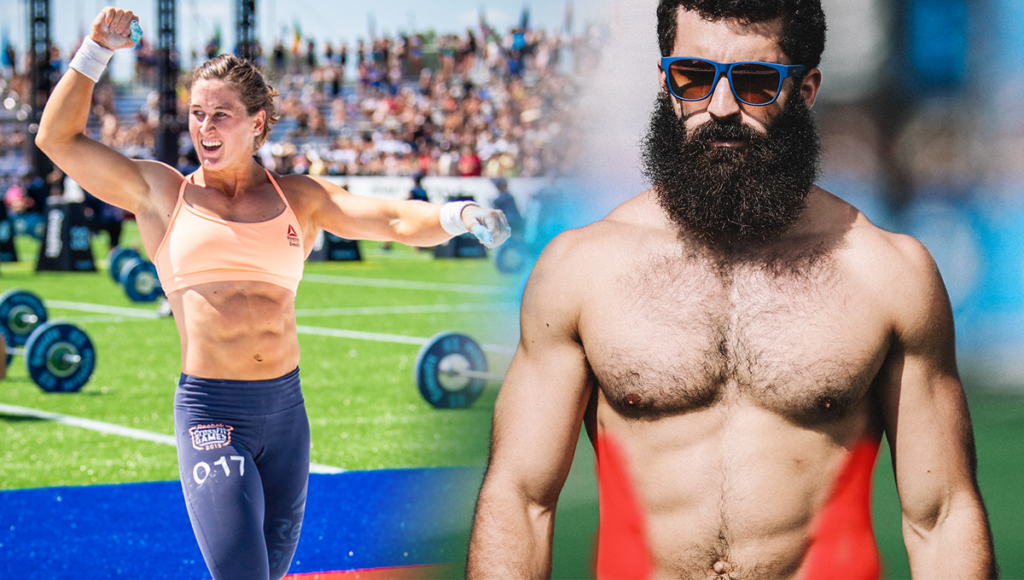
Studies comparing chopping patterns show that diagonal movement patterns produce greater oblique activation than purely horizontal or vertical movements (Andersen et al., 2014).
How to Perform the Cable Wood Chop Correctly
- Set the cable pulley at shoulder height (for high-to-low) or near the floor (for low-to-high).
- Stand sideways to the machine with feet shoulder-width apart.
- Grip the handle with both hands, arms extended but not locked.
- Brace your core as if preparing to lift something heavy.
- Rotate your torso smoothly, allowing the hips and shoulders to turn together.
- Keep your spine neutral throughout the movement.
- Control the return phase rather than letting the weight pull you back.
Proper technique is critical. Research shows that excessive lumbar rotation without hip involvement increases spinal stress and reduces oblique engagement (McGill, 2007).
Programming Guidelines
- Sets: 3–4
- Reps: 8–12 per side
- Load: Moderate, allowing full control
- Tempo: Controlled, 2–3 seconds per rep
This rep range balances strength and hypertrophy while maintaining joint safety.
Exercise 2: Pallof Rotation Press (Dynamic Anti-Rotation)
Why Anti-Rotation Is Essential
The Pallof press is often used as a static anti-rotation exercise, but adding controlled rotation transforms it into one of the most effective oblique builders available.
Research shows that resisting rotation activates the obliques at levels comparable to, or higher than, traditional rotational movements, particularly when load is increased gradually (Behm et al., 2010). The dynamic Pallof rotation combines both rotation and anti-rotation, making it exceptionally efficient.
What Makes the Pallof Rotation Unique
Unlike wood chops, the Pallof rotation places the load farther from the body’s axis of rotation. This increases torque on the spine without requiring heavy external loads. From a spinal health perspective, this is ideal.
Studies on spinal stability demonstrate that increasing moment arm length can significantly increase muscular demand without increasing compressive forces on the spine (Cholewicki et al., 2000).
How to Perform the Pallof Rotation Press
- Attach a handle to a cable or resistance band at chest height.
- Stand sideways to the anchor point.
- Hold the handle close to your chest with both hands.
- Brace your core and press the handle straight out.
- Slowly rotate your torso away from the anchor point.
- Pause briefly, then return to the starting position under control.
The key is resisting the urge to twist quickly. Slower movements increase time under tension and oblique activation, as shown in EMG studies of trunk stabilization exercises (Escamilla et al., 2010).
Programming Guidelines
- Sets: 3–5
- Reps: 6–10 per side
- Load: Light to moderate, prioritizing control
- Tempo: Slow and deliberate
This exercise is particularly valuable during deloads, rehab phases, or as part of warm-ups for heavy lifting days.
Exercise 3: Landmine Rotations
Why the Landmine Is a Game-Changer
Landmine rotations have become increasingly popular because they allow powerful rotational training with a reduced risk profile. The fixed arc of the barbell guides the movement, limiting excessive spinal rotation while still challenging the obliques.
Biomechanical research indicates that angled loading patterns, like those in landmine exercises, reduce shear forces on the lumbar spine compared to free barbell rotational lifts (McGill and Karpowicz, 2009).
Oblique Activation and Athletic Transfer
EMG studies show high levels of oblique activation during landmine rotations, particularly when the hips and torso rotate together as a unit (Saeterbakken et al., 2015). This closely mirrors athletic movements such as throwing, cutting, and grappling.
Because the load increases as the bar moves away from the body, landmine rotations naturally encourage proper sequencing: hips initiate, torso follows, arms guide.
How to Perform Landmine Rotations Safely
- Secure one end of a barbell in a landmine attachment or corner.
- Stand facing the bar, feet slightly wider than shoulder-width.
- Hold the bar with both hands at chest height.
- Brace your core and rotate the bar from one hip to the other.
- Allow your hips to pivot naturally.
- Keep your spine neutral and avoid excessive leaning.
Poor technique, such as locking the hips and twisting only through the lower back, significantly increases injury risk and reduces effectiveness.
Programming Guidelines
- Sets: 3–4
- Reps: 6–10 per side
- Load: Moderate to heavy, but always controlled
- Rest: 60–90 seconds
Landmine rotations are best placed after your main strength work or on dedicated core and accessory days.
How to Program Rotational Training for Long-Term Results
Frequency and Recovery
Research on core musculature suggests that the obliques respond well to moderate frequency, with 2–4 sessions per week being optimal for most athletes (Behm et al., 2010). Because rotational exercises involve the spine, recovery is essential.
Avoid heavy rotational loading on consecutive days, especially when combined with heavy squats or deadlifts.
Progressive Overload Without Injury
Progression does not always mean adding weight. Increasing time under tension, improving range of motion, or adding pauses can all increase stimulus without increasing spinal stress.
Longitudinal studies on core training show that gradual progression in complexity and control leads to better outcomes than aggressive loading (McGill, 2016).
Breathing and Bracing
Proper breathing enhances oblique activation. Research demonstrates that coordinated diaphragmatic breathing increases trunk stiffness and improves force transfer (Hodges et al., 2005).
Exhale gently as you rotate or resist rotation, maintaining abdominal tension without holding your breath excessively.
Common Mistakes That Limit Oblique Development
Over-Rotating the Lower Back
The lumbar spine is designed for stability, not excessive rotation. Studies show that most rotational capacity comes from the thoracic spine and hips, not the lower back (McGill, 2007).
Focus on rotating as a unit rather than twisting segment by segment.
Using Too Much Weight
Heavier is not always better. Excessive load often leads to compensations that reduce oblique activation and increase injury risk.
EMG data consistently show higher quality muscle activation at moderate loads with good control compared to maximal loads with poor technique (Escamilla et al., 2010).
Neglecting Anti-Rotation
Only training rotation leaves gaps in core stability. Anti-rotation exercises are critical for protecting the spine during unexpected or asymmetrical loads.
Balanced programs include both.
Bibliography
- Andersen, V., Fimland, M.S., Mo, D.A., Iversen, V.M., Vederhus, T., Rockland Hellebø, L.R. and Saeterbakken, A.H. (2014) ‘Electromyographic comparison of barbell deadlift, hex bar deadlift, and hip thrust exercises: a cross-sectional study’, Journal of Strength and Conditioning Research, 28(5), pp. 1302–1310.
- Behm, D.G., Drinkwater, E.J., Willardson, J.M. and Cowley, P.M. (2010) ‘Canadian Society for Exercise Physiology position stand: The use of instability to train the core in athletic and nonathletic conditioning’, Applied Physiology, Nutrition, and Metabolism, 35(1), pp. 109–112.
- Callaghan, J.P. and McGill, S.M. (2001) ‘Low back joint loading and kinematics during standing and unsupported sitting’, Ergonomics, 44(3), pp. 280–294.
- Cholewicki, J. and McGill, S.M. (1996) ‘Mechanical stability of the in vivo lumbar spine: implications for injury and chronic low back pain’, Clinical Biomechanics, 11(1), pp. 1–15.
- Cholewicki, J., Juluru, K., Radebold, A., Panjabi, M.M. and McGill, S.M. (2000) ‘Lumbar spine stability can be augmented with an abdominal belt and/or increased intra-abdominal pressure’, European Spine Journal, 8(5), pp. 388–395.