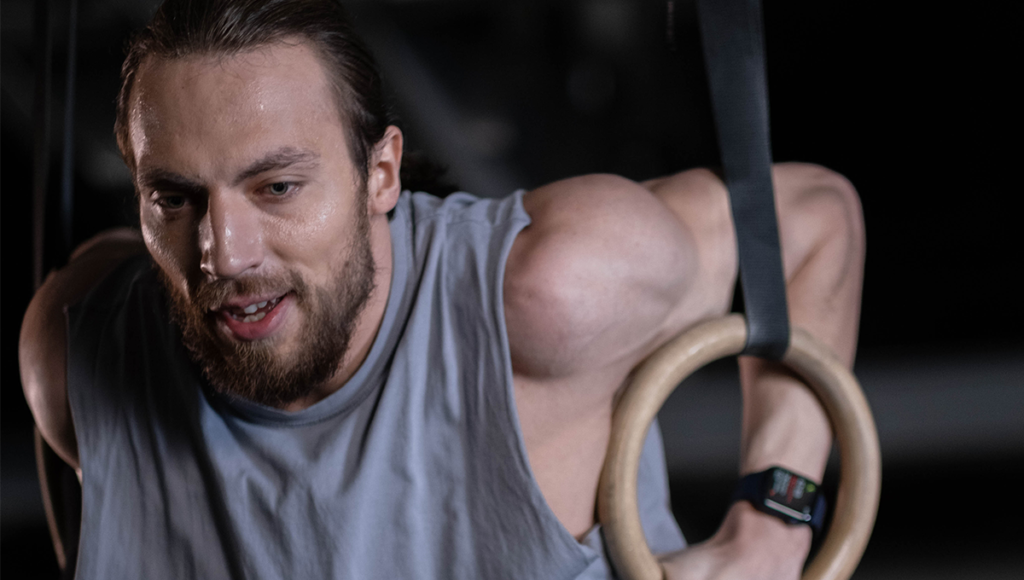
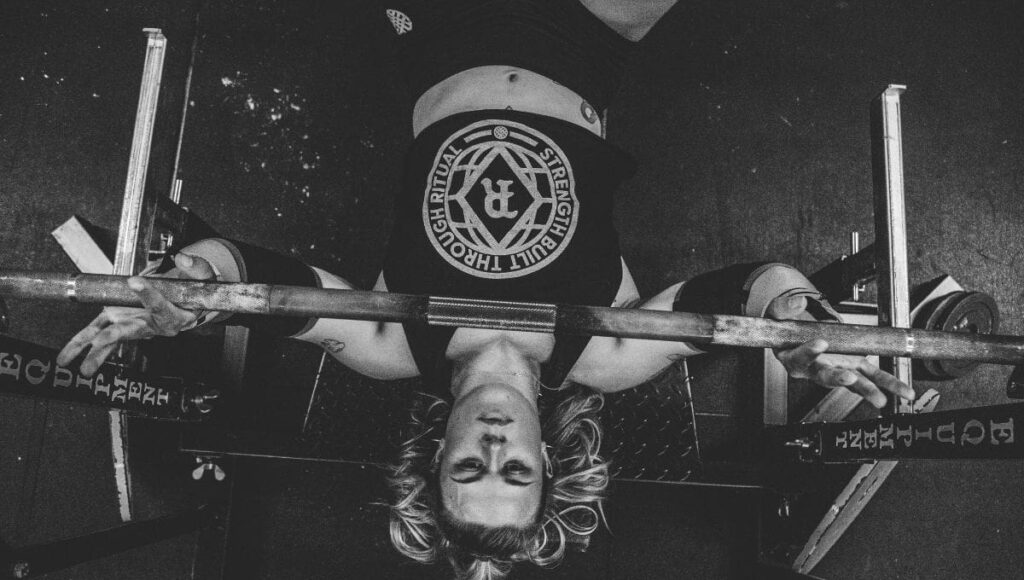
A strong back is the foundation of athletic performance, injury resilience, and long-term health. Whether you are lifting heavy barbells, sprinting up hills, or simply carrying groceries, your back muscles are working to stabilize your spine, transfer force between your upper and lower body, and protect your joints.
Low back pain remains one of the most common musculoskeletal complaints worldwide. Research consistently shows that exercise—especially resistance training and motor control training, is one of the most effective ways to reduce pain and improve function. Stronger back and trunk muscles are associated with better spinal stability, improved athletic performance, and reduced injury risk.
This article breaks down three functional fitness workouts designed to build a stronger, more resilient back. Each workout is grounded in scientific principles of strength training, spinal stability, and movement mechanics. You will also find clear explanations of why each exercise works.
Let’s build a back that performs.
Why Functional Training Is Essential for Back Strength
Functional training focuses on movements, not just muscles. Instead of isolating a single joint, functional exercises challenge multiple joints and muscle groups in coordinated patterns—hinging, squatting, carrying, pulling, rotating, and resisting rotation.
The Science of Back Strength and Stability
The spine relies on a complex interaction between passive structures (ligaments, discs), active structures (muscles), and neural control systems. When the muscles surrounding the spine—especially the erector spinae, multifidus, transverse abdominis, obliques, and glutes—are strong and coordinated, spinal stability improves.
Research shows that targeted trunk muscle activation improves spinal stiffness and reduces injury risk. Increased trunk stiffness enhances force transfer and athletic performance, especially in power-based movements. Stronger trunk and hip musculature also reduce the mechanical load placed on passive spinal tissues.

Progressive resistance training has consistently been shown to improve muscular strength, endurance, and functional capacity in both healthy individuals and those with chronic low back pain. Motor control exercises targeting deep spinal stabilizers have also demonstrated effectiveness in reducing recurrence of back pain.
Functional fitness combines both: high-quality movement under load and controlled stabilization under dynamic conditions.
Now let’s apply these principles.
Workout 1: The Posterior Chain Builder
The posterior chain—glutes, hamstrings, spinal erectors, lats, and mid-back—is critical for back health and athletic performance. Weakness here often leads to compensatory movement patterns and increased spinal stress.
This workout emphasizes hip hinging, pulling strength, and loaded carries.
A1: Barbell Deadlift
Reps: 5
Sets: 5
Rest: 2–3 minutes
The deadlift is one of the most effective exercises for developing posterior chain strength. It heavily recruits the gluteus maximus, hamstrings, and erector spinae while teaching coordinated hip extension.
Biomechanical analyses show high activation of lumbar extensors during deadlifting, especially at moderate to heavy loads. Strengthening these muscles improves spinal support during lifting tasks. Research also indicates that progressive deadlift training can improve pain and function in individuals with low back pain when properly programmed.
Focus on:
- Neutral spine.
- Strong bracing before the pull.
- Driving through the heels.
- Full hip extension at the top.
A2: Chest-Supported Row
Reps: 8–10
Sets: 4
Rest: 90 seconds
Rows strengthen the mid-back, including the rhomboids, trapezius, and posterior deltoids. A chest-supported version reduces unnecessary spinal loading while still challenging scapular retractors.
Stronger scapular stabilizers improve shoulder mechanics and reduce strain on the thoracic and lumbar spine during pulling tasks. Studies on rowing variations show high activation of the middle trapezius and rhomboids, which are essential for posture and upper back stability.
Focus on:
- Pulling elbows toward the hips.
- Squeezing shoulder blades together.
- Controlling the eccentric phase.
A3: Farmer’s Carry
Distance: 30–40 meters
Sets: 4–5
Rest: 60–90 seconds
Loaded carries are functional gold. The farmer’s carry trains grip strength, trunk stiffness, and postural endurance.
Research demonstrates that carrying tasks significantly increase trunk muscle activation, particularly in the obliques and spinal extensors. Loaded carries also enhance gait stability and core endurance.
Keep:
- Chest tall.
- Ribs down.
- Short, controlled steps.
- Even weight distribution.
This trio builds foundational posterior chain strength and reinforces proper spinal mechanics under load.
Workout 2: Anti-Rotation and Core Stability Circuit
Back strength is not only about extension. The spine must resist rotation and excessive flexion under load. Anti-rotation training improves trunk stiffness and neuromuscular control.
This workout focuses on controlled stability and unilateral loading.
A1: Single-Leg Romanian Deadlift
Reps: 8 per side
Sets: 4
Rest: 60–90 seconds
Single-leg RDLs challenge balance, glute strength, and anti-rotational stability. The unilateral stance forces the trunk muscles to resist rotational torque.
Studies on unilateral training show increased activation of stabilizing musculature compared to bilateral movements. Strengthening the glutes is especially important, as weak hip extensors are associated with increased lumbar stress.
Key cues:
- Hinge at the hips.
- Keep hips square.
- Maintain a neutral spine.
- Move slowly and with control.
A2: Pallof Press
Reps: 10–12 per side
Sets: 3–4
Rest: 60 seconds
The Pallof press is a pure anti-rotation exercise. As you press the cable or band forward, your trunk must resist rotational pull.
Electromyography research shows significant activation of the obliques and transverse abdominis during anti-rotation tasks. Enhanced trunk stability reduces excessive spinal motion, which is linked to lower back injury risk.
Keep:
- Knees slightly bent.
- Glutes engaged.
- Arms fully extended at the front.
- No torso rotation.
A3: Bird Dog (Progressed)
Reps: 8 per side (3–5 second hold)
Sets: 3
Rest: 45 seconds
The bird dog is a foundational motor control exercise. It activates the multifidus and deep stabilizers with minimal spinal loading.
Research supports motor control exercises like the bird dog for reducing recurrence of low back pain. They improve coordination between deep trunk muscles and larger global stabilizers.
Progression options:
- Add resistance bands.
- Extend hold time.
- Perform from a push-up position.
This circuit builds stability in multiple planes and improves spinal control under asymmetrical load.
Workout 3: Power and Resilience Session
Power training is not just for athletes. Explosive hip extension improves rate of force development and neuromuscular efficiency.
Research indicates that power training can improve functional capacity and muscle recruitment patterns, especially when combined with strength training.
This workout blends dynamic movement with strength.
A1: Kettlebell Swing
Reps: 15
Sets: 4
Rest: 90 seconds
The kettlebell swing is a ballistic hip hinge emphasizing explosive glute contraction.
Studies show high activation of the gluteus maximus and hamstrings during swings, with moderate activation of the erector spinae. Properly executed swings reinforce hip-driven movement and reduce excessive lumbar flexion during lifting tasks.
Focus on:
- Snapping the hips.
- Neutral spine.
- Letting the bell float at chest height.
- Avoiding a squat pattern.
A2: Pull-Ups or Lat Pulldown
Reps: 6–8
Sets: 4
Rest: 2 minutes
Vertical pulling builds latissimus dorsi strength, which contributes to thoracolumbar fascia tension and spinal stability.
The lats connect the upper body to the pelvis. Strengthening them enhances force transfer during lifting and athletic tasks.
Research on pulling exercises demonstrates strong activation of latissimus dorsi and lower trapezius, both important for shoulder and spinal health.
Control the descent and avoid excessive swinging.
A3: Sled Drag (Backward and Forward)
Distance: 20–30 meters each direction
Sets: 4
Rest: 60–90 seconds
Sled work provides resistance without high spinal compression. It improves posterior chain endurance and reinforces upright posture.
Backward sled drags strongly recruit the quadriceps while maintaining trunk stiffness. Forward drags engage glutes and spinal stabilizers.
Because the sled has no eccentric loading, it reduces delayed onset muscle soreness while still building work capacity.
Programming Guidelines for Long-Term Back Strength
Frequency
Two to three back-focused sessions per week are effective for strength gains. Research suggests that training each muscle group at least twice weekly optimizes hypertrophy and strength development.
Progressive Overload
Gradually increase load, volume, or intensity. Strength improvements require progressive mechanical tension.
Technique First
Poor movement patterns increase spinal stress. Studies on lifting biomechanics show that maintaining neutral spinal alignment reduces shear forces.
Recovery
Muscle adaptation occurs during recovery. Ensure adequate sleep and protein intake. Research supports sufficient dietary protein to optimize resistance training adaptations.

Pain Considerations
Exercise is effective for many forms of non-specific low back pain. However, pain during training should be monitored. Gradual exposure to load often improves tolerance, but sharp or radiating pain requires medical evaluation.
The Science Behind Strong Backs and Injury Prevention
Strength training increases the cross-sectional area of trunk musculature. Larger and stronger spinal extensors improve load tolerance. Improved neuromuscular coordination enhances reflexive stability during unexpected perturbations.
Research also shows that higher levels of physical activity are associated with lower recurrence of back pain. Resistance training improves bone mineral density, connective tissue strength, and tendon stiffness, contributing to overall resilience.
Importantly, back injuries are often linked to sudden spikes in workload. Consistent training builds tissue capacity so that real-world stressors are less likely to exceed it.
Putting It All Together
Here is a simple weekly structure:
Day 1: Posterior Chain Builder
Day 2: Rest or conditioning
Day 3: Anti-Rotation and Core Stability
Day 4: Rest
Day 5: Power and Resilience Session
Over time, increase loads gradually and maintain strict technique.
A stronger back is not built with random exercises. It is built with deliberate, progressive training that respects biomechanics and tissue adaptation.
Train the hinge.
Train stability.
Train power.
Your back will respond.
Key Takeaways
| Focus Area | Why It Matters | Key Exercises | Scientific Support |
|---|---|---|---|
| Posterior Chain Strength | Improves spinal load tolerance and force transfer | Deadlifts, Rows, Carries | Resistance training increases trunk strength and reduces back pain recurrence |
| Anti-Rotation Stability | Enhances spinal stiffness and injury resilience | Pallof Press, Bird Dog, Single-Leg RDL | Motor control and trunk stability exercises reduce low back pain recurrence |
| Power Development | Improves neuromuscular efficiency and hip drive | Kettlebell Swings, Sled Drags | Explosive hip extension enhances muscle recruitment and function |
| Progressive Overload | Necessary for adaptation | Gradual load increases | Strength gains require mechanical tension and progression |
| Consistency | Builds tissue capacity and resilience | 2–3 sessions weekly | Regular physical activity lowers recurrence of back pain |
References
- Behm, D.G., Drinkwater, E.J., Willardson, J.M. and Cowley, P.M. (2010) ‘The use of instability to train the core musculature’, Applied Physiology, Nutrition, and Metabolism, 35(1), pp. 91–108.
- Berglund, L., Aasa, B., Hellqvist, J., Michaelson, P. and Aasa, U. (2015) ‘Which patients with low back pain benefit from deadlift training?’, Journal of Strength and Conditioning Research, 29(7), pp. 1803–1811.
- Cholewicki, J. and McGill, S.M. (1996) ‘Mechanical stability of the in vivo lumbar spine: implications for injury and chronic low back pain’, Clinical Biomechanics, 11(1), pp. 1–15.
- Granacher, U., Gollhofer, A. and Hortobágyi, T. (2013) ‘The importance of trunk muscle strength for balance, functional performance, and fall prevention in seniors’, Sports Medicine, 43(7), pp. 627–641.
- Hibbs, A.E., Thompson, K.G., French, D., Wrigley, A. and Spears, I. (2008) ‘Optimizing performance by improving core stability and core strength’, Sports Medicine, 38(12), pp. 995–1008.
- McGill, S.M. (2001) ‘Low back stability: from formal description to issues for performance and rehabilitation’, Exercise and Sport Sciences Reviews, 29(1), pp. 26–31.
- Schoenfeld, B.J., Ogborn, D. and Krieger, J.W. (2016) ‘Effects of resistance training