


Chest day is one of the most demanding sessions in any strength training program. Heavy presses, deep stretches under load, and high levels of mechanical tension place a significant stress on muscle fibers, connective tissue, and the nervous system. Nutrition around these sessions matters.

While full meals are important, snacks play a critical role in providing easily digestible protein, supporting muscle protein synthesis, stabilizing blood sugar, and improving recovery without leaving you feeling overly full or sluggish.
This article focuses on three protein packed snacks that are practical, science-backed, and well suited to chest-focused training days. Each snack is examined in depth, including the physiology behind protein intake, amino acid composition, digestion rates, and how these factors influence hypertrophy, recovery, and performance. Every claim is supported by peer-reviewed research, and the tone stays practical and easy to understand, without fluff.
Before diving into the snacks themselves, it is important to understand why protein timing, quality, and context matter specifically on chest day.
Why Protein Intake Matters on Chest Day

Chest Training Creates High Mechanical Tension
Chest workouts typically include compound movements such as the barbell bench press, dumbbell press, dips, and push-ups. These exercises generate high levels of mechanical tension, which is one of the primary drivers of muscle hypertrophy. Mechanical tension disrupts muscle fibers and activates intracellular signaling pathways, particularly the mechanistic target of rapamycin (mTOR), which regulates muscle protein synthesis.
Research shows that resistance exercise increases muscle protein breakdown and muscle protein synthesis simultaneously, but without adequate protein intake, the net balance remains negative. Consuming sufficient protein shifts this balance toward muscle growth and repair.
Protein Supports Muscle Protein Synthesis After Training
Muscle protein synthesis (MPS) refers to the process by which the body builds new muscle proteins. Resistance training sensitizes muscle tissue to amino acids for up to 24 to 48 hours post-exercise. However, this response is maximized when essential amino acids, especially leucine, are available in sufficient quantities.
Studies consistently show that consuming high-quality protein before or after resistance training significantly increases MPS compared to training in a fasted or low-protein state.
Snacks Fill the Gaps Between Meals
While total daily protein intake is the most important factor for hypertrophy, distribution across the day also matters. Research indicates that evenly distributing protein intake across meals and snacks leads to greater MPS than skewing intake heavily toward one meal.
Protein-rich snacks are particularly useful when chest day falls several hours after a meal, when training early in the morning, or when appetite is suppressed post-workout.
How Much Protein Do You Actually Need?

Daily Protein Requirements for Strength Training
For individuals engaged in regular resistance training, research suggests a daily protein intake of approximately 1.6 to 2.2 grams per kilogram of body weight. Intakes within this range are associated with maximal gains in lean body mass when combined with progressive resistance training.
Higher intakes may offer marginal benefits in some cases, particularly during calorie deficits, but the majority of lifters will see optimal results within this range.
Protein Per Snack: The Threshold Concept
Muscle protein synthesis appears to be maximally stimulated by a dose of around 20 to 40 grams of high-quality protein per feeding, depending on body size, age, and protein source. This concept is often referred to as the leucine threshold, as leucine plays a key role in triggering MPS.
For most people, a protein-rich snack should aim to deliver at least 20 grams of complete protein to meaningfully contribute to muscle growth and recovery.
Snack 1: Greek Yogurt with Nuts and Seeds

Why Greek Yogurt Works for Chest Day
Greek yogurt is a highly effective protein source because it contains a blend of fast- and slow-digesting proteins, primarily whey and casein. This combination provides both an immediate rise in blood amino acids and a sustained release over several hours.
Compared to regular yogurt, Greek yogurt is strained to remove excess whey, resulting in a higher protein concentration per serving. A typical 200-gram serving can provide around 18 to 22 grams of protein, depending on the brand.
The Role of Casein and Whey
Whey protein is rapidly digested and absorbed, leading to a quick increase in plasma amino acid levels. This is useful around training sessions when rapid delivery of amino acids supports MPS.
Casein digests more slowly and forms a gel-like substance in the stomach, providing a steady release of amino acids. Research shows that casein reduces muscle protein breakdown and supports net protein balance over longer periods.
Greek yogurt naturally contains both, making it a versatile snack for pre- or post-chest day training.
Adding Nuts and Seeds for Micronutrients and Satiety
Nuts and seeds contribute small amounts of additional protein, healthy fats, magnesium, zinc, and antioxidants. While fats slow gastric emptying, this can be beneficial when the snack is consumed between meals, helping to maintain satiety and stable energy levels.
Magnesium and zinc are particularly relevant for strength athletes, as they play roles in muscle contraction, testosterone production, and recovery.
Scientific Evidence Supporting This Snack
Studies show that dairy protein consumption after resistance exercise significantly increases muscle protein synthesis compared to carbohydrate alone. Research also indicates that milk-based proteins are particularly effective due to their amino acid profile and digestion kinetics.
Additionally, fermented dairy products like yogurt may support gut health, which indirectly influences nutrient absorption and immune function, both important during periods of intense training.
Practical Use on Chest Day
Greek yogurt with nuts and seeds works well as a mid-morning snack before an afternoon chest workout or as a post-workout option when appetite is moderate. It requires minimal preparation and is easy to digest for most people.
Snack 2: Cottage Cheese with Berries
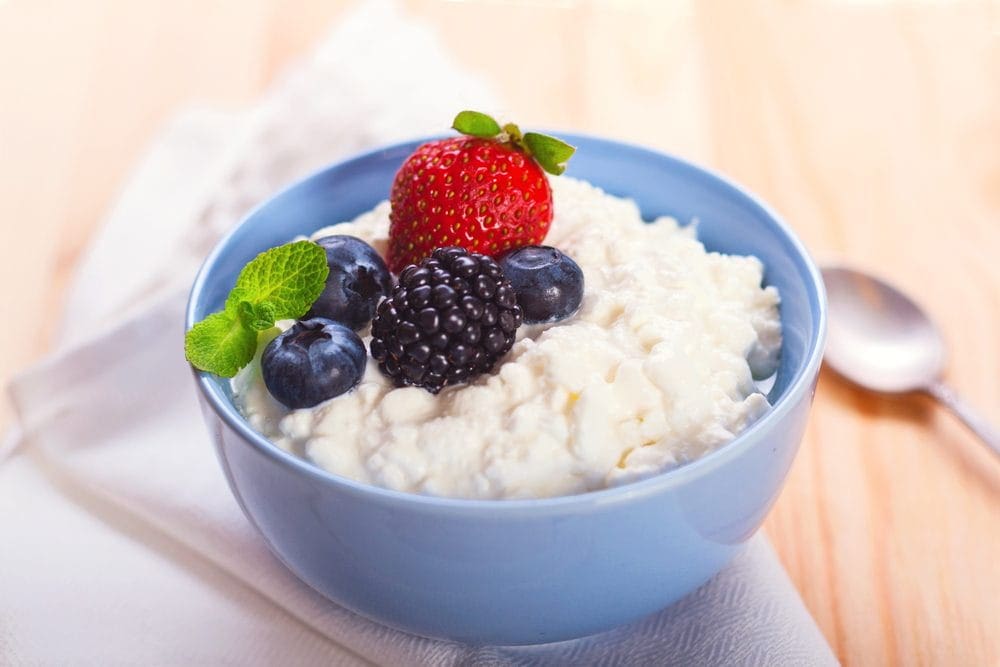
Cottage Cheese as a Slow-Digesting Protein Source
Cottage cheese is rich in casein protein, making it one of the best options for sustained amino acid delivery. A standard serving of cottage cheese can provide 24 to 28 grams of protein, depending on fat content and portion size.
Casein has been shown to support muscle protein synthesis over extended periods, particularly when consumed before long fasting intervals, such as overnight.
Why Slow Protein Matters for Chest Training Recovery
Chest workouts often involve high volume and heavy loads, leading to prolonged muscle damage and inflammation. While fast proteins are useful immediately after training, slow proteins help maintain a positive protein balance over several hours.
Research comparing whey and casein shows that whey produces a rapid but short-lived spike in MPS, while casein leads to a more prolonged anabolic environment.
The Role of Berries: Antioxidants Without Overdoing It
Adding berries such as blueberries or strawberries provides carbohydrates, fiber, and polyphenols. Carbohydrates help replenish glycogen, which supports recovery and performance in subsequent sessions.
Polyphenols and antioxidants may help reduce exercise-induced oxidative stress. Importantly, moderate antioxidant intake from whole foods does not appear to blunt training adaptations, unlike high-dose antioxidant supplements.
Evidence for Pre-Sleep and Post-Workout Use
Studies have demonstrated that consuming casein protein before sleep increases overnight muscle protein synthesis and improves recovery in resistance-trained individuals. Cottage cheese is often used in research settings as a whole-food casein source.
For chest day, cottage cheese with berries is especially effective as an evening snack after training, supporting overnight recovery and muscle repair.
Practical Use on Chest Day
This snack is ideal when chest training occurs later in the day or when the next meal is several hours away. It is also highly cost-effective and easy to portion accurately.
Snack 3: Protein-Rich Egg Muffins
Eggs as a Complete Protein Source
Eggs are considered one of the highest-quality protein sources available due to their complete amino acid profile and high digestibility. One large egg provides approximately 6 to 7 grams of protein, along with essential nutrients such as choline, vitamin D, and selenium.
Egg protein has a high biological value, meaning a large proportion of the consumed protein is utilized for tissue synthesis.
Whole Eggs vs Egg Whites
While egg whites are almost pure protein, whole eggs contain additional fats and micronutrients that may enhance muscle protein synthesis. Research comparing whole eggs to egg whites has shown greater increases in MPS when whole eggs are consumed after resistance training, despite matched protein content.
This suggests that components in the yolk contribute to the anabolic response, possibly through nutrient signaling or improved amino acid utilization.
Why Egg Muffins Are Ideal as a Snack
Egg muffins are small baked portions made from whole eggs, vegetables, and sometimes lean meats or cheese. They are portable, easy to prepare in advance, and provide a balanced mix of protein, fats, and micronutrients.
A serving of three egg muffins can easily provide 20 to 25 grams of protein, meeting the threshold needed to stimulate MPS.
Supporting Strength and Power Output
Egg consumption has been associated with improvements in strength and lean mass when included as part of a resistance training diet. The leucine content of eggs plays a key role in activating mTOR signaling pathways.
Additionally, the fats in whole eggs may help slow digestion slightly, providing sustained amino acid availability without causing gastrointestinal discomfort.
Practical Use on Chest Day
Protein-rich egg muffins are ideal as a pre-workout snack when consumed one to two hours before training or as a post-workout option when a solid food is preferred. They are especially useful for early-morning chest sessions when a full meal is impractical.
Common Questions About Protein Snacks and Chest Training
Do You Need Protein Immediately After Chest Day?
While the concept of an anabolic window has been overstated, consuming protein within a few hours of training is still beneficial, especially if the previous meal was several hours earlier. Muscle tissue remains sensitive to amino acids for an extended period, but delaying protein intake too long can reduce the total anabolic response.
Protein-rich snacks help ensure that amino acids are available when they are needed most.
Can Snacks Replace Meals?
Snacks should complement, not replace, balanced meals. While the snacks discussed here provide high-quality protein, they are not designed to deliver the full range of calories and micronutrients required in a main meal.
That said, strategically placed snacks can significantly improve total protein intake and distribution across the day.
What About Plant-Based Alternatives?
Plant-based protein snacks can also support chest training, but they often require careful planning to achieve sufficient leucine content and complete amino acid profiles. Combining different plant protein sources or using fortified products can help, but the snacks in this article focus on highly bioavailable animal-based proteins due to their strong evidence base.
Putting It All Together
Chest day places unique demands on the body, and protein intake plays a central role in meeting those demands. The three snacks covered in this article were selected based on protein quality, digestion rate, practicality, and scientific support.
Greek yogurt with nuts and seeds provides a balanced mix of fast and slow proteins with added micronutrients. Cottage cheese with berries supports prolonged recovery and overnight muscle protein synthesis. Protein-rich egg muffins offer a portable, complete protein option that fits seamlessly into busy training schedules.
When used alongside a well-structured training program and adequate total calorie intake, these snacks can meaningfully contribute to muscle growth, recovery, and long-term progress.
References
- Areta, J.L., Burke, L.M., Ross, M.L., Camera, D.M., West, D.W., Broad, E.M., Jeacocke, N.A., Moore, D.R., Stellingwerff, T., Phillips, S.M. and Hawley, J.A. (2013). Timing and distribution of protein ingestion during prolonged recovery from resistance exercise alters myofibrillar protein synthesis. Journal of Physiology, 591(9), pp.2319–2331.
- Burd, N.A., Yang, Y., Moore, D.R., Tang, J.E., Tarnopolsky, M.A. and Phillips, S.M. (2012). Greater stimulation of myofibrillar protein synthesis with ingestion of whey protein isolate v. micellar casein at rest and after resistance exercise in elderly men. British Journal of Nutrition, 108(6), pp.958–962.
- Churchward-Venne, T.A., Burd, N.A. and Phillips, S.M. (2012). Nutritional regulation of muscle protein synthesis with resistance exercise: strategies to enhance anabolism. Nutrition & Metabolism, 9(1), pp.40–52.