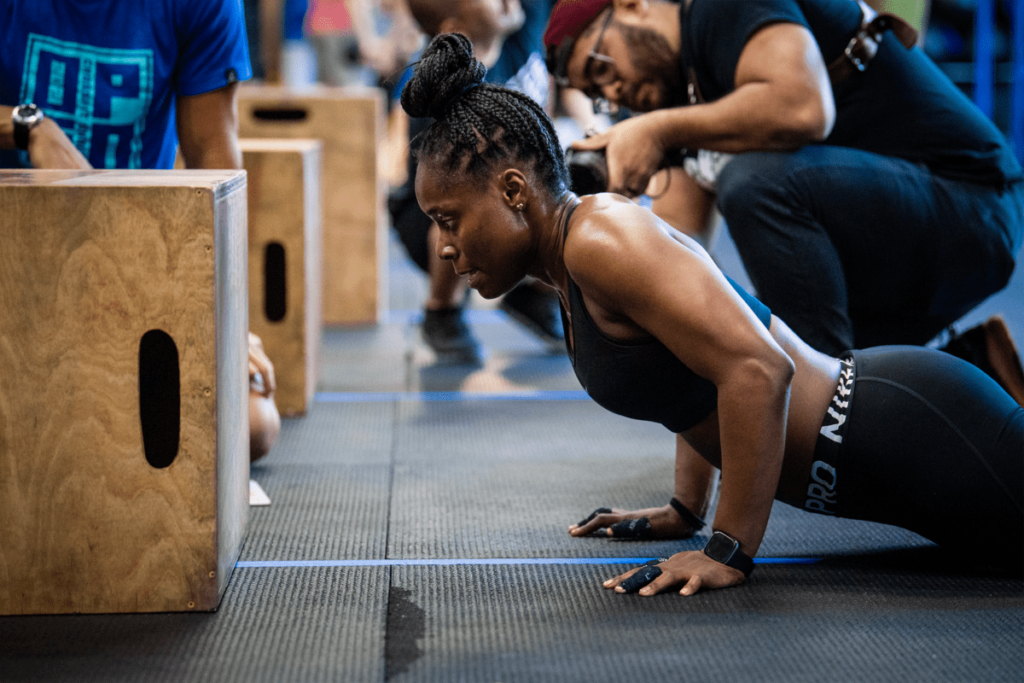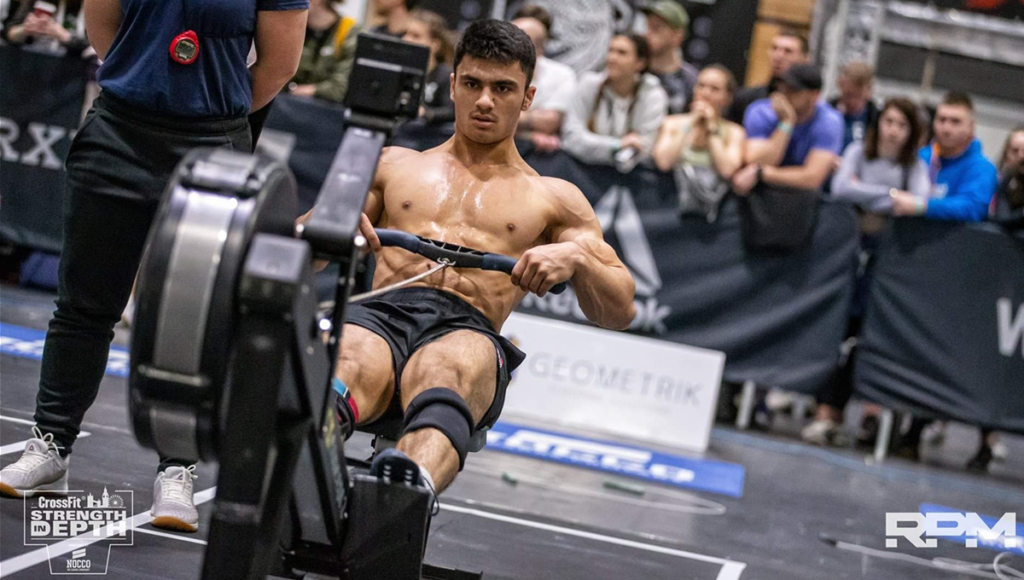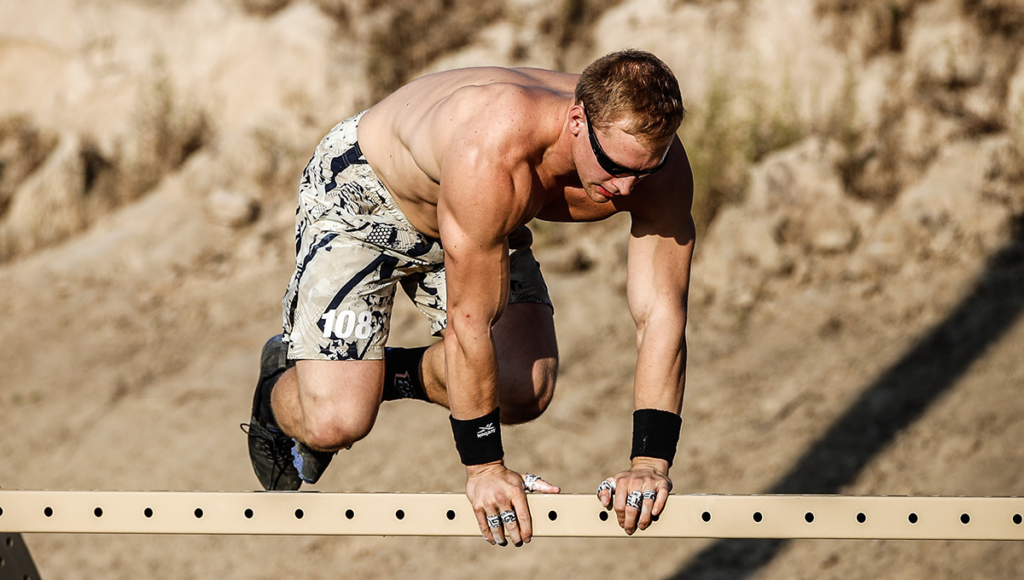


Walk into almost any CrossFit box or functional fitness gym and you’ll see athletes whipping a rope at high speed, feet barely kissing the floor. That movement—where the rope passes under the feet twice during a single jump—is called a double under.
At first glance, double unders look like a party trick. In reality, they are a potent, science-backed training tool that can improve cardiovascular fitness, power, coordination, bone health, and even body composition.
If you are a gym goer who has avoided double unders because they seem frustrating or “too advanced,” it’s worth reconsidering. The evidence shows that jumping rope—especially at high speeds—can deliver unique physiological benefits that are hard to replicate with other forms of conditioning.
Here are three evidence-based reasons why every gym goer should try double unders.
1. Double Unders Deliver Serious Cardiovascular Benefits in Less Time
Time is one of the biggest barriers to training. Many people skip conditioning because they believe they need 30–60 minutes of steady-state cardio to improve heart health. Double unders challenge that idea.
High-Intensity Rope Skipping Drives Aerobic Improvements
Jump rope is not just a playground activity. Research shows that rope skipping can significantly improve aerobic capacity.
A classic study by Baker (1968) compared rope skipping with jogging in college men over a 10-week period. The rope skipping group trained for 10 minutes per day, while the jogging group trained for 30 minutes per day. Both groups improved cardiovascular efficiency similarly, suggesting that rope skipping was at least as effective as jogging despite requiring only one-third of the time.
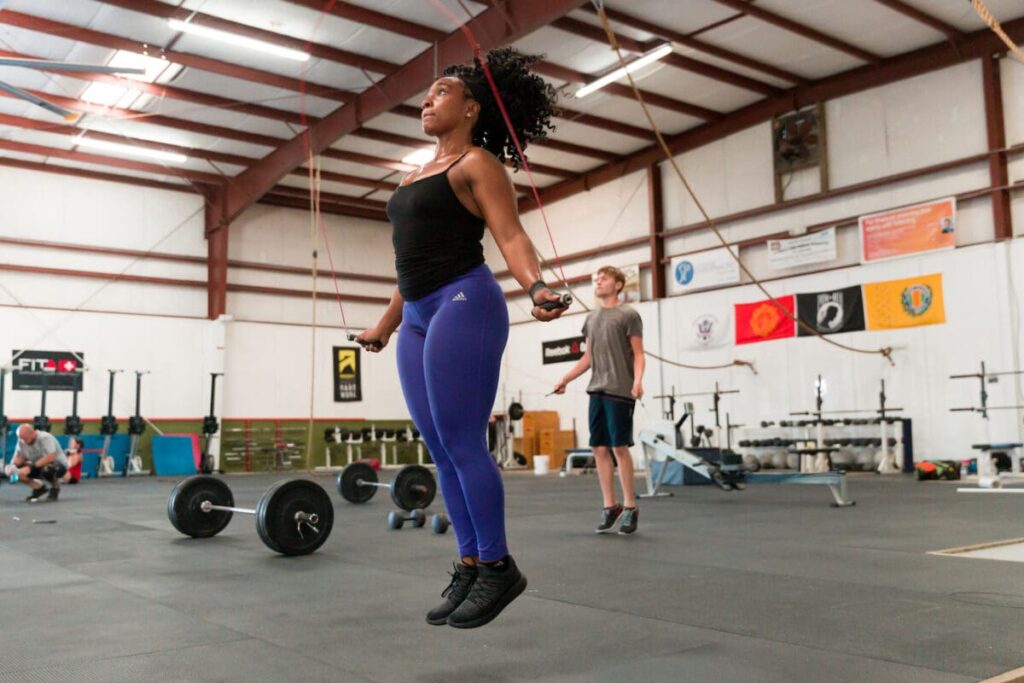
More recent research confirms that high-intensity jump rope training improves maximal oxygen uptake (VO2 max), a key marker of cardiovascular fitness. A study by Ramirez-Campillo et al. (2018) found that jump rope training significantly improved aerobic performance in youth participants, with improvements in shuttle run performance and cardiorespiratory fitness.
VO2 max is strongly associated with reduced risk of cardiovascular disease and all-cause mortality (Kodama et al., 2009). Improving it is not just about performance—it’s about long-term health.
Double unders increase the intensity compared to single skips. Because the rope passes twice per jump, the athlete must jump slightly higher and rotate the rope faster. This increases heart rate and oxygen demand. High-intensity intervals, like those created by sets of double unders, are known to improve both aerobic and anaerobic systems efficiently (Gibala et al., 2012).
In simple terms: double unders allow you to train your heart and lungs hard, in short bursts, and get meaningful results.
They Mimic the Benefits of High-Intensity Interval Training (HIIT)
High-intensity interval training has been extensively studied for its cardiovascular benefits. Research shows that HIIT can produce similar or greater improvements in aerobic capacity compared to moderate-intensity continuous training, often in less time (Weston et al., 2014).
Double unders naturally lend themselves to interval-style workouts: 30 seconds on, 30 seconds off; 50 reps for time; or integrated into circuits. The rapid cadence and whole-body engagement push heart rate into higher zones quickly.
When heart rate rises near 80–95% of maximum during intense intervals, stroke volume, mitochondrial density, and oxidative enzyme activity improve over time (Gibala et al., 2012). These adaptations enhance the body’s ability to use oxygen efficiently.
For busy gym goers, this matters. You can accumulate meaningful cardiovascular stress in five to ten minutes of double unders. That is far more time-efficient than long, low-intensity cardio sessions.
Jump Rope Is Metabolically Demanding
Jumping rope requires constant ground contact, repeated muscle contractions, and coordinated arm and leg movement. This combination drives high energy expenditure.

Ainsworth et al. (2011) list rope skipping at moderate speed at approximately 12.3 metabolic equivalents (METs), which places it in the vigorous-intensity category. Vigorous-intensity exercise is linked to greater improvements in cardiorespiratory fitness and metabolic health compared to moderate-intensity exercise when volume is matched (Garber et al., 2011).
Double unders typically exceed moderate-speed skipping because of the faster rope turnover and slightly higher jump height. That makes them even more metabolically demanding.
In practical terms, a short bout of double unders can spike your heart rate faster than rowing, cycling, or jogging at a casual pace. If your goal is efficient conditioning, they are a powerful option.
2. Double Unders Build Power, Coordination, and Athleticism
Double unders are not just about cardio. They are a neuromuscular skill that challenges timing, rhythm, elasticity, and lower-body power.
They Improve Reactive Strength and Elastic Energy Use
Each double under involves a quick, spring-like jump off the ground. This movement relies on the stretch-shortening cycle (SSC), a fundamental mechanism in explosive movements such as sprinting and jumping.
The SSC occurs when a muscle-tendon unit is rapidly stretched (eccentric phase) and then immediately shortened (concentric phase), allowing stored elastic energy to contribute to force production (Komi, 2000).
Plyometric training, which targets the stretch-shortening cycle, has been shown to improve power output, jump height, and athletic performance (Markovic and Mikulic, 2010). While double unders are not maximal plyometrics like depth jumps, they involve repeated low-amplitude, high-frequency SSC actions.
Over time, this can enhance reactive strength—your ability to transition quickly from eccentric to concentric contraction. That matters for sports performance, Olympic lifting, sprinting, and even basic gym movements like box jumps.
Because double unders emphasize minimal ground contact time and rhythmic rebounding, they train the body to be efficient and springy. This type of efficiency is a hallmark of skilled athletes.
They Enhance Coordination and Motor Control
One reason double unders feel frustrating at first is that they demand precise timing between the wrists, shoulders, and ankles. The rope must pass twice under the feet in the same time it takes to perform one jump.
Motor learning research shows that complex, rhythm-based tasks enhance neural efficiency and coordination (Schmidt and Lee, 2011). As you practice double unders, you refine intermuscular coordination (how different muscles work together) and intramuscular coordination (how motor units fire within a muscle).
This kind of coordination training has real-world benefits. Improved motor control reduces unnecessary muscle co-contraction and improves movement economy (Enoka, 2008). That means you use less energy for the same output.
In the gym, this can translate to smoother lifts, better barbell cycling, and improved agility. Outside the gym, it enhances balance and dynamic control.
Jump rope training has also been shown to improve balance and proprioception in young athletes (Chaouachi et al., 2014). Proprioception—the sense of body position in space—is critical for injury prevention and athletic performance.
Double unders challenge proprioception because of the rapid rhythm and requirement for consistent jump height. If your timing is off by a fraction of a second, you trip. That immediate feedback accelerates skill acquisition.
They Develop Lower-Body Power Without Heavy Loads
Not everyone wants to squat heavy multiple times per week. Double unders offer a way to develop lower-body explosiveness with minimal equipment and no external load.
Repeated jumping increases neuromuscular activation of the plantar flexors (calves), quadriceps, and gluteal muscles (Komi, 2000). Over time, this can enhance rate of force development—the speed at which you generate force.
Plyometric-style training has been shown to increase vertical jump performance and sprint speed (Markovic and Mikulic, 2010). While double unders are submaximal compared to maximal plyometrics, their high repetition volume provides a unique stimulus.
For gym goers who want to improve athletic qualities without adding extra heavy lifting sessions, double unders are a low-cost addition that can yield measurable performance benefits.
3. Double Unders Support Bone Health, Body Composition, and Longevity
Jumping is not just about fitness. It is also about long-term health.
They Stimulate Bone Density Through Impact Loading
Bone responds to mechanical loading. When bones experience impact or strain, they adapt by increasing mineral density and structural strength (Frost, 2004).
Weight-bearing and impact activities are particularly effective for maintaining and improving bone mineral density (BMD) (Nikander et al., 2010). Jumping exercises create ground reaction forces that stimulate osteogenic responses.

A study by Guadalupe-Grau et al. (2009) found that high-impact exercise interventions, including jumping, improved bone mass in premenopausal women. Similarly, Nikander et al. (2005) showed that high-impact training was associated with greater femoral neck BMD compared to non-impact activities.
Double unders involve repeated impact at relatively low amplitude but high frequency. This repeated loading can contribute to bone health, especially when combined with resistance training.
For gym goers concerned about long-term skeletal health—particularly women, who are at higher risk of osteoporosis—regular impact training is important. Double unders are a simple way to add that stimulus.
They Can Help Improve Body Composition
High-intensity exercise increases post-exercise oxygen consumption (EPOC), often called the “afterburn effect.” Research shows that high-intensity interval exercise can elevate metabolic rate after training, contributing to total energy expenditure (LaForgia et al., 2006).
Because double unders are intense and involve large muscle groups, they are likely to produce meaningful EPOC when performed in intervals.
HIIT protocols have been shown to reduce body fat and improve insulin sensitivity (Weston et al., 2014; Gibala et al., 2012). While double unders alone are not a complete fat-loss program, they are a powerful conditioning tool that can support energy balance and metabolic health.
Additionally, vigorous exercise is associated with improved insulin sensitivity and reduced risk of type 2 diabetes (Colberg et al., 2016). The high-intensity nature of double unders makes them a valuable addition to a metabolic conditioning routine.
They Promote Movement Efficiency and Joint Resilience
There is a misconception that jumping is bad for the joints. In reality, appropriate, progressive impact training can strengthen connective tissues.
Tendons adapt to loading by increasing stiffness and strength (Magnusson et al., 2008). Stiffer tendons can store and release elastic energy more effectively, improving movement economy and reducing strain during repetitive tasks.
Jump rope training exposes the Achilles tendon and plantar fascia to repeated, controlled loading. When volume is progressed sensibly, this can improve tissue capacity.
Furthermore, regular impact activity is associated with improved functional capacity and reduced fall risk in older adults (Howe et al., 2011). While double unders may not be appropriate for everyone immediately, scaled rope skipping can serve as a progression toward more dynamic movements.
The key is gradual progression. Starting with single unders and low volumes allows connective tissue to adapt safely.
How to Add Double Unders to Your Training
Knowing the benefits is one thing. Implementing double unders safely and effectively is another.
Start With Single Unders
Before attempting double unders, you should be able to perform 50–100 single skips unbroken with relaxed shoulders and minimal knee bend. Focus on:
- Upright posture
- Small, quick jumps
- Wrist-driven rope rotation
- Minimal ground contact time
Building this foundation reduces frustration and risk of overuse injury.
Use Intervals
Because double unders are intense, treat them like HIIT. For example:
- 20 seconds work, 40 seconds rest for 8 rounds
- 30 double unders every minute on the minute for 10 minutes
- 50–100 reps between strength sets
Monitor heart rate and perceived exertion. You should feel challenged but in control.
Progress Gradually
Impact volume should increase slowly. If you are new to jumping, start with 2–3 sessions per week and low total reps (e.g., 200–300 total rope contacts). Increase by 10–15% per week.
If you experience persistent Achilles or shin pain, reduce volume and ensure adequate calf strength and ankle mobility.
Final Thoughts
Double unders are not just a flashy CrossFit movement. They are a science-backed conditioning tool with wide-ranging benefits.
They improve cardiovascular fitness efficiently, stimulate power and coordination, and support bone health and metabolic function. They require minimal equipment, minimal space, and can be scaled for nearly any fitness level.
For gym goers who want more from their training—more efficiency, more athleticism, more long-term health—double unders are worth the effort.
Mastering them takes patience. But once you do, you gain one of the most versatile conditioning tools available.
References
- Ainsworth, B.E., Haskell, W.L., Herrmann, S.D., Meckes, N., Bassett, D.R., Tudor-Locke, C., Greer, J.L., Vezina, J., Whitt-Glover, M.C. and Leon, A.S. (2011) ‘2011 Compendium of Physical Activities: A second update of codes and MET values’, Medicine & Science in Sports & Exercise, 43(8), pp. 1575–1581.
- Baker, J.A. (1968) ‘Comparison of rope skipping and jogging as methods of improving cardiovascular efficiency of college men’, Research Quarterly, 39(2), pp. 240–243.
- Chaouachi, A., Hammami, R., Kaabi, S., Chamari, K., Drinkwater, E.J. and Behm, D.G. (2014) ‘Olympic weightlifting and plyometric training with children provides similar or greater performance improvements than traditional resistance training’, Journal of Strength and Conditioning Research, 28(6), pp. 1483–1496.
- Colberg, S.R., Sigal, R.J., Yardley, J.E., Riddell, M.C., Dunstan, D.W., Dempsey, P.C., Horton, E.S., Castorino, K. and Tate, D.F. (2016) ‘Physical activity/exercise and diabetes: A position statement of the American Diabetes Association’, Diabetes Care, 39(11), pp. 2065–2079.
- Enoka, R.M. (2008) Neuromechanics of Human Movement. 4th edn. Champaign, IL: Human Kinetics.
- Frost, H.M. (2004) ‘A 2003 update of bone physiology and Wolff’s Law for clinicians’, Angle Orthodontist, 74(1), pp. 3–15.