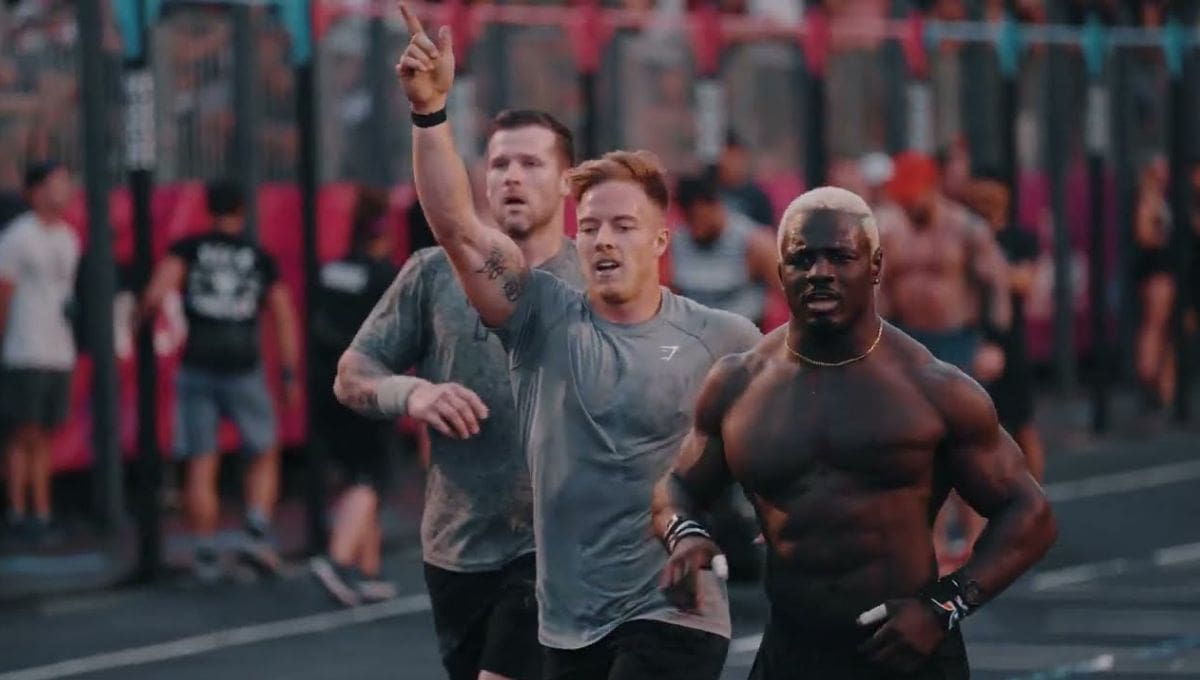


Modern fatherhood is rewarding, but it is also demanding. Between work, family responsibilities, and the constant pressure to be present, many dads struggle to find time for consistent exercise. Traditional training programs often require long gym sessions, structured schedules, and a level of commitment that feels unrealistic for busy parents.
High intensity interval training, often called HIIT, offers a solution that is both practical and scientifically validated. Short HIIT sessions, sometimes as brief as 10 to 20 minutes, can deliver meaningful improvements in fitness, health, and mental well being.
This article breaks down three evidence based reasons why short HIIT sessions are uniquely suited for dads. The focus is on clear, practical insights backed by research, with no fluff.
What is HIIT and Why Does It Work?
Before diving into the reasons, it is important to understand what HIIT actually is.
High intensity interval training involves alternating short bursts of intense effort with periods of rest or low intensity activity. A typical session might include 30 seconds of hard work followed by 30 to 90 seconds of recovery, repeated for several rounds.
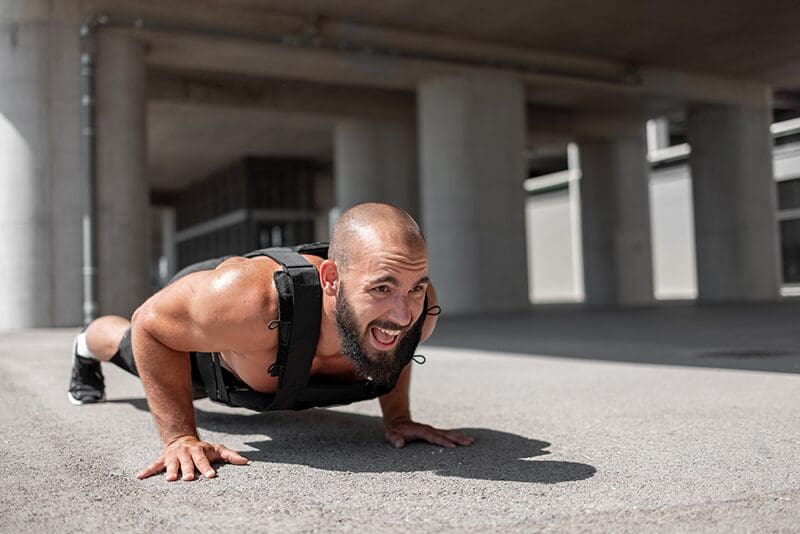
The Physiology Behind HIIT
HIIT works because it pushes the body close to its maximum capacity during work intervals. This creates a strong stimulus for adaptation across multiple systems.
First, the cardiovascular system is challenged. Heart rate rises rapidly, improving stroke volume and oxygen delivery. Second, muscle fibers are recruited more completely. Fast twitch fibers, which are often underused in steady state exercise, become active. Third, metabolic stress increases. This triggers improvements in insulin sensitivity, mitochondrial density, and fat oxidation.
Studies have consistently shown that HIIT can improve aerobic capacity, measured as VO2 max, in a shorter time frame compared to moderate continuous training. It can also enhance metabolic health markers such as blood glucose control and lipid profiles.
For dads with limited time, this efficiency is critical.
Reason 1: Maximum Results in Minimum Time
The most obvious benefit of short HIIT sessions is time efficiency. But this is not just a convenience. It is a scientifically supported advantage.
Comparable Fitness Gains in Less Time
Research has shown that HIIT can produce similar or even superior improvements in cardiovascular fitness compared to traditional endurance training.

In controlled trials, participants performing HIIT for as little as 10 to 20 minutes per session experienced significant increases in VO2 max. These improvements were comparable to those seen in individuals performing 40 to 60 minutes of steady state cardio.
This means that a dad who trains for 15 minutes before work can achieve similar cardiovascular benefits as someone who spends an hour jogging.
Improved Insulin Sensitivity and Metabolic Health
Short HIIT sessions have also been shown to improve insulin sensitivity. This is particularly important for middle aged men, who face increased risk of type 2 diabetes.
Even protocols involving just a few minutes of intense exercise per session have led to measurable improvements in glucose regulation. This is a key point. You do not need long workouts to impact your metabolic health. Short, intense efforts can trigger meaningful changes.
Time Efficiency Increases Consistency
One of the biggest barriers to fitness is not knowledge. It is consistency. Dads often start programs with good intentions but struggle to maintain them due to time constraints. HIIT reduces this barrier. A 15 minute workout is easier to fit into a morning routine, lunch break, or evening window after the kids are asleep.
From a behavioral perspective, shorter sessions are more sustainable. When something feels manageable, it is more likely to become a habit.
Practical Example for Busy Dads
A simple HIIT session might look like this:
- Warm up for 3 minutes
- 20 seconds of bodyweight squats at high intensity
- 40 seconds of rest
- Repeat for 8 rounds
- Finish with a short cooldown
Total time: around 10 to 12 minutes
This type of session can be done at home with no equipment. It removes friction, which is essential for long term adherence.
Reason 2: Powerful Fat Loss and Muscle Retention
Many dads are not just looking to improve fitness. They want to lose fat, maintain muscle, and feel more confident in their bodies. HIIT is particularly effective for body composition.
Increased Post Exercise Calorie Burn
One of the defining features of HIIT is excess post exercise oxygen consumption, often referred to as EPOC. After a high intensity session, the body continues to consume oxygen at an elevated rate. This increases calorie expenditure even after the workout is finished.
Studies have shown that HIIT leads to greater post exercise energy expenditure compared to moderate intensity exercise. For dads with limited time, this means the benefits extend beyond the workout itself.
Fat Loss Without Long Cardio Sessions
Traditional fat loss advice often emphasizes long cardio sessions. However, research has shown that HIIT can be equally effective, or even more effective, for reducing body fat.

This is partly due to hormonal responses. HIIT increases levels of catecholamines, which promote fat breakdown. It also improves insulin sensitivity, which supports better nutrient partitioning. Importantly, these effects occur with significantly less total exercise time.
Preservation of Lean Muscle Mass
One of the downsides of excessive steady state cardio is the potential loss of muscle mass.
HIIT, especially when combined with resistance based movements, helps preserve lean tissue. The high intensity nature of the exercise provides a stimulus that encourages muscle retention. For dads, this matters. Maintaining muscle supports metabolism, strength, and long term health.
Visceral Fat Reduction
Visceral fat, the fat stored around internal organs, is strongly linked to cardiovascular disease and metabolic disorders. HIIT has been shown to be particularly effective at reducing visceral fat.
This is important because many men accumulate fat in the abdominal region as they age. Short, intense training sessions can directly target this risk factor.
Real World Impact
For a dad juggling responsibilities, the ability to burn fat, maintain muscle, and improve health in short sessions is a game changer. Instead of choosing between family time and fitness, HIIT allows both.
Reason 3: Mental Health, Energy, and Stress Relief
Physical health is only part of the equation. Mental well being is equally important, especially for dads managing multiple responsibilities. HIIT has powerful effects on mood, energy, and stress.
Rapid Improvements in Mood
Exercise is known to increase the release of endorphins and other neurotransmitters associated with positive mood. HIIT appears to amplify this effect due to its intensity.
Studies have shown that even short bouts of high intensity exercise can lead to immediate improvements in mood and reductions in anxiety. For dads dealing with stress from work and family life, this can provide a quick mental reset.
Enhanced Cognitive Function
High intensity exercise has been linked to improvements in cognitive function, including attention, memory, and executive function.
This is partly due to increased blood flow to the brain and the release of brain derived neurotrophic factor. Short HIIT sessions can sharpen mental clarity, making it easier to focus on work tasks and engage with family.
Energy Without Long Workouts
Many people assume that intense exercise will leave them exhausted. In reality, short HIIT sessions often increase energy levels. This is because they stimulate the cardiovascular system and improve mitochondrial function over time. Dads who incorporate HIIT into their routine often report feeling more energized throughout the day.
Stress Reduction Through Efficient Training
Time pressure itself is a major source of stress. Long workouts can feel like another obligation. Short HIIT sessions, on the other hand, feel manageable. This reduces the psychological burden of exercise. Instead of being a chore, it becomes a tool for stress relief.
Better Sleep Quality
Exercise in general improves sleep, but HIIT has been shown to enhance sleep quality when performed earlier in the day. Better sleep supports recovery, mood, and overall health. For dads who are often sleep deprived, even small improvements in sleep quality can have a significant impact.

How to Start HIIT as a Busy Dad
Understanding the benefits is one thing. Putting them into practice is another. The key is to keep it simple and realistic.
Start Small and Build Gradually
You do not need to jump into advanced protocols. Start with one or two sessions per week, each lasting 10 to 15 minutes. Focus on consistency rather than intensity at first.
Choose Simple Movements
Bodyweight exercises are ideal for beginners. Examples include squats, push ups, lunges, and jumping jacks. These movements require no equipment and can be done anywhere.
Prioritize Effort, Not Complexity
The effectiveness of HIIT comes from intensity. During work intervals, aim to push yourself to a level that feels challenging but sustainable. You should be breathing hard and unable to hold a conversation.
Schedule It Like an Appointment
Treat your workout as a non negotiable part of your day. Short sessions make this easier. Whether it is early morning or late evening, consistency is key.
Listen to Your Body
Recovery matters. If you feel excessively fatigued, reduce intensity or take an extra rest day. HIIT is powerful, but it should not lead to burnout.
Common Mistakes to Avoid
Even with a simple approach, there are pitfalls to watch out for.
Doing Too Much Too Soon
- Beginners often try to go all out from the start.
- This can lead to injury or burnout.
- Progress gradually.
Ignoring Recovery
- Rest periods are part of HIIT.
- Skipping them reduces performance and increases fatigue.
- Respect the structure of the workout.
Overcomplicating Workouts
- You do not need complex routines.
- Simple, repeatable sessions are more effective in the long term.
Neglecting Strength Training
- HIIT is excellent, but it should complement, not replace, strength training.
- Combining both provides the best results.
Final Thoughts
Short HIIT sessions are not a shortcut. They are a smart strategy. They align with the demands of modern life, especially for dads balancing multiple roles.
The science is clear. You can improve cardiovascular fitness, reduce fat, maintain muscle, and enhance mental well being in a fraction of the time required by traditional workouts. The key is to start small, stay consistent, and focus on effort. You do not need more time. You need a better approach. HIIT provides exactly that.
References
• Gibala, M.J., Little, J.P., Macdonald, M.J. and Hawley, J.A. (2012). Physiological adaptations to low volume, high intensity interval training in health and disease. Journal of Physiology, 590(5), pp.1077 to 1084.
• Weston, K.S., Wisloff, U. and Coombes, J.S. (2014). High intensity interval training in patients with lifestyle induced cardiometabolic disease. British Journal of Sports Medicine, 48(16), pp.1227 to 1234.
• Little, J.P., Safdar, A., Wilkin, G.P., Tarnopolsky, M.A. and Gibala, M.J. (2010). A practical model of low volume high intensity interval training induces mitochondrial biogenesis in human skeletal muscle. Journal of Physiology, 588(6), pp.1011 to 1022.
• Tjonna, A.E., Lee, S.J., Rognmo, O., Stolen, T.O., Bye, A., Haram, P.M., Loennechen, J.P., Al Share, Q.Y., Skogvoll, E., Slordahl, S.A., Kemi, O.J. and Wisloff, U. (2008). Aerobic interval training versus continuous moderate exercise as a treatment for the metabolic syndrome. Circulation, 118(4), pp.346 to 354.
• Boutcher, S.H. (2011). High intensity intermittent exercise and fat loss. Journal of Obesity, 2011, pp.1 to 10.
• Maillard, F., Rousset, S., Pereira, B., Traore, A., Masson, R., Boirie, Y. and Duclos, M. (2018). High intensity interval training reduces abdominal fat mass in postmenopausal women with type 2 diabetes. Diabetes and Metabolism, 44(5), pp.439 to 446.