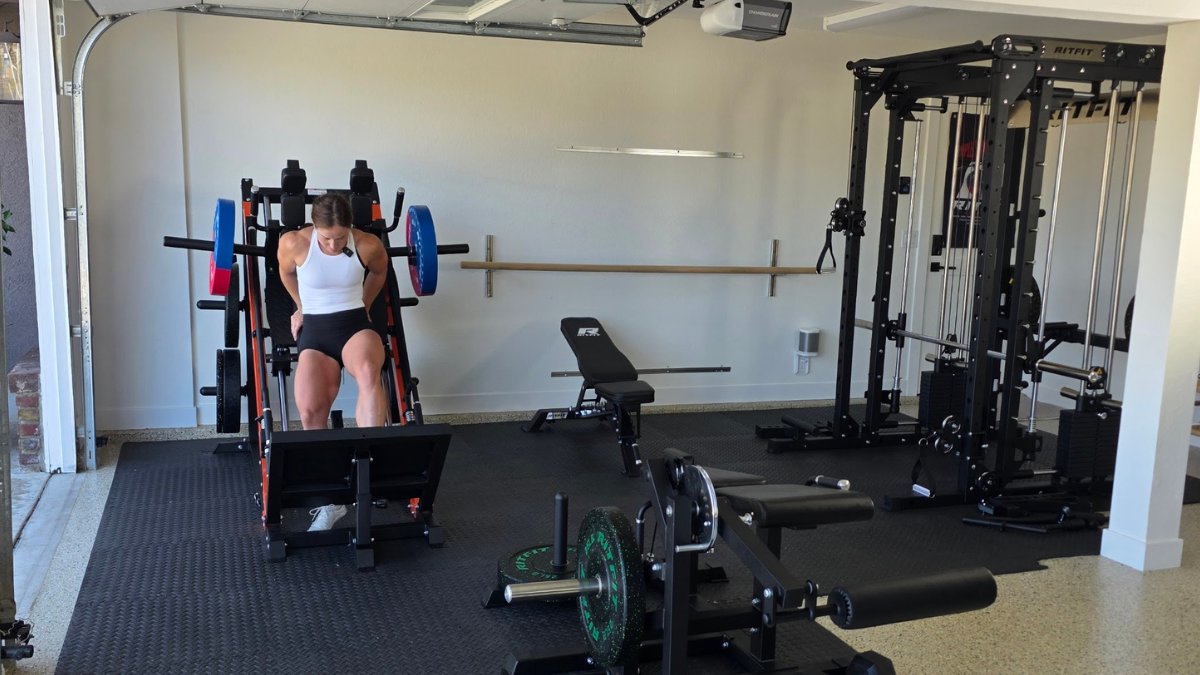


Training at home can be one of the most effective ways to stay consistent with fitness. It removes common barriers such as travel time, crowded gyms, and scheduling conflicts. Yet many people struggle to stay motivated when working out in a home gym environment. Without the external structure of a gym setting, adherence often drops over time.
Motivation is not simply about willpower. It is influenced by psychology, environment, habit formation, and physiology.
Research in behavioral science shows that long term exercise adherence depends more on systems and internal drivers than on short bursts of enthusiasm. Understanding how motivation works can help you design a home training approach that is sustainable and effective.
This article breaks down three science backed strategies to help you stay motivated for home gym training. Each tip is grounded in evidence from exercise psychology, neuroscience, and behavioral science, and translated into practical actions you can apply immediately.
Tip 1: Build Identity Based Habits Instead of Relying on Motivation
Why Motivation Alone Fails
Motivation is often treated as the primary driver of exercise behavior, but research shows it is highly inconsistent. Motivation fluctuates based on mood, stress, sleep, and environment. This makes it unreliable as a foundation for long term training consistency.

Studies in behavioral psychology demonstrate that habits, not motivation, are the strongest predictors of repeated behaviors. Habits are automatic responses to cues that require minimal conscious effort. Once a behavior becomes habitual, it is far more likely to be sustained over time.
Neuroscience research shows that repeated behaviors strengthen neural pathways in the basal ganglia, a brain region responsible for habit formation. This means the more consistently you perform a behavior in a stable context, the less mental effort it requires.
The Power of Identity
One of the most effective ways to build habits is through identity based behavior. Instead of focusing on outcomes such as losing weight or building muscle, you focus on becoming the type of person who trains consistently.
Research in self determination theory shows that intrinsic motivation, which comes from internal identity and values, is more sustainable than extrinsic motivation, which relies on external rewards. People who identify as physically active are more likely to maintain exercise routines long term.
For example, instead of saying, “I need to work out today,” shift to, “I am someone who trains regularly.” This subtle change reinforces behavior through identity rather than obligation.
Practical Strategies to Build Identity Based Habits
To apply this concept effectively, focus on small, consistent actions that reinforce your identity:
• Train at the same time each day to create a stable cue
• Start with manageable sessions rather than overwhelming workouts
• Track consistency instead of performance in the early stages
• Use visual cues such as leaving your equipment ready and visible
Consistency is more important than intensity when forming habits. Research shows that even short bouts of exercise can strengthen habit formation if performed regularly.
Reduce Friction and Increase Automaticity
Another key factor in habit formation is reducing friction. The easier it is to start a workout, the more likely you are to follow through. Behavioral economics research shows that small barriers can significantly reduce the likelihood of action. In a home gym context, this means minimizing anything that delays starting your session.
Examples include:
• Keeping your workout space clean and organized
• Wearing workout clothes in advance
• Having a clear plan before you begin
When starting requires minimal effort, consistency becomes easier.
Tip 2: Use Structured Goals and Feedback Loops
Why Clear Goals Matter
Goal setting is one of the most researched areas in sports science. Studies consistently show that specific and measurable goals improve performance and adherence compared to vague intentions.
Without clear goals, workouts can feel aimless, which reduces motivation. This is especially true in a home gym where there is no external structure. Research in goal setting theory highlights that effective goals should be:
• Specific
• Measurable
• Challenging but achievable
• Time bound
These characteristics increase engagement and provide a sense of direction.
Focus on Process Goals Over Outcome Goals
Outcome goals such as losing fat or gaining muscle are important, but they are influenced by many variables and often take time to show results. This delay can reduce motivation.
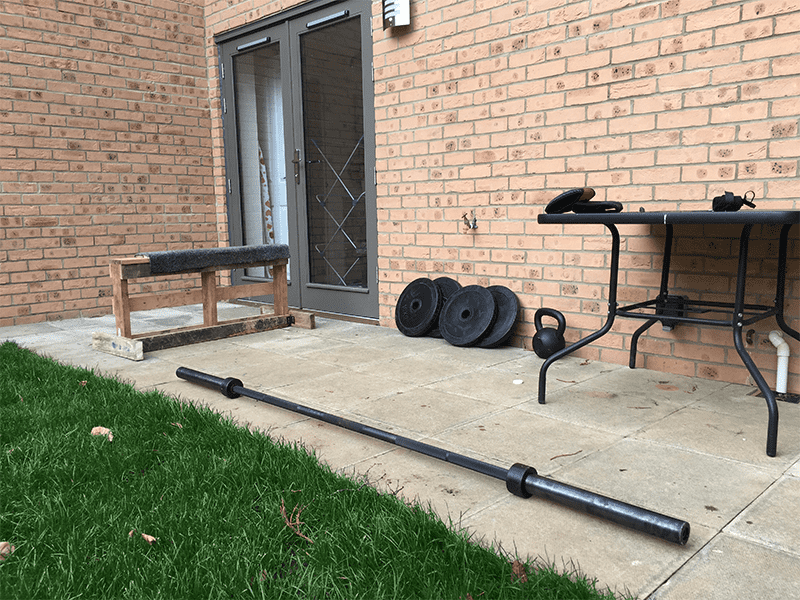
Process goals, on the other hand, focus on behaviors you can control. For example:
• Completing four workouts per week
• Increasing repetitions or load each session
• Improving technique on key movements
Research shows that process oriented goals enhance intrinsic motivation and reduce frustration.
The Role of Feedback in Motivation
Feedback is essential for maintaining motivation. It provides evidence of progress, which reinforces behavior.
Studies in exercise psychology show that perceived progress is a strong predictor of adherence. Even small improvements can boost motivation when they are recognized. In a home gym setting, you need to create your own feedback systems.
Effective Feedback Strategies
To stay motivated, track key metrics consistently:
• Strength progression such as weight lifted or repetitions completed
• Workout frequency and consistency
• Movement quality and control
Keeping a training log is one of the most effective tools. Research shows that self monitoring significantly increases adherence to exercise programs. You can also use simple performance benchmarks, such as:
• Number of push ups completed
• Time held in a plank
• Number of sessions completed in a week
These metrics provide immediate feedback and reinforce progress.
The Importance of Progressive Overload
Progressive overload is a fundamental principle of training. It involves gradually increasing the demands placed on the body.
Scientific evidence shows that progressive overload is necessary for strength and muscle adaptation. Without progression, results plateau, which can reduce motivation. In a home gym, progression can be achieved through:
• Increasing repetitions
• Adding resistance
• Improving time under tension
• Reducing rest periods
Tracking progression ensures that your training remains effective and engaging.
Tip 3: Optimize Your Environment and Psychology
The Influence of Environment on Behavior
Environment plays a critical role in shaping behavior. Research in environmental psychology shows that cues in your surroundings can strongly influence actions. In a traditional gym, the environment is designed to promote exercise. At home, you need to create that environment yourself.
Studies show that people are more likely to engage in physical activity when their environment supports it.
Designing a Motivation Friendly Home Gym
To stay motivated, your training space should encourage action and reduce distractions. Key principles include:
• Keep equipment visible and accessible
• Minimize clutter in the workout area
• Separate your training space from relaxation areas if possible
Visual cues are powerful triggers. Seeing your equipment regularly increases the likelihood of using it.
Reduce Decision Fatigue
Decision fatigue refers to the decline in decision making quality after repeated choices. Research shows that too many decisions can reduce motivation and lead to avoidance. In a home gym setting, this often appears as:
• Not knowing what workout to do
• Spending too much time planning
• Skipping sessions due to uncertainty
To avoid this, create a structured plan in advance.

Pre Planning Your Workouts
Having a clear plan eliminates uncertainty and makes starting easier.
A simple weekly structure might include:
• Upper body training days
• Lower body training days
• Conditioning sessions
When you know exactly what to do, you remove a major barrier to action.
Use Implementation Intentions
Implementation intentions are a powerful psychological strategy. They involve specifying when and where you will perform a behavior. Research shows that forming implementation intentions significantly increases the likelihood of following through.
Instead of saying, “I will work out more,” define it clearly: “I will train at 7 AM in my home gym on Monday, Wednesday, and Friday”
This creates a strong mental link between the cue and the action.
The Role of Enjoyment in Motivation
Enjoyment is a key driver of long term exercise adherence. Studies show that people are more likely to continue activities they find enjoyable. In a home gym, you have full control over your training style. Use this to your advantage.
Ways to increase enjoyment include:
• Choosing exercises you like
• Listening to music during workouts
• Varying your routines periodically
Enjoyment enhances intrinsic motivation, which is more sustainable than external pressure.
Manage Stress and Energy Levels
Psychological and physiological states influence motivation. High stress and low energy reduce the likelihood of exercise. Research shows that sleep quality, stress levels, and overall well being impact physical activity behavior.
To maintain motivation:
• Prioritize sleep
• Manage stress through relaxation techniques
• Adjust workout intensity based on energy levels
Flexible programming can help maintain consistency during challenging periods.
Bringing It All Together
Staying motivated for home gym training is not about relying on discipline alone. It is about designing systems that make training easier, more rewarding, and more consistent.
The three key principles work together:
• Identity based habits make training automatic
• Structured goals provide direction and progress
• Environmental and psychological strategies reduce barriers
When combined, these create a powerful framework for long term success.
Consistency is the most important factor. Research consistently shows that regular training, even at moderate intensity, leads to significant health and performance benefits over time.
Conclusion
Home gym training offers unmatched convenience and flexibility, but it also requires a different approach to motivation. Without external structure, you must rely on internal systems and smart design.
By focusing on identity, structured goals, and environment, you can create a training routine that is both effective and sustainable. These strategies are grounded in science and proven to improve adherence and performance.
Motivation is not something you wait for. It is something you build through consistent action, clear structure, and a supportive environment.
If you apply these principles, your home gym can become one of the most powerful tools for long term fitness success.
References
• Aarts, H., Paulussen, T. and Schaalma, H. (1997). Physical exercise habit: On the conceptualization and formation of habitual health behaviours. Health Education Research, 12(3), pp.363 to 374.
• Bandura, A. (1997). Self efficacy: The exercise of control. New York: Freeman.
• Deci, E.L. and Ryan, R.M. (2000). The what and why of goal pursuits: Human needs and the self determination of behavior. Psychological Inquiry, 11(4), pp.227 to 268.
• Kaushal, N. and Rhodes, R.E. (2015). Exercise habit formation in new gym members: A longitudinal study. Journal of Behavioral Medicine, 38(4), pp.652 to 663.
• Locke, E.A. and Latham, G.P. (2002). Building a practically useful theory of goal setting and task motivation. American Psychologist, 57(9), pp.705 to 717.
• Lally, P., van Jaarsveld, C.H.M., Potts, H.W.W. and Wardle, J. (2010). How are habits formed: Modelling habit formation in the real world. European Journal of Social Psychology, 40(6), pp.998 to 1009.