

Fat loss is one of the most common goals in fitness, yet it is also one of the most misunderstood. Many people still believe that long, slow cardio is the most effective way to burn fat.
While steady state exercise has its place, modern research shows that certain high intensity and functional training methods can accelerate fat loss more effectively by increasing energy expenditure, improving metabolic health, and elevating post exercise calorie burn.
This article breaks down three of the most effective science backed training methods for faster fat loss: High Intensity Interval Training, Hill Sprints, and Functional Fitness. Each method works through slightly different physiological mechanisms, but all share one key feature. They demand high effort and recruit large amounts of muscle mass, which drives powerful metabolic responses.
If you want to burn fat faster without wasting time, understanding how and why these methods work will help you train smarter and get better results.
Understanding Fat Loss and Energy Balance
Before diving into specific training methods, it is important to clarify what actually drives fat loss.

Fat loss occurs when you create a consistent energy deficit, meaning you burn more calories than you consume. Exercise contributes to this deficit in three main ways:
First, it increases total calorie expenditure during the workout itself. Second, it can elevate post exercise oxygen consumption, often called the afterburn effect, which increases calorie burn for hours after training. Third, it improves metabolic health, including insulin sensitivity and mitochondrial function, which influences how your body uses fat as fuel.
High intensity training methods excel because they maximize all three of these factors in a relatively short period of time.
Method 1: High Intensity Interval Training
What is HIIT
High Intensity Interval Training, or HIIT, involves short bursts of intense exercise alternated with periods of rest or low intensity activity. A typical session might include 20 to 60 seconds of near maximal effort followed by equal or slightly longer recovery periods.
HIIT can be applied to many modalities such as running, cycling, rowing, or bodyweight circuits.
Why HIIT Burns Fat Faster
HIIT is one of the most researched fat loss methods, and the evidence consistently shows its effectiveness.
One of the key reasons HIIT is so effective is its impact on excess post exercise oxygen consumption. After a high intensity session, your body requires additional oxygen to restore normal physiological function. This process consumes energy, meaning you continue burning calories long after the workout ends.
Research has shown that HIIT can significantly increase fat oxidation compared to steady state cardio, even when total exercise time is lower. This makes it highly efficient for people with limited time.
HIIT also stimulates adaptations in skeletal muscle that improve the body’s ability to use fat as fuel. These include increased mitochondrial density and enhanced enzyme activity related to fat metabolism.
Hormonal and Metabolic Benefits
HIIT has a strong effect on hormones that influence fat loss.
It increases levels of catecholamines such as adrenaline and noradrenaline, which promote fat breakdown. It also improves insulin sensitivity, helping the body manage blood sugar more effectively and reducing the likelihood of fat storage.
Additionally, HIIT can help preserve lean muscle mass during a calorie deficit. Maintaining muscle is crucial because muscle tissue contributes to resting metabolic rate.
Practical HIIT Protocols
To get the most out of HIIT, intensity matters more than duration.
A simple and effective approach is the 30 to 30 protocol. Perform 30 seconds of hard effort followed by 30 seconds of rest for 10 to 20 minutes.
Another option is longer intervals such as 1 minute of intense work followed by 1 to 2 minutes of recovery. The key is to push close to your maximum effort during the work intervals. If the intensity is too low, the benefits are reduced.
Common Mistakes with HIIT
Many people turn HIIT into moderate intensity training by not pushing hard enough. True HIIT should feel challenging and require mental focus.
Another mistake is doing too much HIIT. Because it is demanding on the nervous system, it is best performed two to four times per week, depending on your fitness level.
Method 2: Hill Sprints
What are Hill Sprints
Hill sprints are a form of sprint training performed on an incline. Instead of sprinting on flat ground, you run up a hill at maximum or near maximum effort. This simple change in terrain dramatically increases the intensity and muscular demand of the exercise.
Why Hill Sprints are So Effective for Fat Loss
Hill sprints combine the benefits of sprint training with added resistance from the incline. This increases the recruitment of large muscle groups, particularly in the glutes, hamstrings, and calves. The greater the muscle recruitment, the higher the energy expenditure.
Hill sprints also elevate heart rate rapidly and push the body into an anaerobic state. This leads to significant post exercise calorie burn, similar to or even greater than traditional HIIT. Because of their intensity, hill sprints can produce substantial improvements in cardiovascular fitness and metabolic health in a short amount of time.
Increased Muscle Activation and Strength
Running uphill requires more force production than running on flat ground. This not only burns more calories but also builds strength in the lower body.
Stronger muscles improve overall performance and increase daily energy expenditure. This contributes to long term fat loss. Additionally, the incline reduces impact forces compared to flat sprinting, which may lower the risk of certain injuries while still allowing high intensity effort.
Hormonal Response
Like HIIT, hill sprints trigger a strong hormonal response. They increase the release of growth hormone, which plays a role in fat metabolism. They also elevate catecholamines, further promoting fat breakdown.
This hormonal environment supports both fat loss and muscle preservation.
How to Structure Hill Sprint Workouts
A beginner friendly hill sprint session might include 6 to 10 sprints of 10 to 20 seconds each, with full recovery between efforts. As fitness improves, you can increase the number of sprints or slightly extend the duration.

Full recovery is important because it allows you to maintain high intensity in each sprint. This ensures you get the maximum benefit from the workout.
Safety and Technique
Proper technique is essential for effective hill sprints. Maintain an upright posture with a slight forward lean from the ankles. Drive your arms forcefully and keep your steps quick and powerful.
Start with a moderate incline and gradually progress to steeper hills as your strength and conditioning improve.
Method 3: Functional Fitness
What is Functional Fitness
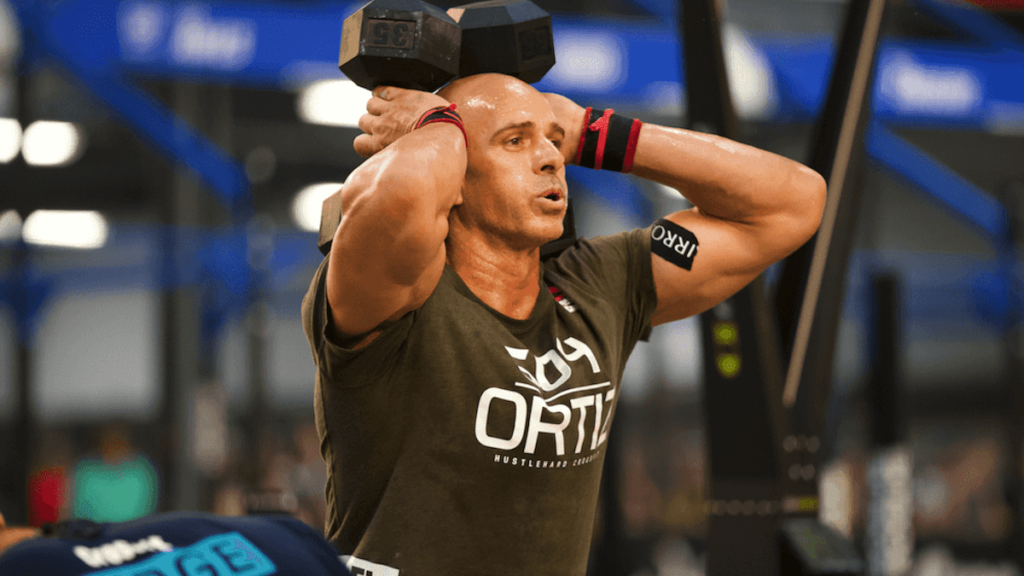
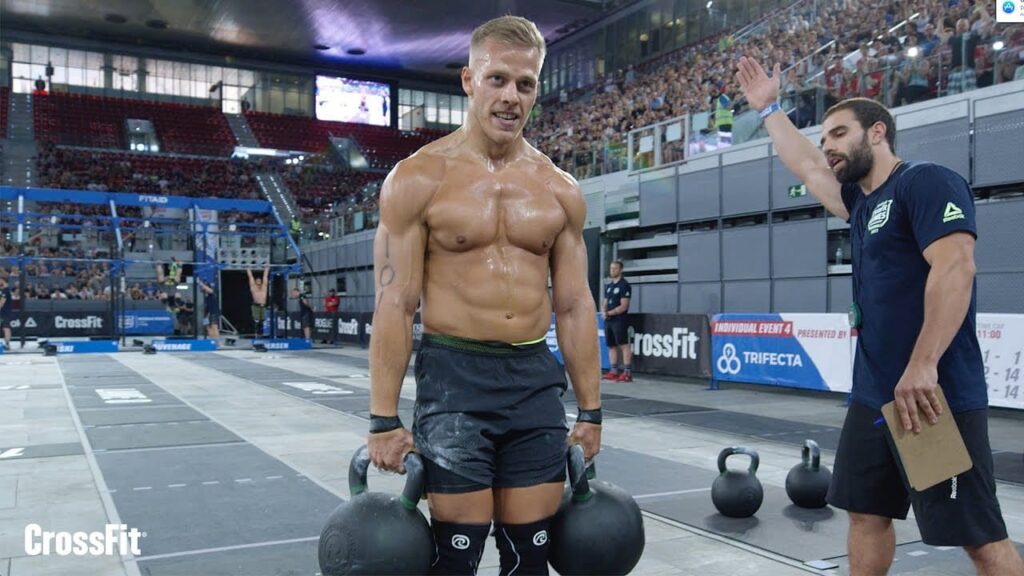
Functional fitness refers to training that mimics real life movement patterns and involves multiple muscle groups working together. Examples include squats, deadlifts, kettlebell swings, burpees, and Olympic lifts.
Functional fitness workouts often combine strength and conditioning elements, creating a hybrid style of training that is both intense and versatile.
Why Functional Fitness is Effective for Fat Loss
Functional fitness workouts are highly effective for fat loss because they engage large muscle groups and require significant energy expenditure. Compound movements such as squats and deadlifts use more muscle mass than isolated exercises. This increases calorie burn both during and after the workout.
When these movements are performed in circuits or with minimal rest, they create a high metabolic demand similar to HIIT.
The Role of Muscle in Fat Loss
One of the biggest advantages of functional fitness is its ability to build and maintain muscle mass. Muscle tissue is metabolically active, meaning it requires energy even at rest. Increasing muscle mass can therefore raise your resting metabolic rate, making it easier to maintain a calorie deficit.
Functional training also improves strength and movement efficiency, which can enhance performance in other forms of exercise.
Metabolic Conditioning and Fat Loss
Many functional fitness workouts fall under the category of metabolic conditioning. These workouts are designed to push the body’s energy systems, combining aerobic and anaerobic efforts. For example, a workout might include a circuit of kettlebell swings, push ups, and rowing intervals performed repeatedly with minimal rest.
This type of training has been shown to improve both cardiovascular fitness and body composition.
Sample Functional Fitness Workout
A simple and effective functional workout for fat loss could include:
Three to five rounds of:
- 15 kettlebell swings
- 10 push ups
- 10 goblet squats
- 250 meter row or 1 minute of jump rope
Rest for one to two minutes between rounds. This structure keeps intensity high while allowing enough recovery to maintain good form.
Benefits Beyond Fat Loss
Functional fitness offers benefits that go beyond fat loss. It improves coordination, balance, and overall movement quality. This reduces the risk of injury and enhances performance in daily activities. It also provides variety, which can help maintain motivation and consistency over time.
Comparing the Three Methods
Each of these training methods has unique strengths, but they all share common features that make them effective for fat loss. HIIT is highly efficient and adaptable to different types of exercise. It is ideal for people who want maximum results in minimal time.
Hill sprints provide a powerful combination of cardiovascular conditioning and lower body strength. They are simple but extremely effective. Functional fitness offers a well rounded approach that builds strength, improves movement, and supports long term fat loss. Combining these methods can provide even greater benefits by targeting different aspects of fitness and metabolism.
How to Combine These Methods for Best Results
To maximize fat loss, you can incorporate all three methods into your weekly routine.
For example:
- Two HIIT sessions per week focusing on cycling or rowing intervals.
- One to two hill sprint sessions depending on recovery and experience.
- Two to three functional fitness workouts that include strength and metabolic conditioning.
It is important to balance intensity with recovery. High intensity training places significant stress on the body, so adequate rest, nutrition, and sleep are essential.
Nutrition Still Matters
Even the most effective training methods cannot compensate for poor nutrition. To lose fat, you need to maintain a consistent calorie deficit while consuming enough protein to support muscle maintenance.

Whole foods, lean protein sources, healthy fats, and complex carbohydrates should form the foundation of your diet. Hydration and micronutrient intake also play important roles in performance and recovery.
Final Thoughts
Fat loss does not have to mean spending hours on a treadmill. By focusing on high intensity and functional training methods, you can achieve better results in less time.
HIIT, hill sprints, and functional fitness each offer unique benefits that contribute to faster fat loss. They increase calorie burn, improve metabolic health, and help preserve muscle mass.
The key is consistency and effort. These methods are effective because they challenge your body. When applied correctly, they can transform not only your physique but also your overall fitness.
If you are serious about burning fat faster, these three training methods should be at the core of your program.
Key Takeaways
| Method | Main Benefit | Why It Works | Best Use |
|---|---|---|---|
| HIIT | High calorie burn in short time | Increases afterburn and fat oxidation | Time efficient fat loss workouts |
| Hill Sprints | Combines strength and cardio | High muscle activation and hormonal response | Lower body power and fat loss |
| Functional Fitness | Builds muscle while burning fat | Uses compound movements and metabolic conditioning | Long term body composition and fitness |
References
• Boutcher, S.H. (2011). High intensity intermittent exercise and fat loss. Journal of Obesity, 2011, pp. 1 to 10.
• Gibala, M.J., Little, J.P., Macdonald, M.J. and Hawley, J.A. (2012). Physiological adaptations to low volume high intensity interval training in health and disease. Journal of Physiology, 590(5), pp. 1077 to 1084.
• Tremblay, A., Simoneau, J.A. and Bouchard, C. (1994). Impact of exercise intensity on body fatness and skeletal muscle metabolism. Metabolism, 43(7), pp. 814 to 818.
• Laursen, P.B. and Jenkins, D.G. (2002). The scientific basis for high intensity interval training. Sports Medicine, 32(1), pp. 53 to 73.
• Hazell, T.J., Olver, T.D., Hamilton, C.D. and Lemon, P.W. (2012). Two minutes of sprint interval exercise elicits 24 hour oxygen consumption similar to that of 30 minutes of continuous endurance exercise. International Journal of Sport Nutrition and Exercise Metabolism, 22(4), pp. 276 to 283.
• Buchheit, M. and Laursen, P.B. (2013). High intensity interval training solutions to the programming puzzle. Sports Medicine, 43(5), pp. 313 to 338.
• Paoli, A., Moro, T. and Marcolin, G. (2012). High intensity interval resistance training improves cardiovascular fitness and body composition. Journal of Translational Medicine, 10(1), pp. 1 to 8.
• Schoenfeld, B.J. (2010). The mechanisms of muscle hypertrophy and their application to resistance training. Journal of Strength and Conditioning Research, 24(10), pp. 2857 to 2872.
• Weston, M., Taylor, K.L., Batterham, A.M. and Hopkins, W.G. (2014). Effects of low volume high intensity interval training on fitness in adults. British Journal of Sports Medicine, 48(16), pp. 1227 to 1234.
• MacInnis, M.J. and Gibala, M.J. (2017). Physiological adaptations to interval training and the role of exercise intensity. Journal of Physiology, 595(9), pp. 2915 to 2930.