

Chin ups are often seen as a simple upper body exercise that builds strength in the arms and back. Many athletes treat them as a basic test of relative strength rather than a tool for improving performance. This view is incomplete. When performed consistently and with good technique, chin ups offer a range of benefits that extend far beyond muscle growth.
For athletes across disciplines such as CrossFit, gymnastics, combat sports, climbing, and team sports, chin ups can improve movement efficiency, joint health, neuromuscular coordination, and even injury resilience. Some of these benefits are well known, but others are less obvious and often overlooked.
This article focuses on three unusual benefits of chin ups that are strongly supported by scientific research. These benefits go beyond aesthetics and raw strength. They influence how athletes move, how they transfer force through the body, and how they maintain long term performance.
What Makes Chin Ups Unique?
Before exploring the unusual benefits, it is important to understand why chin ups are different from other pulling exercises.
Chin ups are a closed chain movement. This means the hands are fixed while the body moves. Closed chain exercises are known to promote joint stability and coordinated muscle activation patterns. They require the body to work as a unit rather than isolating individual muscles.
Chin ups also involve:
- High levels of relative strength
- Significant core activation
- Scapular control and coordination
- Grip strength and endurance
These characteristics make chin ups highly transferable to athletic performance.
Benefit 1: Enhanced Intermuscular Coordination and Force Transfer
Understanding Coordination Beyond Strength
Most athletes focus on how strong a muscle is. However, performance often depends more on how well muscles work together. This is known as intermuscular coordination.

Chin ups require coordinated activation of several muscle groups, including:
- Latissimus dorsi
- Biceps brachii
- Rhomboids
- Trapezius
- Core musculature
- Forearm flexors
Unlike machine based exercises, chin ups force these muscles to synchronize their efforts. This creates more efficient movement patterns that carry over into sport.
Scientific Evidence for Coordination Gains
Research has shown that closed chain pulling movements improve neuromuscular efficiency. Studies examining electromyographic activity demonstrate that chin ups activate stabilizing muscles in the shoulder girdle more effectively than open chain exercises like lat pulldowns.
In addition, training that emphasizes compound pulling movements has been linked to improved motor unit recruitment patterns. This means the nervous system becomes better at activating the right muscles at the right time.
This improved coordination allows athletes to generate force more efficiently. Instead of relying on one dominant muscle, the body distributes the workload across multiple structures.
Transfer to Athletic Movements
Improved coordination has direct implications for sports performance. Consider the following examples:
- In sprinting, the arms contribute to rhythm and balance. Efficient pulling mechanics help stabilize the torso.
- In grappling sports, coordinated pulling strength improves control over opponents.
- In climbing, synchronized muscle activation is essential for maintaining body position.
Chin ups train the body to transfer force from the upper body through the core. This creates a stronger kinetic chain, which is essential for explosive movements.
Why This Benefit Is Often Overlooked
Many athletes measure progress by counting repetitions or adding weight. While these are useful metrics, they do not capture improvements in coordination.
Chin ups quietly improve how the body moves. These changes may not be immediately visible, but they have a profound impact on performance.
Benefit 2: Improved Shoulder Joint Stability and Injury Prevention
The Shoulder as a Vulnerable Joint
The shoulder is one of the most mobile joints in the body. This mobility comes at the cost of stability. Athletes who perform repetitive overhead or contact movements are especially at risk of shoulder injuries.
Common issues include:
- Rotator cuff strains
- Shoulder impingement
- Labral tears
Strength alone is not enough to protect the shoulder. Stability and control are critical.
How Chin Ups Strengthen Shoulder Stability
Chin ups promote stability in several ways:
- They require controlled scapular movement
- They strengthen the rotator cuff indirectly
- They improve the balance between pushing and pulling muscles
During a chin up, the scapula must depress and retract in a coordinated manner. This movement pattern strengthens the muscles responsible for stabilizing the shoulder blade.
Research has shown that exercises involving scapular control reduce the risk of shoulder injuries. Chin ups naturally incorporate these movements without requiring complex setups.
Evidence from Rehabilitation and Performance Studies
Studies in sports medicine have demonstrated that strengthening the posterior shoulder muscles improves joint stability and reduces injury risk. Chin ups are particularly effective because they activate these muscles in a functional context. Electromyographic analyses have shown high activation levels in the lower trapezius and rhomboids during chin ups. These muscles are essential for maintaining proper shoulder mechanics.

Additionally, resistance training programs that include pulling exercises have been associated with reduced incidence of shoulder injuries in athletes.
Balancing the Push to Pull Ratio
Many athletes perform more pushing exercises than pulling exercises. This imbalance can lead to poor posture and increased stress on the shoulder joint.
Chin ups help restore balance by strengthening the posterior chain. This improves posture and reduces the risk of overuse injuries.
Long Term Benefits for Athletic Longevity
Shoulder injuries can derail an athlete’s career. By improving stability and control, chin ups contribute to long term joint health. Athletes who consistently perform chin ups are more likely to maintain healthy shoulders, allowing them to train harder and compete longer.
Benefit 3: Increased Grip Strength and Neurological Adaptation
Grip Strength as a Performance Indicator
Grip strength is often overlooked, but it plays a crucial role in many sports. It is not just about holding onto objects. Grip strength reflects overall neuromuscular function.
Studies have shown that grip strength is correlated with:
- Upper body strength
- Athletic performance
- Even general health outcomes
How Chin Ups Develop Grip Strength
Unlike many exercises, chin ups require sustained grip engagement. The hands must support the entire body weight throughout the movement.
This creates several adaptations:
- Increased forearm muscle strength
- Improved endurance in grip muscles
- Enhanced neural drive to the hands
Chin ups also challenge different grip positions, such as supinated and neutral grips. This variety strengthens the hands in multiple ways.
Neurological Benefits of Grip Training
Grip training has a unique effect on the nervous system. The hands have a high density of sensory receptors. Training the grip can enhance neural activation throughout the upper body.
Research suggests that strong grip engagement increases activation in surrounding muscles. This phenomenon, sometimes referred to as irradiation, allows athletes to generate more force. For example, gripping a bar tightly during a chin up can increase activation in the arms and shoulders.
Evidence from Strength and Conditioning Research
Studies have demonstrated that grip strength training improves overall strength output. Athletes with stronger grips are able to lift heavier weights and perform better in compound movements. In addition, grip endurance has been linked to improved performance in sports that require sustained effort, such as rowing and climbing.
Chin ups provide a practical way to train grip strength in a functional context. Unlike isolated grip exercises, they integrate the hands into a full body movement.
Carryover to Real World Performance
Grip strength developed through chin ups translates directly to many athletic tasks:
- Holding onto an opponent in combat sports
- Maintaining control of equipment in field sports
- Supporting body weight in gymnastics and climbing
This makes chin ups a highly efficient exercise for improving both strength and performance.
Additional Performance Benefits Worth Noting
While the focus of this article is on three unusual benefits, chin ups offer several other advantages that support athletic development.
Core Activation and Stability
Chin ups require significant core engagement to prevent swinging and maintain proper alignment. Studies have shown that unstable or bodyweight movements increase core activation compared to machine based exercises.
Relative Strength Development
Chin ups improve strength relative to body weight. This is particularly important for athletes who need to move their bodies efficiently, such as runners and gymnasts.
Hormonal and Metabolic Effects
Compound exercises like chin ups can stimulate hormonal responses that support muscle growth and recovery. Resistance training has been shown to increase levels of anabolic hormones such as testosterone and growth hormone.
How to Maximize These Benefits
To fully experience the unusual benefits of chin ups, athletes should focus on quality and progression.
Technique Guidelines
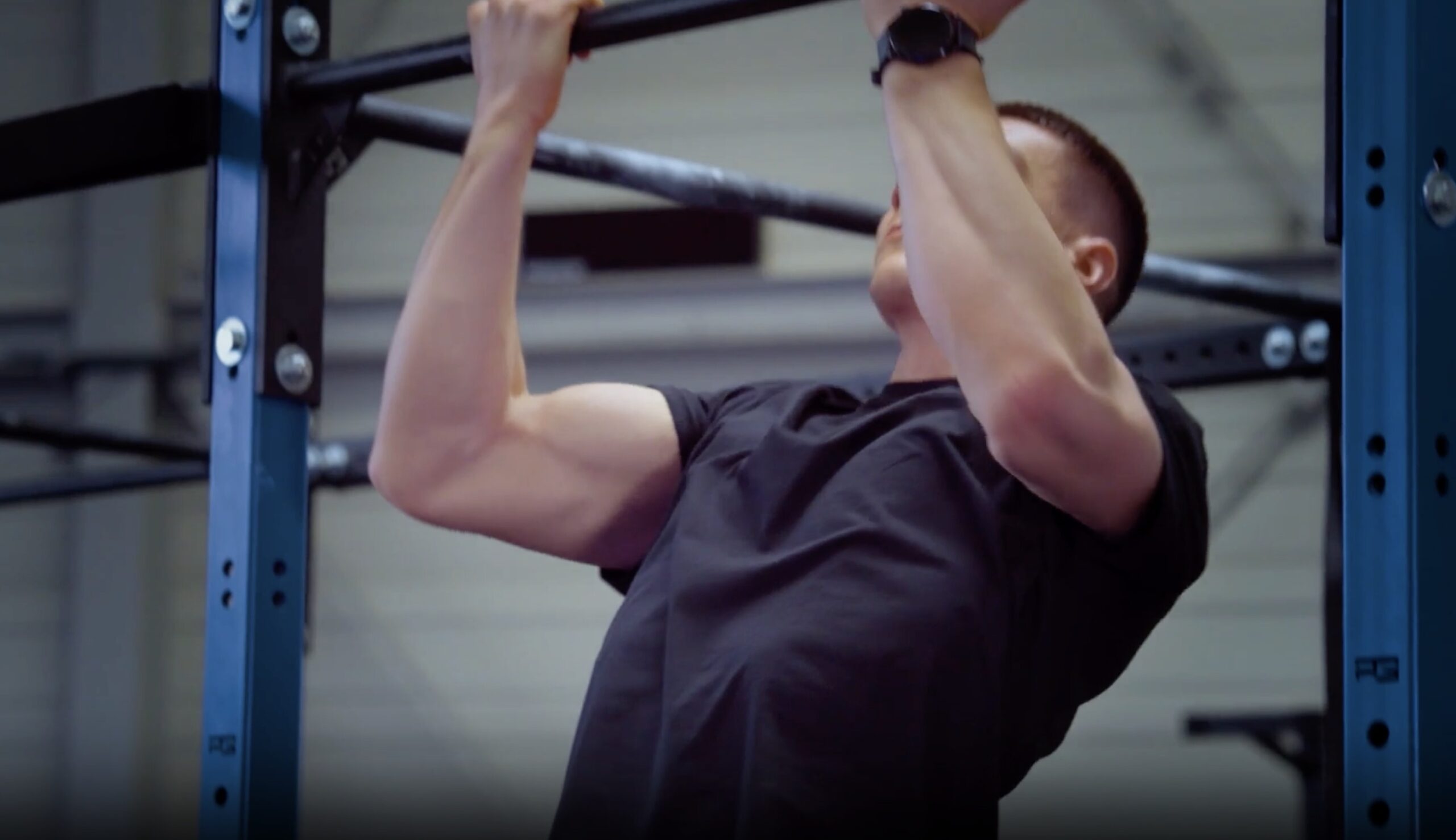
- Start from a dead hang with full arm extension
- Engage the scapula before pulling
- Keep the core tight and avoid swinging
- Pull until the chin clears the bar
- Lower under control
Progression Strategies
- Use assistance bands if needed
- Gradually increase repetitions
- Add weight once bodyweight chin ups become easy
- Experiment with different grips
Programming Recommendations
- Include chin ups two to three times per week
- Pair with pushing exercises for balance
- Focus on controlled tempo rather than speed
Consistency is key. The benefits discussed in this article develop over time.
Common Mistakes to Avoid
Even experienced athletes can make errors that reduce the effectiveness of chin ups.
Overusing Momentum
Swinging reduces muscle activation and limits coordination benefits.
Neglecting Full Range of Motion
Partial repetitions do not fully engage the muscles or joints.

Ignoring Shoulder Position
Poor scapular control can increase injury risk.
Training to Failure Too Often
Excessive fatigue can compromise technique and recovery. Avoiding these mistakes ensures that chin ups deliver their full range of benefits.
Conclusion
Chin ups are far more than a simple upper body exercise. They are a powerful tool for improving coordination, enhancing shoulder stability, and developing grip strength.
These benefits are supported by scientific research and have direct applications in athletic performance. By incorporating chin ups into a training program, athletes can improve how their bodies move, reduce injury risk, and enhance overall strength.
The true value of chin ups lies in their ability to train the body as a complete system. This makes them one of the most effective exercises for athletes at all levels.
Key Takeaways
| Benefit | What It Improves | Why It Matters for Athletes |
|---|---|---|
| Intermuscular Coordination | Muscle synchronization and force transfer | Enhances efficiency and performance in complex movements |
| Shoulder Stability | Joint control and injury prevention | Reduces risk of shoulder injuries and improves longevity |
| Grip Strength and Neurology | Hand strength and neural activation | Boosts overall strength and performance across sports |
| Core Activation | Stability and body control | Improves posture and movement efficiency |
| Relative Strength | Strength to bodyweight ratio | Critical for sports requiring body control |
References
- Andersen, L.L., Andersen, J.L., Magnusson, S.P. and Suetta, C., 2010. Neuromuscular adaptations to resistance training. Journal of Strength and Conditioning Research, 24(2), pp. 418 to 426.
- Behm, D.G. and Colado, J.C., 2012. The effectiveness of resistance training using unstable surfaces and devices for rehabilitation. International Journal of Sports Physical Therapy, 7(2), pp. 226 to 241.
- Calatayud, J., Borreani, S., Colado, J.C., Martin, F. and Rogers, M.E., 2014. Muscle activation during push ups and bench press exercises. Journal of Strength and Conditioning Research, 28(2), pp. 484 to 493.
- Cools, A.M., Struyf, F., De Mey, K., Maenhout, A., Castelein, B. and Cagnie, B., 2014. Rehabilitation of scapular dyskinesis. British Journal of Sports Medicine, 48(8), pp. 692 to 697.
- Escamilla, R.F., Yamashiro, K., Paulos, L. and Andrews, J.R., 2009. Shoulder muscle activity and function in common shoulder rehabilitation exercises. Sports Medicine, 39(8), pp. 663 to 685.