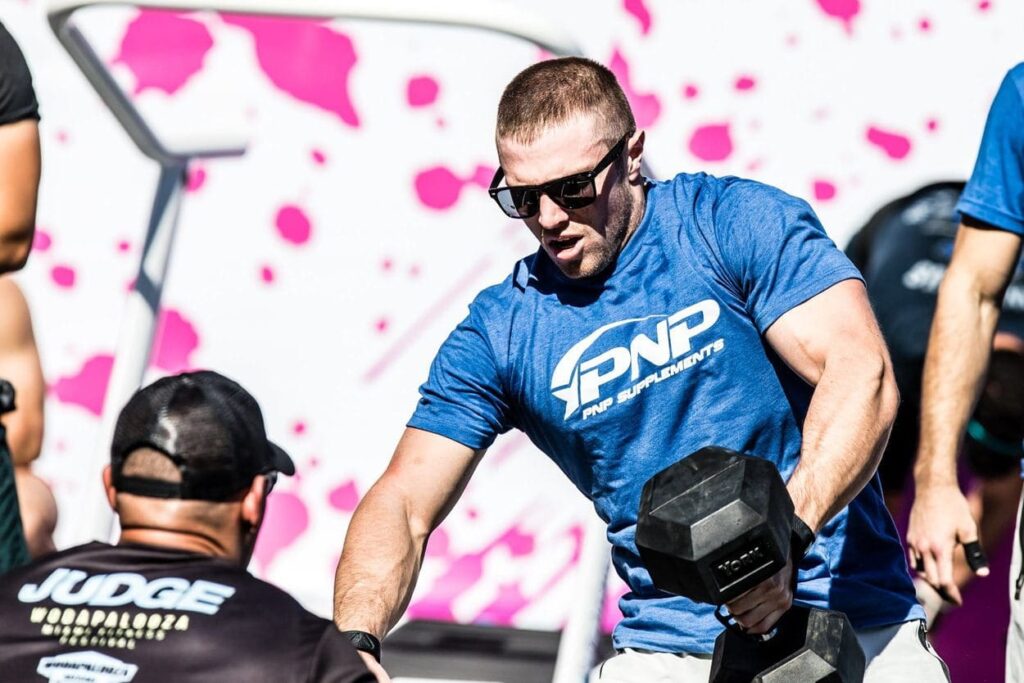


Building muscle is often framed as expensive. Protein powders, specialty “fitness foods,” supplements, and organic everything can quickly drain your wallet. But when you strip muscle growth back to its biological foundations, the process is far less costly than the fitness industry would have you believe.
Muscle hypertrophy depends on a few well-established principles: adequate energy intake, sufficient protein, resistance training, and recovery. None of those require premium foods or expensive products. In fact, decades of nutrition and exercise science show that many low-cost foods are perfectly suited to support muscle growth when used intelligently.
This article breaks down five science-backed hacks that allow you to eat for muscle growth on a budget. Every recommendation is grounded in peer-reviewed research, explained in plain language, and designed to be practical in the real world.
Hack 1: Prioritize Total Protein Intake, Not “Fitness” Protein
Why protein matters for muscle growth
Skeletal muscle is built from amino acids. Resistance training stimulates muscle protein synthesis, but without enough dietary protein, that process cannot exceed muscle protein breakdown. This relationship is well established in human research.

Multiple controlled trials show that higher protein intakes significantly enhance gains in lean mass when combined with resistance training, compared to lower protein intakes. A large meta-analysis found that protein supplementation increased fat-free mass and strength gains, particularly in people consuming less protein at baseline.
The key point is not the supplement itself, but the total daily protein intake.
How much protein do you actually need?
The current scientific consensus suggests that muscle growth is maximized at protein intakes of approximately 1.6 to 2.2 grams per kilogram of bodyweight per day. Intakes above this range show diminishing returns for hypertrophy in most individuals.
This target can sound intimidating, but it becomes manageable when you stop thinking in terms of expensive protein powders and start focusing on cost-effective whole foods.
Budget-friendly protein sources that work
Protein quality is often described by its essential amino acid content and digestibility. While animal proteins generally score higher, many affordable options perform extremely well.
Eggs are one of the most cost-effective high-quality proteins available. Whole eggs provide all essential amino acids and are rich in leucine, the amino acid that plays a key role in triggering muscle protein synthesis. Research consistently shows that whole eggs stimulate greater muscle protein synthesis than egg whites alone, likely due to their fat-soluble nutrients.
Milk, yogurt, and cottage cheese are also excellent low-cost options. Dairy proteins contain both whey and casein, providing a mix of fast- and slow-digesting amino acids. Studies show that dairy protein supports muscle hypertrophy effectively, even when compared to isolated protein supplements.
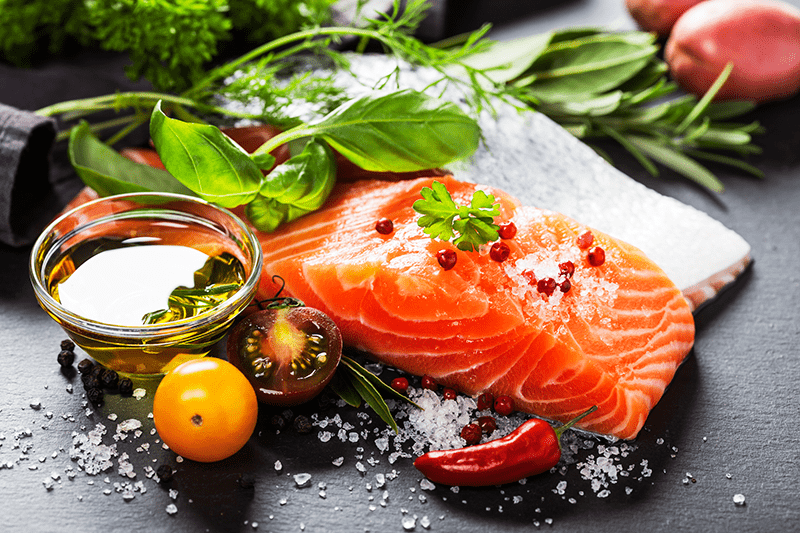
Canned tuna, sardines, and salmon offer high-quality protein at a lower cost than fresh fish. They also provide omega-3 fatty acids, which may enhance muscle protein synthesis and improve anabolic sensitivity in resistance-trained individuals.

For plant-based options, dried beans, lentils, chickpeas, and split peas are extremely affordable. While individual plant proteins are often lower in certain essential amino acids, combining different sources across the day easily covers these gaps. Research shows that total protein intake matters far more than individual amino acid perfection when overall intake is sufficient.
Why protein supplements are optional, not essential
Whey protein is convenient, but it is not biologically superior to whole food protein when daily intake is matched. Controlled trials show similar muscle gains when protein targets are met using food rather than supplements.
If your budget is tight, protein powder should be one of the last things you buy, not the first.
Hack 2: Use Calories Strategically Instead of Chasing “Clean Eating”
Muscle growth requires energy
Muscle tissue is metabolically expensive to build. To gain muscle efficiently, most people need a small caloric surplus. Without sufficient energy intake, protein is more likely to be oxidized for fuel rather than used for muscle repair and growth.
Studies consistently show greater lean mass gains when resistance training is paired with a caloric surplus compared to energy balance or deficit conditions.
The problem is that many people try to create this surplus using expensive, low-energy-density foods.
Energy density is your friend on a budget
Energy-dense foods provide more calories per dollar. These foods are often unfairly demonized in fitness culture, but they can be powerful tools for muscle growth when used appropriately.
Rice, pasta, oats, potatoes, and bread are among the cheapest calorie sources available. Research shows that carbohydrates play a key role in resistance training performance by replenishing muscle glycogen. Higher training volumes are associated with greater hypertrophy, making adequate carbohydrate intake indirectly anabolic.
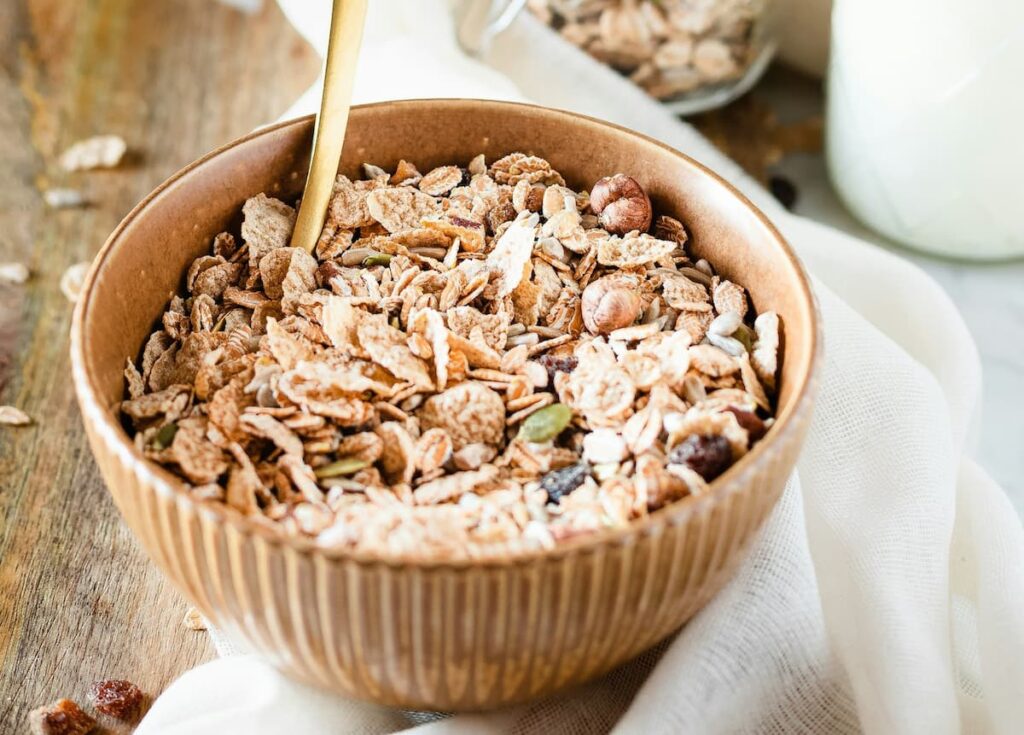
White rice and pasta are often criticized for being “processed,” but from a muscle-building standpoint, they are efficient, digestible fuel sources. Studies comparing refined and whole carbohydrates show minimal differences in muscle gain outcomes when fiber intake is adequate overall.
Fat is not the enemy
Dietary fat is the most calorie-dense macronutrient, providing more than twice the calories per gram compared to protein or carbohydrates. This makes fat a powerful tool for increasing caloric intake without increasing food volume.
Affordable fat sources include vegetable oils, peanut butter, whole eggs, and full-fat dairy. Research shows that diets too low in fat may negatively affect testosterone levels, which play a role in muscle protein synthesis and training adaptation.
This does not mean high-fat diets are superior for muscle growth, but adequate fat intake supports hormonal health and helps maintain a caloric surplus without excessive food costs.
Clean eating myths and muscle growth
There is no evidence that “clean” foods lead to superior muscle growth compared to less refined options when calories and protein are matched. What matters is meeting nutritional requirements consistently.
Rigid food rules often increase costs and reduce adherence. From a physiological standpoint, sustainability beats perfection every time.
Hack 3: Distribute Protein Across the Day Without Overthinking Timing
The role of protein distribution
Muscle protein synthesis is stimulated each time you consume a sufficient dose of high-quality protein. Research suggests that spreading protein intake evenly across meals may enhance daily muscle protein synthesis compared to skewing most protein toward a single meal.
That said, the effect size is modest, and total daily protein intake remains the dominant factor.
How much protein per meal is enough?
Studies indicate that approximately 0.25 to 0.4 grams of protein per kilogram of bodyweight per meal maximally stimulates muscle protein synthesis in young adults. For most people, this translates to 25 to 40 grams of protein per meal.
This does not require expensive foods or precision tracking. Three to four protein-rich meals per day are sufficient for most lifters.
Budget-friendly meal structuring
Simple meals built around affordable staples work extremely well. For example:
Egg-based breakfasts combined with oats or toast
Rice and beans with added eggs or canned fish
Pasta with ground meat or lentils
Cottage cheese or yogurt as a high-protein snack
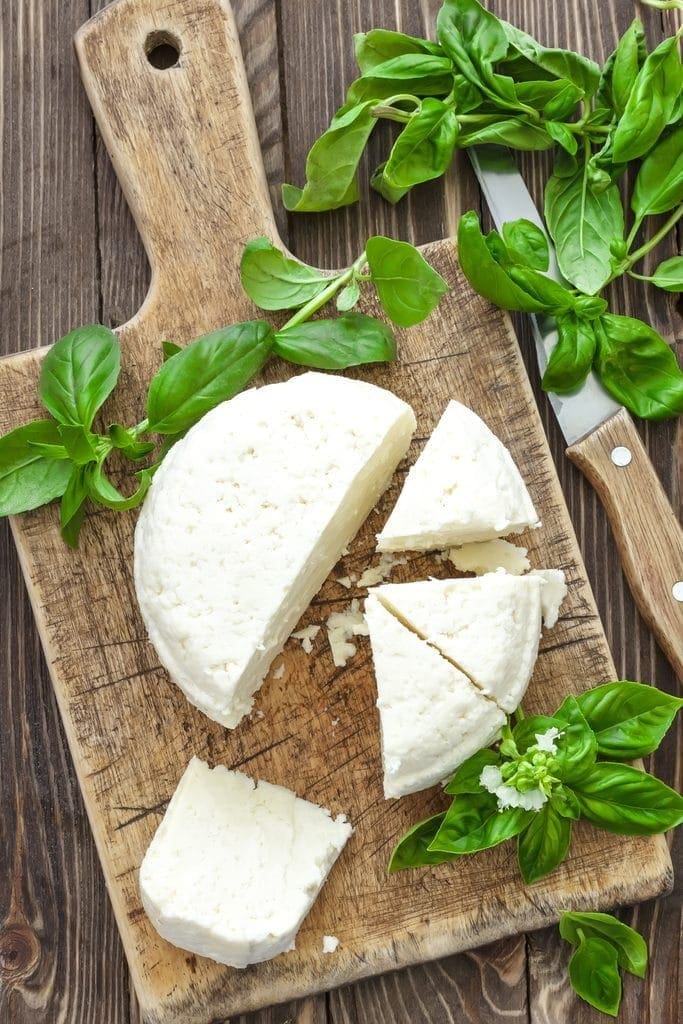
Research shows that pre-sleep protein intake, particularly slow-digesting proteins like casein, can increase overnight muscle protein synthesis. Cottage cheese is one of the cheapest casein-rich foods available, making it an excellent budget-friendly option.
Post-workout protein does not need to be fancy
The idea of a narrow “anabolic window” has been largely debunked. As long as total protein intake is adequate across the day, muscle growth is similar whether protein is consumed immediately post-workout or a few hours later.
This means you do not need to rush to buy shakes or bars after training. Regular meals work just fine.
Hack 4: Train Your Gut and Your Grocery List With Meal Prep
Consistency beats variety for muscle growth
One of the biggest hidden costs in muscle-building diets is wasted food and inconsistent eating. Meal prep reduces both.
From a physiological perspective, consistent nutrient intake supports stable training performance and recovery. From a financial perspective, cooking in bulk dramatically reduces cost per meal.
Bulk cooking and protein retention
Cooking methods matter. Slow cooking, baking, and boiling are cost-effective ways to prepare large quantities of food while preserving protein content. Research shows that standard cooking methods do not meaningfully reduce protein quality or amino acid availability.
Batch-cooked meals stored properly maintain nutritional value for several days, making meal prep both safe and effective.
Cheap, muscle-friendly meal prep combinations
Rice and beans form a complete amino acid profile when consumed together. Studies show that mixed plant protein sources can support muscle growth when total protein intake is sufficient.
Ground meat mixed with beans or lentils stretches protein further without compromising amino acid availability. This strategy is supported by research showing that mixed protein sources can produce similar anabolic responses to single-source meals.
Frozen vegetables are often cheaper than fresh and retain most of their micronutrients. Adequate micronutrient intake supports training adaptation, immune function, and energy metabolism, all of which indirectly affect muscle growth.
Eating the same foods is not a problem
There is no evidence that frequent food rotation is required for muscle growth or health, as long as nutritional needs are met. Repetition simplifies shopping, reduces decision fatigue, and lowers costs.
Many successful strength athletes rely on a small rotation of meals for exactly these reasons.
Hack 5: Skip Expensive Supplements and Focus on the Few That Actually Work
Supplements are not the foundation
Most muscle-building supplements provide marginal benefits at best. The supplement industry often exaggerates effects that are small compared to the impact of training quality, calories, and protein intake.

A comprehensive review of sports nutrition supplements consistently finds that only a handful have strong evidence supporting their effectiveness.
Creatine: the most cost-effective supplement available
Creatine monohydrate is one of the most studied supplements in sports nutrition. Hundreds of studies show that creatine supplementation increases strength, power output, and lean body mass when combined with resistance training.
Creatine works by increasing phosphocreatine stores in muscle, allowing for greater training volume and intensity. Over time, this leads to greater hypertrophy.
Importantly, creatine is inexpensive, safe for healthy individuals, and effective at doses as low as 3 to 5 grams per day. No loading phase is required.
Protein supplements: convenience, not necessity
As discussed earlier, protein powders are useful when food access is limited, but they are not superior to whole foods. When budgets are tight, whole food protein should come first.
What to skip
There is little to no evidence that branched-chain amino acids, glutamine, testosterone boosters, or proprietary “muscle blends” provide meaningful benefits when protein intake is already adequate.
Research consistently shows that essential amino acids are most effective when consumed as part of complete protein sources rather than isolated supplements.
Spending money on ineffective supplements reduces funds available for quality food, which has a far greater impact on muscle growth.
Putting It All Together
Muscle growth is not reserved for people with large grocery budgets. It is driven by physiology, not marketing.
When you understand that total protein, adequate calories, and consistent training are the real drivers of hypertrophy, the path becomes much simpler and much cheaper.
By prioritizing affordable protein sources, using energy-dense foods strategically, spreading protein intake across the day, cooking in bulk, and limiting supplements to those with strong evidence, you can build muscle efficiently without overspending.
The science is clear. Muscle is built in the gym and the kitchen, not at the supplement store.
References
• Areta, J.L., Burke, L.M., Ross, M.L., Camera, D.M., West, D.W., Broad, E.M., Jeacocke, N.A., Moore, D.R., Stellingwerff, T., Phillips, S.M. and Hawley, J.A., 2013. Timing and distribution of protein ingestion during prolonged recovery from resistance exercise alters myofibrillar protein synthesis. Journal of Physiology, 591(9), pp.2319–2331.
• Cermak, N.M., Res, P.T., de Groot, L.C., Saris, W.H. and van Loon, L.J., 2012. Protein supplementation augments the adaptive response of skeletal muscle to resistance-type exercise training. American Journal of Clinical Nutrition, 96(6), pp.1454–1464.
• Morton, R.W., Murphy, K.T., McKellar, S.R., Schoenfeld, B.J., Henselmans, M., Helms, E., Aragon, A.A., Devries, M.C., Banfield, L., Krieger, J.W. and Phillips, S.M., 2018. A systematic review, meta-analysis and meta-regression of the effect of protein supplementation on resistance training–induced gains in muscle mass and strength. British Journal of Sports Medicine, 52(6), pp.376–384.
• Phillips, S.M. and Van Loon, L.J., 2011. Dietary protein for athletes: from requirements to optimum adaptation. Journal of Sports Sciences, 29(sup1), pp.S29–S38.
• Schoenfeld, B.J., Aragon, A.A. and Krieger, J.W., 2013. The effect of protein timing on muscle strength and hypertrophy: a meta-analysis. Journal of the International Society of Sports Nutrition, 10(1), p.53.
• Tipton, K.D., Elliott, T.A., Cree, M.G., Aarsland, A.A., Sanford, A.P. and Wolfe, R.R., 2007. Stimulation of net muscle protein synthesis by whey protein ingestion before and after exercise. American Journal of Physiology-Endocrinology and Metabolism, 292(1), pp.E71–E76.
• Wilkinson, S.B., Tarnopolsky, M.A., Macdonald, M.J., Macdonald, J.R., Armstrong, D. and Phillips, S.M., 2007. Consumption of fluid skim milk promotes greater muscle protein accretion after resistance exercise than consumption of an isonitrogenous soy-protein beverage. American Journal of Clinical Nutrition, 85(4), pp.1031–1040.