

Hybrid training is no longer a niche approach. More athletes are combining strength training with endurance work — heavy squats paired with long runs, interval sessions mixed with Olympic lifting, or CrossFit-style conditioning layered onto marathon preparation. The goal is simple: build strength and muscle without sacrificing aerobic capacity.
But hybrid training places unique demands on the body. Strength sessions stimulate muscle protein synthesis and neuromuscular adaptation. Endurance sessions challenge mitochondrial density, capillary networks, and energy metabolism. When combined, these stressors increase total training load, recovery requirements, and nutritional needs — especially protein intake.
Protein is not just about muscle size. It supports recovery, connective tissue health, mitochondrial remodeling, immune function, and even adaptations to endurance training. Research consistently shows that athletes engaging in concurrent (strength + endurance) training benefit from higher protein intakes than sedentary individuals.
The Recommended Dietary Allowance (RDA) for protein is 0.8 g/kg/day, but this level is designed to prevent deficiency — not optimize performance. Strength-trained individuals typically require 1.6–2.2 g/kg/day to maximize muscle protein synthesis and lean mass retention. Endurance athletes benefit from 1.2–1.6 g/kg/day to support recovery and oxidative adaptations. For hybrid athletes, daily protein needs often fall between 1.6–2.4 g/kg/day depending on training volume, energy balance, and goals.

In this article, we break down five protein-rich foods that are especially effective for hybrid athletes. Each one is backed by research and offers unique benefits that go beyond just total grams of protein.
1. Eggs: The Gold Standard for Muscle Protein Synthesis
Why Eggs Matter for Hybrid Athletes
Eggs are one of the most biologically valuable protein sources available. They contain all nine essential amino acids in ratios that closely match human requirements. This high amino acid quality makes eggs especially effective at stimulating muscle protein synthesis.
Muscle protein synthesis is driven largely by the amino acid leucine. Research shows that approximately 2–3 grams of leucine per meal is needed to maximally stimulate muscle protein synthesis in young adults. Whole eggs provide a leucine-rich profile that supports this threshold.
Egg protein has a digestibility score near the top of available protein sources. Studies measuring muscle protein synthesis directly show that whole eggs stimulate greater anabolic responses than egg whites alone, suggesting that nutrients in the yolk enhance the anabolic effect.
For hybrid athletes, this matters because recovery must occur rapidly between sessions. Whether you lifted heavy in the morning and ran intervals in the evening, or vice versa, you need efficient protein sources that promote muscle repair and remodeling.
Whole Eggs vs. Egg Whites
Many athletes discard yolks in pursuit of lean protein. However, research comparing whole eggs to egg whites following resistance exercise found that whole eggs produced a significantly greater muscle protein synthesis response despite matched protein content. The additional lipids, vitamins, and bioactive compounds in the yolk appear to enhance the anabolic environment.
Egg yolks are also rich in choline, a nutrient critical for cell membrane integrity and neuromuscular function. For athletes training at high volumes, maintaining cellular health is essential.
Practical Application
Three large eggs provide roughly 18–21 grams of high-quality protein and about 1.5 grams of leucine. Pairing eggs with additional protein sources can help hybrid athletes reach the optimal leucine threshold per meal.
Eggs are also versatile — breakfast omelets, post-training scrambles, or hard-boiled snacks between sessions.
2. Greek Yogurt: High-Leucine, Slow-Digesting Recovery Fuel
The Power of Casein Protein
Greek yogurt is rich in casein protein, a slow-digesting milk protein that provides a steady release of amino acids into the bloodstream. This prolonged amino acid availability supports recovery over several hours.
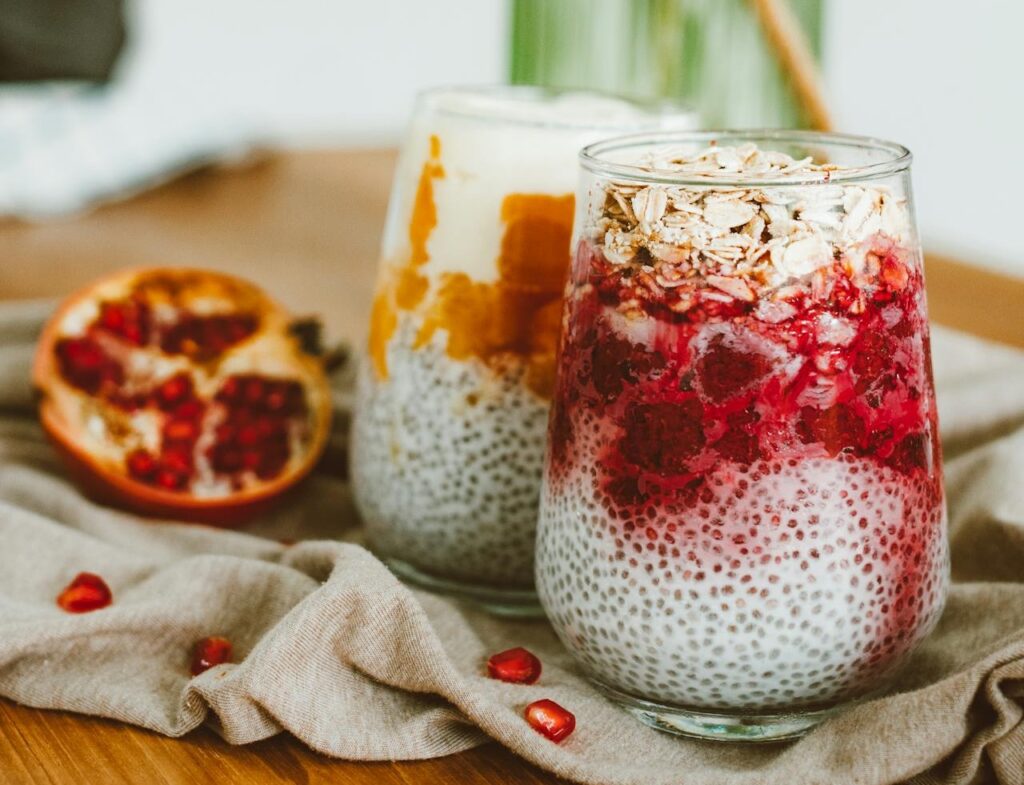
Casein ingestion before sleep has been shown to increase overnight muscle protein synthesis. For hybrid athletes who often train multiple times per day, improving overnight recovery is critical. Sleep is when growth hormone peaks and much of the repair process occurs.
Studies show that consuming 30–40 grams of casein protein before bed enhances muscle protein synthesis and may improve strength gains over time in resistance-trained individuals.
Benefits Beyond Muscle
Greek yogurt also provides calcium and probiotics. Calcium plays a role in muscle contraction and intracellular signaling. Meanwhile, probiotics may support gut health, which is increasingly recognized as important for immune function and training resilience.
Intense endurance training can transiently suppress immune function. Maintaining gut integrity and microbial diversity may reduce illness risk during heavy training blocks.
Practical Application
One cup of nonfat Greek yogurt provides approximately 20–23 grams of protein. Pair it with fruit for glycogen replenishment after endurance sessions. For nighttime recovery, consider a larger serving before bed.
Hybrid athletes in energy deficits — such as those leaning out while maintaining strength — can use Greek yogurt as a high-protein, low-fat option to preserve lean mass.
3. Lean Beef: Complete Protein Plus Iron and Creatine
Protein Quality and Muscle Growth
Lean beef is a complete protein source rich in essential amino acids. It provides approximately 22–26 grams of protein per 3-ounce serving. Like eggs, it contains high levels of leucine, helping stimulate muscle protein synthesis.
Research consistently shows that animal-based proteins, including beef, effectively support increases in lean mass when combined with resistance training.
Iron and Oxygen Transport
Hybrid athletes often underestimate the importance of iron. Endurance training increases iron turnover through sweating, foot-strike hemolysis (in runners), and gastrointestinal microbleeding. Iron deficiency impairs oxygen transport and reduces aerobic capacity.
Beef contains heme iron, which is more bioavailable than plant-based non-heme iron. Maintaining adequate iron status supports hemoglobin production and endurance performance.
Natural Creatine Content
Beef is also a natural source of creatine. While supplemental creatine is well studied for increasing strength and power, dietary creatine from red meat contributes modestly to muscle creatine stores. Creatine supports high-intensity output — critical for hybrid athletes who sprint, lift, and perform explosive work.
Practical Application
Include lean cuts such as sirloin or top round several times per week. A 4–6 ounce serving can provide 28–40 grams of protein, enough to meet the per-meal protein target for maximizing muscle protein synthesis.
4. Salmon: Protein with Anti-Inflammatory Support
High-Quality Protein with Omega-3 Fatty Acids
Salmon provides approximately 20–25 grams of protein per 3-ounce serving. Like other animal proteins, it is complete and leucine-rich.

What makes salmon unique is its omega-3 fatty acid content — particularly EPA and DHA. Omega-3 fatty acids have been shown to enhance muscle protein synthesis signaling pathways and improve muscle function.
Research indicates that omega-3 supplementation increases the muscle protein synthetic response to amino acid ingestion and resistance exercise in both young and older adults.
Managing Training-Induced Inflammation
Hybrid training increases systemic inflammation due to muscle damage and metabolic stress. While some inflammation is necessary for adaptation, excessive or chronic inflammation may impair recovery.
Omega-3 fatty acids can modulate inflammatory responses. Studies show that omega-3 intake reduces markers of muscle soreness and may improve recovery following eccentric exercise.
For hybrid athletes balancing high-intensity conditioning and heavy lifting, managing inflammation without blunting adaptation is key. Whole-food omega-3 sources offer a balanced approach.
Practical Application
Aim for 2–3 servings of fatty fish per week. A 5-ounce serving of salmon provides roughly 30–35 grams of protein along with meaningful amounts of EPA and DHA.
Salmon works well post-training when paired with carbohydrate sources to replenish glycogen.
5. Lentils: Plant-Based Protein with Endurance Benefits
Protein for Plant-Focused Hybrid Athletes
Lentils provide approximately 18 grams of protein per cooked cup. While plant proteins typically contain lower levels of certain essential amino acids, lentils still contribute meaningfully toward daily protein intake.
When combined with complementary proteins (such as rice), lentils provide a complete amino acid profile. Total daily protein intake matters more than individual meals for long-term adaptation, especially when protein intake is sufficient.
Research shows that when total protein intake is matched, plant-based diets can support similar strength and hypertrophy outcomes compared to omnivorous diets.
Carbohydrates and Iron
Unlike animal proteins, lentils provide both protein and carbohydrates — beneficial for hybrid athletes who require substantial glycogen replenishment.
They also contain iron. While non-heme iron is less bioavailable than heme iron, pairing lentils with vitamin C-rich foods enhances absorption.
Endurance performance is highly dependent on iron status. Hybrid athletes following plant-based diets must be particularly attentive to iron intake.
Fiber and Metabolic Health
Lentils are high in fiber, supporting gut health and metabolic regulation. Adequate fiber intake is associated with improved insulin sensitivity and reduced systemic inflammation, both of which can support long-term training capacity.
Practical Application
Use lentils in soups, bowls, or as side dishes. Combine with grains to optimize amino acid balance. For plant-based hybrid athletes, aim for higher total protein intake (closer to 2.0–2.4 g/kg/day) to account for slightly lower digestibility.
How Much Protein Should Hybrid Athletes Eat Per Meal?
Daily intake matters, but distribution also plays a critical role. Research suggests that consuming 0.3–0.5 g/kg of high-quality protein per meal, spread across 3–5 meals per day, maximizes muscle protein synthesis.
For a 180-pound (82 kg) athlete, this equals approximately 25–40 grams of protein per meal.
Hybrid athletes should also consider:
- Post-resistance training protein within 2 hours.
- Carbohydrate-protein combinations after endurance sessions.
- Pre-sleep casein intake to support overnight recovery.
Energy balance is crucial. In calorie deficits, protein requirements increase to preserve lean mass. Studies show that intakes closer to 2.3–3.1 g/kg fat-free mass are beneficial during aggressive energy restriction in lean athletes.
The Bottom Line
Hybrid training pushes the body to adapt across multiple physiological systems. Strength, endurance, neuromuscular coordination, and metabolic efficiency all demand recovery resources.
Protein is central to that recovery.
Eggs provide highly bioavailable amino acids and strong muscle protein synthesis stimulation. Greek yogurt supports sustained recovery and overnight repair. Lean beef contributes iron and creatine for performance. Salmon offers anti-inflammatory omega-3s alongside complete protein. Lentils provide plant-based protein with endurance-supporting carbohydrates and fiber.
For hybrid athletes, the strategy is not just about hitting a daily number. It is about quality, timing, and nutrient synergy.
Eat enough. Distribute it wisely. Recover harder than you train.
References
- Areta, J.L. et al. (2013) ‘Timing and distribution of protein ingestion during prolonged recovery from resistance exercise alters myofibrillar protein synthesis’, Journal of Physiology, 591(9), pp. 2319–2331.
- Burd, N.A. et al. (2014) ‘Whole eggs versus egg whites stimulate greater muscle protein synthesis following resistance exercise’, American Journal of Clinical Nutrition, 100(2), pp. 584–592.
- Cermak, N.M. et al. (2012) ‘Protein supplementation augments the adaptive response of skeletal muscle to resistance-type exercise training’, American Journal of Clinical Nutrition, 96(6), pp. 1454–1464.
- Churchward-Venne, T.A. et al. (2012) ‘Leucine supplementation of a low-protein mixed macronutrient beverage enhances myofibrillar protein synthesis’, Journal of Nutrition, 142(4), pp. 641–647.