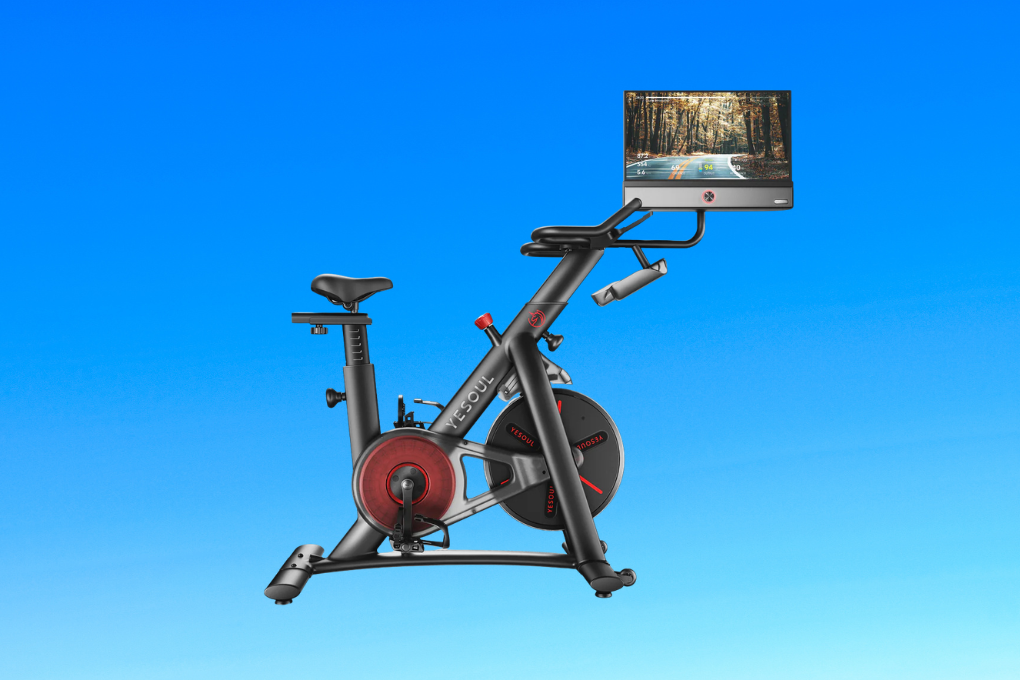


Training alone in a home gym offers flexibility, privacy, and efficiency. It removes commute time and gives you full control over your environment. However, it also removes something powerful that many people rely on without realizing it: external accountability. No coach watching, no training partners pushing, and no social pressure to show up. That can make motivation harder to maintain over time.
Motivation is not just about willpower. It is shaped by psychology, biology, and environment. Research in behavioral science and exercise psychology shows that consistent training is driven by structured habits, clear goals, emotional reward, and identity. The good news is that all of these can be built intentionally, even when you train alone.
This article breaks down five evidence based strategies to help you stay motivated and consistent in your home gym training.
Why Motivation Drops When You Train Alone
Before diving into solutions, it is useful to understand the problem. Humans are social by nature. Training in a group or public setting creates external cues that reinforce behavior. These include social facilitation, where performance improves in the presence of others, and accountability, where people feel more committed when someone else is involved.

When you remove those elements, you rely more on internal motivation. That is harder to sustain because:
- There are fewer cues to trigger action
- There is no immediate social reward
- It is easier to skip sessions without consequence
- Progress feedback can feel less visible
Research shows that adherence to exercise programs is significantly higher when social support and structured environments are present. That does not mean home training is inferior. It just means you need to deliberately replace those missing elements.
Tip 1: Build a Clear and Measurable Goal System
Why Goals Drive Motivation
One of the strongest predictors of long term adherence to exercise is goal clarity. When people know exactly what they are working toward, they are more likely to stay consistent.
Goal setting works because it provides direction, feedback, and a sense of purpose. It also activates reward pathways in the brain when progress is made. Dopamine, a neurotransmitter associated with motivation and reward, increases when people anticipate and achieve meaningful goals.
How to Set Effective Training Goals
Vague goals like “get fitter” or “build muscle” are not enough. They lack structure and measurable progress. Instead, use a layered goal system:
Outcome Goals
These are long term results you want to achieve.
- Increase squat by 20 percent
- Lose 10 pounds of fat
- Complete 10 pull ups
Performance Goals
These track improvements in training.
- Add 5 pounds to lifts each week
- Increase total training volume
- Improve time under tension
Process Goals
These define daily or weekly behaviors.
- Train four times per week
- Hit protein target daily
- Sleep at least seven hours per night
Research shows that combining outcome, performance, and process goals leads to higher adherence than focusing on outcomes alone. Process goals are especially important in a home gym because they create consistency regardless of mood.
Make Progress Visible
Tracking progress is critical. Studies show that self monitoring significantly improves adherence to exercise programs.

Use a simple system:
- Log every workout
- Track weights, reps, and sets
- Record body measurements or performance tests weekly
When you see progress on paper, motivation becomes less emotional and more data driven.
Tip 2: Create a Structured Routine and Environment
The Power of Habit Formation
Motivation is unreliable. Habits are not. Habit formation research shows that behaviors become automatic when repeated in a consistent context. Over time, the brain associates specific cues with actions, reducing the need for conscious effort.
Training at home can either help or hurt this process. Without structure, it becomes easy to delay or skip workouts. With structure, it becomes automatic.
Build a Consistent Training Schedule
Choose specific days and times for training. Treat them like appointments.
For example:
- Monday, Wednesday, Friday at 6 pm
- Saturday morning at 9 am
Consistency matters more than perfection. Research suggests that performing a behavior at the same time and place increases habit strength.
Design Your Environment for Success
Your home gym setup should reduce friction and increase readiness.
Practical strategies include:
- Keep equipment visible and ready to use
- Wear training clothes before the session starts
- Remove distractions like phones or television
- Prepare your workout plan in advance
Environmental cues play a major role in behavior. When your space signals “it is time to train,” you rely less on motivation.
Use Implementation Intentions
Implementation intentions are simple “if then” plans that link a situation to an action.
Examples:
- If it is 6 pm, then I start my workout
- If I feel tired, then I begin with a five minute warm up
Research shows that implementation intentions significantly increase the likelihood of following through on planned behaviors.
Tip 3: Use Progression and Variation to Stay Engaged
Why Boredom Kills Motivation
Monotony is one of the most common reasons people lose motivation. When workouts feel repetitive and progress stalls, engagement drops. The brain responds strongly to novelty and challenge. Introducing variation while maintaining progression keeps training both effective and interesting.
Apply Progressive Overload
Progressive overload is the foundation of strength and muscle development. It also supports motivation because it provides clear signs of improvement.
Ways to apply it:
- Increase weight gradually
- Add repetitions or sets
- Improve technique and control
- Reduce rest time strategically
Seeing consistent improvement reinforces effort and builds confidence.
Introduce Structured Variation
Variation should not be random. It should be planned and purposeful.
Examples:
- Rotate exercises every four to six weeks
- Change rep ranges across training phases
- Use different training methods such as tempo work or pauses
Research shows that periodized training programs lead to better strength and performance outcomes compared to non structured approaches.
Set Short Term Challenges
Short term challenges create urgency and focus.
Examples:
- Complete 100 push ups per day for a week
- Improve plank hold time over two weeks
- Add 10 pounds to a lift within a month
These challenges provide quick wins, which boost motivation through frequent success experiences.
Tip 4: Leverage Psychology and Reward Systems

Intrinsic vs Extrinsic Motivation
Motivation can come from internal or external sources. Intrinsic motivation is driven by enjoyment, mastery, and personal satisfaction. Extrinsic motivation comes from rewards, recognition, or outcomes.
Research shows that intrinsic motivation is more sustainable over time. However, combining both can be effective.
Make Training Enjoyable
Enjoyment is a key predictor of exercise adherence.
Ways to increase enjoyment:
- Choose exercises you like
- Listen to music that energizes you
- Train at times when you feel most alert
Positive emotional experiences during training increase the likelihood of repeating the behavior.
Use Reward Systems
Rewards reinforce behavior by creating positive associations.
Simple reward strategies:
- Allow yourself a favorite meal after a consistent week
- Track streaks and celebrate milestones
- Buy new equipment after reaching a goal
Behavioral psychology shows that consistent rewards strengthen habit formation, especially in the early stages.
Build a Training Identity
Identity based motivation is powerful. When people see themselves as “someone who trains,” they are more likely to act accordingly.
To build this identity:
- Be consistent with your schedule
- Track your progress
- Talk about your training as part of who you are
Research suggests that identity based habits are more durable than outcome based motivation.
Tip 5: Create Accountability Without a Gym
Why Accountability Matters
Accountability increases commitment. When someone else is aware of your goals, you are more likely to follow through. Even in a home gym, you can create accountability systems.
Use Social Accountability
Options include:
- Share your goals with a friend
- Join online fitness communities
- Post training updates or progress logs
Studies show that social support significantly improves exercise adherence and consistency.
Train With Virtual Partners
Technology makes it easier to train with others remotely.
- Follow structured programs with coaching apps
- Join live or recorded workout sessions
- Compete in online challenges
These methods recreate some of the social dynamics of a gym environment.
Hire a Coach or Follow a Program
Structured programs provide external guidance and accountability.
Benefits include:
- Clear progression plans
- Reduced decision fatigue
- Regular feedback
Research shows that supervised or guided training often leads to better results and higher adherence than self directed training.
Use Commitment Devices
Commitment devices are strategies that make it harder to skip workouts.
Examples:
- Schedule sessions in a calendar with reminders
- Set penalties for missed workouts
- Pre pay for coaching or programs
These create consequences that reinforce consistency.
Bringing It All Together
Training alone in a home gym requires a shift in how you think about motivation. Instead of relying on mood or inspiration, you build systems that make training automatic, rewarding, and meaningful.
The most effective approach combines:
- Clear goals that guide your efforts
- Structured routines that reduce decision making
- Progressive training that shows results
- Psychological strategies that reinforce behavior
- Accountability systems that keep you consistent
Motivation is not something you wait for. It is something you build through action and structure.
When these elements are in place, training alone becomes not just sustainable, but highly effective.
References
- Deci, E.L. and Ryan, R.M. (2000). The “what” and “why” of goal pursuits. Psychological Inquiry, 11(4), pp.227 to 268.
- Gardner, B. and Lally, P. (2018). Modelling habit formation and its determinants. Psychology of Sport and Exercise, 39, pp.103 to 113.
- Gollwitzer, P.M. (1999). Implementation intentions. American Psychologist, 54(7), pp.493 to 503.
- Hagger, M.S. and Chatzisarantis, N.L.D. (2007). Intrinsic motivation and self determination in exercise. Human Kinetics.
- Kaushal, N. and Rhodes, R.E. (2015). Exercise habit formation. Health Psychology Review, 9(3), pp.277 to 291.
- Kraemer, W.J. and Ratamess, N.A. (2004). Fundamentals of resistance training. Medicine and Science in Sports and Exercise, 36(4), pp.674 to 688.
- Locke, E.A. and Latham, G.P. (2002). Building a practically useful theory of goal setting. American Psychologist, 57(9), pp.705 to 717.
- McAuley, E. and Blissmer, B. (2000). Self efficacy and exercise adherence. Exercise and Sport Sciences Reviews, 28(2), pp.85 to 88.
- Rhodes, R.E. and Kates, A. (2015). Can the affective response to exercise predict future motivation. Health Psychology Review, 9(3), pp.331 to 348.
- Schoenfeld, B.J. (2010). The mechanisms of muscle hypertrophy. Journal of Strength and Conditioning Research, 24(10), pp.2857 to 2872.
- Sniehotta, F.F., Schwarzer, R., Scholz, U. and Schuz, B. (2005). Action planning and coping planning for long term lifestyle change. Health Psychology, 24(4), pp.364 to 372.