

Building strong, well-defined shoulders is not only crucial for an aesthetically pleasing physique but also plays a significant role in overall functional strength and stability.
The shoulders are involved in nearly every upper body movement, from lifting and pushing to pulling and throwing.


Enhancing shoulder strength can improve performance in sports, daily activities, and resistance training while also contributing to a more balanced and proportionate body shape.
Understanding Shoulder Anatomy
The shoulder is one of the most complex joints in the body, providing a wide range of motion that is unmatched by any other joint. This flexibility, however, also makes it one of the most vulnerable to injury, which underscores the importance of building strong and resilient shoulders.
The primary muscles of the shoulder are the deltoids, a thick, triangular muscle cap that covers the shoulder joint. The deltoids are divided into three distinct sections or heads:
Anterior Deltoid (Front): This front portion is responsible for movements that involve raising the arm to the front and pressing overhead.
Lateral Deltoid (Middle): The middle section aids in lifting the arm to the side, playing a critical role in arm abduction.
Posterior Deltoid (Rear): This rear part controls the movement of the arm backward and is crucial for activities that require pulling and rowing.
Each part of the deltoid muscle contributes to the rounded shape of the shoulder and needs specific exercises to be effectively targeted.
Developing each section of the deltoid not only enhances the shoulder’s appearance, giving it a broad and well-defined look, but also ensures a balanced strength that can help prevent injuries and improve overall shoulder function. In the following sections, we’ll explore various strategies to effectively build and sculpt these key areas of the shoulder.
1. Diversify Your Exercise Routine
Building bigger and stronger shoulders requires a varied approach that includes different types of exercises to target the entire shoulder from various angles. This diversity in training not only promotes more balanced growth but also helps mitigate the risk of overuse injuries.
Compound Movements
Compound exercises involve multiple joints and muscle groups working together. When it comes to shoulder training, exercises like overhead presses and upright rows are foundational.
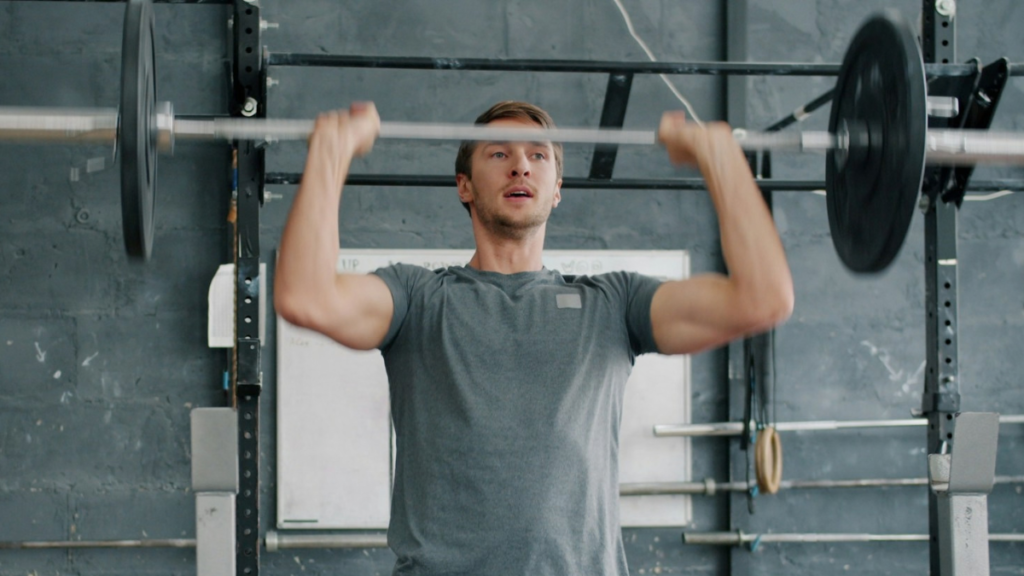
Overhead Presses: This movement primarily targets the anterior and lateral deltoids but also engages the triceps and upper chest. To perform correctly, stand with feet shoulder-width apart, grip the barbell at about shoulder width, and press the weight overhead in a controlled motion while keeping your core engaged. Avoid locking your elbows at the top and control the bar back down to the starting position.
Upright Rows: These are excellent for working the anterior and lateral deltoids as well as the trapezius muscles in the upper back. Grip a barbell or dumbbells with an overhand grip and pull the weight vertically up to chest level, leading with your elbows. Keep the bar close to your body and lower it slowly after a short pause.
Tips for Maximizing Gains and Preventing Injury:
Isolation exercises focus on one particular muscle group at a time, which is crucial for addressing weaker areas and promoting symmetrical muscle development.
- Lateral Raises: Perfect for targeting the lateral deltoid. Stand or sit with dumbbells at your sides, palms facing inwards. Raise the dumbbells out to your sides with a slight bend in your elbows, stopping at shoulder height before lowering them back down.
- Front Raises: To isolate the anterior deltoids, use a similar starting position as lateral raises but lift the weights in front of you, keeping your arms slightly bent.
- Reverse Flyes: These focus on the posterior deltoids. Bend forward at the waist with dumbbells in hand, palms facing each other. With a slight bend in the elbows, lift the arms to the side until they are parallel with the floor, emphasizing the rear shoulder.
Progressive Overload
Progressive overload is the gradual increase of stress placed upon the body during exercise training. It’s essential for muscle growth and strength improvements.
Increasing Weights: As you grow stronger, incrementally increasing the weight you lift is crucial.
Increasing Repetitions: If increasing weight is not possible, increasing the number of repetitions can also be effective.
Decreasing Rest Times: Reducing the rest period between sets can intensify the workout and lead to muscle growth.
Practical Application: Incorporate a mix of increased weights, reps, and decreased rest times over your training weeks, ensuring that you continually challenge your muscles while allowing adequate recovery to prevent fatigue and injury. This approach will help you achieve stronger, larger shoulders over time.
2. Incorporate Shoulder-Specific Training Techniques
To break through plateaus and stimulate further growth in your shoulder muscles, incorporating specialized training techniques can be highly effective.
Techniques such as drop sets, supersets, and eccentric training can add intensity and variety to your workouts, leading to enhanced muscle development and endurance.
Drop Sets
Drop sets are a technique where you perform an exercise until failure, then reduce the weight and continue to perform more repetitions until failure is reached again. This method helps in achieving deeper muscle fatigue and increased muscle hypertrophy.
Step-by-Step Guide to Incorporating Drop Sets into a Shoulder Routine:
- Select an Exercise: Begin with a shoulder exercise you are comfortable with, such as dumbbell lateral raises.
- Perform to Failure: Execute the exercise with a weight that allows you to perform 8-12 reps until you can’t perform another rep in good form.
- Reduce Weight: Immediately reduce the weight by 20-30% and continue to perform additional reps until failure.
- Repeat: Optionally, reduce the weight a second time and repeat until failure for even deeper muscle exhaustion.
Drop sets are particularly useful at the end of your shoulder workout to ensure you’ve fully depleted the muscle’s energy reserves.
Supersets
Supersets involve performing two exercises back-to-back with no rest in between. This approach can increase the intensity of your workout and maximize muscle growth by combining exercises that target different muscle groups.
Examples of Effective Shoulder Supersets:
Anterior and Posterior Deltoid Superset: Pair front raises (anterior deltoid) with face pulls (posterior deltoid). This combination helps balance the development of the front and back of the shoulder.
Lateral Deltoid and Overall Shoulder Superset: Combine lateral raises with overhead presses. This allows for focused work on the lateral deltoids followed by a compound movement that engages the entire deltoid region.
Eccentric Training
Eccentric training focuses on slowing down the elongation of the muscle under tension, creating more microtears within the muscle fibers, which in turn leads to greater muscle growth during recovery.
Exercises and Techniques to Emphasize the Eccentric Phase in Shoulder Workouts:
Overhead Press Eccentrics: After reaching the top of an overhead press, slowly lower the barbell or dumbbells over a count of 3 to 5 seconds.
Eccentric Lateral Raises: Lift the weights to the side normally, then very slowly lower them back to your sides to increase the time under tension.
Implementing these techniques will ensure that the eccentric phase is maximized, which is critical for muscle growth. This can be particularly beneficial for breaking through growth plateaus and increasing strength in the shoulders.
Make sure to integrate these advanced techniques carefully and gradually to avoid overtraining and ensure optimal recovery.
3. Optimize Recovery and Nutrition
Building bigger shoulders is not just about what happens in the gym; recovery and nutrition play equally crucial roles.
Proper rest, a well-balanced diet, and lifestyle adjustments are essential to fuel muscle growth and ensure that your body has the resources to repair and strengthen your muscles.

Adequate Rest
Rest days are vital for muscle recovery and growth. When you work out, you create small tears in your muscle fibers, which then need time to repair. This repair process is when your muscles grow stronger and bigger.
Optimal Rest Schedule for Intense Shoulder Workouts:
- Frequency of Workouts: Limit intense shoulder workouts to 2-3 times per week to allow sufficient recovery time between sessions.
- Active Recovery: Incorporate light activities on rest days, such as stretching or yoga, to promote circulation and help speed up the recovery process.
- Rest days should be a non-negotiable part of your training program to prevent overtraining and injuries, which can set back your progress.
Nutrition
The right nutrition supports muscle recovery and growth. Your muscles need fuel not only to perform but also to repair and grow after your workouts.
Key Nutritional Requirements:
- Protein: Essential for muscle repair and growth. Aim for at least 1.6 to 2.2 grams of protein per kilogram of body weight per day. Protein should be distributed evenly throughout the day across all meals.
- Caloric Surplus: To build muscle, you need to consume more calories than you burn. An excess of 250 to 500 calories per day is sufficient for most people to support muscle growth without adding excessive body fat.
- Balanced Diet: Include a mix of carbohydrates for energy, fats for hormone production and health, and a variety of vitamins and minerals to support overall bodily functions.
Recommended Foods and Supplements:
Foods: Lean meats, fish, dairy products, legumes, and eggs are excellent protein sources. Whole grains and fruits provide necessary carbohydrates, while nuts, seeds, and avocados offer healthy fats.
Supplements: Consider protein powders, creatine, and branched-chain amino acids (BCAAs) to support your muscle growth and recovery needs.
Lifestyle Adjustments
Beyond diet and rest, other lifestyle factors can significantly impact muscle development and overall health.
- Hydration: Staying hydrated is crucial as dehydration can lead to reduced performance and slower recovery. Aim for at least 3 liters of water per day, more if you are active.
- Sleep: Quality sleep is critical. Aim for 7-9 hours per night to allow your body to properly recover and produce growth hormone naturally.
- Stress Management: High stress levels can inhibit recovery and growth. Incorporate stress-reducing activities like meditation, deep breathing exercises, or leisure activities that you enjoy.
Incorporating these strategies into your routine will help you not only build stronger, bigger shoulders but also enhance your overall health and fitness levels.
Conclusion
Building bigger shoulders requires a multifaceted approach, combining varied exercise routines, advanced training techniques, and optimal recovery and nutrition strategies. Here’s a brief recap of the key strategies discussed:
- Diversify Your Exercise Routine: Incorporate a mix of compound movements and isolation exercises to target all parts of the deltoids. Employ progressive overload to continuously challenge your muscles.
- Incorporate Shoulder-Specific Training Techniques: Utilize drop sets, supersets, and eccentric training to increase intensity and efficiency in your workouts, fostering greater muscle growth and endurance.
- Optimize Recovery and Nutrition: Ensure adequate rest, consume a balanced diet rich in protein and maintain a caloric surplus to support muscle growth. Stay hydrated, get plenty of sleep, and manage stress to enhance overall recovery and muscle development.
Building muscle is a journey that requires consistency, patience, and dedication. It’s important to understand that muscle growth is a gradual process and results will not appear overnight. Stay committed to your training, consistently apply the strategies outlined, and adjust as needed based on your progress and specific body responses.
Now is the perfect time to start implementing these strategies into your fitness routine. Whether you’re looking to enhance your physique, boost your performance, or simply improve your overall health, these techniques will help you achieve your goals. Remember, the key to success is persistence and continual improvement.
References and Further Reading
To further enhance your knowledge and fine-tune your approach, consider exploring the following resources:
Books: “Strength Training Anatomy” by Frederic Delavier offers detailed illustrations of various exercises and the muscles they target.
Websites: Examine.com provides evidence-based information on supplements and nutrition, while Bodybuilding.com offers a vast array of workout plans and instructional videos.
YouTube Channels: Athlean-X, Jeremy Ethier, Jeff Nippard and Renaissance Periodization are excellent for in-depth tutorials on exercises and training tips.
Utilize these resources to expand your understanding and refine your training and nutritional plans. With the right knowledge and a commitment to applying it, you’ll be well on your way to achieving the strong, sculpted shoulders you desire.