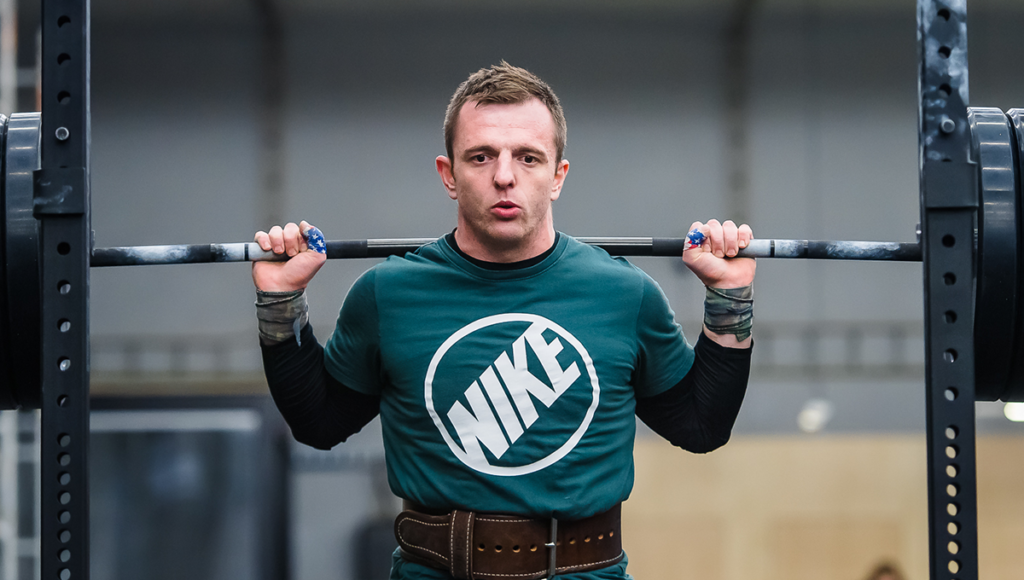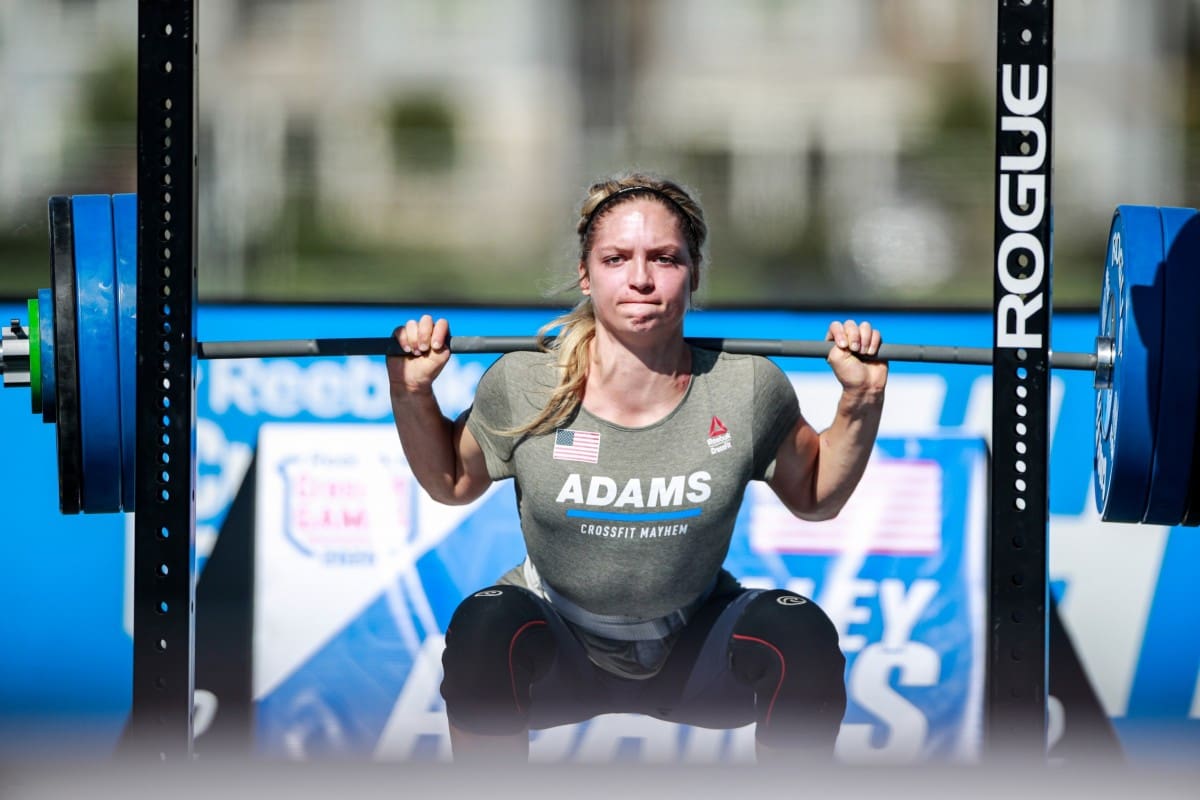


Let’s turn our attention to the Kang squat—an advanced variation that takes traditional squats to the next level.
Squats are the cornerstone of lower body strength training, revered for their ability to target multiple muscle groups simultaneously.


From classic back squats to front squats and goblet squats, the variations are endless, each offering unique benefits and challenges. But amidst this diverse landscape of squat variations, one exercise stands out for its unparalleled ability to enhance strength, stability, and coordination: the Kang squat.
Understanding the Squat: Foundation of Lower Body Strength
Before we delve into the intricacies of Kang Squats, let’s first explore the foundational importance of squats in strength training. Squats are compound movements that primarily target the quadriceps, hamstrings, glutes, and core muscles. They also engage stabilizing muscles in the hips, lower back, and ankles, making them a comprehensive exercise for building lower body strength and stability.
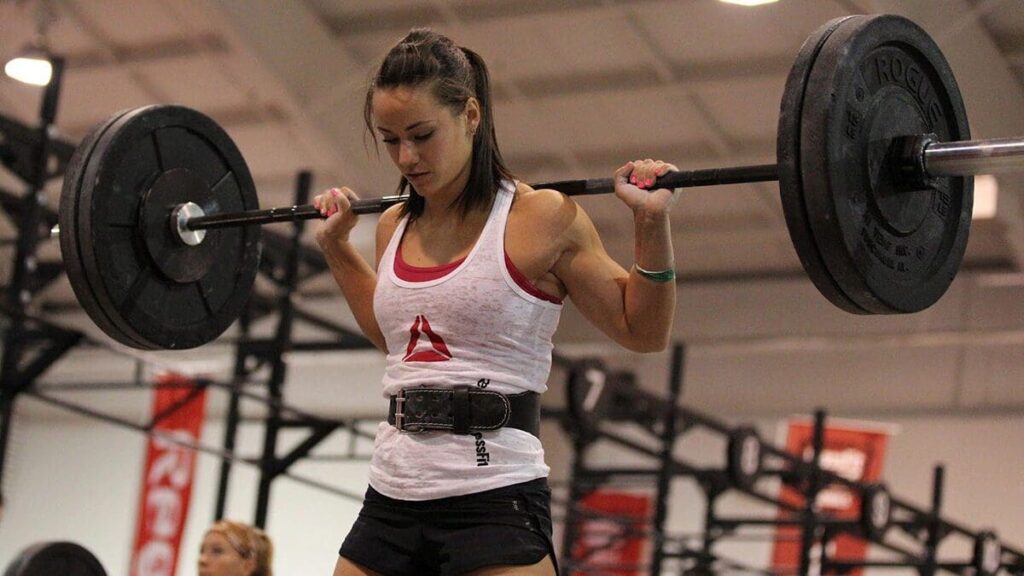
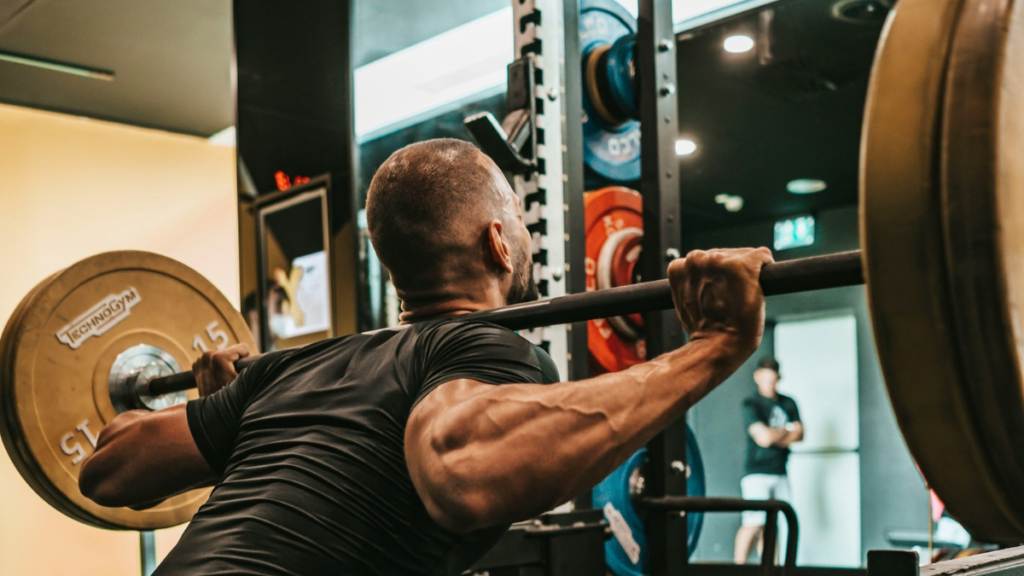
Variations of squats abound, each offering its own set of challenges and benefits. Back squats, performed with a barbell resting on the upper back, emphasize quadriceps and glute activation while also challenging core stability. Front squats, with the barbell positioned across the front of the shoulders, place greater emphasis on the quadriceps and upper back muscles.
Goblet squats, performed with a kettlebell or dumbbell held at chest level, target similar muscle groups while also improving mobility and flexibility.
However, one lesser-known variation that deserves a closer look is the Kang Squat—a hybrid exercise that combines elements of the good morning and back squat.
Understanding the Kang Squat
Named after South Korean weightlifting coach Shin-Ho Kang, the Kang Squat is considered an assistance exercise designed to optimize performance in other lifts.
This unique squat variation requires the use of a barbell and offers a comprehensive workout for various muscle groups.
Performing the Kang Squat
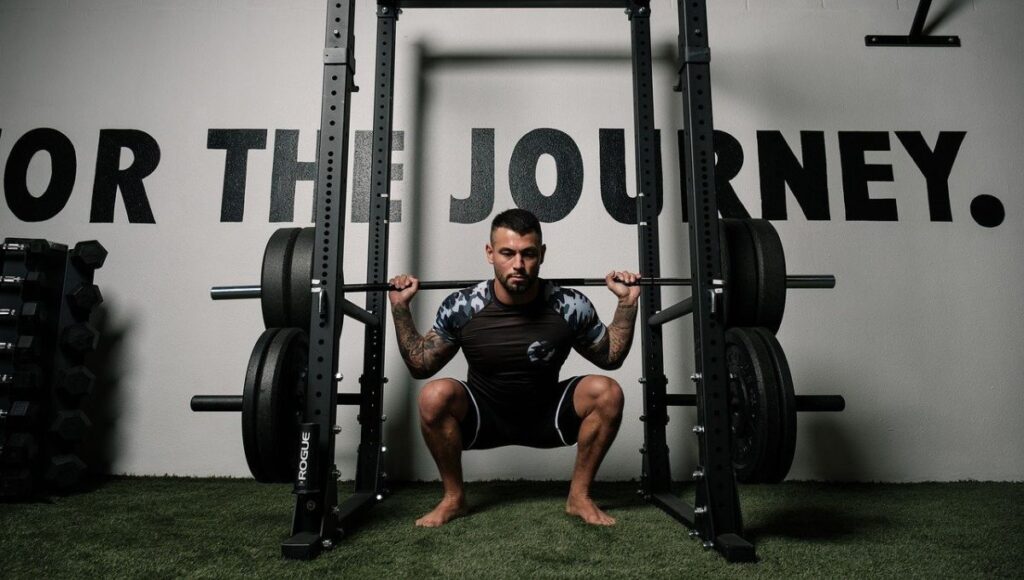
Step 1: Position the barbell on the back of your shoulders and grip it from the sides. Initiate the movement as if you were performing a good morning, with your feet shoulder-width apart and your core engaged.
Step 2: Keeping your back straight, hinge at the hips to lower your torso forward until it is parallel to the ground. This movement mimics the good morning portion of the exercise.
Step 3: While maintaining a neutral spine, gradually lower your hips until your thighs are parallel to the ground. This is where the back squat component comes into play, targeting your quadriceps, hamstrings, and glutes.
Step 4: Extend your knees and lift your hips until your torso is parallel to the ground, returning to the starting position of the good morning. Focus on driving through your heels and engaging your core throughout the movement.
Benefits of Kang Squats: Targeting Muscles from Head to Toe
Kang squats offer a myriad of benefits for different parts of the body, making them a valuable addition to any strength training routine. Here are some key benefits:
1. Lower Body Strength: Kang squats target the quadriceps, hamstrings, and glutes with unparalleled intensity, helping to develop explosive power and muscle mass in the lower body.
2. Core Stability: The need to stabilize the weight during the eccentric phase of the lift engages the core muscles, including the abdominals, obliques, and lower back, promoting greater core strength and stability.
3. Improved Mobility: The Kang Squat mimics natural movement patterns like bending and lifting, making it a valuable exercise for enhancing functional strength and mobility. It improves your ability to perform everyday tasks with ease and efficiency.
4. Full Body Engagement: Kang squats engage multiple muscle groups simultaneously, including the shoulders, upper back, and forearms, resulting in a comprehensive full-body workout.
Incorporating Kang squats into your strength training routine can take your fitness to new heights, unlocking levels of strength, stability, and control that were previously unattainable. However, it’s essential to approach this exercise with caution, starting with lighter weights and focusing on proper form and technique to prevent injury.
With dedication and perseverance, Kang squats have the potential to transform your physique and elevate your performance to elite levels.
Learn More
300 Squats Every Day for 30 Days – What Happens to your Body?