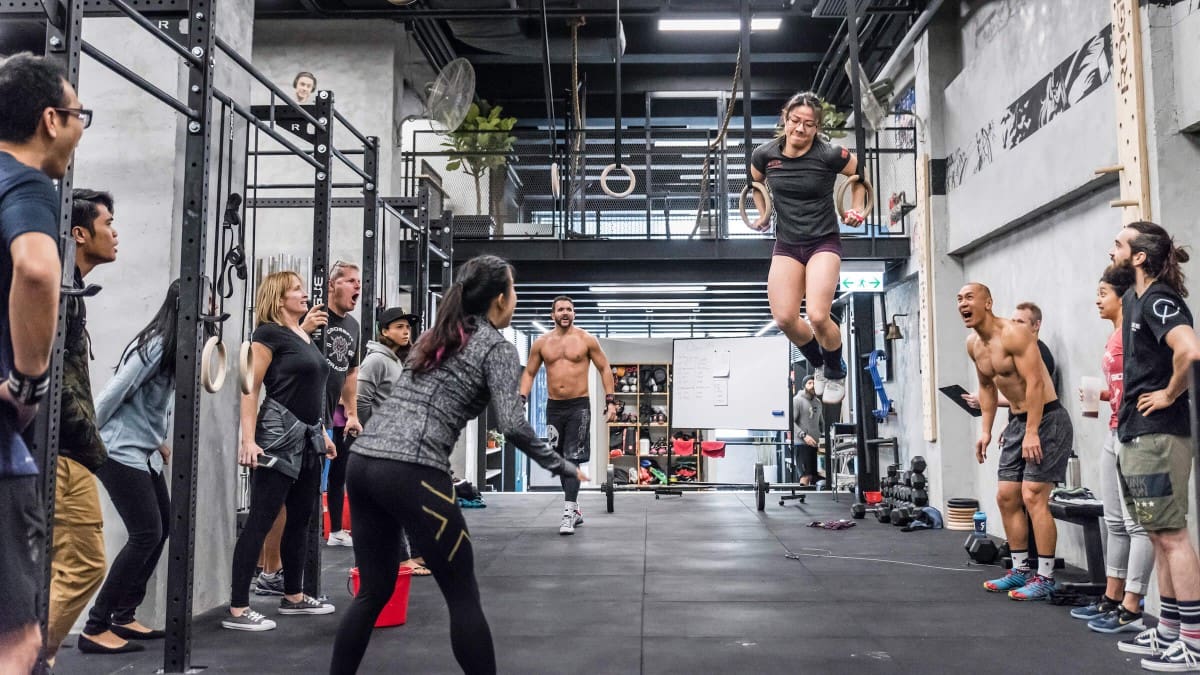


True training is about applying the kind of stress your body can adapt to and recover from, then repeating the cycle until you become stronger and faster over time.
Fatigue is part of the process, but it shouldn’t be your goal! The right training stimulus triggers a change in your body at the muscular, cardiovascular, and neurological levels. The proper adaptations only occur if your body actually gets the chance to rebuild. When stress is layered onto it too frequently, or without the right structure in place, fatigue can start to mask your fitness rather than improving it.
The challenge is learning to separate productive training from constant exhaustion. Progress leaves clues, and so does poor recovery. Understanding how fatigue accumulates and why performance can stall allows you to adjust before small issues become major setbacks.
For fitness results to last, training sessions must build long-term capacity, not simply add more strain to an already fatigued body.
How Training Builds Fitness
Fitness increases when you start training specific abilities with a clear intention. Strength grows when your muscles are challenged with the right amount of resistance and then are gradually asked to handle more. This is what leads to heavier lifts, steadier joints, and better control under load.

Your endurance will improve when you spend time working out with an elevated heart rate. Regular aerobic training helps your heart and lungs deliver oxygen to your muscles more efficiently, which means you can maintain a concerted effort for longer and recover faster between challenging intervals.
Mobility and flexibility affect how well you move through core positions. If you can reach a deep squat or stable overhead press without overstraining, your lifts become more efficient and consistent. Balance and coordination sharpen how your body organises movement, helping you stay in control even as your sessions become more demanding.
When these qualities improve together, you start to feel more capable rather than simply more worn out. Progress is supposed to show up in stronger lifts, steadier pacing, and cleaner movement, and these should be your goals.
When Fatigue Becomes Counterproductive
Fatigue is a normal part of training, but be aware that it doesn’t necessarily mean you’re progressing as you should. In the short term, hard sessions can temporarily lower your performance. However, with enough recovery, your body rebounds and returns stronger. That temporary dip is expected and should be planned for.
Problems begin when physical stress keeps stacking up without enough recovery time to balance it out. Your performance will stop improving and eventually begin to decline.
You might feel heavier than usual during your warm-up, struggle with loads that previously felt manageable, or notice that your motivation is slowly fading. Plus, your sleep patterns can become disrupted, minor illnesses may occur more often, and your training sessions will start feeling harder for no clear reason.
This is the point where training fatigue stops helping and starts holding you back.
Instead of triggering physical adaptation, your body’s stress response remains elevated, interfering with your progress. Your hormonal balance, nervous system function, and immune response can all be affected when recovery is consistently insufficient.
At this point, pushing harder won’t solve the issue. Adjusting volume, intensity, and recovery is what you need to do to restore your forward progress.
What the Science Says
The vital steroid hormone cortisol is what helps control how your body responds to the physical stress you’re putting it through when you train. It regulates how you use energy and additionally plays a role in controlling inflammation. In a balanced system, cortisol rises during exertion and then falls back to normal once the demand has passed.
Research shows that when cortisol remains elevated for extended periods, immune cells can become less responsive to it. This reduced sensitivity may allow inflammation to persist rather than settle. Over time, that ongoing low-level inflammation can interfere with normal tissue repair and recovery.
How Recovery Drives Adaptation
Recovery is where training turns into progress.
The work you do in your training session creates stress, but the actual improvement happens afterwards. If your recovery time is too limited, the stress remains unresolved, and your body stays in a fatigued state rather than adapting to the new movements you’re putting it through.

Sleep plays a central role in the recovery process. Most adults need between 7 and 9 hours every night, and demanding training can increase that need. When your sleep is cut short or disrupted, your stress hormones stay elevated, carbohydrate stores aren’t restored efficiently, and muscle repair slows all the way down.
Proper recovery includes maintaining consistent sleep routines, managing your general life stress efficiently, and supporting your body with adequate fuel and optimal hydration every day of the week.
How to Spot if Your Training is Working Out or Wearing You Out?
When you’re training consistently, a certain level of fatigue is totally normal. A hard session can leave you feeling it the next day, and you may be a little stiff. That alone doesn’t mean you’re failing to adapt.
Progress tends to show up gradually, in how steady your pace feels, how controlled your lifts are, and how quickly you bounce back between sessions over extended periods of time.
A useful way to assess progress is to look at patterns over time rather than judge one workout in isolation. If demanding days still feel tough, but you return to your usual baseline within a couple of days, and your numbers slowly move upward, that means your training is productive.

However, if your fatigue keeps stacking up, your recovery never feels complete, and sessions that were manageable at one time start to feel unusually hard, it’s a different story. Lingering soreness, flat motivation, or a drop in performance can signal that stress is outweighing adaptation.
The Trick is to Take Your Time
Your fitness depends on how efficiently your body can repair itself after each workout. If your internal stress response isn’t properly resetting between training sessions, the rebuilding process slows down.
When the reset happens reliably, training moves you forward. When it doesn’t, strain accumulates faster than improvement does, and you’re not getting stronger; you’re just getting worn out.