

Strength training is one of the most powerful tools available for improving health, performance, and longevity. It is not just about building muscle or lifting heavier weights. It is about preserving function, preventing injury, and maintaining independence across the lifespan. Research consistently shows that strength training improves bone density, metabolic health, cardiovascular function, and cognitive performance. It also reduces the risk of chronic diseases and all cause mortality.
Yet not all exercises deliver equal long term value. Some movements have stood the test of time because they train the body in ways that directly transfer to real life. These are compound movements that recruit multiple muscle groups, challenge coordination, and build strength that matters beyond the gym.
This article focuses on five foundational strength movements that you should never stop doing. They are simple, effective, and supported by decades of scientific research. If your goal is to stay strong, mobile, and capable for life, these movements deserve a permanent place in your training.
Why Foundational Strength Movements Matter
Before diving into the exercises, it is important to understand why certain movements are more valuable than others.

Strength as a Predictor of Health and Longevity
Muscular strength is strongly associated with reduced mortality risk. Large population studies have shown that individuals with higher strength levels live longer and have lower rates of cardiovascular disease and cancer. Strength is not just a fitness metric. It is a biomarker of overall health.
Functional Movement Patterns
The human body evolved to perform basic movement patterns such as squatting, hinging, pushing, pulling, and carrying. Training these patterns improves coordination, joint stability, and neuromuscular efficiency. These adaptations translate directly into everyday tasks like lifting groceries, climbing stairs, or preventing a fall.
Muscle Mass and Metabolic Health
Skeletal muscle plays a critical role in glucose regulation and insulin sensitivity. Maintaining muscle mass helps prevent metabolic diseases such as type 2 diabetes. Resistance training increases muscle protein synthesis and helps counteract age related muscle loss, known as sarcopenia.
Bone Density and Injury Prevention
Weight bearing and resistance exercises stimulate bone remodeling and increase bone mineral density. This reduces the risk of fractures and osteoporosis, especially in older adults.
With these principles in mind, let’s explore the five essential movements.
1. The Squat
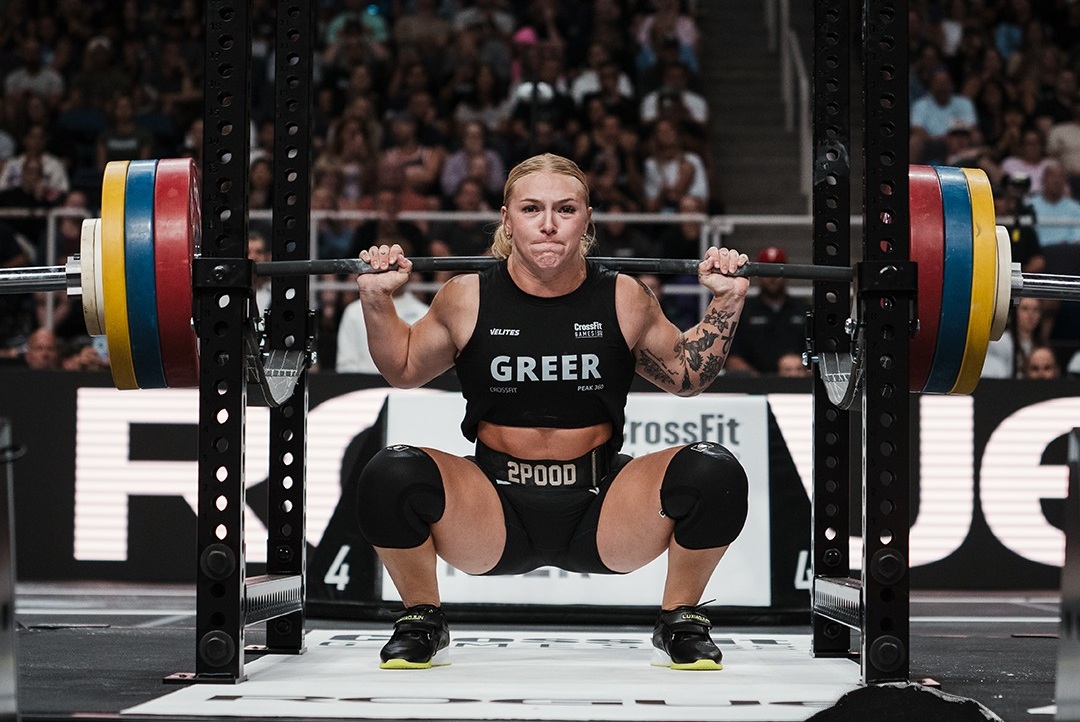
The squat is one of the most fundamental human movements. It trains the lower body, core, and even the upper back when performed with a load.
Why the Squat Matters
Squatting mimics everyday actions such as sitting down and standing up. It strengthens the quadriceps, hamstrings, glutes, and stabilizing muscles around the hips and knees. It also improves ankle mobility and core stability.
Research shows that squatting under load increases bone mineral density and enhances neuromuscular coordination. It also improves functional performance in both athletic and non athletic populations.
Variations to Use for Life
You do not need to perform only barbell back squats. The key is to maintain the movement pattern.
- Bodyweight squat for beginners or mobility work
- Goblet squat for controlled strength development
- Front squat for improved posture and core engagement
- Back squat for maximal strength

Key Technique Points
Keep your chest up and spine neutral
Push your knees out as you descend
Maintain full foot contact with the ground
Descend to a depth that maintains control and joint integrity
Lifelong Benefits
The ability to squat well is closely tied to independence in older age. Studies show that lower body strength is a key factor in reducing fall risk and maintaining mobility.
2. The Deadlift
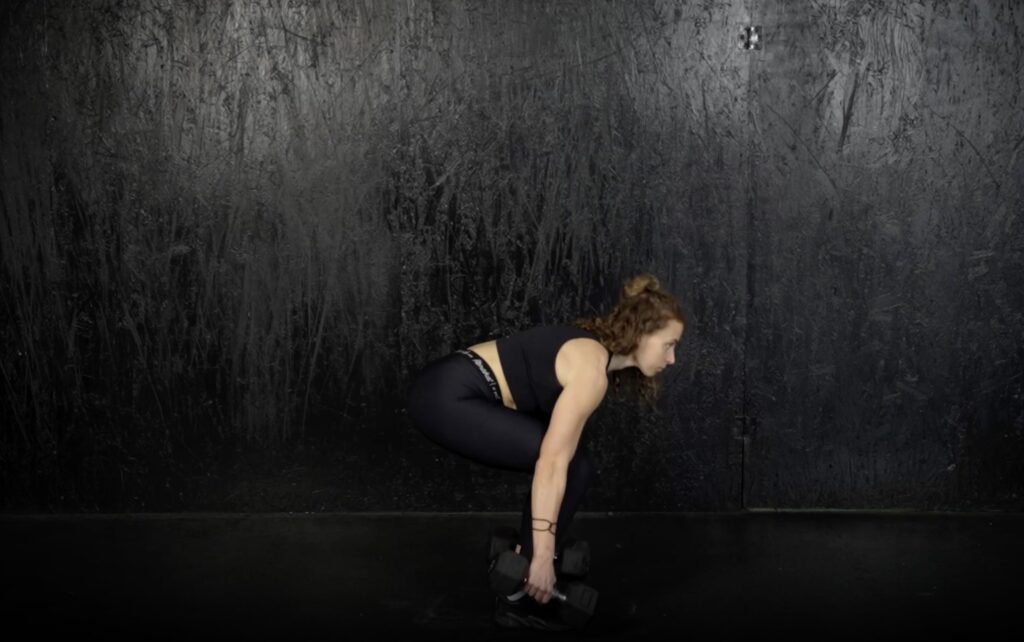
The deadlift is the ultimate expression of total body strength. It trains the posterior chain, which includes the glutes, hamstrings, and lower back.
Why the Deadlift Matters
The deadlift teaches you how to lift objects safely from the ground. This is a skill that carries over directly into daily life. Poor lifting mechanics are a major cause of lower back injuries. Learning to hinge properly can significantly reduce this risk.
Deadlifts also activate a large amount of muscle mass, leading to greater hormonal and metabolic responses compared to isolated exercises.
Variations to Use for Life
- Conventional deadlift for overall strength
- Romanian deadlift for hamstring development
- Trap bar deadlift for reduced spinal stress
- Kettlebell deadlift for beginners
Key Technique Points
- Keep the bar close to your body
- Maintain a neutral spine throughout the movement
- Drive through your heels
- Engage your core before lifting
Lifelong Benefits
Strong posterior chain muscles are essential for posture and spinal health. Research shows that resistance training targeting these muscles reduces lower back pain and improves functional capacity.
3. The Push Movement
Push movements train the muscles of the chest, shoulders, and triceps. They are essential for upper body strength and everyday tasks.
Why Push Strength Matters
Pushing movements are involved in activities such as getting up from the floor, pushing objects, or stabilizing yourself during a fall. They also contribute to shoulder stability and joint health.

Studies have shown that upper body strength is linked to reduced risk of disability and improved quality of life in aging populations.
Variations to Use for Life
- Push up for foundational strength
- Bench press for maximal strength development
- Dumbbell press for balanced muscle activation
- Overhead press for shoulder stability
Key Technique Points
- Keep your core tight to prevent excessive arching
- Control the lowering phase
- Maintain proper shoulder alignment
- Avoid flaring your elbows excessively
Lifelong Benefits
Maintaining pushing strength helps preserve independence. It allows you to perform basic tasks without assistance and reduces the risk of shoulder injuries.
4. The Pull Movement
Pulling movements balance pushing exercises and are critical for posture and upper body health.
Why Pull Strength Matters
Modern lifestyles often involve prolonged sitting and forward leaning postures. This can lead to muscle imbalances and shoulder dysfunction. Pulling exercises strengthen the upper back and improve posture.
Research shows that stronger back muscles are associated with reduced incidence of shoulder pain and improved functional movement patterns.

Variations to Use for Life
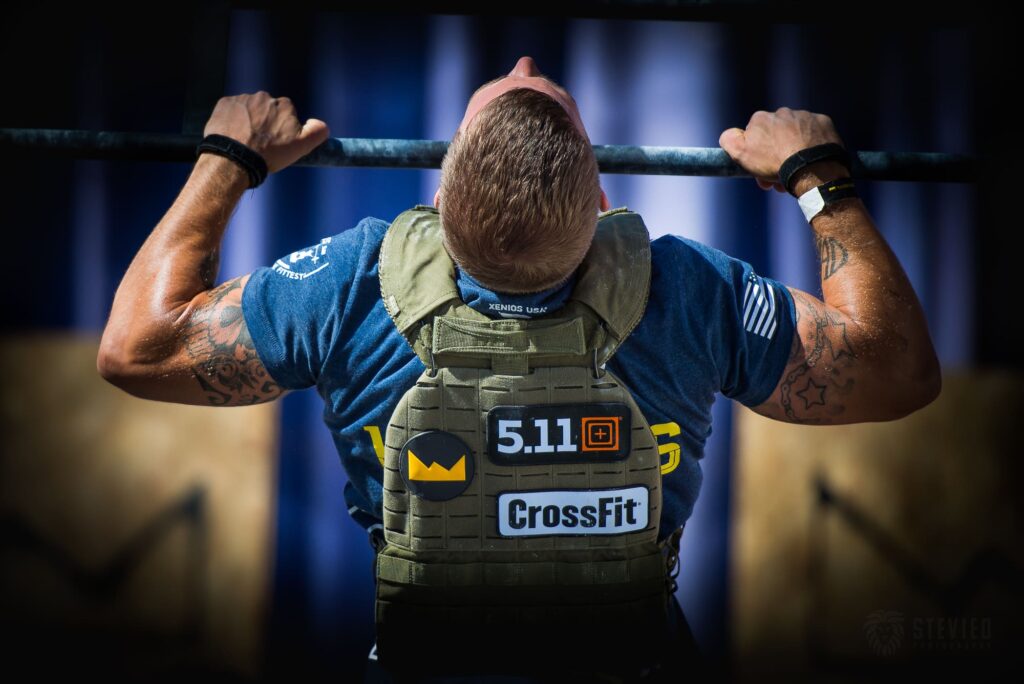
- Pull up for advanced strength
- Assisted pull up for progression
- Lat pulldown for accessibility
- Row variations for mid back development
Key Technique Points
Pull your shoulder blades down and back
Avoid using momentum
Keep your neck neutral
Focus on controlled movement
Lifelong Benefits
Strong pulling muscles help maintain posture and reduce the risk of chronic pain. They also improve overall upper body function.
5. The Carry
Carries are often overlooked, but they are one of the most practical strength movements.
Why Carries Matter
Carrying objects is a fundamental human activity. Whether it is groceries, luggage, or children, this movement is part of daily life. Carries train grip strength, core stability, and overall coordination.

Grip strength alone has been shown to be a strong predictor of mortality and overall health.
Variations to Use for Life
- Farmer’s carry for total body strength
- Suitcase carry for core stability
- Overhead carry for shoulder control
- Front rack carry for posture
Key Technique Points
- Stand tall with a neutral spine
- Engage your core
- Walk with controlled steps
- Avoid leaning excessively
Lifelong Benefits
Carries improve real world strength and resilience. They also enhance balance and coordination, which are critical for preventing falls.
How to Structure Your Training
Including these five movements in your routine does not require a complex program.
Frequency
Aim to train each movement pattern two to three times per week. This provides enough stimulus for strength development without excessive fatigue.
Volume and Intensity
Use moderate to heavy loads for strength development. Perform three to five sets of five to ten repetitions depending on your experience level.

Progression
Gradually increase the load or difficulty over time. This ensures continued adaptation and prevents plateaus.
Recovery
Allow adequate rest between sessions. Recovery is essential for muscle growth and injury prevention.
Common Mistakes to Avoid
Neglecting Technique
Poor form increases injury risk and reduces effectiveness. Focus on mastering movement patterns before increasing load.
Ignoring Balance
Training only pushing or only pulling can lead to imbalances. Include all movement patterns for optimal results.
Skipping Warm Ups
A proper warm up prepares your muscles and joints for training. It reduces injury risk and improves performance.
Overtraining
More is not always better. Excessive training can lead to fatigue and decreased performance.
The Science Behind Lifelong Strength Training
Decades of research support the importance of resistance training across all age groups.
Strength training increases muscle protein synthesis and slows age related muscle loss. It improves insulin sensitivity and reduces inflammation. It also enhances cognitive function by increasing blood flow to the brain.
Studies in older adults show that resistance training improves balance, mobility, and overall quality of life. It can even reverse some aspects of frailty.
Importantly, these benefits are not limited to athletes. Anyone can improve their health through consistent strength training.
Final Thoughts
The five movements covered in this article are not just exercises. They are foundations for a strong and capable life.
- The squat builds lower body strength and mobility
- The deadlift develops total body power and resilience
- Push movements enhance upper body strength and stability
- Pull movements improve posture and balance
- Carries develop real world strength and coordination
You do not need complicated routines or endless variation. Focus on these fundamentals, perform them consistently, and progress over time.
Strength is not just about performance in the gym. It is about maintaining the ability to live fully and independently for as long as possible.
References
• Bohannon, R.W. (2019). Grip strength: an indispensable biomarker for older adults. Clinical Interventions in Aging, 14, pp. 1681–1691.
• Delmonico, M.J. et al. (2009). Longitudinal study of muscle strength, quality, and adipose tissue infiltration. The American Journal of Clinical Nutrition, 90(6), pp. 1579–1585.
• Garber, C.E. et al. (2011). Quantity and quality of exercise for developing and maintaining fitness. Medicine and Science in Sports and Exercise, 43(7), pp. 1334–1359.
• Liu, C.J. and Latham, N.K. (2009). Progressive resistance strength training for improving physical function in older adults. Cochrane Database of Systematic Reviews, 3, pp. 1–192.
• Peterson, M.D. et al. (2010). Muscular strength and mortality risk. Medicine and Science in Sports and Exercise, 42(5), pp. 898–904.
• Schoenfeld, B.J. (2010). The mechanisms of muscle hypertrophy. Journal of Strength and Conditioning Research, 24(10), pp. 2857–2872.
• Westcott, W.L. (2012). Resistance training is medicine. Current Sports Medicine Reports, 11(4), pp. 209–216.