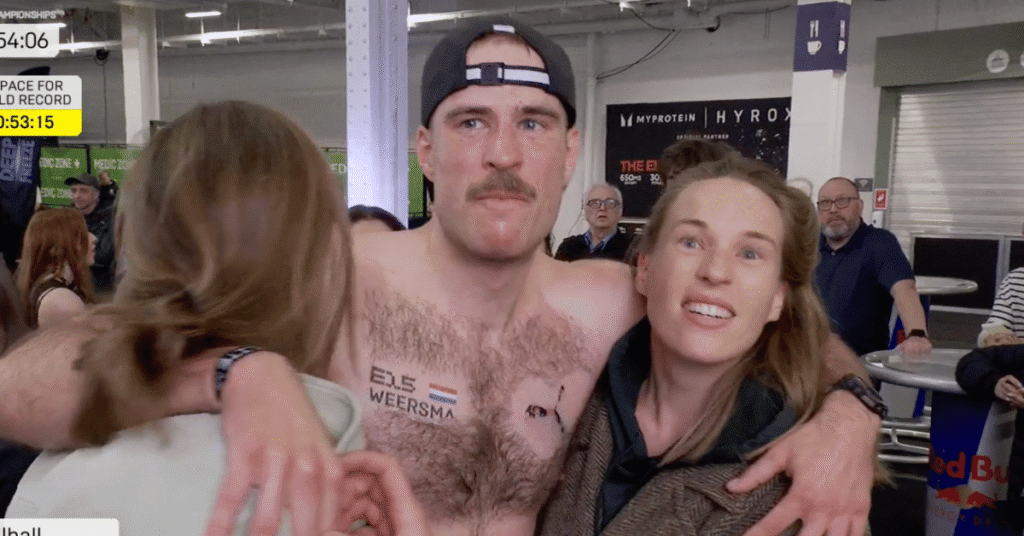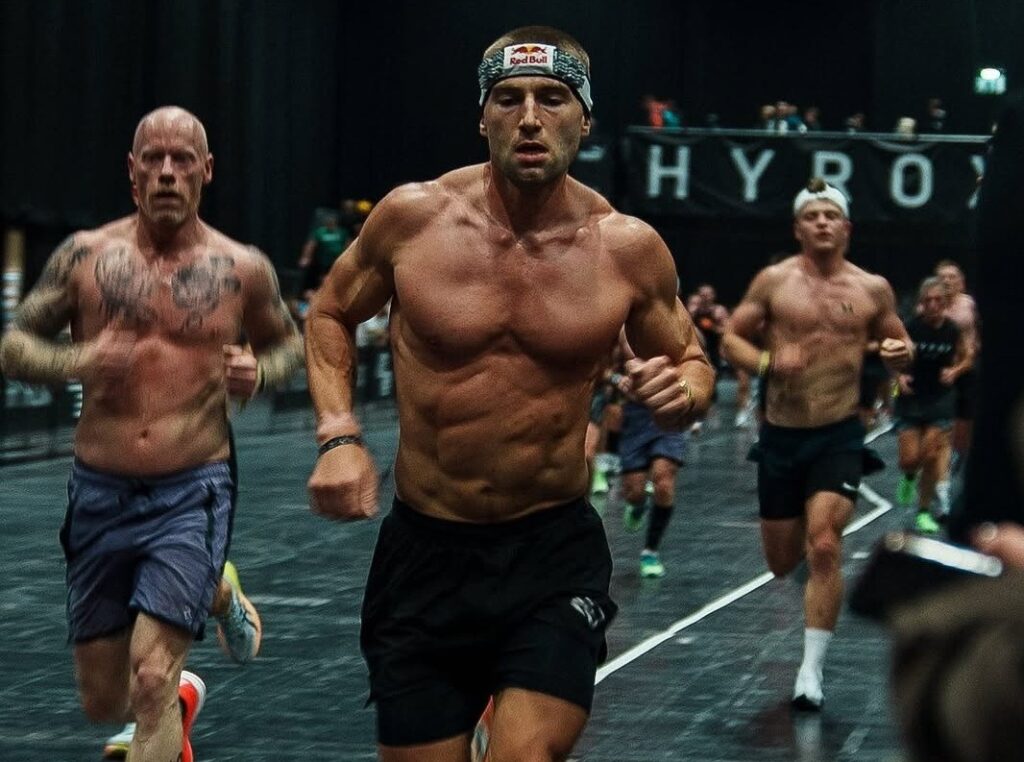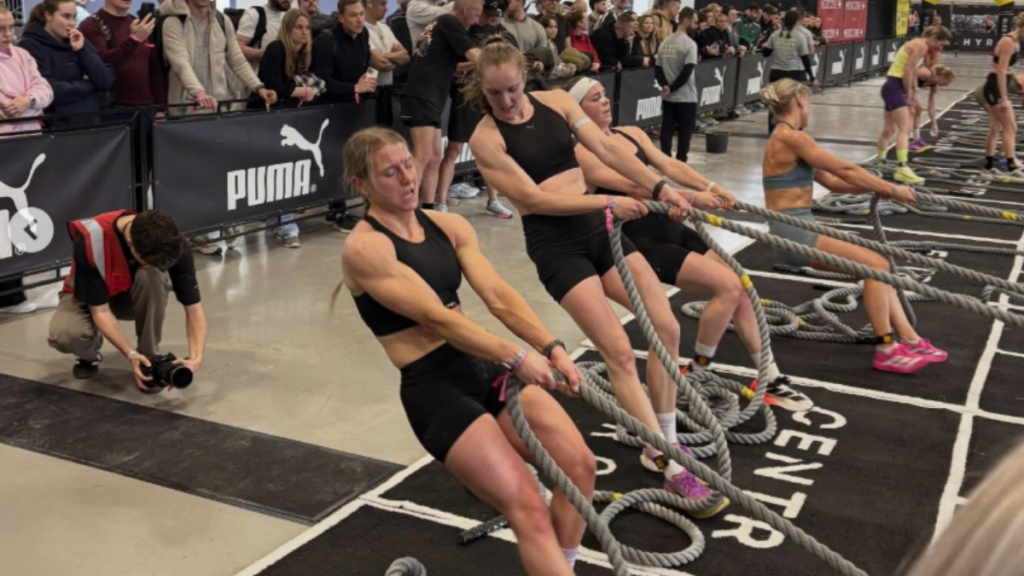


HYROX is one of the most demanding hybrid sports in the world. Athletes must combine endurance, strength, power, and mental resilience across a race that includes eight kilometers of running and eight functional workout stations. This type of training places significant stress on the body. Muscles experience microscopic damage, glycogen stores are depleted, and the nervous system becomes fatigued.

Recovery is therefore not optional for HYROX athletes. It is essential. One of the most powerful recovery tools is sleep. During sleep the body repairs muscle tissue, restores energy stores, regulates hormones, and strengthens the immune system. Poor sleep can reduce performance, increase injury risk, and slow recovery.
Many athletes focus on training programs, nutrition, and supplements but ignore the hours before bed. The evening routine plays a crucial role in determining sleep quality and the body’s ability to recover overnight.
Research in sleep science, physiology, and sports performance shows that specific evening rituals can improve sleep quality, hormone balance, and recovery outcomes. This article explains the most effective science backed evening habits HYROX athletes can adopt to optimize recovery and wake up ready for the next training session.
Why Sleep Is Critical for HYROX Performance
Sleep Drives Muscle Repair and Adaptation
Intense hybrid training creates microscopic muscle damage. This damage is a necessary signal that triggers adaptation. However, the repair process largely occurs during sleep.
Deep sleep stages stimulate the release of growth hormone, which plays a central role in muscle repair and protein synthesis. Growth hormone secretion is strongly tied to slow wave sleep, which typically occurs in the first half of the night. Poor sleep reduces the amount of deep sleep and can therefore limit muscle recovery.

Studies in athletes show that sleep restriction reduces muscle protein synthesis and increases markers of muscle damage. This means the same workout can lead to slower recovery when sleep quality is poor.
Sleep Restores Energy Stores
HYROX training sessions often combine long runs, sled pushes, lunges, rowing, and other demanding exercises. These activities heavily rely on glycogen, which is the stored form of carbohydrate in muscles.
During sleep the body works to replenish glycogen stores and restore metabolic balance. Insufficient sleep has been shown to impair glucose metabolism and insulin sensitivity, which can reduce the body’s ability to restore energy reserves.
For athletes training multiple times per week, this can accumulate into chronic fatigue.
Sleep Supports Hormone Balance
Hormonal balance is essential for athletic performance and recovery.
Sleep influences several key hormones including:
- Testosterone
- Cortisol
- Growth hormone
- Leptin and ghrelin
Sleep deprivation has been shown to reduce testosterone levels in healthy men while increasing cortisol levels. Elevated cortisol can impair recovery and increase muscle breakdown.
Sleep loss also disrupts appetite hormones, which can lead to overeating or poor food choices that undermine recovery.
Sleep Improves Cognitive Performance
HYROX competitions require pacing strategy, coordination, and mental resilience. Athletes must transition quickly between running and functional stations while maintaining efficient technique.
Sleep plays a major role in cognitive performance. Studies show that sleep deprivation reduces reaction time, decision making ability, and motor coordination. These effects can increase injury risk during training and reduce competition performance.
For these reasons sleep should be considered a fundamental pillar of training.
The Science of Evening Routines
The hours before bed strongly influence sleep quality. The body follows a circadian rhythm that regulates sleep and wake cycles. This rhythm is controlled by internal biological clocks that respond to light exposure, activity, temperature, and hormone signals.
Certain evening behaviors can disrupt this rhythm. Examples include exposure to bright screens, high stress levels, late caffeine intake, and intense late night exercise.
Other behaviors support the circadian rhythm and prepare the body for sleep. These include reducing light exposure, calming the nervous system, and establishing consistent routines.
Creating a structured evening ritual helps signal to the brain that it is time to transition from an active state to recovery mode.
Evening Ritual 1: Finish Training at the Right Time
Avoid Intense Late Night Training
Many HYROX athletes train after work. While this is often necessary, the timing of training can influence sleep quality.
High intensity exercise activates the sympathetic nervous system. This increases heart rate, adrenaline levels, and body temperature. These responses are beneficial for performance but can delay sleep onset if they occur too close to bedtime.
Research shows that intense exercise performed less than one hour before bed can increase sleep latency and reduce sleep quality.
For most athletes it is best to finish intense workouts at least two to three hours before bedtime. This allows the body time to return to a relaxed physiological state.
Low Intensity Evening Movement Can Help
Light physical activity such as walking or mobility work can actually support sleep. Gentle movement can help reduce muscle stiffness and promote relaxation without overstimulating the nervous system.
For athletes who train in the evening, a short cooldown walk or stretching session can help shift the body toward recovery mode.
Evening Ritual 2: Refuel Properly After Training
Replenish Glycogen
HYROX workouts often combine endurance and strength elements. This combination places high demands on carbohydrate metabolism.
Consuming carbohydrates after training helps restore glycogen stores. Research shows that carbohydrate intake after exercise accelerates glycogen replenishment and improves recovery.
Athletes who train in the evening should include carbohydrates in their post training meal.
Examples include:
- Rice or potatoes
- Whole grain pasta
- Oats
- Fruit
Support Muscle Repair With Protein
Protein intake in the evening can support overnight muscle repair.
Studies show that consuming protein before sleep can increase overnight muscle protein synthesis. Casein protein is particularly effective because it is digested slowly, providing a steady release of amino acids during sleep.
Foods such as Greek yogurt, cottage cheese, eggs, or a protein shake can support recovery.
Avoid Heavy Meals Immediately Before Bed
Large heavy meals close to bedtime can disrupt sleep by increasing digestive activity and body temperature.
Athletes should aim to finish their main meal at least two hours before sleep. A small protein based snack closer to bedtime is generally well tolerated.
Evening Ritual 3: Reduce Artificial Light Exposure
Blue Light Suppresses Melatonin
Melatonin is the hormone that signals to the body that it is time to sleep. Its release increases in the evening as light levels fall.
Exposure to blue light from smartphones, tablets, and computers can suppress melatonin production. This delays the onset of sleepiness and shifts the circadian rhythm.

Studies show that evening exposure to blue light can significantly reduce melatonin levels and delay sleep onset.
Create a Low Light Environment
HYROX athletes can support natural melatonin production by reducing bright light exposure in the evening.
Helpful strategies include:
- Dim household lighting after sunset
- Avoid screens during the final hour before bed
- Use night mode settings on devices
- Use warm lighting instead of bright white lights
These changes help signal to the brain that nighttime is approaching.
Evening Ritual 4: Use Relaxation Techniques to Calm the Nervous System
Downregulate the Stress Response
Intense training stimulates the sympathetic nervous system. This system is responsible for the fight or flight response.
To sleep effectively the body must shift toward the parasympathetic nervous system, which promotes relaxation and recovery.
Evening relaxation practices can help facilitate this shift.
Breathing Exercises
Slow controlled breathing activates the vagus nerve, which supports parasympathetic activity.
Research shows that slow breathing techniques can reduce heart rate, lower stress levels, and improve sleep quality.
A simple technique involves inhaling through the nose for four seconds and exhaling slowly for six seconds.
Repeating this cycle for five minutes can promote relaxation.
Mindfulness and Meditation
Mindfulness meditation has been shown to reduce insomnia symptoms and improve sleep quality.
Regular meditation can lower stress hormones and reduce rumination, which is a common cause of difficulty falling asleep.
For HYROX athletes who juggle work, training, and competition preparation, mental recovery is just as important as physical recovery.
Evening Ritual 5: Take a Warm Shower or Bath
Temperature Regulation Supports Sleep
Body temperature plays a key role in sleep onset. Core temperature naturally drops before sleep.
A warm shower or bath can accelerate this process. When the body is exposed to warm water, blood vessels in the skin dilate. After leaving the bath or shower, heat dissipates and core temperature drops.
This temperature drop signals the brain that it is time to sleep.
Studies show that taking a warm bath about one to two hours before bedtime can improve sleep onset and sleep quality.
Additional Recovery Benefits
Warm water immersion may also reduce muscle soreness and improve circulation. For HYROX athletes who frequently perform high volume lunges, sled pushes, and running intervals, this can provide additional recovery benefits.
Evening Ritual 6: Optimize the Sleep Environment
Keep the Room Cool
Cool temperatures promote better sleep.
Research suggests that the optimal bedroom temperature for sleep is around 18 degrees Celsius or 65 degrees Fahrenheit.
A cooler environment supports the body’s natural drop in core temperature during sleep.
Reduce Noise and Light
Environmental disturbances can fragment sleep. Even small disruptions can reduce the amount of deep sleep and REM sleep.
HYROX athletes should aim to create a quiet, dark sleeping environment.
Effective strategies include:
- Blackout curtains
- Eye masks
- White noise machines
- Earplugs if necessary
Invest in a Quality Mattress
Muscle recovery requires comfortable and supportive sleep. Poor mattress quality can lead to frequent awakenings and discomfort.
Athletes with high training volumes may benefit from mattresses that support spinal alignment and reduce pressure points.
Evening Ritual 7: Maintain a Consistent Sleep Schedule
Circadian Rhythms Thrive on Consistency
The human body thrives on routine. Going to bed and waking up at consistent times strengthens the circadian rhythm.
Research shows that irregular sleep schedules are associated with poorer sleep quality and reduced sleep efficiency.
HYROX athletes who train regularly should aim to maintain a stable sleep schedule even on rest days.
Plan Around Training
If early morning workouts are part of the training schedule, bedtime must be adjusted accordingly.
Many athletes underestimate the amount of sleep they need. Most adults require between seven and nine hours per night, while athletes may benefit from even more.
Evening Ritual 8: Limit Stimulants
Caffeine and Sleep
Caffeine is widely used by athletes to improve training performance. However, its long half life means it can remain in the body for several hours.
Studies show that caffeine consumed even six hours before bedtime can significantly reduce sleep duration.
HYROX athletes should aim to avoid caffeine in the late afternoon and evening.
Alcohol and Sleep Quality
Some athletes use alcohol to relax in the evening. However, alcohol disrupts sleep architecture.
While alcohol may initially promote sleepiness, it reduces REM sleep and increases nighttime awakenings.
Regular alcohol consumption can therefore impair recovery and training performance.
Evening Ritual 9: Gentle Mobility Work
Improve Circulation and Reduce Stiffness
HYROX training can lead to muscle stiffness, particularly in the hips, hamstrings, and calves.
Gentle mobility work in the evening can improve circulation and reduce muscle tension.
This type of low intensity movement helps maintain range of motion and may reduce delayed onset muscle soreness.
Keep It Relaxed
Evening mobility sessions should be gentle and relaxing. Intense stretching or aggressive foam rolling may stimulate the nervous system rather than calm it.
Short sessions of five to ten minutes are often sufficient.
Evening Ritual 10: Mental Wind Down
Reduce Cognitive Stimulation
Many athletes remain mentally stimulated late into the evening through work emails, social media, or intense entertainment.
Cognitive stimulation can delay sleep by keeping the brain in an alert state.
Creating a mental wind down routine can help prepare the brain for rest.
Helpful Activities
Examples include:
- Reading a book
- Journaling about the day’s training
- Planning the next day’s schedule
- Listening to calm music
These activities promote relaxation without overstimulating the mind.
Putting It All Together
HYROX athletes often focus on pushing harder in training sessions. However, elite performance also requires strategic recovery.
Sleep is one of the most powerful recovery tools available. The hours before bed play a crucial role in determining sleep quality.
By creating structured evening rituals that support the circadian rhythm, calm the nervous system, and provide proper nutrition, athletes can significantly improve sleep quality and recovery.
The most effective evening routine does not need to be complicated. Simple habits such as finishing training earlier, dimming lights, eating a balanced recovery meal, and maintaining consistent sleep times can have powerful effects.
When practiced consistently these rituals can improve recovery, enhance training adaptation, and ultimately support better HYROX performance.
References
• Dattilo, M., Antunes, H., Medeiros, A., Monico Neto, M., Souza, H., Tufik, S. and de Mello, M. (2011) ‘Sleep and muscle recovery: Endocrinological and molecular basis for a new and promising hypothesis’, Medical Hypotheses, 77(2), pp. 220–222.
• Fullagar, H., Skorski, S., Duffield, R., Hammes, D., Coutts, A. and Meyer, T. (2015) ‘Sleep and athletic performance: The effects of sleep loss on exercise performance and physiological and cognitive responses to exercise’, Sports Medicine, 45(2), pp. 161–186.
• Halson, S. (2014) ‘Sleep in elite athletes and nutritional interventions to enhance sleep’, Sports Medicine, 44(Suppl 1), pp. 13–23.
• Horne, J. and Staff, L. (1983) ‘Exercise and sleep: Body heating effects’, Sleep, 6(1), pp. 36–46.
• Leproult, R. and Van Cauter, E. (2011) ‘Effect of one week of sleep restriction on testosterone levels in young healthy men’, Journal of the American Medical Association, 305(21), pp. 2173–2174.
• St-Onge, M., Mikic, A. and Pietrolungo, C. (2016) ‘Effects of diet on sleep quality’, Advances in Nutrition, 7(5), pp. 938–949.
• Czeisler, C. and Gooley, J. (2007) ‘Sleep and circadian rhythms in humans’, Cold Spring Harbor Symposia on Quantitative Biology, 72, pp. 579–597.
• Grgic, J., Schoenfeld, B., Davies, T., Lazinica, B., Krieger, J. and Pedisic, Z. (2018) ‘Effect of resistance training performed to repetition failure or non failure on muscular strength and hypertrophy: A systematic review and meta analysis’, Journal of Sport and Health Science, 10(2), pp. 202–211.
• Venter, R. (2012) ‘Role of sleep in performance and recovery of athletes: A review article’, South African Journal for Research in Sport, Physical Education and Recreation, 34(1), pp. 167–184.
• Chang, A., Aeschbach, D., Duffy, J. and Czeisler, C. (2015) ‘Evening use of light emitting eReaders negatively affects sleep, circadian timing, and next morning alertness’, Proceedings of the National Academy of Sciences, 112(4), pp. 1232–1237.
• Mah, C., Mah, K., Kezirian, E. and Dement, W. (2011) ‘The effects of sleep extension on the athletic performance of collegiate basketball players’, Sleep, 34(7), pp. 943–950.