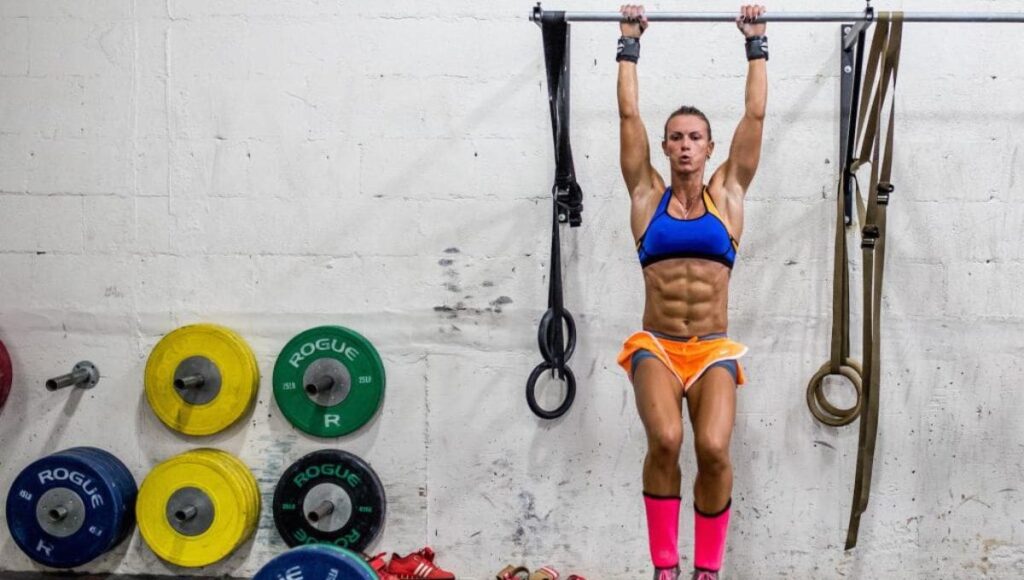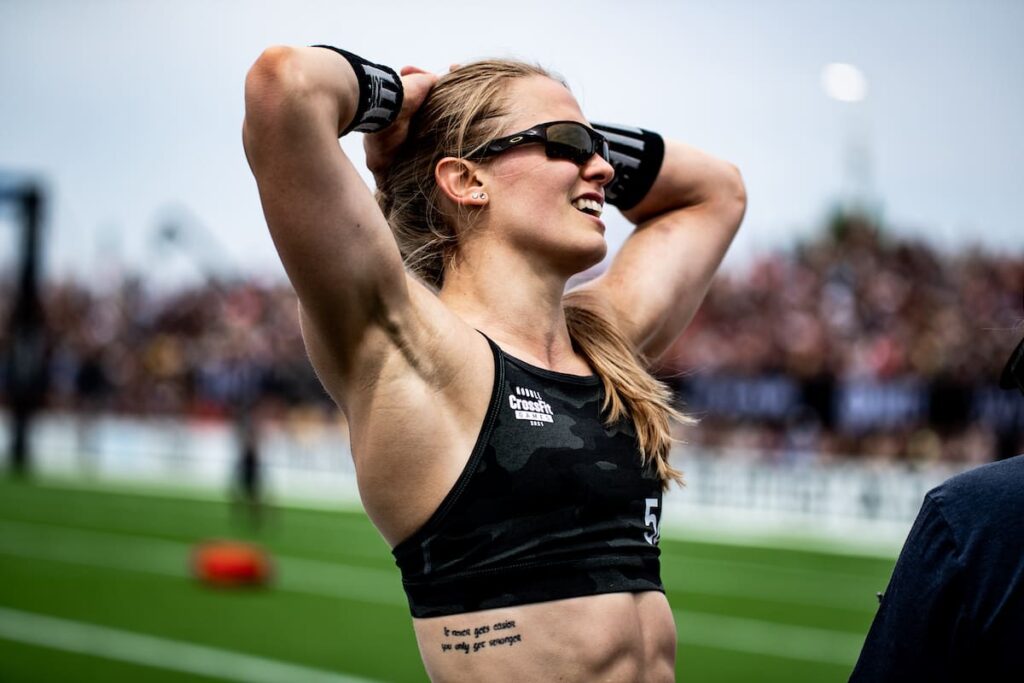


Hundreds of ab exercises flood fitness programs, yet the visible six-pack remains elusive for many. Contrary to popular belief, low body fat isn’t the only determinant of ab visibility. Some individuals with relatively higher fat percentages showcase more prominent abdominal muscles than others who are leaner. This discrepancy is partly genetic, but also deeply rooted in the training approach for abdominal hypertrophy.
[wpcode id=”229888″]Scientific evidence supports the role of targeted resistance training for ab development. In a 10-week study on 28 male soccer players, specific ab exercises (although not optimal) led to measurable hypertrophy. Participants experienced growth in the upper (2.1 mm), middle (1.9 mm), and lower (2.7 mm) rectus abdominis segments. While seemingly minor, these increases significantly enhance muscle definition, allowing abs to protrude further through subcutaneous fat.
Thus, visible abs can be achieved through two primary pathways: reducing body fat and increasing the muscle volume of the abdominals. The latter is particularly crucial for individuals—often referred to as “hard gainers”—who are genetically predisposed to thinner muscle bellies.
The Problem with Most Ab Exercises
Despite their popularity, exercises such as planks and flutter kicks offer limited utility for developing visible abdominal musculature. These movements predominantly engage the core in an isometric, stabilizing fashion. This means they train endurance and control rather than promoting hypertrophy.

To draw a comparison, relying solely on planks for ab growth is equivalent to using wall sits as your sole strategy for building larger quadriceps. Core stability exercises have their place in overall athletic training, but when it comes to hypertrophy, dynamic spinal flexion is key.
The primary function of the rectus abdominis is to flex the spine by drawing the ribcage toward the pelvis. Any ab routine that avoids this movement pattern is inherently flawed for hypertrophy goals.
Why Technique Matters More Than Exercise Selection
The misconception that the spine must remain neutral during all ab exercises contributes significantly to underwhelming results. For instance, during leg raises, many individuals maintain a flat back and simply lift their legs. This recruits the hip flexors—especially the iliopsoas—rather than the abdominals.
A biomechanically sound approach emphasizes posterior pelvic tilt and spinal flexion. Proper execution transforms even a suboptimal exercise into a much more effective tool for ab development.
The Science of Regional Hypertrophy
Emerging research into regional hypertrophy suggests that areas of a muscle closer to the site of movement experience greater growth. For example, leg curls preferentially target the distal hamstrings more than deadlifts, which activate the proximal regions. This has implications for ab training: lower ab exercises should focus on moving the lower body toward the torso, while upper ab movements should concentrate on drawing the upper body toward the pelvis.
Exercise 1: Reverse Crunches for Lower Abs
To stimulate the lower portion of the rectus abdominis, reverse crunches executed on an inclined or flat bench are highly effective—especially when performed with intentional spinal flexion. This movement shifts the work from the hip flexors to the abdominal muscles, particularly when performed in a controlled, rounded “C-shape” manner.
Beginner Technique
Beginners should focus on drawing the knees toward the chest while gently lifting the tailbone off the bench. The goal is to avoid swinging the legs, which would reintroduce hip flexor dominance.
Progression Strategy
As strength improves, progressively straighten the legs and increase the range of motion. This mimics the addition of external resistance.
Stretch Optimization
Using an ab mat under the lower back increases the stretch at the bottom of the movement, enhancing the muscle’s length-tension relationship. Research indicates that muscle groups trained at longer lengths tend to experience superior hypertrophy over time. This technique exploits that principle.
Exercise 2: Crunch Variations for Upper Abs
For upper ab development, spinal flexion involving the thoracic region is critical. Traditional crunches can serve beginners well—provided they are executed with proper form.
Beginner Technique
Avoid lifting the torso too high or maintaining a rigid spine. Instead, curl the upper spine while contracting the abs, lifting only the shoulder blades off the ground. This ensures maximal engagement of the rectus abdominis without over-recruiting the hip flexors.
Enhancing Effectiveness
An ab mat, stability ball, or even a rolled-up towel placed under the lower back can increase the stretch at the bottom, improving muscle activation during each repetition.
Advanced Progression: Rope Cable Crunches
This cable-based movement introduces scalable resistance and allows for precise spinal flexion. To maximize efficacy:
- Lock the hips at 90 degrees and keep them stationary.
- Avoid pulling with the arms; hands should remain fixed beside the ears.
- Focus on arching the spine on the eccentric (up) phase and curling on the concentric (down) phase.
Progressive Variation
Once proficient with the standard rope crunch, performing it facing away from the cable stack increases resistance at the stretched position. This variation introduces greater tension where the muscle is longest, aligning with hypertrophy best practices.

Programming Your Ab Routine
Abs respond to progressive overload just like any other muscle group. Training them with bodyweight alone—especially without increasing difficulty—yields diminishing returns over time.
A practical routine might include:
- Reverse Crunches: 3 sets of 6–12 reps
- Rope Cable Crunches: 3 sets of 6–12 reps
Once the upper rep range is reached consistently, increase the load or modify the movement to continue challenging the muscles. Beginners should start with one ab-focused session per week. Intermediate and advanced athletes may benefit from two sessions, depending on recovery and training goals.
Nutrition and Body Fat: The Other Half of the Equation
Even with optimal training, excessive subcutaneous fat will mask abdominal definition. Thus, effective ab development requires complementary fat loss strategies—primarily through nutrition and energy balance.
Visible abs are the result of two converging processes: muscle hypertrophy and fat reduction. Neglecting either renders the other less impactful.
References
de Freitas, M.C., Martorelli, A.S., et al. (2020). ‘Regional differences in muscle hypertrophy in response to training: a systematic review and meta-analysis’, European Journal of Sport Science, 20(5), pp. 629–640.
Fonseca, R.M., Roschel, H., et al. (2014). ‘Changes in exercises are more effective than in loading schemes to improve muscle strength’, Journal of Strength and Conditioning Research, 28(11), pp. 3085–3092.
Schoenfeld, B.J., Ogborn, D., and Krieger, J.W. (2016). ‘Effects of resistance training frequency on measures of muscle hypertrophy: a systematic review and meta-analysis’, Sports Medicine, 46(11), pp. 1689–1697.
Wakahara, T., Fukutani, A., et al. (2012). ‘Nonuniform muscle hypertrophy: its relation to muscle activation in training session’, Medicine & Science in Sports & Exercise, 44(6), pp. 1120–1127.
Key Takeaways
| Principle | Insight |
|---|---|
| Ab visibility | Requires both low body fat and abdominal hypertrophy |
| Ab hypertrophy | Best achieved through dynamic spinal flexion movements |
| Lower abs | Best targeted through reverse crunches with posterior pelvic tilt |
| Upper abs | Most effectively developed using crunches or cable crunches with spinal flexion |
| Technique | Proper spinal rounding (C-shape) is crucial for minimizing hip flexor dominance |
| Progression | Use controlled tempo, added resistance, and increased stretch for better results |
| Frequency | Train abs 1–2 times per week with progressive overload |
| Tools | Ab mats, cables, and incline benches enhance effectiveness |