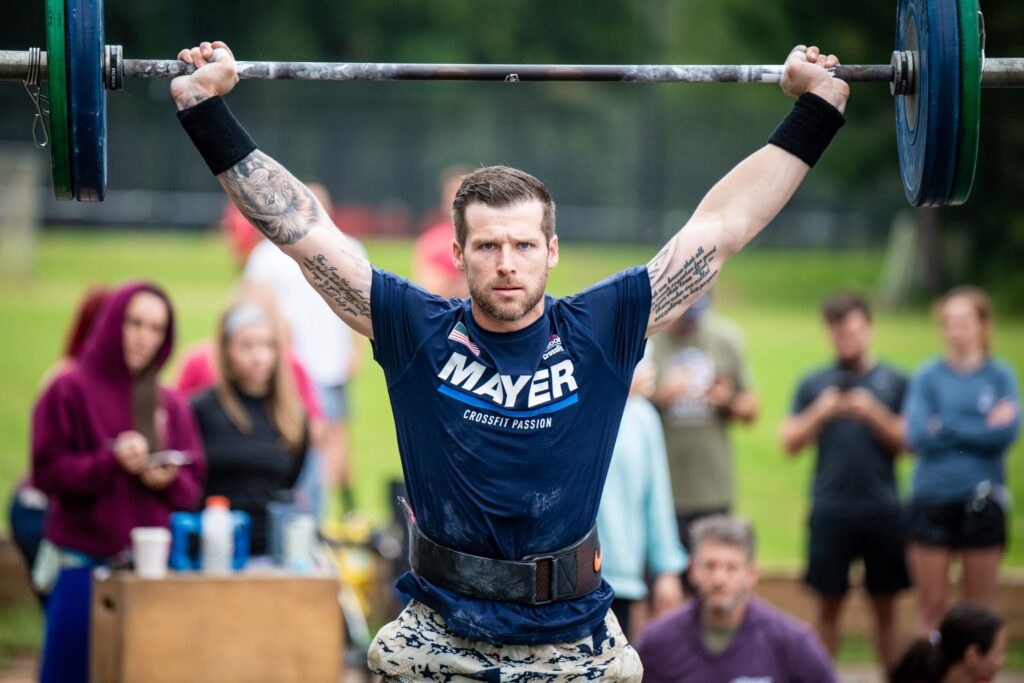


Strength training is often framed as a simple equation. Lift heavier weights, build bigger muscles, and performance improves. But this view leaves out a critical piece of the puzzle. Many athletes get stronger, yet injuries still occur. In some cases, they become more frequent as training intensity increases.
The missing link between strength gains and injury risk is tendon strength.
Tendons are the structures that connect muscle to bone. They are responsible for transmitting force and stabilizing joints under load. If your muscles are capable of producing high levels of force but your tendons are not prepared to handle that force, the system breaks down.
This is where injuries happen.
Understanding how tendons adapt and how to train them properly is essential if you want to build strength safely and sustainably. This article explains the science behind tendon adaptation and provides clear, practical strategies to strengthen tendons and reduce injury risk.
Why Tendons Are the Weak Link in Strength Training
Muscles Adapt Faster Than Tendons
One of the most important facts in strength training is that muscles and tendons do not adapt at the same rate. Muscle tissue responds quickly to resistance training. Neural adaptations and hypertrophy can occur within weeks.
Tendons, on the other hand, adapt much more slowly. Their structure is primarily composed of collagen, which has a lower metabolic rate than muscle tissue. This means changes in tendon stiffness and strength take longer to develop. Research shows that while muscle strength can increase significantly within a few weeks, measurable changes in tendon properties often require months of consistent loading.

This difference creates a mismatch. Your muscles become stronger and generate more force, but your tendons may not yet be capable of handling that increased load.
Tendons Are Responsible for Force Transmission
Every time you lift a weight, jump, or sprint, your muscles generate force that must be transmitted through tendons to move your skeleton.
If tendon stiffness is too low, force transmission becomes inefficient. This can reduce performance and increase strain on surrounding tissues. If tendon capacity is exceeded, micro damage accumulates. Over time, this can lead to tendinopathy or even rupture in extreme cases.
Studies have shown that tendon stiffness is strongly associated with improved rate of force development and overall performance.
Injury Risk Increases With Poor Tendon Capacity
Many common training injuries are tendon related rather than muscle related. These include:
- Achilles tendinopathy
- Patellar tendon pain
- Lateral elbow pain
- Rotator cuff tendinopathy
These injuries often develop gradually due to repeated loading that exceeds the tendon’s capacity. Research supports the idea that tendinopathy is linked to poor load management and insufficient tendon adaptation.
The Science of Tendon Adaptation
Tendons Respond to Mechanical Load
Tendons adapt when they are exposed to mechanical stress. This stress stimulates collagen synthesis and structural remodeling. However, not all loading produces the same response.
Studies show that tendons respond best to high load applied in a controlled manner. Low intensity or purely fast movements are less effective at stimulating adaptation.
Collagen Synthesis and Remodeling
Collagen is the primary structural protein in tendons. When tendons are loaded, collagen production increases, but this process is slow and requires recovery time.
Collagen synthesis typically increases several hours after loading and can remain elevated for up to one day. If tendons are loaded again before they have time to recover, the remodeling process can be disrupted. This highlights the importance of spacing training sessions appropriately.
Tendon Stiffness and Elastic Function
Tendons serve two key roles. They must be stiff enough to transmit force efficiently, and they must be elastic enough to store and release energy.
Heavy resistance training increases tendon stiffness, which improves force transfer. Plyometric training enhances the elastic properties of tendons, which improves reactive strength and efficiency. A balanced program includes both types of training.
Key Principles for Training Tendons
Use Sufficient Load
Tendons require relatively high loads to adapt. Research indicates that loading above about 70 percent of maximal strength is effective for increasing tendon stiffness. Training with very light weights is unlikely to produce meaningful tendon adaptation.
Emphasize Slow Controlled Movements
Slow loading increases the time the tendon is under tension, which is important for stimulating collagen production. A controlled tempo such as three seconds lowering and two seconds lifting is effective. Fast and uncontrolled repetitions reduce the stimulus for tendon adaptation.
Train Consistently
Tendon adaptation requires repeated exposure to appropriate loading over time. Training tendons two to three times per week is generally effective, provided there is enough recovery between sessions.
Progress Gradually
Progressive overload is essential, but it must be applied carefully. Increasing load too quickly is one of the main causes of tendon injury. Gradual progression allows tendons to adapt safely.
The Most Effective Methods to Strengthen Tendons
Heavy Slow Resistance Training
Heavy slow resistance training is widely supported by research as one of the best methods for improving tendon health. This method involves lifting relatively heavy loads with slow and controlled movements.
Benefits include:
- Increased tendon stiffness
- Improved collagen alignment
- Reduction in tendon pain in clinical populations
Examples include:
- Slow squats for the patellar tendon
- Slow calf raises for the Achilles tendon
- Slow pressing movements for shoulder tendons
A typical protocol is three to four sets of six to ten repetitions with controlled tempo.
Isometric Training
Isometric exercises involve holding a position under tension without movement. These exercises are particularly useful for reducing pain and improving tendon load tolerance. Research shows that isometric contractions can reduce pain and improve force output in individuals with tendon issues.
Examples include:
- Wall sits
- Static calf holds
- Isometric holds in a split squat position
Hold each position for thirty to forty five seconds for multiple sets.
Eccentric Training
Eccentric training focuses on the lowering phase of a movement. It has been extensively used in rehabilitation programs for tendon injuries. Eccentric loading has been shown to increase collagen production and improve tendon structure.
Examples include:
- Heel drops for Achilles tendon
- Slow lowering squats
- Controlled lowering in upper body exercises
Perform the eccentric phase slowly, usually three to five seconds.
Plyometric Training
Once a base level of tendon strength is established, plyometric training can be introduced. Plyometric exercises improve the ability of tendons to store and release energy. Examples include:
- Jumping
- Hopping
- Bounding
These exercises should be progressed gradually to avoid overload.
How to Program Tendon Training
Weekly Structure
A simple and effective structure includes:
- Two to three tendon focused sessions per week
- At least forty eight hours between heavy sessions for the same tendon
This allows time for collagen remodeling.
Exercise Selection
Choose exercises that directly load the tendon you want to strengthen. Examples:
- Achilles tendon: calf raises and jumps
- Patellar tendon: squats and lunges
- Shoulder tendons: pressing and pulling exercises
Compound movements are often sufficient when performed with proper control.
Tempo and Execution
Use a controlled tempo to increase time under tension. A common approach is:
- Three seconds lowering
- One second pause
- Two seconds lifting
This enhances the stimulus for tendon adaptation.
Volume and Progression
Start with moderate volume and increase gradually.
For example:
- Begin with three sets of eight repetitions
- Progress to four sets
- Increase load once the current load feels manageable
Progression should always be based on tolerance rather than pushing to failure.
Nutrition and Recovery for Tendon Health

Collagen and Protein Intake
Tendons are composed largely of collagen, which requires specific amino acids. Consuming collagen or gelatin before training has been shown to increase collagen synthesis. Combining this with vitamin C further enhances the effect.
Micronutrients That Support Tendon Health
Several micronutrients play a role in collagen formation and tendon health:
- Vitamin C
- Copper
- Zinc
- Manganese
A balanced diet helps support these processes.
Sleep and Recovery
Sleep is essential for tissue repair. Poor sleep can impair recovery and increase injury risk. Aim for consistent and sufficient sleep to support tendon adaptation.
Common Mistakes That Increase Injury Risk
Increasing Load Too Quickly
Rapid increases in training load are a major cause of tendon injuries. Tendons need time to adapt, and pushing too hard too soon can lead to overload.
Ignoring Persistent Pain
Tendon pain is often gradual and easy to ignore at first. However, persistent pain is a sign that the tendon is not tolerating the current load. Adjusting training early can prevent more serious injury.
Relying Only on Stretching
Stretching does not strengthen tendons. While flexibility is useful, it must be combined with proper loading to improve tendon capacity.
Skipping Warm Ups
A proper warm up prepares tendons for loading. Dynamic movements and gradual increases in intensity are important before heavy training.
How Strong Tendons Improve Long Term Strength
Better Force Transfer
Stronger tendons improve the efficiency of force transmission from muscle to bone. This enhances overall strength and performance.
Greater Training Consistency
Fewer injuries mean fewer interruptions in training. Consistency is one of the most important factors in long term progress.
Improved Movement Efficiency
Tendon stiffness improves movement efficiency, allowing for better performance with less energy cost. This is especially important in sports and high intensity training.
Final Thoughts
The missing link between strength gains and injury risk is tendon strength. Focusing only on muscles creates an imbalance that increases the risk of injury. By understanding how tendons adapt and training them properly, you can build a more resilient and capable body.
Incorporating heavy slow resistance training, isometric holds, eccentric loading, and progressive plyometrics provides a complete approach to tendon development. Combine this with proper nutrition, recovery, and intelligent programming, and you create a foundation for long term strength and durability.
If you want to get stronger without breaking down, start paying attention to your tendons.
Key Takeaways
| Concept | Key Insight | Practical Application |
|---|---|---|
| Tendon Role | Transfers force from muscle to bone | Train tendons with load, not just muscles |
| Adaptation Speed | Slower than muscle adaptation | Be patient and consistent |
| Best Training Method | Heavy slow resistance is highly effective | Use controlled tempo and sufficient load |
| Pain Management | Isometrics can reduce tendon pain | Include static holds in training |
| Injury Prevention | Strong tendons reduce overload risk | Progress load gradually |
| Nutrition | Collagen and vitamin C support tendon health | Time intake before training |
| Programming | Two to three sessions per week is effective | Allow recovery between sessions |
References
- Bohm, S., Mersmann, F. and Arampatzis, A. (2015) ‘Human tendon adaptation in response to mechanical loading: a systematic review and meta analysis of exercise intervention studies on healthy adults’, Sports Medicine, 45(3), pp. 365 to 382.
- Cook, J.L. and Purdam, C.R. (2009) ‘Is tendon pathology a continuum? A pathology model to explain the clinical presentation of load induced tendinopathy’, British Journal of Sports Medicine, 43(6), pp. 409 to 416.
- Kjaer, M. et al. (2009) ‘From mechanical loading to collagen synthesis, structural changes and function in human tendon’, Scandinavian Journal of Medicine and Science in Sports, 19(4), pp. 500 to 510.
- Magnusson, S.P., Langberg, H. and Kjaer, M. (2010) ‘The pathogenesis of tendinopathy: balancing the response to loading’, Nature Reviews Rheumatology, 6(5), pp. 262 to 268.
- Malliaras, P. et al. (2013) ‘Patellar tendinopathy: clinical diagnosis, load management, and advice for challenging case presentations’, Journal of Orthopaedic and Sports Physical Therapy, 43(11), pp. 887 to 898.