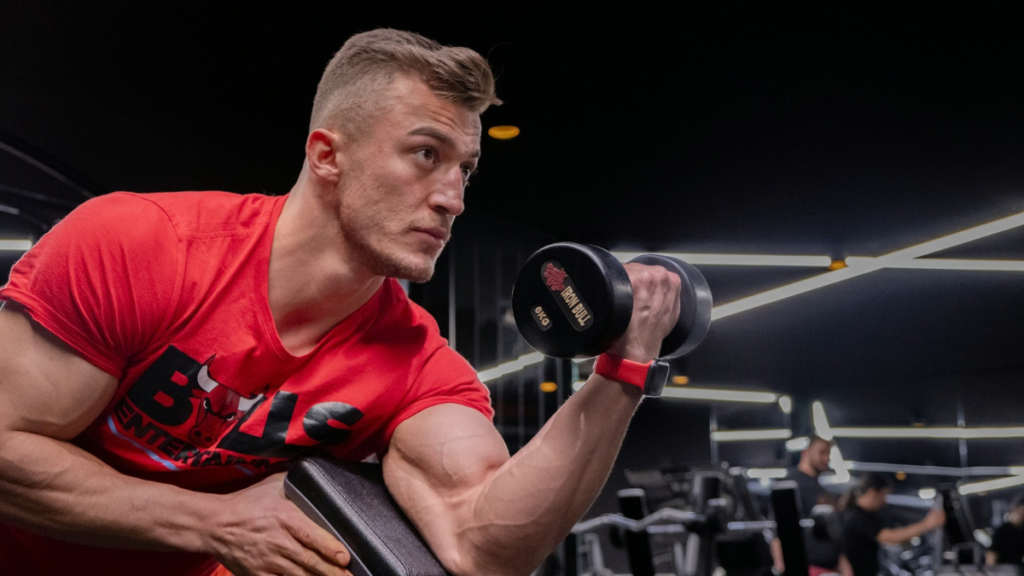
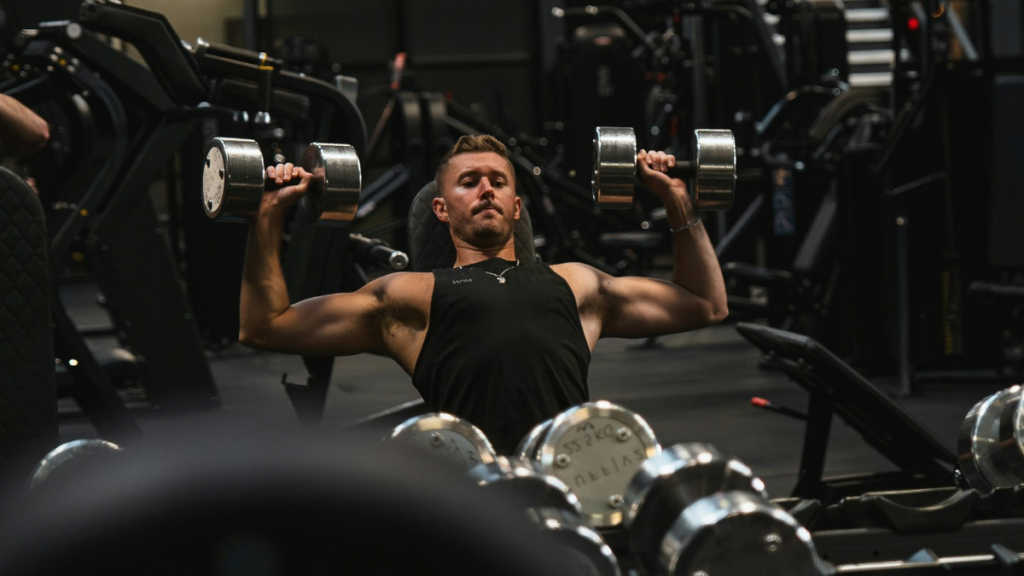
Hybrid training has exploded in popularity over the past few years. Scroll through social media or sign up for almost any endurance event and you will see athletes who can deadlift twice their bodyweight and still run a fast half marathon. That blend of strength and endurance is the essence of hybrid training.
But this is not just a trend driven by aesthetics or bragging rights. The combination of resistance training and endurance work is supported by decades of research. When programmed intelligently, hybrid training can improve cardiovascular health, build muscle, enhance metabolic function, and increase overall resilience.


If you enjoy lifting but also love to run, cycle, row, or swim, hybrid training might be exactly what you are looking for. Here are five science-backed reasons why it could be perfect for you.
What Is Hybrid Training?
Hybrid training refers to a structured program that develops both muscular strength and cardiovascular endurance at the same time. Instead of specializing exclusively in powerlifting, bodybuilding, or marathon running, hybrid athletes train across multiple physical domains.
Typically, hybrid training includes:
- Progressive resistance training to build strength and muscle.
- Aerobic conditioning such as running, cycling, rowing, or swimming.
- Sometimes high-intensity interval training to improve anaerobic capacity.
- Mobility and recovery work to support performance in both areas.
The idea of combining endurance and strength training is not new. In sports science, it is often referred to as “concurrent training.” Researchers have been studying the effects of combining resistance and endurance exercise for more than 40 years.

The key question has always been: can you improve strength and endurance at the same time without one interfering with the other? Modern evidence suggests that not only is it possible, but it can also deliver powerful health and performance benefits when programmed correctly.
Now let’s break down five reasons why hybrid training might be the perfect fit for you.
1. It Builds a Truly Well-Rounded Body
Strength and Endurance Are Both Essential for Long-Term Health
Resistance training and aerobic exercise are often presented as separate worlds. In reality, both are independently associated with lower mortality risk.
Large population studies have shown that regular aerobic exercise reduces the risk of cardiovascular disease and all-cause mortality. At the same time, resistance training is associated with lower risk of death from all causes, including cancer and cardiovascular disease.
When researchers examine people who perform both resistance and aerobic training, the benefits appear to be additive. In other words, lifting weights and doing cardio together is better than doing either alone.
From a health perspective, hybrid training covers all the major physical capacities:
- Muscular strength.
- Muscular endurance.
- Cardiovascular fitness.
- Metabolic health.
- Functional movement capacity.
This creates a body that is not only strong or lean, but capable.
Concurrent Training Does Not “Cancel Out” Gains
One concern often raised about hybrid training is the so-called “interference effect.” Early research suggested that endurance training could blunt strength gains when both were performed together.
Classic studies showed that individuals performing both strength and endurance training improved less in strength compared to those performing strength training alone. However, more recent and comprehensive analyses paint a more nuanced picture.
Meta-analyses examining concurrent training have found that strength and hypertrophy gains are only slightly affected, and primarily when endurance volume is very high or poorly timed relative to resistance sessions. When properly programmed, concurrent training produces substantial improvements in both strength and aerobic capacity.
Importantly, interference seems more pronounced for maximal strength and power than for muscle hypertrophy. For most recreational athletes and fitness enthusiasts, the trade-off is small and often irrelevant.

If your goal is to be strong, fit, and capable rather than to break world records in a single discipline, hybrid training offers a balanced path forward.
2. It Improves Cardiovascular Health Without Sacrificing Muscle
Aerobic Fitness Is a Powerful Predictor of Longevity
Cardiorespiratory fitness is one of the strongest predictors of long-term health outcomes. Higher levels of aerobic fitness are consistently associated with lower risk of cardiovascular disease and premature death.
Improving your VO2 max, a measure of maximal oxygen uptake, is particularly important. Research shows that even small increases in VO2 max are linked to meaningful reductions in mortality risk.
Hybrid training typically includes structured aerobic sessions, whether steady-state runs or interval workouts. This directly improves cardiac output, mitochondrial density, and oxygen utilization in skeletal muscle.
These adaptations translate into:
- Lower resting heart rate.
- Improved blood pressure control.
- Better lipid profiles.
- Enhanced insulin sensitivity.
Resistance Training Supports Cardiometabolic Health
While endurance exercise is often highlighted for heart health, resistance training plays a crucial role in metabolic function.
Research has demonstrated that resistance training improves insulin sensitivity and glycemic control, particularly in individuals with or at risk of type 2 diabetes. Increased muscle mass enhances glucose uptake because skeletal muscle is a primary site of glucose disposal.
Additionally, resistance training can reduce visceral fat and improve body composition, both of which are linked to lower cardiometabolic risk.
When you combine endurance and resistance training, you address cardiovascular health from multiple angles: improving heart and lung function while also increasing muscle mass and metabolic efficiency.
You Can Maintain or Build Muscle While Doing Cardio
A common fear is that adding running or cycling will “kill gains.” However, research indicates that muscle hypertrophy is largely preserved when resistance training volume and intensity are sufficient.
Studies examining concurrent training show that muscle growth is comparable to strength-only programs when endurance volume is moderate and sessions are separated appropriately.
Protein intake, recovery, and intelligent programming are critical. When these factors are in place, hybrid training can maintain or even increase lean muscle mass while improving endurance performance.
For anyone who wants visible muscle definition without sacrificing conditioning, this is a major advantage.
3. It Enhances Metabolic Flexibility and Fat Loss
Hybrid Training Increases Energy Expenditure
From a purely practical standpoint, combining resistance and endurance training increases total weekly energy expenditure.
Resistance training elevates resting metabolic rate by increasing lean mass. Endurance exercise adds substantial caloric expenditure during sessions and improves mitochondrial efficiency.

Research comparing different exercise modalities shows that combining aerobic and resistance training is often more effective for improving body composition than either modality alone.
In interventions where participants performed both types of exercise, reductions in fat mass were greater compared to single-modality training groups.
Improved Insulin Sensitivity and Glucose Control
Hybrid training improves metabolic flexibility, the ability to switch between carbohydrate and fat as fuel sources.
Aerobic training enhances mitochondrial density and oxidative enzymes, improving fat oxidation capacity. Resistance training increases GLUT4 transporter expression and insulin sensitivity in skeletal muscle.
Together, these adaptations improve glucose regulation and reduce the risk of metabolic diseases.
Studies in individuals with metabolic syndrome or type 2 diabetes consistently show that combined training improves HbA1c, fasting glucose, and insulin sensitivity more effectively than either endurance or resistance training alone.
For anyone concerned about long-term metabolic health, hybrid training offers a powerful, science-backed approach.
Sustainable Fat Loss Without Extreme Dieting
Fat loss ultimately requires a caloric deficit, but exercise quality influences how that weight is lost.
Resistance training helps preserve lean mass during weight loss, which is critical for maintaining metabolic rate. Endurance exercise increases total energy expenditure and improves cardiovascular health.
Programs that combine both modalities are associated with greater fat loss and better preservation of muscle mass compared to aerobic-only approaches.
This means hybrid training can help you get leaner while still feeling strong and capable, rather than smaller and weaker.
4. It Increases Physical and Mental Resilience
Musculoskeletal Resilience and Injury Reduction
Strength training increases bone mineral density, tendon stiffness, and connective tissue resilience. These adaptations are particularly important as we age.
Research shows that resistance training improves bone density and reduces the risk of osteoporosis. It also strengthens tendons and ligaments, enhancing joint stability.
Endurance training, when progressed gradually, improves capillary density, cardiac efficiency, and muscular endurance. Together, these adaptations create a body that can tolerate a wide range of physical demands.

Hybrid athletes are often more adaptable. They can lift heavy objects, run long distances, and perform high-intensity efforts. This versatility builds resilience against everyday physical stressors.
The Mental Benefits of Combined Training
Exercise is strongly associated with improved mental health. Both aerobic and resistance training reduce symptoms of depression and anxiety.
Meta-analyses show that resistance training alone can significantly reduce depressive symptoms. Similarly, aerobic exercise is associated with improved mood, reduced anxiety, and better cognitive function.
Hybrid training provides exposure to different types of physical stress. Long aerobic sessions can be meditative and stress-relieving. Heavy lifting builds confidence and self-efficacy.
The combination creates psychological variety, which may enhance adherence and enjoyment. Variety in training is also associated with lower dropout rates compared to monotonous programs.
When you feel capable in multiple domains, your sense of physical competence grows. That carries over into everyday life.
5. It Future-Proofs Your Fitness
You Avoid Over-Specialization
Specializing in a single sport or modality can produce impressive short-term results. However, it can also increase the risk of overuse injuries and plateaus.
Research in sports science shows that early diversification and multi-modal training are associated with more balanced long-term athletic development.
While hybrid training is not the same as youth sport diversification, the principle is similar: training across multiple domains reduces repetitive strain and develops a broader base of physical qualities.
If you only lift heavy, your aerobic base may suffer. If you only run, you may lack strength and power. Hybrid training reduces these blind spots.
Aging Well Requires Both Strength and Endurance
As we age, we naturally lose muscle mass and aerobic capacity. Sarcopenia and declines in VO2 max are strongly associated with reduced independence and increased mortality risk.
Resistance training is one of the most effective interventions to combat sarcopenia. It preserves muscle mass, strength, and functional capacity.
At the same time, maintaining aerobic fitness is critical for cardiovascular health and the ability to perform daily tasks without excessive fatigue.
Studies in older adults show that combined training improves functional performance, walking speed, and overall quality of life more effectively than single-modality training.
Hybrid training is not just about performance today. It is about protecting your future self.
Practical Fitness for Real Life
Real life does not demand only one physical quality. You might need to carry heavy groceries up stairs, sprint to catch a bus, or hike for hours on the weekend.
Hybrid training prepares you for all of it.
Research on functional fitness consistently shows that programs including both strength and endurance components improve daily activity performance more than isolated approaches.
This is fitness that transfers beyond the gym.
How to Make Hybrid Training Work for You
Hybrid training is powerful, but only when programmed intelligently.
Key evidence-based principles include:
- Separate high-intensity endurance and heavy strength sessions by several hours or on different days to reduce interference.
- Prioritize the quality that matters most to you by placing it earlier in the week or earlier in a session.
- Manage total volume to avoid excessive fatigue.
- Ensure adequate protein intake to support muscle repair.
- Include at least one full rest day per week.
Research indicates that order, volume, and recovery all influence outcomes in concurrent training. With thoughtful planning, you can minimize interference and maximize adaptation.
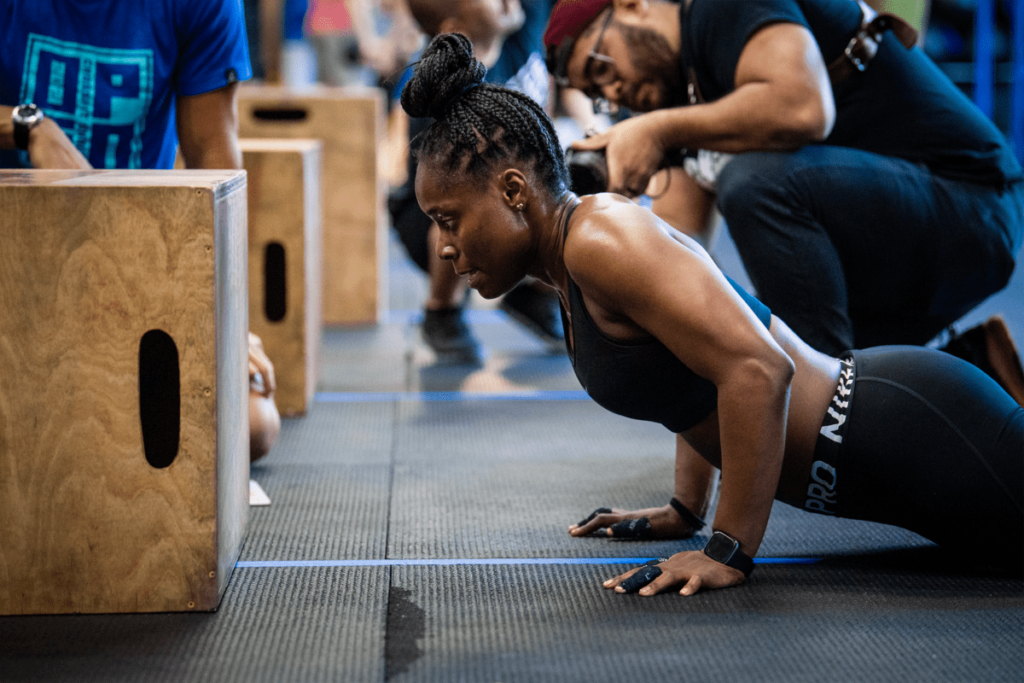
If you are new to training, starting with two to three strength sessions and two to three moderate aerobic sessions per week is often sufficient to drive meaningful improvements.
Who Is Hybrid Training Perfect For?
Hybrid training may be ideal if you:
- Want to be strong and lean without giving up endurance performance.
- Enjoy variety in your workouts.
- Care about long-term health as much as aesthetics.
- Want to compete in events that require both strength and endurance.
- Feel bored by single-modality programs.
It may be less suitable if you are pursuing elite-level performance in a single sport where maximal specialization is required.
For most people, however, hybrid training strikes a balance between performance, health, and enjoyment.
The Bottom Line
Hybrid training is not a compromise. It is a comprehensive, science-backed approach to fitness.
By combining resistance and endurance training, you:
- Improve cardiovascular health.
- Build and maintain muscle mass.
- Enhance metabolic function.
- Increase resilience.
- Prepare your body for the long term.
The research on concurrent training, cardiometabolic health, muscle hypertrophy, and mental well-being consistently supports the benefits of combining strength and endurance exercise.
If you want to be capable, healthy, and adaptable, hybrid training might be exactly what you need.
References
- American College of Sports Medicine (2018) ‘ACSM Position Stand: Exercise and type 2 diabetes’, Medicine & Science in Sports & Exercise, 50(6), pp. 1409–1438.
- Church, T.S., Blair, S.N., Cocreham, S. et al. (2010) ‘Effects of aerobic and resistance training on hemoglobin A1c levels in patients with type 2 diabetes’, Journal of the American Medical Association, 304(20), pp. 2253–2262.
- Garber, C.E., Blissmer, B., Deschenes, M.R. et al. (2011) ‘Quantity and quality of exercise for developing and maintaining cardiorespiratory, musculoskeletal, and neuromotor fitness in apparently healthy adults’, Medicine & Science in Sports & Exercise, 43(7), pp. 1334–1359.
- Hunter, G.R., McCarthy, J.P. and Bamman, M.M. (2004) ‘Effects of resistance training on older adults’, Sports Medicine, 34(5), pp. 329–348.