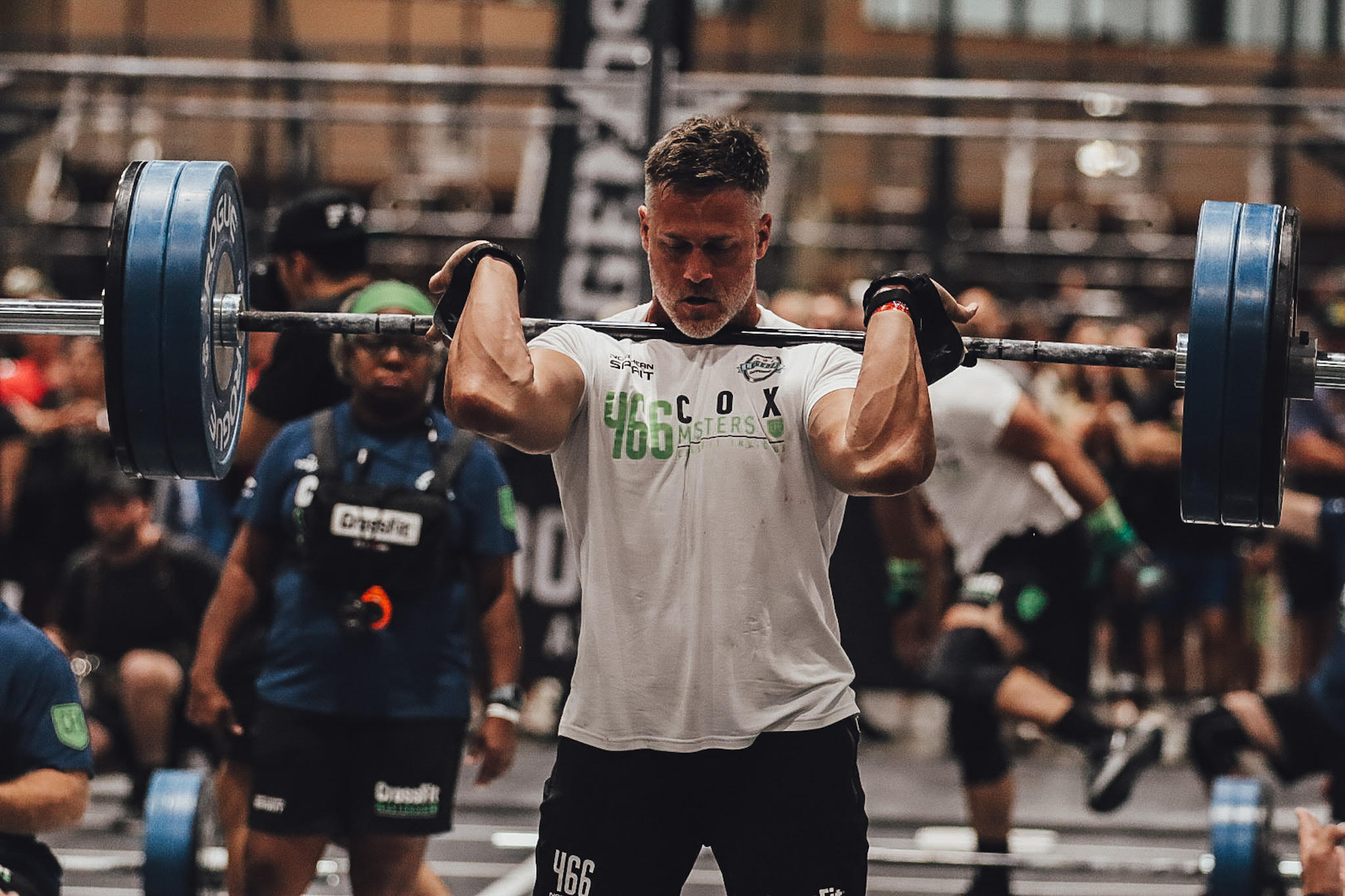


For decades, mainstream fitness culture has been driven by aesthetics. Lean physiques, visible abs, and low body fat have dominated magazines, social media, and gym floors. While there is nothing inherently wrong with wanting to look good, this approach often ignores what truly matters as you age.
After 40, the rules change. Your physiology shifts, recovery slows, and your risk of chronic disease begins to rise. Training purely for appearance can become counterproductive if it sacrifices long term health, joint integrity, and functional capacity.
A growing body of scientific evidence shows that fitness after 40 should prioritize longevity. This means focusing on strength, cardiovascular health, mobility, and recovery. These factors are strongly linked to lifespan, disease prevention, and quality of life.
This article outlines three evidence based ways to rethink fitness after 40. Each is grounded in research and designed to help you train in a way that supports both performance and long term health.
Why Fitness Goals Must Evolve After 40

The physiological reality of aging
Aging is not optional, but how you age is highly influenced by lifestyle. One of the most important changes is the gradual loss of muscle mass and strength. This process, known as sarcopenia, begins as early as your thirties and accelerates with age. It reduces metabolic rate, increases fat accumulation, and impairs functional ability.
Hormonal changes also contribute. Testosterone declines gradually in men, while women experience a sharp drop in estrogen during menopause. These changes affect muscle retention, fat distribution, and bone density.
At the same time, recovery becomes less efficient. The body’s ability to repair tissue and regulate inflammation declines, making it easier to accumulate fatigue and sustain injuries.
The hidden risks of aesthetic driven training
Training for aesthetics often involves high volume workouts, frequent intensity, and aggressive calorie restriction. While these methods can produce short term visual results, they can also place significant stress on the body.
Research shows that excessive training without adequate recovery can elevate cortisol levels and impair immune function. Severe caloric restriction can reduce bone density and accelerate muscle loss, particularly in older adults.
This creates a paradox. You may look fit on the outside, but internally your body may be under strain.
A shift toward longevity
Longevity focused fitness emphasizes function over appearance. It prioritizes:
- Preserving muscle and strength
- Maintaining cardiovascular capacity
- Supporting joint health and mobility
- Reducing risk of chronic disease
These factors are not only important for performance but are also strongly associated with lower mortality and improved quality of life.
1. Train for Strength and Muscle Preservation

Why muscle is a longevity organ
Muscle plays a central role in overall health. It is a major site for glucose uptake, making it essential for blood sugar control. Higher muscle mass is associated with improved insulin sensitivity and reduced risk of type 2 diabetes.
Loss of muscle mass is linked to increased risk of cardiovascular disease, frailty, and mortality. Strength, in particular, has emerged as a powerful predictor of lifespan. Research shows that individuals with greater muscular strength have significantly lower all cause mortality.
Muscle also supports joint stability, posture, and movement efficiency, all of which become increasingly important with age.
What the science says about resistance training
Resistance training is the most effective way to preserve and build muscle after 40. Studies consistently show that adults in their forties, fifties, and beyond can increase muscle mass and strength with structured training.
Importantly, you do not need extreme training volumes. Moderate resistance training performed consistently produces significant improvements in strength and muscle size.
Key principles include:
- Progressive overload, which means gradually increasing resistance or volume
- Training major muscle groups through compound movements
- Allowing sufficient recovery between sessions
Exercises such as squats, deadlifts, presses, and rows are particularly effective because they recruit multiple muscle groups and improve functional strength.
Practical strength training guidelines
A well structured program should include:
- Two to four strength sessions per week
- Two to four sets per exercise
- Repetition ranges between 6 and 12 for most sets
- Controlled movement with full range of motion
Rest periods should be long enough to maintain performance and technique. Rushing through workouts reduces effectiveness and increases injury risk.
Consistency is more important than intensity. A sustainable program will produce better long term results than sporadic high intensity efforts.
Protein intake and muscle maintenance
Nutrition is critical for muscle preservation. Older adults require more protein to stimulate muscle protein synthesis compared to younger individuals.
Research suggests a daily intake of approximately 1.2 to 1.6 grams of protein per kilogram of body weight. Distributing protein evenly across meals further enhances muscle building and recovery.
High quality protein sources include lean meats, fish, eggs, dairy, and plant based options such as legumes and soy.
2. Prioritize Cardiovascular Fitness
Why aerobic fitness predicts lifespan
Cardiorespiratory fitness is one of the strongest predictors of longevity. VO2 max, which reflects the body’s ability to use oxygen during exercise, is closely linked to heart health and overall survival.
Higher levels of aerobic fitness are associated with lower risk of cardiovascular disease, stroke, and all cause mortality. In fact, low cardiorespiratory fitness is a stronger predictor of death than many traditional risk factors.
The problem with ignoring cardio
Many people reduce or eliminate cardiovascular training as they age, especially if their primary goal is strength or aesthetics. This creates a gap in overall fitness.
You can be strong and still have poor cardiovascular health. Without regular aerobic exercise, the heart and vascular system do not receive sufficient stimulus to adapt.
This increases the risk of hypertension, atherosclerosis, and metabolic disorders.
Evidence based cardio strategies
The most effective approach combines moderate intensity exercise with occasional higher intensity work.
Moderate intensity activities include brisk walking, cycling, and swimming. These should be performed at a pace that elevates heart rate while still allowing conversation.
High intensity interval training involves short bursts of intense effort followed by recovery periods. This type of training has been shown to significantly improve VO2 max, even in older adults.

However, intensity should be introduced gradually. Building a base level of aerobic fitness reduces injury risk and improves tolerance to harder efforts.
Practical cardio guidelines
For most individuals over 40, the following approach is effective:
- At least 150 minutes of moderate intensity aerobic exercise per week
- Alternatively, 75 minutes of vigorous intensity activity
- One to two interval sessions per week if appropriate
Low impact options such as cycling, rowing, or elliptical training are often better tolerated and reduce joint stress.
Cardiovascular fitness and brain health
Aerobic exercise does more than improve heart health. It also supports brain function. Research shows that regular cardiovascular exercise increases blood flow to the brain and promotes neuroplasticity.
This is associated with improved memory and reduced risk of cognitive decline, which becomes increasingly important with age.
3. Build Mobility, Balance, and Resilience
Why mobility declines over time
Mobility tends to decrease with age due to changes in connective tissue, reduced activity, and accumulated wear and tear. This can lead to stiffness, limited range of motion, and inefficient movement patterns.
Poor mobility increases the risk of injury and can limit performance in both strength and cardiovascular training.
The importance of balance and coordination
Balance is a critical component of longevity. Falls are a leading cause of injury and loss of independence in older adults.
Training balance improves neuromuscular coordination and stability. It helps maintain independence and reduces the risk of serious injuries. Despite its importance, balance training is often neglected in traditional fitness programs.
Evidence based mobility strategies
Dynamic mobility exercises improve joint range of motion and movement quality. Practices such as yoga and controlled mobility routines have been shown to reduce pain and improve function.
Strength training performed through a full range of motion also contributes to mobility. For example, deep squats and overhead movements can enhance joint flexibility when executed properly.
Practical mobility and balance guidelines
To maintain mobility and reduce injury risk:
- Include mobility exercises in your warm up and cool down
- Focus on key areas such as hips, shoulders, and spine
- Use controlled movements rather than relying only on passive stretching
For balance training:
- Incorporate single leg exercises such as lunges and step ups
- Practice standing on one leg or using unstable surfaces
- Add coordination drills that challenge stability
Injury prevention through smart programming
After 40, injury prevention becomes a priority. Small setbacks can take longer to recover from and may disrupt training consistency.
Key strategies include:
- Gradually increasing training volume and intensity
- Listening to pain signals and adjusting accordingly
- Prioritizing proper technique over heavier loads
- Scheduling regular recovery periods
Integrating the Three Pillars
Building a balanced weekly routine
A longevity focused program integrates strength, cardiovascular fitness, and mobility into a cohesive plan.
A typical week might include:
- Two to three strength training sessions
- Three to five aerobic sessions of varying intensity
- Daily mobility work
This approach provides comprehensive benefits without excessive stress on the body.
The role of recovery
Recovery is essential for adaptation and long term progress. Sleep is one of the most important factors influencing recovery, hormone regulation, and overall health. Poor sleep is associated with increased risk of obesity, cardiovascular disease, and impaired cognitive function.
Other recovery strategies include:
- Staying hydrated
- Managing stress levels
- Incorporating active recovery such as walking or light movement
Consistency over extremes
The most effective training program is one that you can sustain over time. Extreme approaches often lead to burnout or injury.
Moderate, consistent training produces better long term outcomes. This is especially true after 40, when recovery capacity is reduced.
Redefining Success in Fitness
Moving beyond appearance
Success in fitness should not be defined solely by how you look. Functional markers provide a more meaningful measure of progress.
These include:
- Strength levels
- Aerobic capacity
- Mobility and movement quality
- Energy levels and recovery
Health markers such as blood pressure, cholesterol, and blood glucose are also important indicators.
A long term investment
Fitness after 40 is an investment in your future. The goal is to remain active, independent, and capable as you age. This requires a shift in mindset from short term visual results to long term health outcomes.
What this looks like in practice
You may not train as aggressively as you did in your twenties, but you will train more intelligently. You will prioritize recovery, consistency, and balance. Over time, this approach not only improves how you feel but also supports a higher quality of life.
Conclusion
Choosing longevity over aesthetics does not mean abandoning your physical goals. It means aligning your training with what truly matters.
Strength training preserves muscle and supports metabolic health. Cardiovascular training protects the heart and brain. Mobility and balance reduce injury risk and maintain independence.
Together, these elements form a comprehensive approach to fitness that is supported by scientific evidence.
After 40, the goal is not perfection. It is resilience, consistency, and long term health. When you train with longevity in mind, you are not just improving your current fitness. You are building a foundation for the decades ahead.
References
- Journal of Applied Physiology
Cruz-Jentoft, A.J. et al. (2010). Sarcopenia: European consensus on definition and diagnosis. - The Lancet
Leong, D.P. et al. (2015). Prognostic value of grip strength: findings from the Prospective Urban Rural Epidemiology study. - Sports Medicine
Peterson, M.D. et al. (2010). Resistance exercise for muscular strength in older adults. - American Journal of Clinical Nutrition
Moore, D.R. et al. (2015). Protein ingestion to stimulate myofibrillar protein synthesis. - JAMA Cardiology
Mandsager, K. et al. (2018). Association of cardiorespiratory fitness with long term mortality. - Circulation
Kodama, S. et al. (2009). Cardiorespiratory fitness as a quantitative predictor of mortality. - British Journal of Sports Medicine
Weston, M. et al. (2014). High intensity interval training in patients with lifestyle induced cardiometabolic disease. - Frontiers in Aging Neuroscience
Erickson, K.I. et al. (2011). Exercise training increases size of hippocampus and improves memory. - Age and Ageing
Sherrington, C. et al. (2011). Exercise to prevent falls in older adults. - Sleep Medicine Reviews
Medic, G. et al. (2017). Short and long term health consequences of sleep disruption.