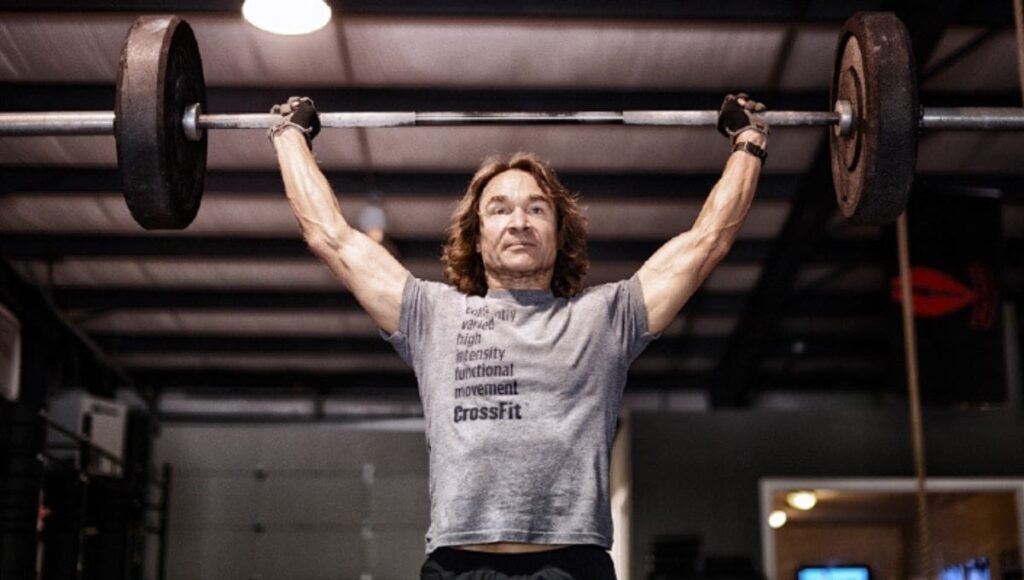


Turning 35 does not mean your best physical years are behind you. In fact, research consistently shows that adults can build muscle, increase strength, improve cardiovascular fitness, and enhance metabolic health well into later life.
However, the way the body responds to training does change with age. Hormonal shifts, slower recovery, accumulated stress, and lifestyle demands mean that strategies that worked in your 20s may no longer be optimal.
The biggest problem is not age itself. It is applying outdated or inappropriate training approaches that no longer match how the body adapts after 35. These mistakes can stall progress, increase injury risk, and leave people frustrated, tired, or convinced that fitness “just isn’t worth it anymore.”
This article breaks down the five most common fitness mistakes people make over 35, explains why they matter, and outlines evidence-based strategies to avoid them. Every claim is grounded in scientific research, with a full bibliography provided at the end.
Mistake 1: Training Like You Are Still 25

Why This Mistake Is So Common
Many people over 35 still believe that intensity alone drives results. High-volume workouts, daily max-effort sessions, minimal recovery, and “no days off” mentalities are often carried over from younger years. While these approaches may have worked before, they often backfire as the body ages.
Physiological aging is gradual, but measurable changes begin as early as the mid-30s. These changes affect recovery, connective tissue resilience, and hormonal responses to training.
What Changes After 35
One of the most important age-related changes is a reduction in anabolic hormone responses. Testosterone, growth hormone, and insulin-like growth factor-1 all play key roles in muscle protein synthesis and tissue repair. Research shows that resting levels and exercise-induced spikes in these hormones decline with age, even in healthy adults.
Muscle protein synthesis also becomes less responsive to training stimuli, a phenomenon known as anabolic resistance. This means that the same workout produces a smaller muscle-building signal compared to younger individuals.
In addition, connective tissues such as tendons and ligaments become stiffer and less elastic with age. Collagen turnover slows, making these tissues more vulnerable to overuse injuries when exposed to excessive volume or intensity without adequate recovery.
The Evidence
Longitudinal studies demonstrate that recovery time increases with age, even in trained individuals. Masters athletes, for example, require longer rest intervals between high-intensity sessions to maintain performance and avoid injury.
Research comparing younger and older adults shows that older trainees experience greater markers of muscle damage and inflammation after identical training sessions, indicating a higher recovery demand.
The Smarter Approach
Training over 35 should emphasize quality over quantity. This does not mean avoiding intensity, but rather using it strategically.
Key evidence-based adjustments include:
- Reducing weekly volume while maintaining sufficient intensity to stimulate muscle and strength gains
- Prioritizing rest days and deload weeks
- Rotating high-stress sessions with lower-intensity or skill-focused workouts
- Monitoring fatigue and performance rather than blindly following fixed programs
Studies show that periodized training programs that account for recovery capacity are more effective for older adults than constant high-volume approaches.
Mistake 2: Avoiding Heavy Strength Training
The Fear Factor
Many people over 35 believe heavy lifting is dangerous, unnecessary, or inappropriate. Common fears include joint damage, back pain, and increased injury risk. As a result, they often default to light weights, machines only, or endless high-repetition circuits.

This is one of the most damaging mistakes for long-term health and performance.
Why Strength Training Becomes More Important With Age
After the age of 30, adults lose muscle mass at a rate of approximately 3 to 8 percent per decade, a process known as sarcopenia. This loss accelerates after 50 but begins much earlier.
Muscle loss is strongly associated with reduced metabolic rate, increased fat gain, insulin resistance, reduced bone density, and higher risk of falls and fractures. Strength training is the most effective intervention for slowing or reversing these changes.
The Role of Heavy Loads
Heavy resistance training, typically defined as loads above 70 percent of one-repetition maximum, provides a strong stimulus for muscle hypertrophy, neural adaptations, and bone remodeling.
Bone mineral density responds particularly well to high mechanical loading. Studies show that heavy resistance training significantly improves bone density in middle-aged and older adults, reducing the risk of osteoporosis.
Contrary to popular belief, injury rates in properly supervised strength training are lower than in many recreational sports and even lower than in running.
The Evidence
Multiple randomized controlled trials demonstrate that adults over 40 and even over 70 can safely increase strength and muscle mass with heavy resistance training. Improvements in functional capacity, balance, and daily performance are consistently reported.
Research also shows that muscle protein synthesis rates are higher when heavier loads are used, even when total training volume is controlled.
The Smarter Approach
Heavy lifting does not mean reckless lifting. The goal is progressive overload with excellent technique and appropriate recovery.
Evidence-based guidelines suggest:
- Training major muscle groups 2 to 3 times per week
- Using compound movements such as squats, deadlifts, presses, and rows
- Working in a range of 3 to 8 repetitions for strength-focused sets
- Prioritizing technique and range of motion over maximal load
When properly programmed, heavy strength training is not just safe over 35, it is essential.
Mistake 3: Neglecting Mobility, Flexibility, and Joint Health
Why This Gets Ignored
Mobility work is often seen as optional or time-wasting, especially by people who are busy or focused on fat loss or strength goals. Stretching is frequently reduced to a quick warm-up or skipped entirely.
However, age-related changes make joint health and mobility increasingly important.
What Happens to Joints and Mobility With Age
As people age, joint cartilage becomes thinner, synovial fluid production may decrease, and connective tissues stiffen. Reduced physical activity further accelerates these changes.

Loss of joint range of motion is not just an inconvenience. It alters movement mechanics, increases compensatory patterns, and raises injury risk during both training and daily activities.
Poor mobility in the hips, ankles, thoracic spine, and shoulders is strongly associated with lower back pain, knee pain, and shoulder injuries.
The Evidence
Studies show that regular mobility and flexibility training improves joint range of motion, reduces musculoskeletal pain, and enhances movement efficiency in adults over 35.
Dynamic mobility exercises performed before training improve performance and reduce injury risk, while static stretching and mobility work performed after training or on rest days improves long-term flexibility.
Research also indicates that combining strength training with mobility work leads to greater improvements in functional movement than either approach alone.
The Smarter Approach
Mobility training should be specific, consistent, and purposeful.
Evidence-based strategies include:
- Dynamic mobility drills targeting hips, ankles, thoracic spine, and shoulders before workouts
- Controlled eccentric strength exercises to improve tissue resilience
- Static stretching or mobility flows post-training or on rest days
- Including full range of motion strength exercises rather than partial reps
Maintaining joint health is not about becoming hyper-flexible. It is about preserving usable range of motion that supports strength, power, and daily function.
Mistake 4: Relying Too Much on Cardio for Fat Loss
The Cardio Trap
Many people over 35 respond to fat gain by increasing cardio volume. Long runs, daily cycling, or hours on the treadmill become the primary strategy for weight control.
While cardiovascular exercise is beneficial for heart health, relying on cardio alone for fat loss is often ineffective and can even be counterproductive.
How Metabolism Changes With Age
Resting metabolic rate gradually declines with age, largely due to loss of lean muscle mass. Hormonal changes, including reduced insulin sensitivity and changes in appetite regulation, also affect energy balance.
Excessive steady-state cardio without sufficient resistance training can accelerate muscle loss, further reducing metabolic rate.
Additionally, long-duration cardio increases cortisol levels. Chronically elevated cortisol is associated with increased fat storage, particularly around the abdomen.
The Evidence
Studies comparing cardio-only programs to combined strength and cardio programs consistently show superior fat loss and body composition improvements when resistance training is included.
Research also demonstrates that high-intensity interval training (HIIT) provides comparable or superior cardiovascular benefits in less time, while preserving lean mass more effectively than long-duration steady-state cardio.
Strength training improves insulin sensitivity, glucose uptake, and resting energy expenditure, all of which are critical for fat loss over 35.
The Smarter Approach
Cardio should support, not replace, strength training.
Evidence-based recommendations include:
- Prioritizing resistance training as the foundation of fat loss
- Using cardio to improve cardiovascular health and increase energy expenditure
- Favoring interval-based cardio over excessive steady-state sessions
- Keeping total cardio volume appropriate for recovery capacity
This balanced approach improves fat loss, preserves muscle, and supports long-term metabolic health.
Mistake 5: Ignoring Sleep, Stress, and Recovery
The Hidden Fitness Killers
Training and nutrition often get all the attention, while sleep and stress management are treated as secondary concerns. For adults over 35, this is a major mistake.

Recovery capacity declines with age, making lifestyle factors increasingly influential on results.
The Role of Sleep in Fitness After 35
Sleep plays a critical role in muscle recovery, hormone regulation, immune function, and cognitive performance.
Studies show that sleep deprivation reduces muscle protein synthesis, increases cortisol, impairs glucose metabolism, and reduces testosterone levels in men.
Chronic poor sleep is also associated with increased injury risk, slower recovery, and reduced training adaptations.
Stress and Hormonal Balance
Psychological stress activates the hypothalamic-pituitary-adrenal axis, increasing cortisol production. While cortisol is essential for survival, chronic elevation interferes with muscle growth, fat loss, and immune function.
Adults over 35 often face higher work, family, and financial stress, compounding the effects of intense training.
The Evidence
Research consistently links adequate sleep duration and quality with better body composition, strength gains, and athletic performance.
Intervention studies show that improving sleep and stress management enhances training outcomes, even without changes in exercise volume.
The Smarter Approach
Recovery should be treated as a training variable, not an afterthought.
Evidence-based strategies include:
- Aiming for 7 to 9 hours of sleep per night
- Maintaining consistent sleep and wake times
- Reducing training intensity during high-stress periods
- Incorporating active recovery, breathing exercises, and relaxation techniques
Training harder is not always the answer. Training smarter, with recovery in mind, produces better results over 35.
Putting It All Together: Training for Longevity and Performance
Fitness after 35 is not about avoiding hard work. It is about applying stress in a way the body can adapt to, recover from, and benefit from over the long term.
The most successful approaches share common principles:
- Progressive strength training
- Intelligent recovery management
- Balanced cardio use
- Consistent mobility work
- Lifestyle habits that support hormonal and metabolic health
Research shows that adults who follow these principles not only look and perform better, but also maintain independence, reduce disease risk, and improve quality of life as they age.
Age is not the enemy. Misinformation and outdated training habits are.
References
- Ahtiainen, J.P., Pakarinen, A., Alen, M., Kraemer, W.J. and Häkkinen, K. (2003) ‘Muscle hypertrophy, hormonal adaptations and strength development during strength training in strength-trained and untrained men’, European Journal of Applied Physiology, 89(6), pp. 555–563.
- American College of Sports Medicine (2009) ‘Exercise and physical activity for older adults’, Medicine & Science in Sports & Exercise, 41(7), pp. 1510–1530.
- Bamman, M.M., Petrella, J.K., Kim, J.S., Mayhew, D.L. and Cross, J.M. (2007) ‘Cluster analysis tests the importance of myogenic gene expression during myofiber hypertrophy in humans’, Journal of Applied Physiology, 102(6), pp. 2232–2239.
- Borde, R., Hortobágyi, T. and Granacher, U. (2015) ‘Dose–response relationships of resistance training in healthy old adults’, Sports Medicine, 45(12), pp. 1693–1720.
- Cadore, E.L. and Izquierdo, M. (2015) ‘Exercise interventions in polypathological aging patients’, Sports Medicine, 45(9), pp. 1223–1241.
- Dolezal, B.A. and Potteiger, J.A. (1998) ‘Concurrent resistance and endurance training influence basal metabolic rate in nondieting individuals’, Journal of Applied Physiology, 85(2), pp. 695–700.
- Häkkinen, K., Kraemer, W.J., Newton, R.U. and Alen, M. (2001) ‘Changes in electromyographic activity, muscle fibre and force production characteristics during heavy resistance/power strength training in middle-aged and older men and women’, Acta Physiologica Scandinavica, 171(1), pp. 51–62.