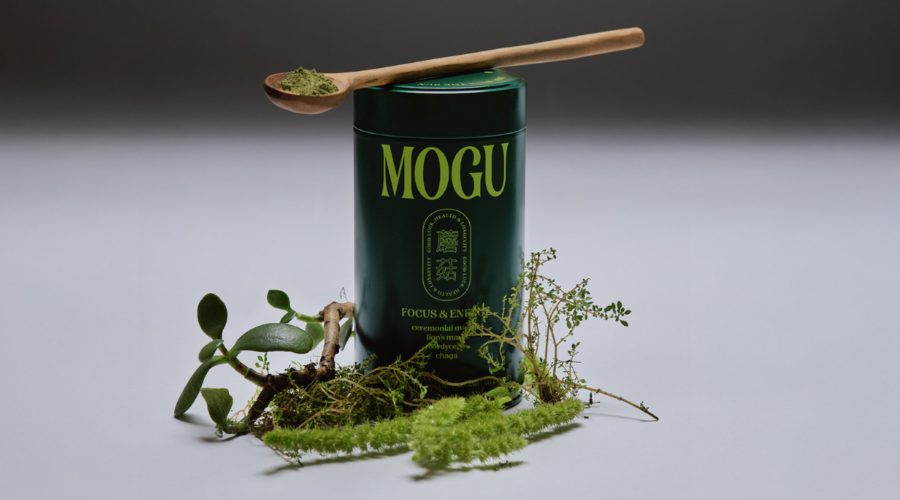


Functional Mushrooms are no longer a niche wellness trend. They are quickly becoming a daily ritual for people who want to support their energy, focus, recovery, immunity, and long term health in a natural way.
For thousands of years, cultures across Asia have used medicinal fungi to support resilience, vitality, and longevity. Today, modern research is beginning to validate many of these traditional uses. Scientists have identified a wide range of bioactive compounds in mushrooms such as beta glucans, triterpenes, polysaccharides, and antioxidants that interact with the immune system, brain, gut, and metabolism.

The new generation of functional mushroom products is designed to deliver these benefits in a simple daily format. Brands like MOGU have taken traditional mushrooms and transformed them into convenient options such as Mushroom Coffee, Mushroom Matcha, Mushroom Cacao, and targeted capsule extracts like Lion’s Mane, Cordyceps, Reishi, and Chaga.
Get 15% off with the discount code: Win2026withMOGU
Below are eight science backed reasons why Functional Mushrooms deserve a place in your daily routine.
1. Functional Mushrooms Support Better Sleep Quality
Reishi and the science of restorative sleep
Sleep is one of the most important pillars of health, yet millions of people struggle with poor sleep quality. Stress, irregular schedules, and excessive stimulation can disrupt the body’s natural rhythms.
One of the most widely studied mushrooms for sleep support is Reishi, a species known scientifically as Ganoderma lucidum. Reishi has been used for centuries in traditional medicine as a calming and restorative tonic.
Research suggests that compounds found in Reishi may influence the nervous system in ways that support relaxation and sleep regulation. These compounds include triterpenes and polysaccharides that appear to help regulate stress responses and reduce nervous system overactivity.

Animal studies have shown that extracts from Reishi can increase sleep time and improve sleep depth by modulating neurotransmitters involved in sleep regulation.
2. Functional Mushrooms Promote Digestive Health
The gut microbiome and mushroom polysaccharides
The digestive system is home to trillions of microorganisms collectively known as the gut microbiome. These microbes influence digestion, immunity, metabolism, and even mood.
Many Functional Mushrooms contain complex polysaccharides and fibers that act as prebiotics. Prebiotics feed beneficial gut bacteria and help maintain a healthy microbial balance.
Turkey Tail, Lion’s Mane, and other medicinal mushrooms contain beta glucans that stimulate the growth of beneficial bacteria while supporting immune defenses in the gut.
Research suggests that mushroom polysaccharides may help regulate inflammation in the digestive tract and support gut barrier integrity.
How MOGU Lion’s Mane Capsules support gut health
Lion’s Mane is particularly interesting because it appears to support both the digestive system and the nervous system.
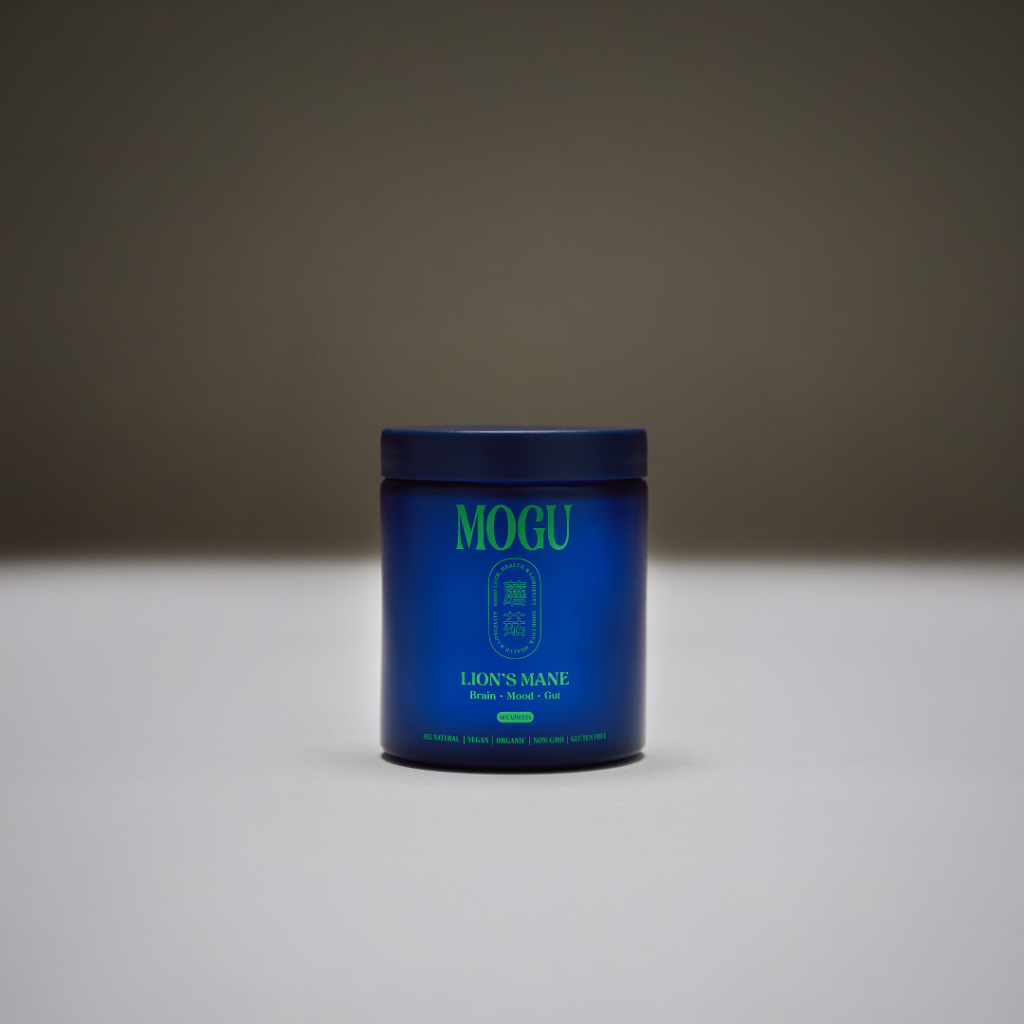
MOGU Lion’s Mane Capsules are formulated to support energy, focus, and gut health. Research suggests Lion’s Mane may help protect the stomach lining and support intestinal health through anti inflammatory effects.
Because the gut and brain communicate through the gut brain axis, improving gut health can also support cognitive performance and emotional balance.
Regular use of Functional Mushrooms may therefore contribute to better digestion, improved nutrient absorption, and stronger immune defenses.
3. Functional Mushrooms Boost Energy and Physical Performance
Cordyceps and cellular energy production
Many people rely on caffeine for energy, but Functional Mushrooms offer a different approach by supporting the body’s natural energy systems.
Cordyceps is one of the most well known mushrooms for stamina and endurance. It has been widely studied for its effects on physical performance.
Research suggests that Cordyceps may enhance the production of adenosine triphosphate, or ATP. ATP is the primary energy molecule used by cells during exercise and physical activity.
By supporting ATP production, Cordyceps may improve endurance, oxygen utilization, and overall physical performance.
Several studies have shown that Cordyceps supplementation can increase aerobic capacity and reduce fatigue during exercise.
4. Functional Mushrooms Support Skin Health
Mushrooms and hydration from within
Healthy skin depends on many internal factors including hydration, inflammation, oxidative stress, and collagen production.
Several Functional Mushrooms contain compounds that support skin structure and hydration. Snow Fungus, also known as Tremella, has been studied for its ability to hold water and improve skin moisture.
Tremella polysaccharides have a remarkable ability to bind water molecules. Some research suggests that Tremella may support skin hydration in a way similar to hyaluronic acid.
Other mushrooms such as Reishi and Chaga contain antioxidants that protect skin cells from oxidative damage caused by pollution and ultraviolet exposure.
Functional Mushrooms as part of a daily beauty routine
The MOGU approach to functional mushrooms includes ingredients that support skin health from the inside out.
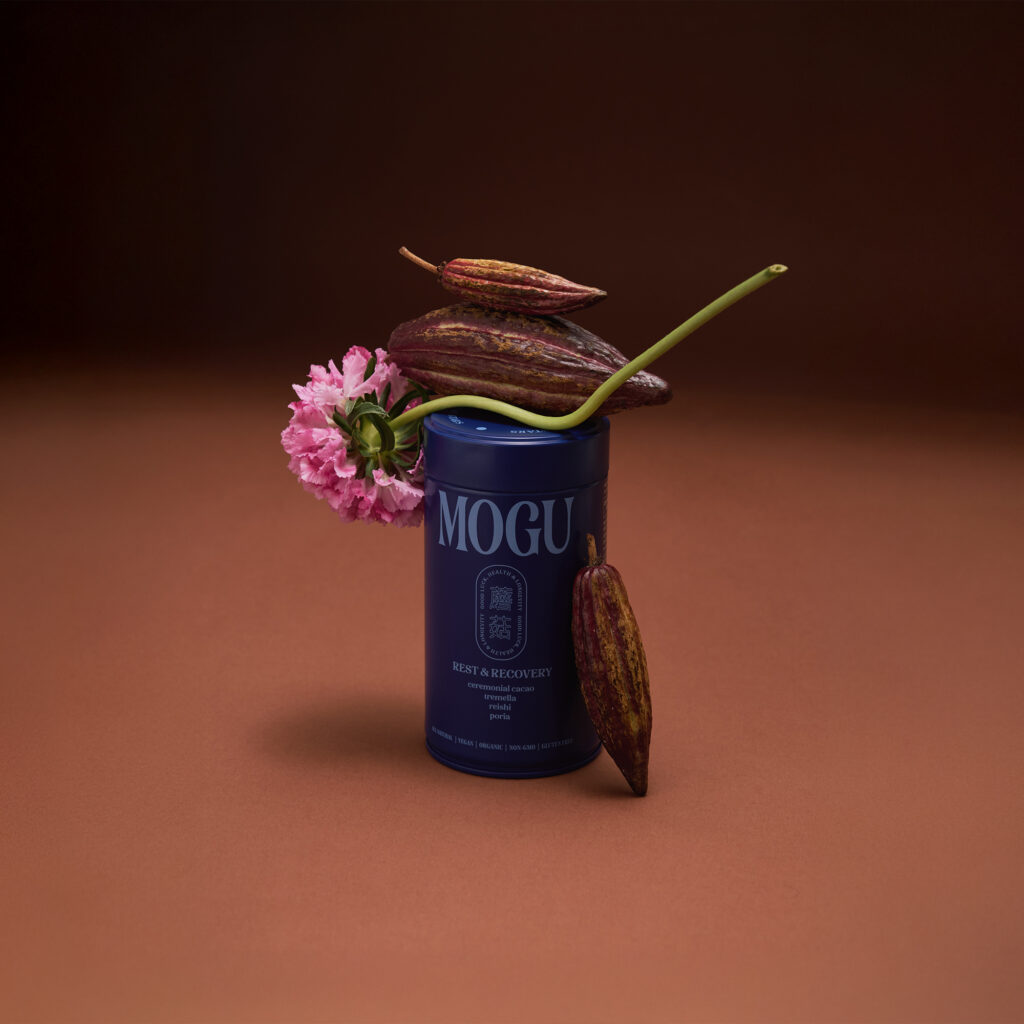
MOGU Mushroom Cacao supports recovery and balance while delivering compounds associated with antioxidant protection. These compounds help protect cells from oxidative stress that contributes to premature skin aging.
Because skin health is closely connected to inflammation and immune function, Functional Mushrooms may contribute to clearer, more resilient skin over time.
5. Functional Mushrooms Strengthen Immune Support
Beta glucans and immune system activation
One of the most studied benefits of Functional Mushrooms is immune support.
Many mushrooms contain beta glucans, which are complex carbohydrates that interact with immune cells such as macrophages and natural killer cells.
Beta glucans help train the immune system to respond more efficiently to pathogens. This process is sometimes described as immune modulation rather than simple stimulation.
Research shows that mushroom derived beta glucans can enhance immune surveillance and support the body’s natural defenses.
6. Functional Mushrooms Help Balance Mood
Adaptogenic effects of medicinal fungi
Functional Mushrooms are often described as adaptogens. Adaptogens are natural substances that help the body maintain balance during stress.
Chronic stress affects hormone regulation, immune function, sleep, and mood. Adaptogenic compounds may help regulate stress responses and restore equilibrium.
Reishi and Lion’s Mane are two mushrooms that have been studied for their effects on mood and mental wellbeing.
Reishi appears to influence inflammatory pathways associated with stress and fatigue. Lion’s Mane has been linked to improvements in mood and reduced symptoms of anxiety in several studies.
7. Functional Mushrooms Provide Powerful Antioxidant Protection
Fighting oxidative stress with Chaga and other mushrooms
Oxidative stress occurs when free radicals damage cells and tissues. Over time, oxidative stress contributes to aging and chronic disease.
Functional Mushrooms are rich in antioxidants that neutralize free radicals and protect cells from damage.
Chaga in particular has extremely high antioxidant activity due to its concentration of polyphenols and melanin compounds.
Studies show that these antioxidants may help reduce inflammation and support healthy aging.
8. Functional Mushrooms Support Cognitive Health
Lion’s Mane and nerve growth factor
One of the most exciting areas of mushroom research involves cognitive function.
Lion’s Mane mushroom contains unique compounds known as hericenones and erinacines. These compounds stimulate the production of nerve growth factor.
Nerve growth factor plays a critical role in the development and maintenance of neurons in the brain.
Studies suggest that Lion’s Mane supplementation may improve memory, focus, and cognitive performance.
Some research also indicates potential benefits for neuroprotection and healthy brain aging.
Why MOGU Functional Mushrooms Stand Out
Not all mushroom supplements are created equal. The effectiveness of Functional Mushrooms depends heavily on sourcing, extraction methods, and purity.
MOGU products emphasize several factors that influence potency and quality.
First, they use extracts derived from the fruiting body of the mushroom rather than mycelium grown on grain. The fruiting body contains higher concentrations of active compounds such as beta glucans.
Second, the extracts are concentrated to deliver more than two grams of mushroom extract per serving. This ensures that the doses align with amounts used in research studies.

Third, the formulations contain no sugars, sweeteners, or fillers. This preserves the purity of the mushrooms and prevents unnecessary additives.
Finally, the products are organic, vegan, and independently tested for quality and potency.
By combining traditional knowledge with modern extraction techniques, MOGU creates Functional Mushrooms that are easy to integrate into daily life.
Get 15% off with the discount code: Win2026withMOGU
The Bottom Line
Functional Mushrooms are one of the most promising natural tools for supporting whole body health.
Scientific research continues to reveal how these fungi influence the immune system, brain, gut microbiome, metabolism, and cellular defense systems.
From improving sleep quality and digestion to boosting energy, mood, skin health, and cognitive function, Functional Mushrooms offer a wide range of benefits backed by both traditional use and modern science.
As more research emerges, it is becoming clear that Functional Mushrooms are not just another wellness trend. They are a powerful category of functional foods that support resilience, performance, and long term health.
For anyone looking to upgrade their daily routine, Functional Mushrooms may be one of the most effective additions you can make.
References
• Badalyan, S., Barkhudaryan, A. and Rapior, S. (2019). The medicinal aspects of edible mushrooms. Applied Microbiology and Biotechnology.
• Das, S., Dey, A. and Dey, N. (2020). Therapeutic potentials of Ganoderma lucidum in health and disease. Pharmacological Reports.
• Friedman, M. (2016). Mushroom polysaccharides and their health benefits. Journal of Agricultural and Food Chemistry.
• He, X., Wang, X., Fang, J., Chang, Y., Ning, N. and Guo, H. (2017). Polysaccharides in medicinal mushrooms and their health effects. International Journal of Biological Macromolecules.
• Hobbs, C. (2000). Medicinal value of Lentinus edodes and Ganoderma lucidum. Alternative Medicine Review.
• Lindequist, U., Niedermeyer, T. and Julich, W. (2005). The pharmacological potential of mushrooms. Evidence Based Complementary and Alternative Medicine.
• Patel, S. and Goyal, A. (2012). Recent developments in mushrooms as anti cancer therapeutics. Biotechnology Advances.
• Rossi, P., Difrancesco, J., Quagliariello, N., Savino, E. and Riva, A. (2018). Effects of Cordyceps supplementation on exercise performance. Journal of Dietary Supplements.
• Thongbai, B., Rapior, S., Hyde, K. and Wittstein, K. (2015). Hericenones and erinacines from Lion’s Mane and their neurological benefits. International Journal of Medicinal Mushrooms.
• Wasser, S. (2014). Medicinal mushroom science and therapeutic applications. International Journal of Medicinal Mushrooms.