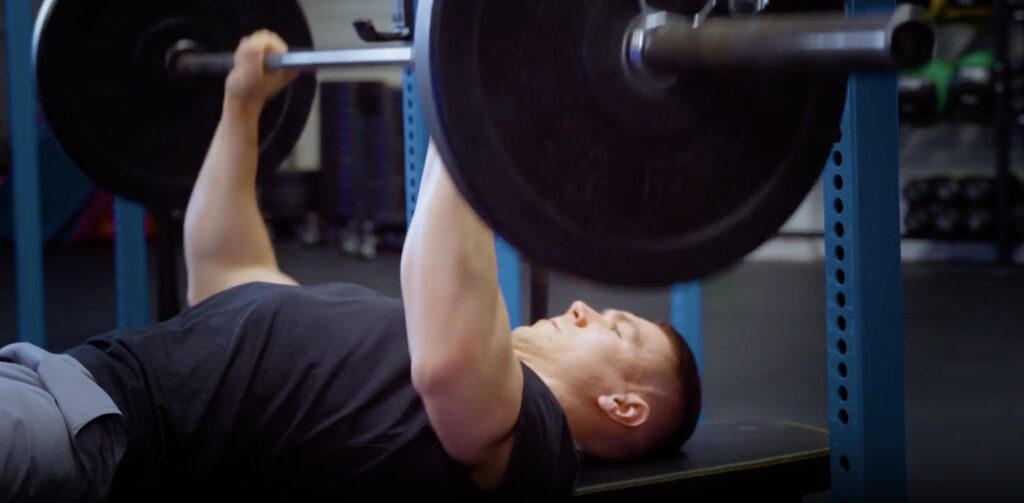


Most gym mistakes do not show up immediately. That is what makes them dangerous. You can ego lift for months before your shoulder starts hurting. You can skip warm ups for years before a muscle strain sidelines you. You can keep training through injuries until a minor problem becomes a major one that requires months away from the gym.
The frustrating part is that many of these habits feel productive in the moment. Adding more weight to the bar looks like progress. Jumping straight into working sets saves time. Ignoring pain can feel mentally tough. Yet sports science and injury research consistently show that these habits often increase injury risk, reduce training quality, and limit long term progress.



The best athletes in the world do not stay healthy and perform at a high level because they are lucky. They follow training practices that maximize performance while minimizing unnecessary risk. Recreational lifters can learn from the same principles.
If you want to keep building strength, muscle, fitness, and athletic performance for years to come, there are three things you should change right now: stop ego lifting, start taking warm ups seriously, and learn to train around injuries instead of through them.
Ego Lifting Is Slowing Your Progress
Ego lifting is one of the most common mistakes in gyms around the world. The term refers to using more weight than you can safely and effectively handle, usually to impress others, satisfy your own pride, or chase numbers that your body is not ready for.
Almost everyone has done it at some point. You see someone lifting a certain weight and decide you should be able to match it. You add extra plates because the weight feels too light for your ego even though it is challenging enough for your muscles. You sacrifice technique just to say you lifted a certain number.
5 Signs You Are Actually Fitter Than You Think
The problem is that strength training works best when the target muscles receive sufficient mechanical tension while movement quality remains high. Once technique begins to break down, the exercise often becomes less effective and significantly more risky.
Why Technique Matters More Than Load
Strength and hypertrophy adaptations are driven by progressive overload, but progressive overload does not simply mean adding weight at all costs. Research consistently shows that resistance training performed through a full range of motion with proper technique can produce superior muscle growth compared to partial repetitions or poorly executed movements.
When technique deteriorates, forces are often transferred away from the intended muscles and toward passive structures such as ligaments, tendons, and joints. This can increase stress on tissues that are less capable of handling excessive loads.

For example, a lifter performing a heavy squat with excessive forward lean may place greater stress on the lower back. A bench press performed with poor shoulder positioning may increase strain on the shoulder joint. A deadlift performed with compromised spinal mechanics may expose tissues to forces they are not prepared to tolerate.
The issue is not that heavy lifting is dangerous. Heavy lifting is extremely effective when performed correctly. The issue is lifting heavier than your current capabilities allow.
The Hidden Cost of Chasing Numbers
Many lifters assume that adding more weight automatically leads to better results. In reality, the relationship is more complicated. Studies comparing different loading strategies show that muscle growth can occur across a wide range of loads as long as sets are performed with sufficient effort. This means that adding weight beyond what you can control does not necessarily create additional muscle growth benefits.
In some cases, ego lifting actually reduces training stimulus because the target muscle spends less time under meaningful tension. Momentum, compensatory movement patterns, and shortened ranges of motion can all reduce the effectiveness of an exercise. Consider the classic gym example of someone performing barbell curls with excessive body swing. The weight on the bar may be impressive, but much of the work is being performed by momentum rather than the biceps.
The same principle applies to many compound exercises. More weight does not always equal more productive training.
Ego Lifting and Injury Risk
Research on resistance training injuries shows that improper technique, excessive loading, and poor exercise execution are common contributors to injury. Most gym injuries do not happen because someone picked up a dumbbell. They happen because the load exceeded the individual’s ability to control it safely.
Tendons, ligaments, muscles, and joints adapt more slowly than motivation. Your confidence can increase much faster than your tissues’ ability to tolerate stress.
This mismatch creates a dangerous situation. A lifter may feel ready for heavier loads long before their connective tissues have adapted sufficiently.

The result can range from minor strains and tendon irritation to more serious injuries that require extended rehabilitation.
What to Do Instead
The solution is not to avoid challenging weights. Instead, focus on earning heavier loads through consistent progression.
Use controlled repetitions. Maintain proper range of motion. Track performance over time. Add weight when your technique remains stable across all prescribed repetitions.
Many successful strength coaches use the principle that technique determines load selection. If technique deteriorates significantly, the weight is too heavy regardless of what the plates say.
Ironically, lifters who stop ego lifting often become stronger faster. Better movement quality allows for greater training consistency, more productive volume, and fewer interruptions from injuries.
Stop Skipping Your Warm Up
Few gym habits are as widespread as skipping warm ups.
Many people walk into the gym, perform a few arm circles, and immediately start their heaviest working sets. Others skip preparation entirely because they are short on time.
While warm ups are often viewed as optional, sports science suggests they play an important role in both performance and injury prevention.
A proper warm up is not about wasting time. It is about preparing your body and nervous system for the demands of training.
What Happens During a Warm Up?
Warm ups produce several physiological changes that can improve exercise performance.
Body temperature increases. Blood flow to working muscles rises. Nerve conduction velocity improves. Joint mobility often increases. Muscles become more compliant. The cardiovascular system gradually prepares for greater demands.
These changes can improve force production, movement efficiency, and exercise readiness.
Research has repeatedly demonstrated that warm ups can enhance strength, power, sprint performance, and athletic performance across a variety of activities.
The body generally performs better when it has been gradually prepared for intense work rather than being thrown into it abruptly.
Warm Ups and Injury Prevention
The relationship between warm ups and injury prevention is complex, but evidence strongly supports structured warm up programs in reducing injury rates among athletes.
Large studies involving athletic populations have shown that comprehensive warm up routines can significantly reduce both acute and overuse injuries.
One reason may be improved movement quality. When muscles and joints are prepared for activity, movements often become smoother and more coordinated.
Another factor is gradual tissue loading. Tendons, muscles, and connective tissues may tolerate stress more effectively when loading increases progressively rather than suddenly.
Although no warm up can eliminate injury risk entirely, skipping preparation removes a potentially valuable protective strategy.
Why General Warm Ups Are Not Enough
Many lifters believe that five minutes on a treadmill is all they need. General cardiovascular activity is useful, but it should not be the entire warm up. The most effective warm ups are often specific to the exercises being performed.

If you are preparing for squats, performing progressively heavier squat sets is far more relevant than cycling alone. If you are about to bench press, gradually increasing bench press loads prepares the exact muscles and movement patterns required.
This concept is known as specificity. The closer the warm up resembles the upcoming activity, the greater the transfer.
A Practical Warm Up Strategy
A good gym warm up does not need to be complicated.
- Start with a few minutes of light movement to increase body temperature.
- Follow this with dynamic mobility exercises that address the joints and muscles involved in the session.
- Then perform several progressively heavier warm up sets of your primary exercise.
For example, before heavy squats, you might perform bodyweight squats, then an empty bar, followed by gradually heavier sets before reaching your working weight. This process prepares muscles, joints, connective tissues, and the nervous system while allowing you to assess how your body feels that day.
Warm Ups Improve Performance Too
Many people view warm ups purely as injury prevention tools, but they can also improve training quality. Research has shown that athletes often generate greater force and power following appropriate warm up protocols.
That means warm ups may help you lift more weight, move more explosively, and perform more repetitions. In other words, skipping your warm up may actually hurt the very performance you are trying to maximize. The few minutes invested at the beginning of a workout can pay dividends throughout the entire session.
Stop Training Through Injuries and Start Training Around Them
Perhaps the most damaging gym habit is the belief that pain should always be ignored. Many people wear the phrase “no pain, no gain” like a badge of honor. They continue training through injuries because they fear losing progress.
Unfortunately, this mindset often creates bigger problems. Sports medicine has evolved significantly over the past few decades. Modern evidence suggests that intelligently modifying training is often far superior to blindly pushing through pain.
Pain Is Information
Pain is not always a sign of serious damage, but it is valuable information. When pain occurs consistently during a movement, it often indicates that the body is struggling to tolerate current training demands.
Ignoring this information rarely makes the problem disappear. In some cases, continuing to aggravate painful tissues can prolong recovery and increase symptom severity. Pain should not automatically lead to complete rest, but it should trigger thoughtful decision making.
Why Complete Rest Is Not Always the Answer
Historically, many injuries were treated with extended periods of inactivity. Modern rehabilitation research paints a different picture. Appropriately dosed movement and loading often support recovery better than complete immobilization.
Muscles weaken when unused. Tendons can lose capacity. Cardiovascular fitness declines. Psychological confidence may decrease. The goal is usually not to stop training entirely. The goal is to continue training in a way that respects the injury. This distinction is critical.
What It Means to Train Around an Injury
Training around an injury means modifying exercises, loads, ranges of motion, frequency, or training volume to reduce aggravation while maintaining fitness and performance. For example, a lifter with shoulder pain during barbell bench press may tolerate dumbbell pressing, push ups, machine pressing, or lower training loads.

Someone with knee pain during deep squats may temporarily use alternative squat variations, adjust depth, or emphasize other lower body exercises. A runner with an irritated Achilles tendon may reduce running volume while maintaining cardiovascular fitness through cycling or swimming.
The exact strategy depends on the injury, but the principle remains the same. Stay active whenever possible without repeatedly provoking symptoms.
The Science Behind Relative Rest
Many modern rehabilitation approaches emphasize relative rest rather than complete rest. Relative rest involves reducing or modifying activities that aggravate symptoms while maintaining as much normal activity as possible.
Research on tendinopathies, musculoskeletal injuries, and rehabilitation consistently supports progressive loading as a key component of recovery. Tissues often adapt positively to appropriately prescribed stress.
Complete avoidance of all loading can sometimes delay the restoration of strength, capacity, and function. This does not mean you should push through severe pain. Instead, it means finding a level of activity that promotes recovery rather than hindering it.
The Psychological Trap of Training Through Pain
One reason people continue training through injuries is fear. They fear losing muscle. They fear losing strength. They fear falling behind. While these concerns are understandable, the reality is often less dramatic.
Research shows that muscle mass and strength are generally maintained reasonably well during short periods of modified training. Significant losses usually take longer than most people assume. A few weeks of intelligent adjustment is far better than several months lost to a preventable injury.
The strongest athletes are often not those who never get injured. They are the ones who manage injuries effectively and return to full training as quickly as possible.
When Professional Help Matters
Not every ache requires medical intervention, but persistent pain should not be ignored indefinitely. Pain that worsens over time, significantly limits function, or does not improve with sensible modifications deserves professional evaluation.
Physical therapists, sports medicine physicians, and qualified rehabilitation specialists can often identify contributing factors and create individualized management plans. Early intervention frequently prevents minor issues from becoming major setbacks.
The Bigger Picture: Train for the Long Game
Fitness is not defined by what happens in a single workout, week, or even a few months of hard training. Real success comes from what you can sustain over years and decades. The most successful lifters are rarely those who push the hardest for short periods before burning out or getting injured. They are the people who train consistently, stay healthy, and continue showing up year after year.
That is why habits such as ego lifting, skipping warm ups, and trying to train through injuries can be so damaging. Ego lifting often compromises technique and increases injury risk, skipping warm ups leaves the body less prepared for the demands of training, and pushing through injuries can turn minor issues into major setbacks. Each of these mistakes creates obstacles to long term progress.
The solution is not to train with less effort but to train with greater intelligence. Use loads you can control, prepare your body properly before each session, and respect pain signals by modifying training when necessary. These habits may not look impressive on social media or satisfy the desire to constantly push harder, but they will keep you healthy, progressing, and enjoying training for much longer. Ultimately, the biggest gains come from consistency, and consistency depends on sustainability. The sooner you recognize that, the sooner your training will start working with your body rather than against it.
Key Takeaways
| Habit to Change | Why It Is a Problem | Better Alternative |
|---|---|---|
| Ego lifting | Increases injury risk, reduces exercise quality, and may limit muscle stimulation | Use loads that allow proper technique and progressive overload |
| Skipping warm ups | Reduces readiness for training and may increase injury risk | Perform general movement, dynamic preparation, and exercise specific warm up sets |
| Training through injuries | Can worsen symptoms and extend recovery time | Modify training and maintain activity through relative rest and exercise adjustments |
References
- Afonso, J., Clemente, F.M., Nakamura, F.Y., Morouço, P., Sarmento, H. and Inman, R.A., 2021. The effectiveness of post activation performance enhancement methods on sprinting and jumping performance. International Journal of Environmental Research and Public Health, 18(1), pp.1-18.
- Behm, D.G. and Chaouachi, A., 2011. A review of the acute effects of static and dynamic stretching on performance. European Journal of Applied Physiology, 111(11), pp.2633-2651.
- Borde, R., Hortobágyi, T. and Granacher, U., 2015. Dose response relationships of resistance training in healthy old adults. Sports Medicine, 45(12), pp.1693-1720.
- Faigenbaum, A.D., McFarland, J.E., Schwerdtman, J.A., Ratamess, N.A., Kang, J. and Hoffman, J.R., 2010. Dynamic warm up protocols, with and without a weighted vest, and fitness performance in high school female athletes. Journal of Athletic Training, 45(5), pp.462-470.
- Gabbett, T.J., 2016. The training injury prevention paradox: should athletes be training smarter and harder? British Journal of Sports Medicine, 50(5), pp.273-280.
- Lauersen, J.B., Bertelsen, D.M. and Andersen, L.B., 2014. The effectiveness of exercise interventions to prevent sports injuries. British Journal of Sports Medicine, 48(11), pp.871-877.
- McCrary, J.M., Ackermann, B.J. and Halaki, M., 2015. A systematic review of the effects of upper body warm up on performance and injury. British Journal of Sports Medicine, 49(14), pp.935-942.
- Schoenfeld, B.J., Ogborn, D. and Krieger, J.W., 2017. Strength and hypertrophy adaptations between low versus high load resistance training. Journal of Strength and Conditioning Research, 31(12), pp.3508-3523.
- Soligard, T., Myklebust, G., Steffen, K., Holme, I., Silvers, H., Bizzini, M., Junge, A., Dvorak, J., Bahr, R. and Andersen, T.E., 2008. Comprehensive warm up programme to prevent injuries in young female footballers. British Medical Journal, 337, pp.1-9.
- Suchomel, T.J., Nimphius, S. and Stone, M.H., 2016. The importance of muscular strength in athletic performance. Sports Medicine, 46(10), pp.1419-1449.
- van der Vlist, A.C., Winters, M., Weir, A., Ardern, C.L., Welton, N.J., Caldwell, D.M., Verhaar, J.A.N., de Vos, R.J. and Bierma Zeinstra, S.M.A., 2020. Which treatment is most effective for patients with Achilles tendinopathy? British Journal of Sports Medicine, 55(5), pp.249-256.
- Wernbom, M., Augustsson, J. and Thomeé, R., 2007. The influence of frequency, intensity, volume and mode of strength training on whole muscle cross sectional area in humans. Sports Medicine, 37(3), pp.225-264.
- Wilk, K.E., Arrigo, C.A., Hooks, T.R. and Andrews, J.R., 1993. Rehabilitation of the overhead throwing athlete. Sports Medicine, 15(5), pp.305-354.