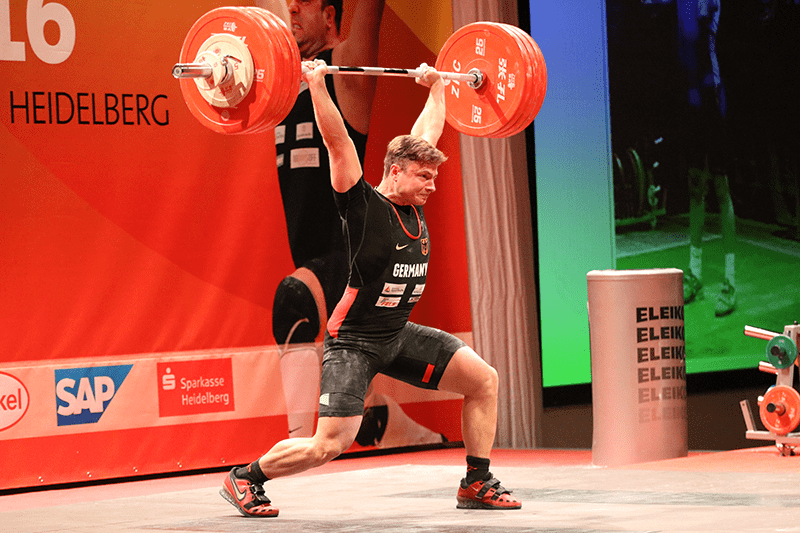


Can exercise reduce the risk of cancer? You would think so, no? Or is that just you assuming that exercising is the answer to any biological problem or disease a person might have? Here is what we know so far and what you should know as well.
The intricate relationship between exercise and cancer prevention continues to be a topic of significant scientific interest. Although establishing a direct link between physical activity and cancer risk reduction isn’t as straightforward as it is for cardiovascular diseases, emerging research is beginning to shed light on how regular exercise may play a pivotal role in both lowering the risk of developing cancer and improving outcomes for those already diagnosed.
Exercise’s potential to modulate risk factors associated with cancers such as breast and colon cancer—two of the most common cancers globally—highlights its importance in public health strategies.
The information for this article was extracted from a conversation between Petter Attia and Patrick Rhonda. Peter Attia is a prominent figure in longevity, health optimization, and medicine. Through his medical practice and involvement in research initiatives, Attia focuses on extending lifespan and improving quality of life. A thought leader in health and wellness, he communicates complex medical concepts effectively, emphasizing the significance of nutrition, exercise, and lifestyle choices in optimizing health and longevity.
Dr. Rhonda Patrick is a highly accomplished researcher with a diverse background in biomedical sciences. As a postdoctoral fellow at Children’s Hospital Oakland Research Institute, she explored the impact of micronutrient deficiencies on metabolism, inflammation, DNA damage, and aging. Driven by a goal to reshape conventional health perspectives, Patrick advocates for a proactive, preventative approach to health and longevity.
Can Exercise Reduce the Risk of Cancer?
By influencing hormonal balances, boosting immune function, and reducing inflammation, physical activity offers a promising avenue for cancer prevention and management. But let’s not get ahead of ourselves. Below are 5 topics discussed by Patrick and Attia about whether exercise can reduce the risk of cancer.
1. Direct Impact on Cancer Risk: Physical activity has been consistently associated with a decreased risk of several major cancers, especially breast and colon cancer. Research highlights that regular exercise helps mitigate risk factors associated with these cancers, which could be linked to its role in hormonal regulation and immune function enhancement. “Regular exercise modulates the hormonal milieu, which could potentially lower the risk of hormone-related cancers,” explains Dr. Rhonda Patrick. This modulation includes reducing levels of estrogen and insulin, hormones that have been implicated in cancer development and progression.
2. Impact on Cancer Progression and Recurrence: For individuals diagnosed with cancer, engaging in physical activity is not only beneficial for overall health but also critical in reducing the risk of cancer recurrence and lowering mortality. Studies have shown significant reductions in both these outcomes, particularly for breast and colon cancers. Dr. Rhonda Patrick notes, “Physical activity after diagnosis is linked with a nearly 50% reduction in the recurrence and mortality rates of breast and colon cancer.” This suggests that exercise should be a part of standard cancer care protocols.
3. Mechanisms of Action: Exercise influences a variety of biological mechanisms that contribute to these protective effects:
- Reduction of Insulin and Insulin-like Growth Factors: These substances can promote the growth and spread of cancer cells. Exercise reduces their levels, thereby potentially inhibiting cancer development.
- Improvement in Immunity: Exercise boosts the immune system’s ability to detect and eliminate cancer cells. “Engaging in regular physical activity strengthens the immune surveillance against pathological cells, including those of cancer,” states Dr. Rhonda Patrick.
- Anti-inflammatory Effects: Chronic inflammation is a known risk factor for cancer. Exercise helps reduce inflammation throughout the body, which could reduce the risk of cancer. Dr. Patrick adds, “The anti-inflammatory effects of exercise are well-documented and could play a role in reducing the initiation and progression of cancer.”
4. Exercise Recommendations: Guidelines suggest significant health benefits from regular aerobic exercise, recommending 150-300 minutes per week at moderate intensity, or 75-150 minutes at vigorous intensity. “The protective effects of aerobic exercise against cancer are compelling, indicating that more may indeed be better to some extent,” comments Dr. Patrick.
5. Obesity and Cancer: Obesity increases the risk of various cancers. Exercise plays a crucial role in weight management, which indirectly lowers cancer risk associated with high body fat levels. Dr. Patrick emphasizes, “Maintaining a healthy weight through exercise can significantly reduce the risk of cancer linked to obesity.”
Best Exercises to Live Longer and Healthier

While the interaction between exercise and cancer prevention involves complex biological mechanisms, the existing evidence robustly supports the beneficial impacts of physical activity. Regular engagement in exercise not only reduces the likelihood of developing cancer but also diminishes the risk of recurrence and lowers mortality rates among cancer survivors, particularly for prevalent forms such as breast and colon cancer.
These benefits are mediated through various physiological changes, including improved immune surveillance, reduced inflammation, and hormonal regulation. Given these significant health benefits, incorporating regular exercise into daily routines emerges as a critical public health recommendation.
It represents a cost-effective, universally accessible intervention that could substantially reduce the burden of cancer worldwide. Thus, promoting physical activity is not just a lifestyle choice but a public health imperative that warrants more vigorous efforts and policies to increase its adoption across diverse populations.
Watch the video for more information.