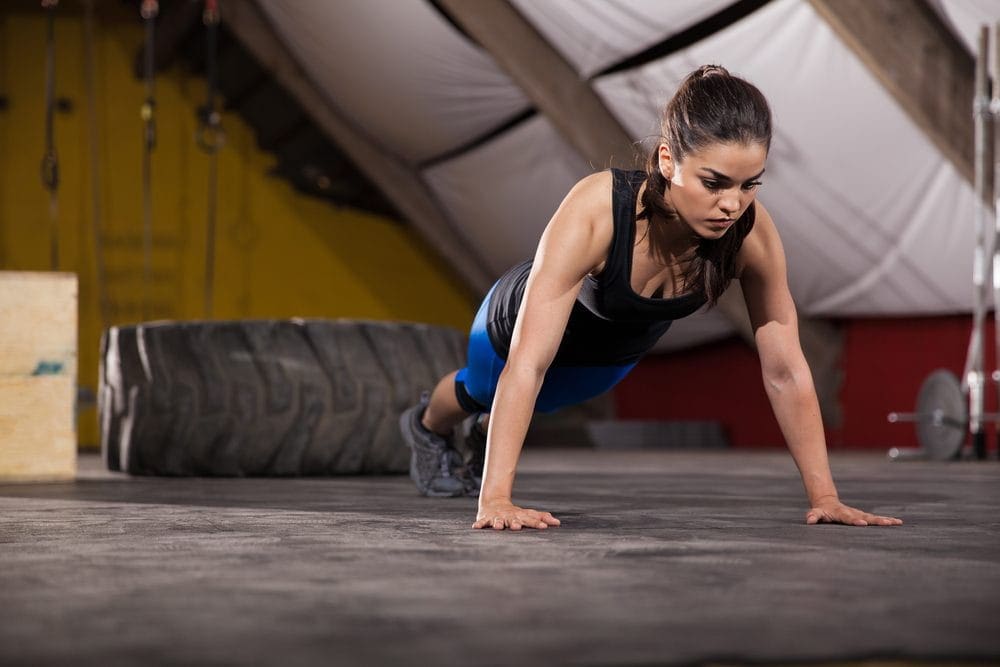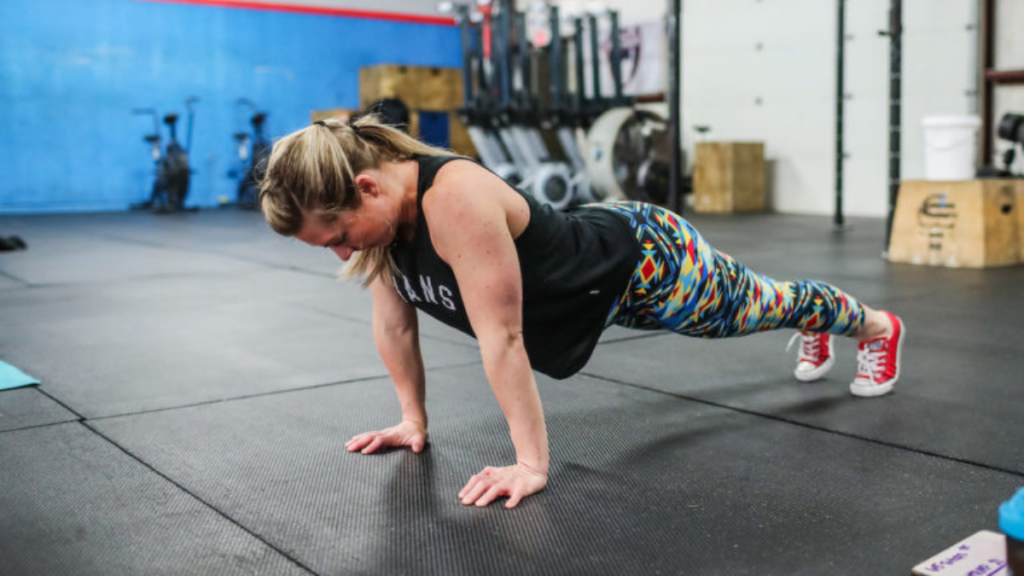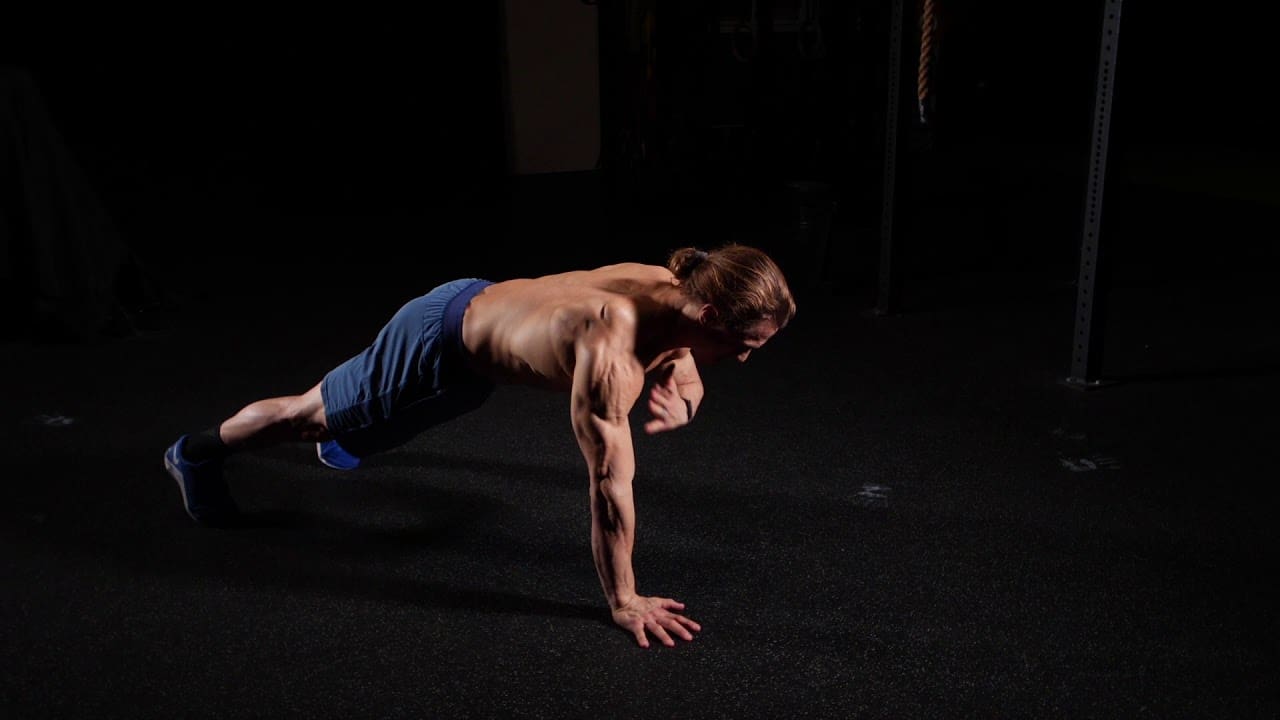


If you want a shredded six pack, doing endless sit ups is not the answer.
Sit ups have been a staple of ab training for decades. They are simple, require no equipment, and create that familiar burn in your midsection. But modern sports science paints a very different picture of how the core actually functions — and how it should be trained.


Your core is not just a “six pack muscle.” It is a complex system designed to resist movement, transfer force, and stabilize your spine under load. If you want visible abs and high-performance athletic strength, you need exercises that challenge the core the way it is built to work.
This article breaks down five calisthenics core exercises that are better than sit ups for building a shredded six pack. Each one is backed by scientific evidence and explained in a practical, easy-to-follow way.
Before we dive into the exercises, let’s look at why sit ups fall short.
Why Sit Ups Are Overrated
Sit Ups Overload the Hip Flexors
During a traditional sit up, the hip flexors do a significant amount of the work. Research examining muscle activation patterns during abdominal exercises has shown that sit ups produce high activation in the rectus abdominis but also substantial activation of the iliopsoas, a major hip flexor muscle.
When the hip flexors dominate the movement, the pelvis can tilt forward and increase stress on the lumbar spine. Over time, this can contribute to lower back discomfort, particularly in people who already sit for long periods.

Your abs are supposed to stabilize the spine, not repeatedly flex it under load.
Repeated Spinal Flexion May Increase Injury Risk
Biomechanical research has shown that repeated loaded spinal flexion can contribute to disc stress. While bodyweight sit ups are not inherently dangerous, performing hundreds of repetitions regularly may not be the smartest strategy for long-term spinal health.
The spine is designed for stability under load, not endless flexion cycles.
Sit Ups Don’t Train the Core’s Primary Function
The core’s primary function is to resist movement — not create it. It resists extension, rotation, and lateral bending to protect the spine and transfer force between the upper and lower body.
Research analyzing core stability highlights that the abdominal muscles play a major role in stabilizing the lumbar spine through increased intra-abdominal pressure and stiffness, not just flexion.
If your goal is a shredded six pack and real-world strength, you need exercises that challenge the core to resist motion under tension.
That’s where calisthenics shines.
What Actually Builds a Shredded Six Pack
Before we get to the exercises, here’s the truth:
A visible six pack requires two things:
- Developed abdominal muscles.
- Low enough body fat to see them.
Core training builds the muscle. Nutrition and overall energy balance determine how visible those muscles are. No exercise alone can spot reduce fat from your stomach.
Resistance training increases muscle thickness and strength, while maintaining a caloric deficit reduces body fat. Both are essential.
Now let’s look at five calisthenics core exercises that outperform sit ups for building stronger, more defined abs.
1. The Front Plank (and Its Progressions)
Why It’s Better Than Sit Ups
The front plank trains your abs to resist spinal extension — one of their primary functions.
Electromyography (EMG) research comparing abdominal exercises consistently shows high activation of the rectus abdominis and external obliques during plank variations, often comparable to or greater than traditional crunch or sit up movements.
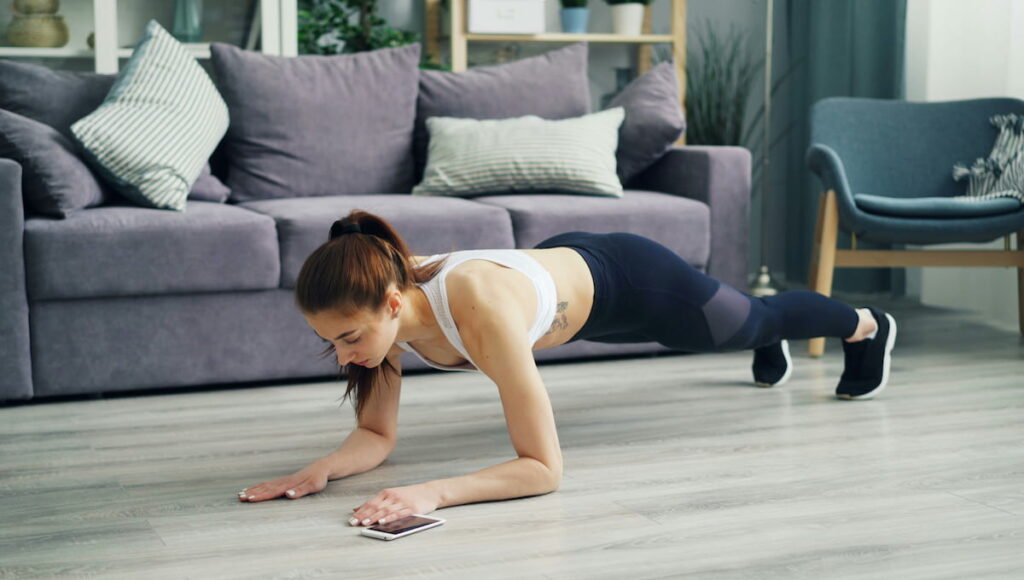
Unlike sit ups, the plank minimizes spinal flexion and emphasizes isometric stability. This aligns with how the core functions during athletic tasks like sprinting, lifting, and jumping.
How to Do It
- Place your forearms on the floor, elbows under shoulders.
- Extend your legs straight behind you.
- Brace your abs as if preparing for a punch.
- Keep your ribs down and glutes tight.
- Hold without letting your hips sag.
How to Progress
- Lift one leg.
- Lift one arm.
- Move into a long-lever plank (elbows slightly forward).
- Perform plank shoulder taps.
Long-lever planks significantly increase abdominal activation due to the extended moment arm, forcing the abs to resist greater extension torque.
Why It Builds a Shredded Six Pack
High levels of muscular tension are a key driver of hypertrophy. Planks create sustained tension in the rectus abdominis and transverse abdominis, contributing to muscle growth and core stiffness.
They also train deep core muscles that help create a tighter, flatter midsection.
2. Hanging Leg Raises
Why They’re Better Than Sit Ups
Hanging leg raises challenge the abs to resist spinal extension while also producing controlled hip flexion.
EMG studies have shown that hanging leg raises produce very high rectus abdominis activation — often higher than traditional crunch variations. The need to stabilize the pelvis while the legs move increases core demand dramatically.

Additionally, grip and shoulder stability are involved, increasing overall systemic tension.
How to Do Them
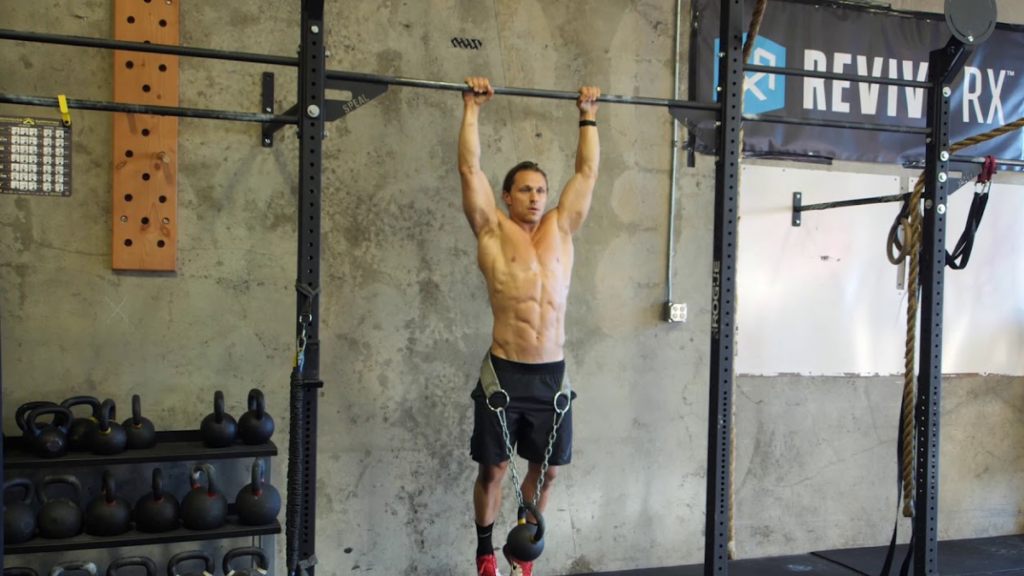
- Hang from a pull-up bar with active shoulders.
- Engage your abs before lifting your legs.
- Raise your legs to at least 90 degrees.
- Avoid swinging.
- Lower slowly under control.
Common Mistake
If you simply swing your legs upward using momentum, you shift tension away from the abs. The key is posterior pelvic tilt — think about curling your pelvis upward at the top.
Why They Build a Shredded Six Pack
The lower fibers of the rectus abdominis are heavily engaged during leg raise variations. When performed with strict control and progressive overload (increasing reps, slowing tempo, or adding ankle weights), they provide strong hypertrophy stimulus.
They also demand high core stability, making them superior to sit ups for functional strength.
3. Ab Wheel Rollouts (or Bodyweight Rollouts)
Why They’re Better Than Sit Ups
Ab wheel rollouts are one of the most demanding anti-extension core exercises available.
Research comparing abdominal exercises found that rollout variations produce extremely high rectus abdominis activation due to the large extension torque placed on the spine. The further you roll out, the greater the demand on the core to resist collapse.
This directly trains the abs in their primary role: preventing spinal hyperextension.
How to Do Them
- Start kneeling with hands on an ab wheel.
- Brace your core.
- Slowly roll forward, extending your arms.
- Go as far as you can while maintaining a neutral spine.
- Pull back using your abs, not your hips.
If you do not have a wheel, barbell rollouts or sliding towel rollouts work well.
Why They Build a Shredded Six Pack
Rollouts create high tension in both the rectus abdominis and transverse abdominis. The anti-extension demand stimulates muscle growth while also strengthening deep stabilizers.
Compared to sit ups, rollouts create far greater lever-based stress on the abs, increasing training intensity without high spinal flexion volume.
4. Side Planks
Why They’re Better Than Sit Ups
Sit ups largely ignore the lateral stabilizers of the core. Side planks train the obliques and quadratus lumborum to resist lateral flexion.
Research examining side plank variations shows significant activation of the external obliques and internal obliques. These muscles are critical for rotational power and spinal stability.
Strong obliques contribute to that carved, athletic midsection look.
How to Do Them
- Lie on your side with elbow under shoulder.
- Stack your feet.
- Lift your hips to create a straight line.
- Brace and hold.
Progressions
- Lift the top leg.
- Add hip dips.
- Extend the lever by placing feet further from elbow.
Why They Build a Shredded Six Pack
The obliques form the “frame” of your six pack. Developing them enhances definition and creates visible lines along the sides of the abs.
Side planks improve lateral stability, which supports heavy compound lifts that further drive abdominal growth.
5. Hollow Body Holds
Why They’re Better Than Sit Ups
The hollow body hold is a staple in gymnastics for a reason. It demands full anterior core engagement while maintaining posterior pelvic tilt.
EMG research on similar anti-extension and hollowed positions shows strong activation of the rectus abdominis and deep stabilizers.
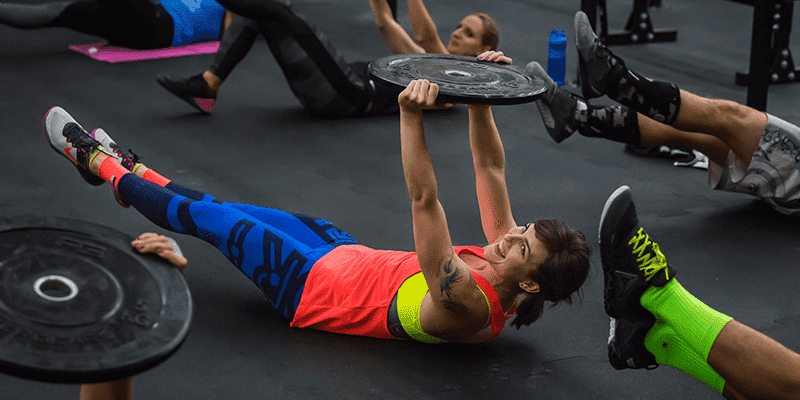
Unlike sit ups, hollow holds teach you to control your pelvis and ribcage position — a key factor in both aesthetics and performance.
How to Do Them
- Lie on your back.
- Press your lower back into the floor.
- Lift shoulders and legs off the ground.
- Keep arms extended overhead.
- Hold tension throughout.
Regressions
- Bend knees.
- Keep arms at your sides.
- Reduce leg height.
Why They Build a Shredded Six Pack
The hollow hold creates continuous tension across the entire anterior core. It improves neuromuscular control and builds endurance and strength simultaneously.
It also transfers directly to advanced calisthenics skills like handstands and front levers.
Why These Exercises Outperform Sit Ups
1. They Train Anti-Movement
Modern spine biomechanics research emphasizes that stability, not repeated flexion, is central to spinal health and performance. Anti-extension, anti-rotation, and anti-lateral flexion exercises better reflect how the core functions.
2. They Create Higher Tension
Longer lever arms increase torque and muscular demand. Exercises like rollouts and hanging leg raises increase the moment arm acting on the spine, forcing the abs to produce greater tension.
Tension is a primary driver of muscle growth.
3. They Reduce Excessive Spinal Flexion
While some spinal flexion is normal, high-volume repetitive flexion under fatigue may increase stress on intervertebral discs. These calisthenics movements limit that exposure while still delivering strong muscular stimulus.
4. They Improve Athletic Performance
Core stability enhances force transfer between the lower and upper body. Research in athletic populations shows that improved core stability is associated with better performance in sprinting, throwing, and jumping tasks.
Sit ups do little to improve this transfer of force.
Programming These Exercises for a Shredded Six Pack
Here is a simple weekly structure:
Day 1:
- Hanging Leg Raises: 4 sets of 8 to 12
- Front Plank (long lever): 3 sets of 30 to 60 seconds
- Side Plank: 3 sets per side
Day 2:
- Ab Wheel Rollouts: 4 sets of 6 to 10
- Hollow Body Hold: 4 sets of 20 to 40 seconds
- Plank Shoulder Taps: 3 sets of 20 reps
Focus on controlled tempo and progressive overload. Increase difficulty over time rather than just adding more reps.
Nutrition: The Missing Piece
Even the best core exercises will not reveal your abs if body fat remains high.

Fat loss occurs when you consistently maintain a caloric deficit. Resistance training helps preserve lean mass during dieting. Research shows that combining resistance training with adequate protein intake supports muscle retention during fat loss phases.
Aim for:
- 1.6 to 2.2 grams of protein per kilogram of bodyweight per day.
- Progressive resistance training.
- Moderate caloric deficit.
This combination supports both muscle definition and metabolic health.
Final Thoughts
If you want a shredded six pack, stop relying on sit ups.
Instead, focus on:
- Anti-extension exercises like planks and rollouts.
- Controlled hanging leg raises.
- Side planks for oblique development.
- Hollow body holds for total anterior tension.
These movements are scientifically grounded, functionally relevant, and far more effective at building strong, visible abs.
Train smart. Create tension. Progress gradually. And combine your core work with disciplined nutrition.
That is how you build a six pack that looks good and performs even better.
Key Takeaways
| Key Point | Why It Matters |
|---|---|
| Sit ups emphasize spinal flexion | Repeated flexion may increase lumbar stress |
| Planks train anti-extension | Core primarily resists movement |
| Hanging leg raises increase activation | High rectus abdominis engagement |
| Rollouts create high torque | Greater muscular tension stimulus |
| Side planks build obliques | Improves definition and stability |
| Hollow holds improve pelvic control | Enhances total anterior core tension |
| Low body fat is essential | Visible abs require caloric deficit |
References
- Akuthota, V., Ferreiro, A., Moore, T. and Fredericson, M. (2008) Core stability exercise principles. Current Sports Medicine Reports, 7(1), pp.39–44.
- Anderson, K. and Behm, D.G. (2005) Trunk muscle activity increases with unstable squat movements. Canadian Journal of Applied Physiology, 30(1), pp.33–45.
- Escamilla, R.F., McTaggart, M.S., Fricklas, E.J., DeWitt, R., Kelleher, P., Taylor, M.K. and Hreljac, A. (2006) An electromyographic analysis of commercial and common abdominal exercises. Medicine & Science in Sports & Exercise, 38(12), pp.2123–2130.
- McGill, S.M. (2001) Low back stability: from formal description to issues for performance and rehabilitation. Exercise and Sport Sciences Reviews, 29(1), pp.26–31.
- McGill, S.M. (2007) Low back disorders: evidence-based prevention and rehabilitation. Human Kinetics.
- Schoenfeld, B.J. (2010) The mechanisms of muscle hypertrophy and their application to resistance training. Journal of Strength and Conditioning Research, 24(10), pp.2857–2872.