Strength is one of the most important markers of health, performance, and longevity. Yet many men reach their forties, fifties, and sixties wondering whether they are still strong enough. Should a 50 year old man be able to deadlift twice his bodyweight? Is bench pressing your bodyweight still realistic at 60?
How much strength do you actually need to stay healthy, independent, and athletic as you age? The answer depends on what standard you are using.


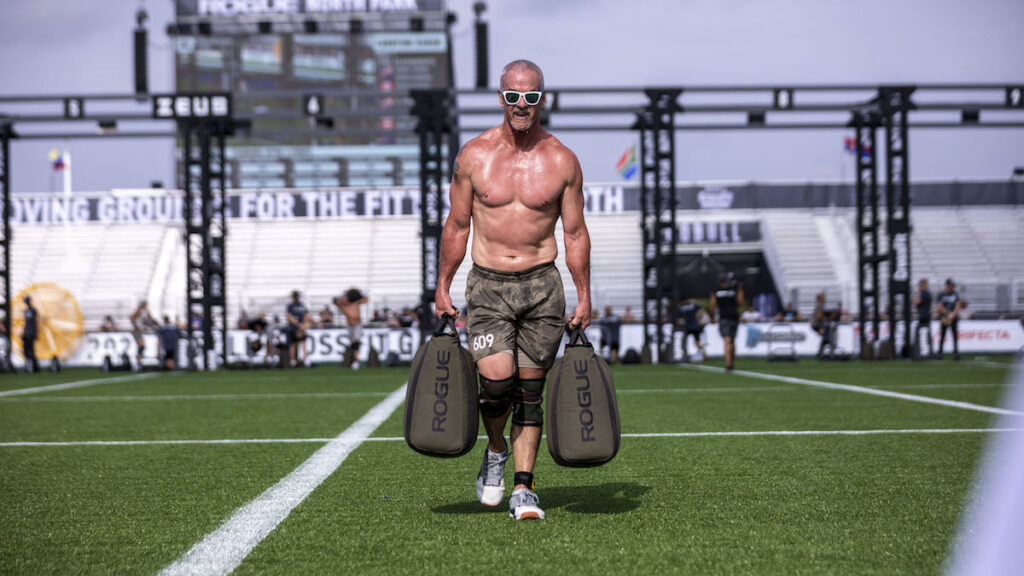
Elite powerlifting standards are one thing. Maintaining the physical capacity to live independently and reduce your risk of chronic disease is another. Fortunately, modern exercise science provides clear benchmarks that help us understand how strong men should be at different ages.
The good news is that strength declines far more slowly than many people think. While aging inevitably affects muscle mass, power, and recovery, resistance training can dramatically slow these losses and preserve impressive levels of performance well into later decades of life.
This article examines what the scientific evidence says about age related strength decline, realistic strength standards for men at 40, 50, and 60, and what those numbers mean for long term health and fitness.
Why Strength Matters More As You Age
Many people associate strength with athletic performance or appearance. However, research increasingly shows that muscular strength is strongly linked to overall health and lifespan.
Large population studies have found that greater muscular strength is associated with lower risks of cardiovascular disease, all cause mortality, disability, and metabolic disorders. Strength also helps maintain mobility, balance, bone density, and independence during aging. Muscle tissue serves as a metabolic reserve. It helps regulate blood glucose, improves insulin sensitivity, supports healthy body composition, and protects against frailty.
As men age, preserving strength becomes less about aesthetics and more about maintaining quality of life. Tasks such as carrying groceries, climbing stairs, lifting luggage, or getting up from the floor all rely on sufficient strength reserves.
Research consistently shows that stronger older adults are less likely to experience falls, fractures, hospitalizations, and functional decline.
What Happens to Strength With Age?
Muscle Loss Begins Earlier Than Most Men Realize
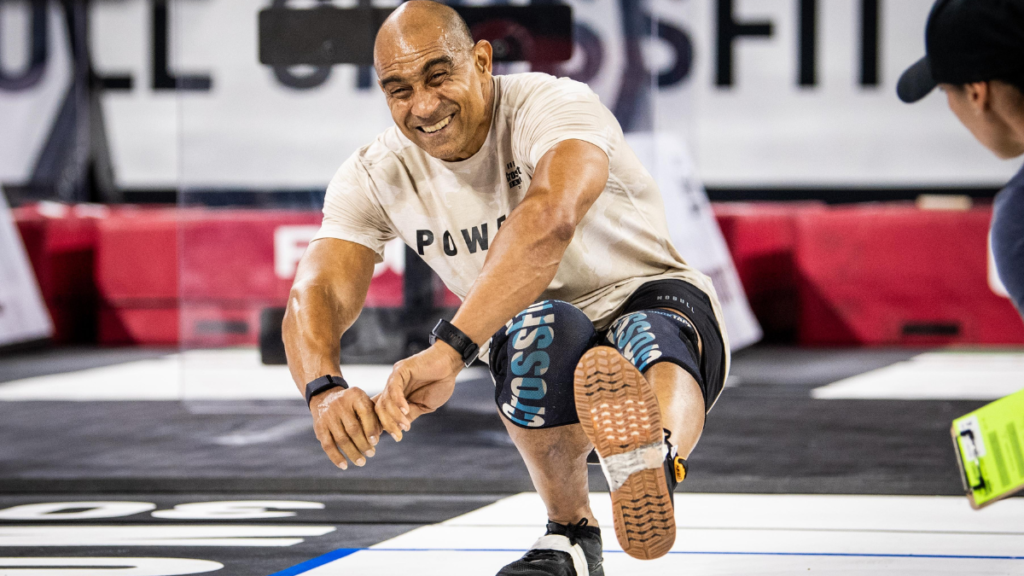
Beginning around age 30, muscle mass gradually starts to decline. This process is known as sarcopenia. The rate of muscle loss accelerates with advancing age. On average, adults lose approximately 3 to 8 percent of muscle mass per decade after age 30, with more rapid losses occurring after age 60.
However, muscle mass is only part of the story. Strength often declines faster than muscle size because aging also affects the nervous system. The body becomes less efficient at recruiting muscle fibers and generating force. This means two men with similar muscle mass may have significantly different strength levels depending on age and training history.
Strength Declines Are Not Inevitable
While aging affects physiology, inactivity is often a much bigger factor than age itself. Studies comparing older trained athletes with sedentary individuals consistently show that lifelong resistance training dramatically preserves muscle mass, strength, and function.
Research on master athletes demonstrates that many men in their fifties, sixties, and seventies maintain strength levels that exceed those of much younger inactive adults. The practical lesson is simple. Aging matters, but training matters more.
How Strong Should Men Be at 40?
Age 40 often represents a turning point. Recovery may be slightly slower than in your twenties, but testosterone levels, muscle building capacity, and overall strength potential remain relatively high.
For healthy men who train consistently, turning 40 should not mean accepting major declines in performance.
Realistic Strength Standards at 40
The following standards assume a healthy male with at least several years of consistent resistance training.
Squat
Good strength:
• 1.25 to 1.5 times bodyweight
Excellent strength:
• 1.75 to 2 times bodyweight
Deadlift
Good strength:
• 1.75 to 2 times bodyweight
Excellent strength:
• 2.25 to 2.5 times bodyweight
Bench Press
Good strength:
• 1 to 1.25 times bodyweight
Excellent strength:
• 1.5 times bodyweight
Overhead Press
Good strength:
• 0.65 to 0.75 times bodyweight
Excellent strength:
• Bodyweight press
These numbers represent levels that indicate strong muscular development and functional fitness without requiring elite competitive standards.
Health Implications at 40
Maintaining these levels of strength provides significant benefits. Men who remain strong during midlife tend to maintain healthier body composition, better insulin sensitivity, and lower risks of cardiovascular disease.
Strength training also supports bone density during a period when age related declines begin accelerating. Perhaps most importantly, maintaining high levels of strength at 40 creates a larger reserve that helps offset future age related losses.
How Strong Should Men Be at 50?
By age 50, physiological changes become more noticeable. Recovery capacity often decreases. Hormonal changes may slightly reduce muscle building efficiency. Joint issues can also become more common. Yet research shows that substantial strength can still be maintained.

What the Research Shows
Studies examining resistance trained adults indicate that many individuals maintain near peak strength into their fifties. The decline from peak strength is often modest among men who continue training consistently. In many cases, performance differences between trained men aged 40 and 50 are surprisingly small.
Realistic Strength Standards at 50
Squat
Good strength:
• 1.25 times bodyweight
Excellent strength:
• 1.75 times bodyweight
Deadlift
Good strength:
• 1.75 times bodyweight
Excellent strength:
• 2.25 times bodyweight
Bench Press
Good strength:
• Bodyweight
Excellent strength:
• 1.4 times bodyweight
Overhead Press
Good strength:
• 0.6 times bodyweight
Excellent strength:
• 0.8 to 0.9 times bodyweight
These standards reflect the reality that slight declines may occur while still representing exceptional health and performance.
Why Relative Strength Matters
At 50, relative strength becomes increasingly important. Being able to move your own body efficiently often matters more than absolute numbers on the barbell.
A 180 pound man who deadlifts 360 pounds possesses excellent functional strength regardless of whether he could lift more in his younger years. Maintaining strength relative to bodyweight helps preserve mobility, balance, and athleticism.
How Strong Should Men Be at 60?
Many people underestimate what is possible at 60. Research consistently demonstrates that resistance training remains highly effective even in older adults. In fact, some studies show that men in their sixties can achieve substantial gains in strength and muscle mass despite beginning training later in life.
The Goal Changes at 60
The objective is no longer maximizing performance at all costs. Instead, the focus shifts toward:
• Preserving independence
• Maintaining muscle mass
• Preventing falls
• Supporting bone health
• Sustaining functional movement
• Extending healthspan
Strength remains incredibly valuable because it directly influences all of these outcomes.

Realistic Strength Standards at 60
Squat
Good strength:
• Bodyweight
Excellent strength:
• 1.5 times bodyweight
Deadlift
Good strength:
• 1.5 times bodyweight
Excellent strength:
• 2 times bodyweight
Bench Press
Good strength:
• 0.8 to 1 times bodyweight
Excellent strength:
• 1.25 times bodyweight
Overhead Press
Good strength:
• 0.5 times bodyweight
Excellent strength:
• 0.75 times bodyweight
These numbers may surprise many people. Yet they are entirely achievable for healthy men who continue resistance training throughout life.
Functional Benchmarks May Matter More
At 60 and beyond, some functional measures may be equally valuable as barbell strength. Examples include:
• Carrying heavy shopping bags comfortably
• Standing from the floor without assistance
• Climbing multiple flights of stairs
• Maintaining balance during daily activities
• Performing loaded carries
• Completing regular physical activity without excessive fatigue
Research suggests these abilities strongly predict long term independence and quality of life.
Strength Versus Muscle Mass
Many men focus primarily on muscle size. While muscle mass is important, strength is often a better indicator of function. Research shows that strength predicts health outcomes more consistently than muscle size alone.
This means a moderately muscular man who is genuinely strong may enjoy better long term outcomes than a larger individual with poor functional strength. The ideal approach combines both. Resistance training should aim to preserve muscle mass while continuing to improve force production and movement quality.
The Real Strength Standard
The most meaningful strength standard is not how you compare to elite athletes. It is whether you maintain enough strength to live the life you want. A strong 60 year old who hikes, lifts weights, plays with grandchildren, and remains independent is achieving something remarkable.
The scientific evidence is clear. Men can preserve impressive levels of strength well into later decades through consistent resistance training, adequate protein intake, and healthy lifestyle habits.
The exact numbers on the barbell matter less than maintaining the physical capacity to move confidently, resist disease, and remain independent.
If you can squat your bodyweight, deadlift 1.5 times your bodyweight, carry heavy objects comfortably, and stay active through your sixties and beyond, you are performing far above what most people consider normal aging. Strength is not just about performance. It is one of the most powerful investments you can make in your future health.
References
• Cruz-Jentoft, A.J., Bahat, G., Bauer, J., Boirie, Y., Bruyère, O., Cederholm, T., Cooper, C., Landi, F., Rolland, Y., Sayer, A.A., Schneider, S.M., Sieber, C.C., Topinkova, E., Vandewoude, M. and Visser, M. (2019) ‘Sarcopenia: revised European consensus on definition and diagnosis’, Age and Ageing, 48(1), pp. 16–31.
• Fragala, M.S., Cadore, E.L., Dorgo, S., Izquierdo, M., Kraemer, W.J., Peterson, M.D. and Ryan, E.D. (2019) ‘Resistance training for older adults: position statement from the National Strength and Conditioning Association’, Journal of Strength and Conditioning Research, 33(8), pp. 2019–2052.
• García-Hermoso, A., Cavero-Redondo, I., Ramírez-Vélez, R., Ruiz, J.R., Ortega, F.B. and Lee, D.C. (2018) ‘Muscular strength as a predictor of all cause mortality in an apparently healthy population: a systematic review and meta analysis’, Journal of Sports Medicine and Physical Fitness, 58(4), pp. 585–593.
• Goodpaster, B.H., Park, S.W., Harris, T.B., Kritchevsky, S.B., Nevitt, M., Schwartz, A.V., Simonsick, E.M., Tylavsky, F.A., Visser, M. and Newman, A.B. (2006) ‘The loss of skeletal muscle strength, mass, and quality in older adults’, Journal of Gerontology Series A: Biological Sciences and Medical Sciences, 61(10), pp. 1059–1064.
• Leong, D.P., Teo, K.K., Rangarajan, S., Lopez Jaramillo, P., Avezum, A., Orlandini, A., Seron, P., Ahmed, S.H., Rosengren, A., Kelishadi, R. and Yusuf, S. (2015) ‘Prognostic value of grip strength: findings from the Prospective Urban Rural Epidemiology study’, The Lancet, 386(9990), pp. 266–273.